Build Your Superfood Dinner Bowl
-
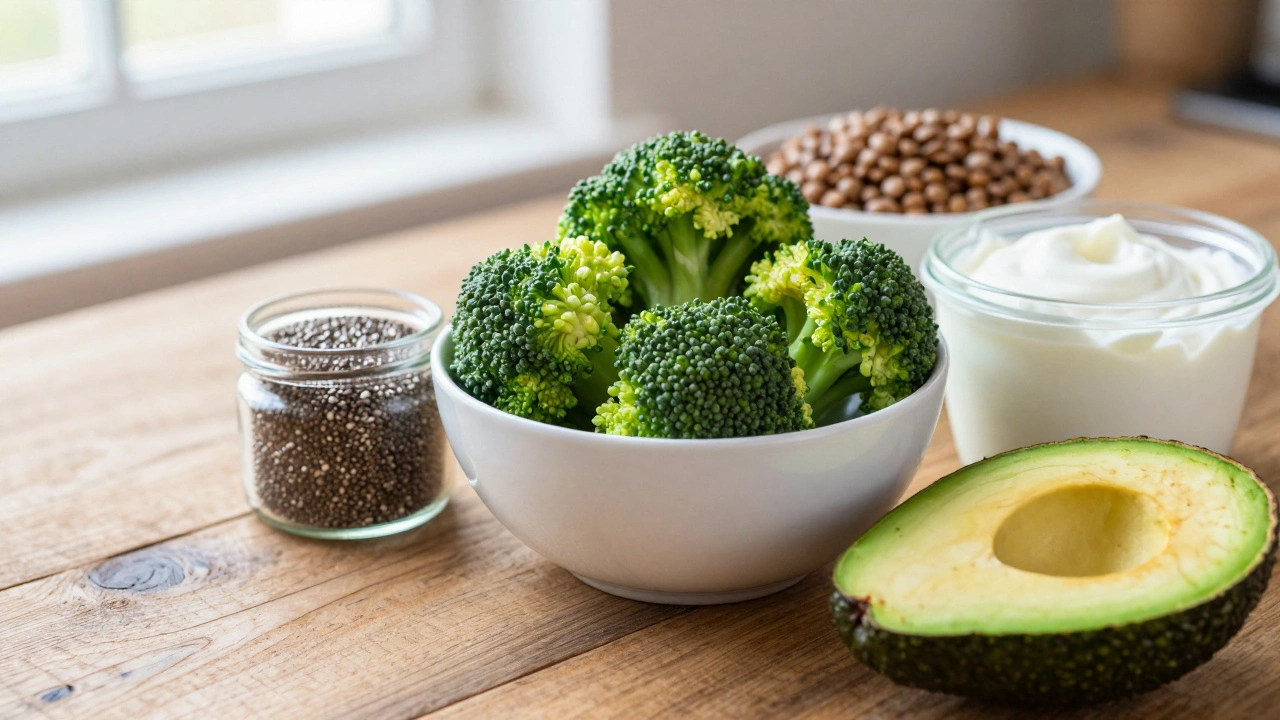
🥦0gBroccoliHigh volume, low calorie
-
🌱0gChia SeedsGel-forming fiber
-
🥣0gGreek YogurtProbiotic-rich protein
-
🍲0gLentilsSustained energy
-
🥑0gAvocadoHealthy fats
Select ingredients on the left to see your bowl's nutrition profile.
You’ve probably seen the headlines. Superfoods are nutrient-dense ingredients that provide significant health benefits in small amounts. But let’s be honest: most of them are just marketing buzzwords for expensive berries or obscure seeds. If you’re trying to lose weight while keeping your evenings simple, you don’t need a list of exotic ingredients that cost a fortune and taste like cardboard. You need real food. Food that keeps you full, fuels your body, and actually tastes good when it’s sitting on your plate at 7 PM.
The truth is, sustainable weight loss isn’t about starving yourself. It’s about volume eating-filling your stomach with low-calorie, high-nutrient density foods so you feel satisfied without overconsuming energy. When we talk about super foods for weight loss, we’re really talking about ingredients that hack your hunger hormones. We want foods high in protein and fiber, which slow down digestion and keep blood sugar stable. This prevents those late-night cravings that ruin your progress.
Why Protein Is Your Best Friend After 6 PM
If you only remember one thing from this guide, let it be this: protein is king. When you eat a meal heavy in carbohydrates but light on protein, your blood sugar spikes and then crashes. That crash makes you hungry again two hours later. Protein takes longer to digest. It requires more energy for your body to break down (a concept called the thermic effect of food), meaning you burn more calories just by processing it.
For an easy dinner recipe, start with a lean protein source. Chicken breast, white fish, tofu, or eggs are all excellent choices. They are versatile, affordable, and pair well with almost any vegetable. By anchoring your dinner around protein, you naturally reduce the amount of empty calories you might otherwise consume from sauces, breads, or starchy sides.
The Top 5 Weight-Loss Superfoods for Dinner
Not all superfoods are created equal when it comes to evening meals. Some are better for breakfast smoothies; others are perfect for salads. Here are the five powerhouses that shine brightest in dinner bowls, ensuring you get maximum satiety with minimum effort.
- Broccoli: This cruciferous vegetable is a calorie trap in the best way possible. A large serving has fewer than 50 calories but is packed with fiber and water. It adds bulk to your plate without adding weight. Roast it until crispy to make it palatable if you dislike steamed veggies.
- Chia Seeds: Often associated with puddings, chia seeds are incredible thickeners for savory dishes too. They absorb up to ten times their weight in liquid, forming a gel that slows gastric emptying. Sprinkle them into soups or mix them into yogurt-based dressings for a hidden boost of omega-3 fatty acids and fiber.
- Greek Yogurt: Forget mayo-based sauces. Greek yogurt offers a creamy texture with half the fat and double the protein. Use it as a base for marinades or a topping for grilled chicken. The probiotics also support gut health, which recent studies link to easier weight management.
- Lentils: These legumes are a complex carbohydrate powerhouse. Unlike white rice or pasta, lentils have a low glycemic index. They release energy slowly, preventing insulin spikes. One cup of cooked lentils provides about 18 grams of protein and 15 grams of fiber, making them incredibly filling.
- Avocado: While high in calories, avocado is high in monounsaturated fats that promote satiety. A quarter of an avocado adds creaminess to salads and helps your body absorb fat-soluble vitamins from other vegetables. Just watch the portion size-a little goes a long way.
Easy Dinner Recipe Ideas Using These Superfoods
Knowing the ingredients is step one. Cooking them efficiently is step two. You shouldn’t spend your entire evening chopping and stirring if you’re trying to de-stress and maintain a healthy routine. Here are three simple ways to combine these superfoods into delicious, balanced meals.
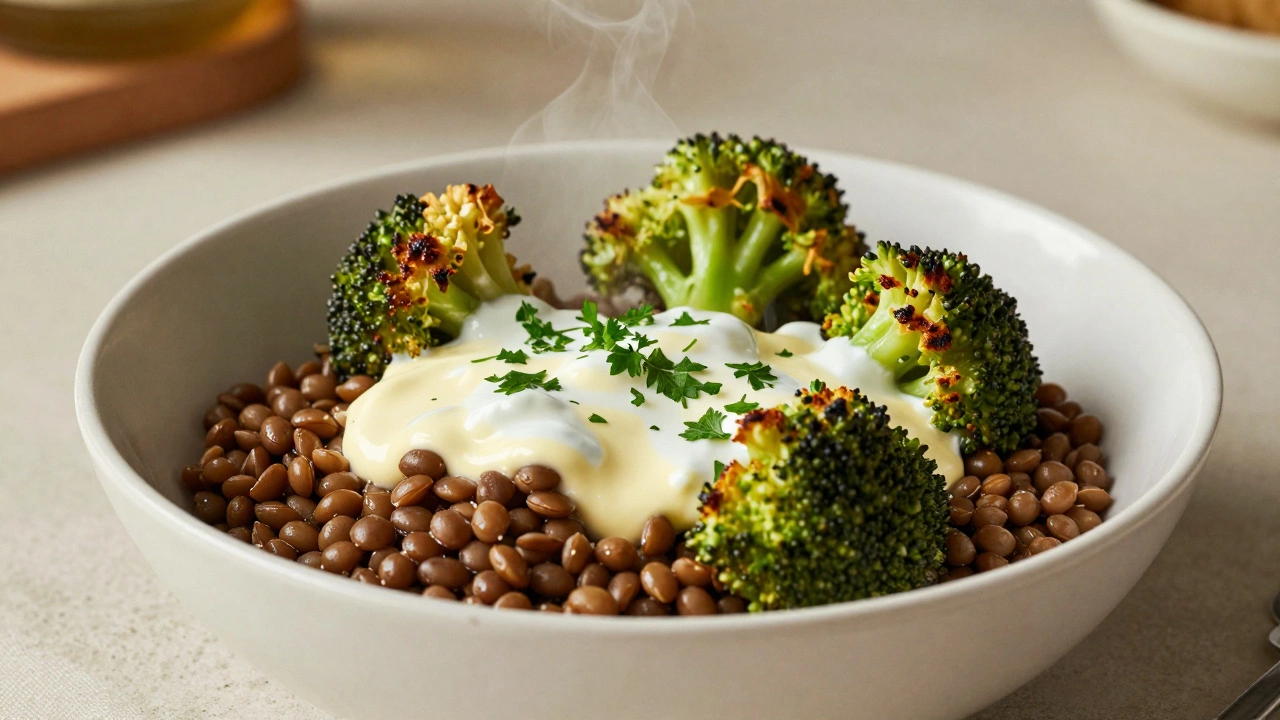
1. Creamy Lentil and Broccoli Bowl
This dish proves that vegetarian dinners can be just as satisfying as meat-heavy ones. Start by cooking a cup of brown or green lentils. In a separate pan, sauté chopped broccoli florets with garlic and onion until tender-crisp. Mix them together and stir in a few tablespoons of plain Greek yogurt mixed with lemon juice and dried herbs. The result is a warm, comforting bowl that feels indulgent but is essentially pure nutrition. The lentils provide the chew and substance, while the broccoli adds crunch and volume.
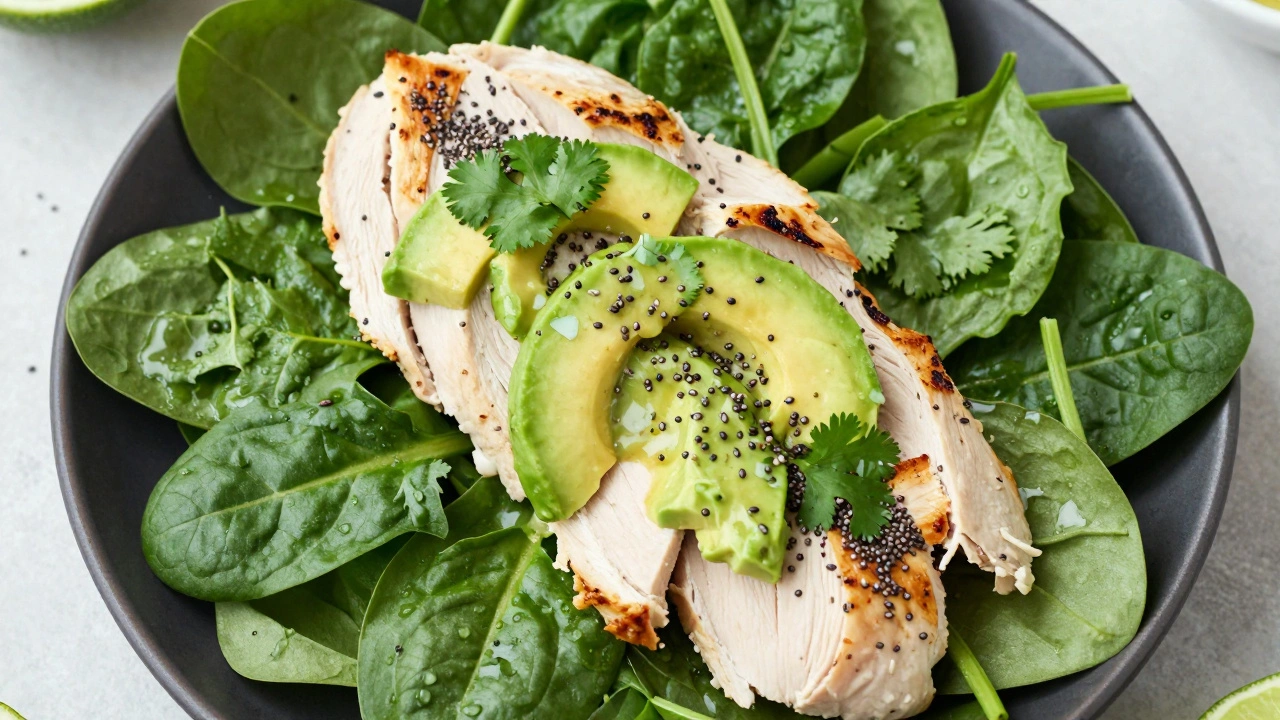
2. Zesty Chicken Salad with Avocado Dressing
Grilled chicken breast is a classic for a reason. Slice it thinly over a bed of mixed greens or spinach. Instead of buying bottled dressing, blend half an avocado with lime juice, cilantro, and a splash of olive oil. Pour this over the chicken and top with a sprinkle of chia seeds for extra texture. This meal is ready in under 20 minutes. The healthy fats from the avocado and the protein from the chicken will keep you full until morning, eliminating the urge to snack on chips.
3. Tofu Stir-Fry with Chia Thickened Sauce
For a vegan option, press a block of firm tofu and cube it. Pan-fry it until golden brown. Add sliced bell peppers, snap peas, and broccoli. For the sauce, whisk soy sauce, ginger, and garlic with a teaspoon of chia seeds that have been sitting in water for five minutes. The chia seeds will thicken the sauce as it heats, coating the vegetables beautifully without needing cornstarch. Serve over cauliflower rice if you want to cut carbs further, or over quinoa for a complete amino acid profile.
| Superfood | Calories (per 100g) | Protein (g) | Fiber (g) | Key Benefit |
|---|---|---|---|---|
| Broccoli | 34 | 2.8 | 2.6 | High volume, low calorie |
| Chia Seeds | 486 | 16.5 | 34.4 | Gel-forming fiber for satiety |
| Greek Yogurt | 59 | 10 | 0 | High protein, probiotic-rich |
| Lentils | 116 | 9 | 7.9 | Sustained energy release |
| Avocado | 160 | 2 | 6.7 | Healthy fats for absorption |
Pitfalls to Avoid When Cooking for Weight Loss
Even with the right ingredients, you can sabotage your efforts with poor preparation methods. The biggest mistake people make is drowning their healthy foods in unhealthy fats. Drizzling olive oil generously over every salad or frying your chicken in butter negates the calorie deficit you’re trying to create. Measure your oils. Use non-stick pans. Opt for baking, steaming, or air-frying instead of deep-frying.
Another common error is ignoring portion sizes of calorie-dense superfoods. Avocados and nuts are healthy, but they are energy-dense. Eating an entire avocado because it’s "good for you" can add 300+ calories to your meal unintentionally. Stick to quarters or halves. Similarly, while chia seeds are fantastic, a tablespoon is usually enough per serving. More isn’t always better; balance is key.
Making It Stick: Practical Tips for Busy Weeknights
Consistency beats intensity. You don’t need to cook gourmet meals every night. Batch cooking is your secret weapon. On Sunday, boil a pot of lentils and roast a tray of broccoli. Store them in glass containers. During the week, grab a handful of each, throw some pre-cooked chicken or tofu on top, and add a dollop of Greek yogurt. Dinner is done in five minutes.
Prep your proteins ahead of time too. Marinate chicken breasts in the morning so they’re ready to grill after work. Keep frozen berries and spinach on hand for quick additions to omelets or smoothies if dinner runs late. The goal is to remove friction. If the healthy option is the easiest option, you’ll choose it automatically.
Can I eat these superfoods for breakfast and lunch too?
Absolutely. These foods are versatile. Chia seeds are great in overnight oats, lentils work well in soups for lunch, and broccoli fits into any meal. The key is distributing your protein and fiber intake evenly throughout the day to maintain steady energy levels.
Do I need to buy organic versions of these superfoods?
Not necessarily. While organic produce avoids pesticide residues, the nutritional difference between organic and conventional broccoli or lentils is minimal. Prioritize eating whole foods first. If budget allows, buy organic for the "Dirty Dozen" list (like strawberries and spinach), but don’t stress over lentils or onions.
How much protein should I aim for in my dinner?
Aim for about 20-30 grams of protein per meal. This amount is sufficient to trigger muscle protein synthesis and maximize satiety. For reference, a standard chicken breast or a cup of cooked lentils provides roughly this amount.
Are there any side effects to eating lots of fiber?
If you suddenly increase your fiber intake, you might experience bloating or gas. To avoid this, introduce high-fiber foods like lentils and chia seeds gradually over a few weeks. Drink plenty of water, as fiber needs fluid to move through your digestive system effectively.
Can I use Greek yogurt in hot dishes?
Yes, but add it at the very end of cooking or off the heat. High temperatures can cause dairy to curdle. Stir it in gently to create a creamy sauce without breaking the emulsion. It works wonderfully in soups and stews if handled carefully.



Write a comment