Slow Cooker Safety Checker
Check your preparation steps against the "Danger Zone" (40°F - 140°F) to ensure your meal is safe to eat.
Pro-Tips for your meal:
Quick Summary: The Golden Rules of Prep
- Don't leave perishables at room temperature: Never put meat or dairy in the pot and leave it on the counter overnight.
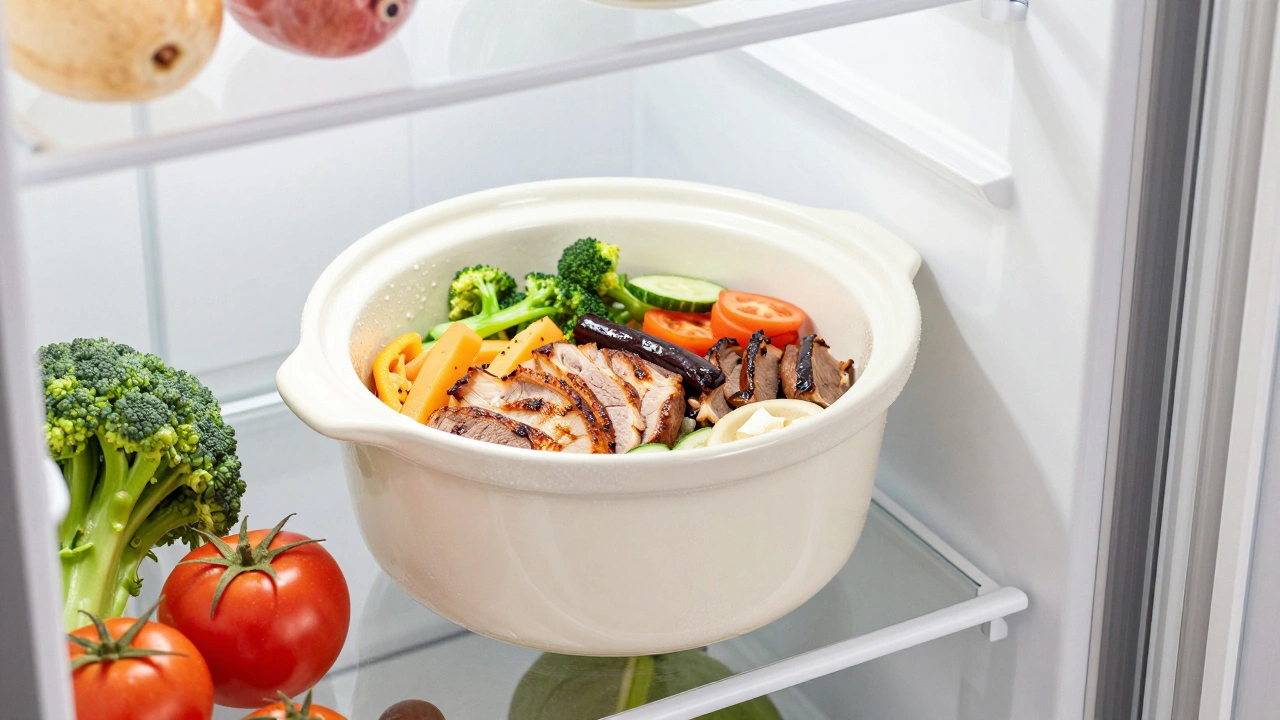
- The Fridge Method: Prep everything, store it in the cooker (or a container) in the fridge, then move it to the machine in the morning.
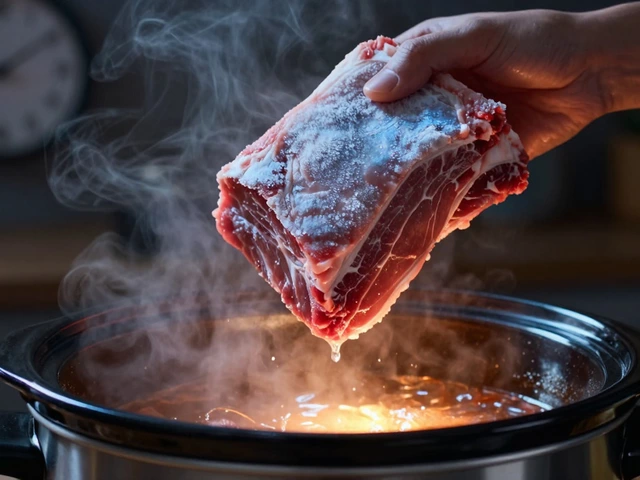
- Avoid Frozen Blocks: Don't put a giant frozen block of meat directly into a slow cooker; it takes too long to thaw and stays in the Danger Zone.
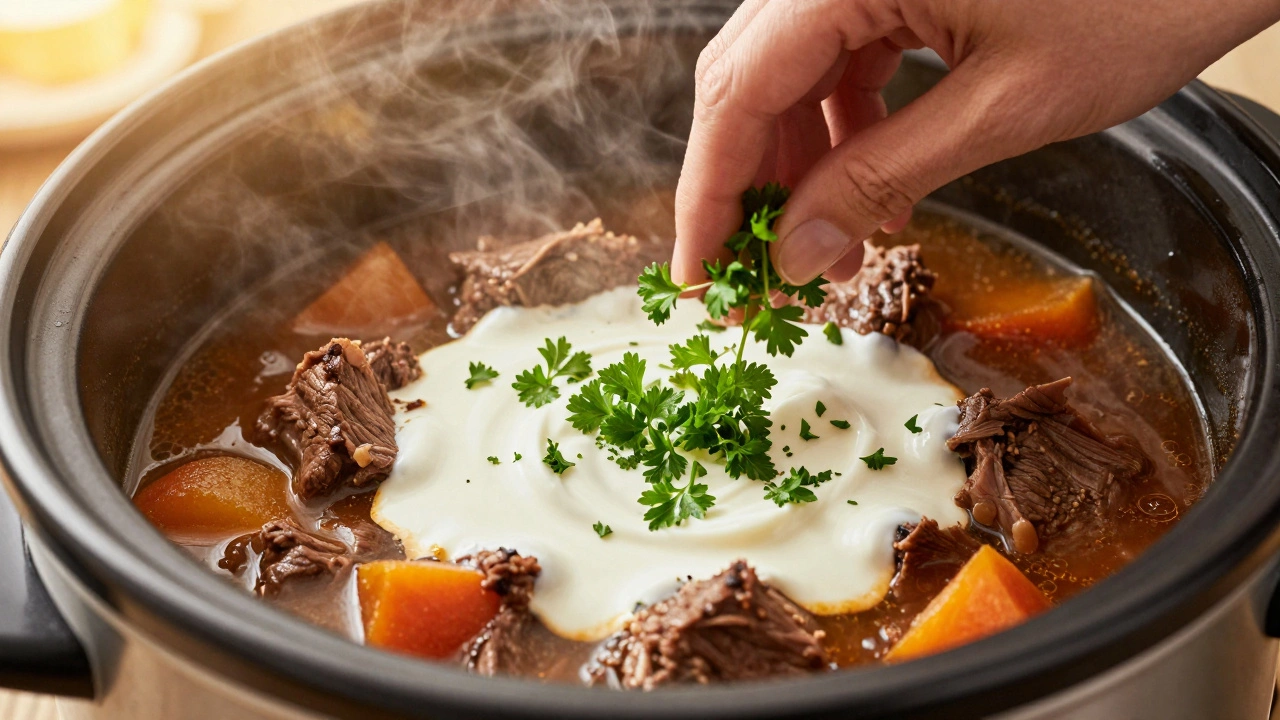
- Dairy Last: Add milk, cream, or sour cream during the last 30 minutes of cooking to prevent curdling.
The Danger of the "Countertop Soak"
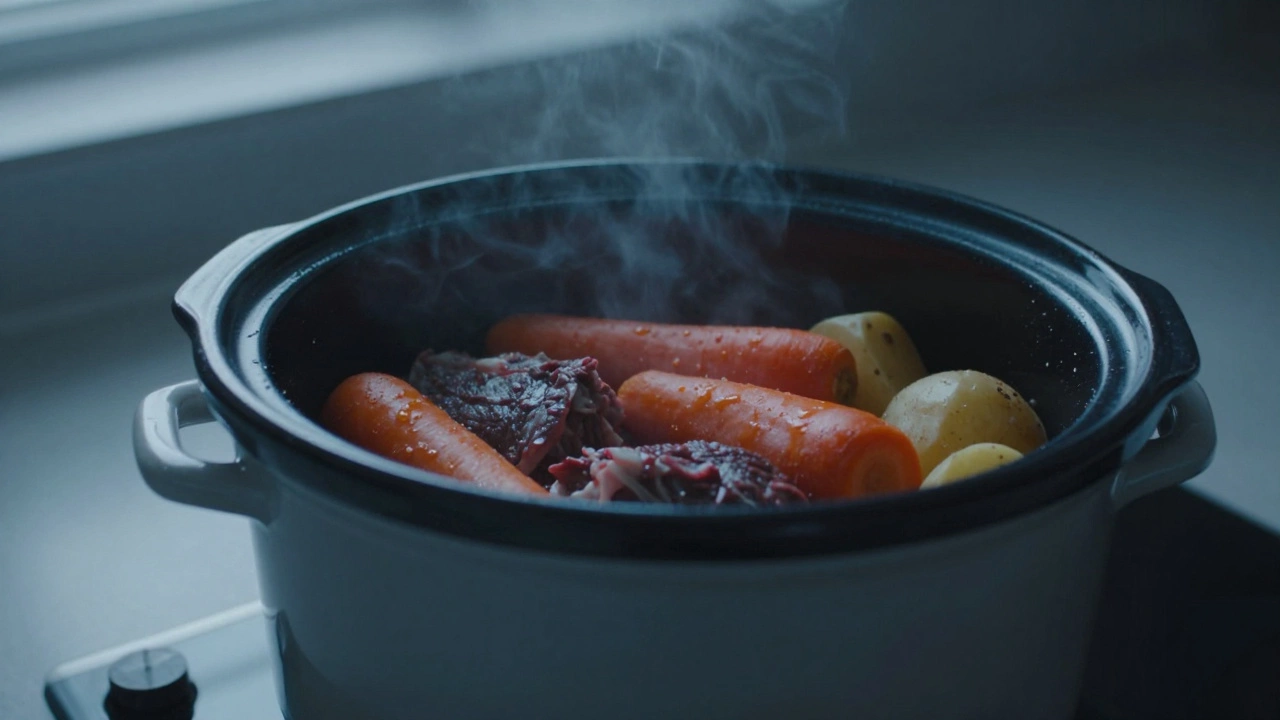
Many people think that because the slow cooker is off, it's just like a regular pot. But when you fill a ceramic crock with dense ingredients like potatoes, thick chunks of pork shoulder, and gravy, you're creating an insulated environment. If you leave that pot on your kitchen counter from 10 PM to 8 AM, the center of that food remains lukewarm for hours. Even if the outside feels cool, the core of the meat is practically inviting bacteria to move in and set up shop.
The real issue is that slow cookers are designed to heat up slowly. If you start with food that has already spent eight hours at room temperature, the machine might take another two hours to even reach 100°F. That's ten hours of prime growing time for pathogens. You can't "kill" all the toxins produced by some bacteria just by heating them up; some heat-stable toxins remain even after the food reaches a safe internal temperature.
How to Actually Prep the Night Before
If you want to save time and avoid the morning scramble, you can still prep everything the night before-you just can't leave it on the counter. The best way to do this is by using your refrigerator as the holding area. Meal prep is the process of preparing ingredients or entire meals in advance to save time and ensure healthier eating habits. Here is the safest workflow for your slow cooker:
- The Assembly: Chop your veggies, season your meat, and mix your sauces.
- The Storage: Place all these ingredients into a plastic container or a glass bowl. If your slow cooker crock is small enough to fit in your fridge, you can put the food directly in there.
- The Chill: Keep the ingredients at or below 40°F (4°C). This keeps the bacteria dormant.
- The Transfer: In the morning, slide the cold ingredients into the ceramic pot and turn it on immediately.
If you use a Programmable Slow Cooker, you can set the timer, but the food must be cold when the timer starts. Even then, the safest bet is to put the cold pot in and start it as you walk out the door. Some people try to put the entire machine in the fridge, but that's usually impractical and can damage the electronics of the appliance.
Handling Different Ingredients
Not all ingredients react the same way to overnight prep. Some things are fine to sit, while others will ruin your meal if added too early. Let's look at the specific attributes of common slow cooker components.
| Ingredient Type | Prep Timing | Risk Factor | Pro Tip |
|---|---|---|---|
| Root Vegetables | Night Before | Low | Cut carrots/potatoes larger to avoid mushiness. |
| Raw Meats | Night Before (Refrigerated) | High | Sear the meat first for better flavor and texture. |
| Dairy/Cream | Last 30 Minutes | Medium | Adding early causes separating or curdling. |
| Fresh Herbs | End of Cooking | Low | Fresh parsley or cilantro loses flavor if cooked 8 hours. |
The Truth About Frozen Meat
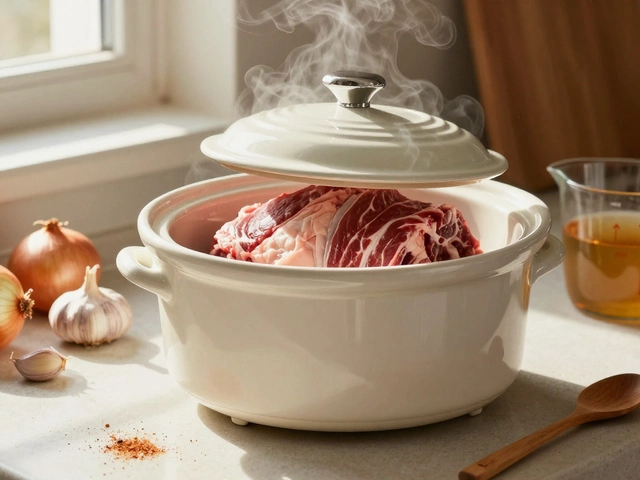
Can you put a frozen roast in the slow cooker and turn it on? Technically, yes, but it's not recommended by food safety experts like the USDA. When you put a frozen block of meat into a slow cooker, the outer edges of the meat thaw and enter the Danger Zone long before the center even begins to warm up. This creates a huge window of time where the surface of the meat is susceptible to bacterial growth.
If you're in a pinch and have to use frozen meat, the best move is to thaw it in the fridge for 24 hours first. If you absolutely must use it frozen, use a recipe specifically designed for frozen ingredients that utilizes a higher heat setting to push the meat through the Danger Zone as quickly as possible. However, for a standard slow cooker recipes approach, thawing is the only way to guarantee safety.
Avoid These Common Prep Mistakes
One big mistake people make is adding too much liquid. When you prep the night before, vegetables like onions and mushrooms release a lot of water as they sit. If you've already added the full amount of broth or water, you might find your dinner has turned into a watery soup by the time you get home. A good rule of thumb is to use about 20% less liquid than you think you need if you're prepping in advance.
Another pitfall is the "over-cook" trap. If you prep everything in the pot and it sits in the fridge, the ingredients are already very cold. This can actually extend the time it takes for the food to reach the safe internal temperature. If you're using a "Low" setting, make sure you've given yourself an extra hour of buffer time to ensure the meat is fully cooked through.
The "Morning-Of" Checklist
To make sure your meal is a success and your family stays healthy, run through this quick mental check before you leave the house:
- Did the ingredients stay in the fridge until now?
- Is the meat thawed completely (unless it's a specific frozen-safe recipe)?
- Did I leave the dairy and fresh herbs out of the pot?
- Is the lid secure and the setting correct (Low vs. High)?
- Do I have a meat thermometer ready to check the internal temperature tonight?
Is it okay to put a slow cooker in the fridge overnight?
You can put the ceramic crock (the removable pot) in the fridge, but do not put the entire electrical heating unit in the refrigerator. The moisture and cold can damage the electronics. Simply prep your food in the crock, cover it, keep it in the fridge, and then slide the crock into the heating base in the morning.
Can I put frozen vegetables in the slow cooker the night before?
If you're putting them in the fridge overnight, that's fine. However, if you're leaving them on the counter, they will thaw and enter the Danger Zone. Even with frozen veggies, it's best to keep them chilled until the moment you start the machine to prevent any bacterial growth.
What happens if I accidentally leave the pot on the counter overnight?
If meat or dairy has been at room temperature for more than two hours, the safest move is to throw it away. While it's tempting to just "cook it out," some bacteria produce toxins that are heat-resistant. It's not worth the risk of food poisoning.
Does prepping the night before affect the taste?
Actually, it often improves the taste! Letting your meat marinate in the seasonings and liquids in the fridge overnight allows the flavors to penetrate deeper into the protein. Just remember to add your fresh herbs and cream at the very end.
Can I use a timer on my slow cooker if the food is cold?
Yes, you can use a programmable timer, provided the food was kept in the fridge until you put it in the machine. The timer simply delays when the heating element turns on. The key is that the food must not sit at room temperature while waiting for the timer to trigger.
Next Steps for Your Meal Prep
If you're new to this, start with a simple beef stew or a pulled pork recipe. These are forgiving and hold up well to the fridge-to-cooker transition. Once you're comfortable, try experimenting with homemade marinades overnight in the crock to see how much more flavor you can get. If you find your food is consistently too watery, try searing your meat in a pan for 3-5 minutes before adding it to the pot-it adds a rich, brown crust and reduces the amount of liquid released during the slow cook.


Write a comment