Personalized Carb Needs Calculator
Calculate Your Carb Needs
Your Personalized Carb Range
This range is based on your activity level, weight, and goals.
How 200g Compares to Your Needs
Real Food Carb Examples
- 1 large banana 27g carbs
- 1 cup cooked oatmeal 27g carbs
- 2 slices whole wheat bread 30g carbs
- 1 cup cooked white rice 45g carbs
- 1 medium potato 37g carbs
How many carbs should you eat in a day? If you’re trying to cut back on carbs, hearing that someone eats 200 grams a day might make you think they’re not even trying. But here’s the truth: 200 carbs a day isn’t automatically too much - it depends on who you are, what you’re doing, and why you’re eating them.
What Does 200 Grams of Carbs Actually Look Like?
Let’s break it down with real food. Two hundred grams of carbs isn’t some abstract number - it’s a pile of plates. Here’s what that looks like in a typical day:
- One large banana = 27g carbs
- One cup of cooked oatmeal = 27g carbs
- Two slices of whole wheat bread = 30g carbs
- One cup of cooked white rice = 45g carbs
- One medium potato = 37g carbs
- One cup of pasta = 43g carbs
Add those up - and you’re already at 209g carbs before even touching fruit, yogurt, or veggies. That’s not even counting hidden carbs in sauces, dressings, or snacks. So yes, 200g of carbs can add up fast - especially if you’re eating processed foods.
Who Actually Needs 200 Grams of Carbs?
Not everyone needs to cut carbs. If you’re an athlete training 2+ hours a day, 200g of carbs might be the bare minimum. A long-distance runner, cyclist, or even a busy parent chasing kids all day might need that fuel. Your body uses carbs as its preferred energy source during high-intensity activity.
Research from the Journal of the International Society of Sports Nutrition shows that endurance athletes often consume 6-10g of carbs per kilogram of body weight daily. For a 70kg person, that’s 420-700g of carbs - way above 200g. So if you’re burning energy hard, 200g isn’t a lot. It’s barely enough.
But if you’re sitting at a desk, walking the dog, and not doing intense workouts? Your body doesn’t need that much glucose. Your insulin sensitivity drops. Fat storage goes up. That’s when 200g starts feeling like too much.
Low Carb Isn’t Zero Carb - It’s About Balance
People who follow low carb diets aren’t trying to eliminate carbs. They’re trying to reduce them enough to feel better, lose weight, or stabilize blood sugar. The sweet spot? Most people feel a difference when they drop below 150g per day. That’s still plenty of carbs - you can eat vegetables, berries, legumes, and even small portions of whole grains.
True low carb diets usually fall into three buckets:
- Moderate low carb: 100-150g per day - good for weight maintenance, energy, and health
- Strict low carb: 50-100g per day - common for weight loss, insulin resistance, or prediabetes
- Ketogenic: Under 50g per day - forces your body to burn fat for fuel
So if you’re eating 200g, you’re not on a keto diet. You’re not even in the strict low carb zone. But you might still be doing fine - if your carbs come from whole foods.
Where Your Carbs Come From Matters More Than the Number
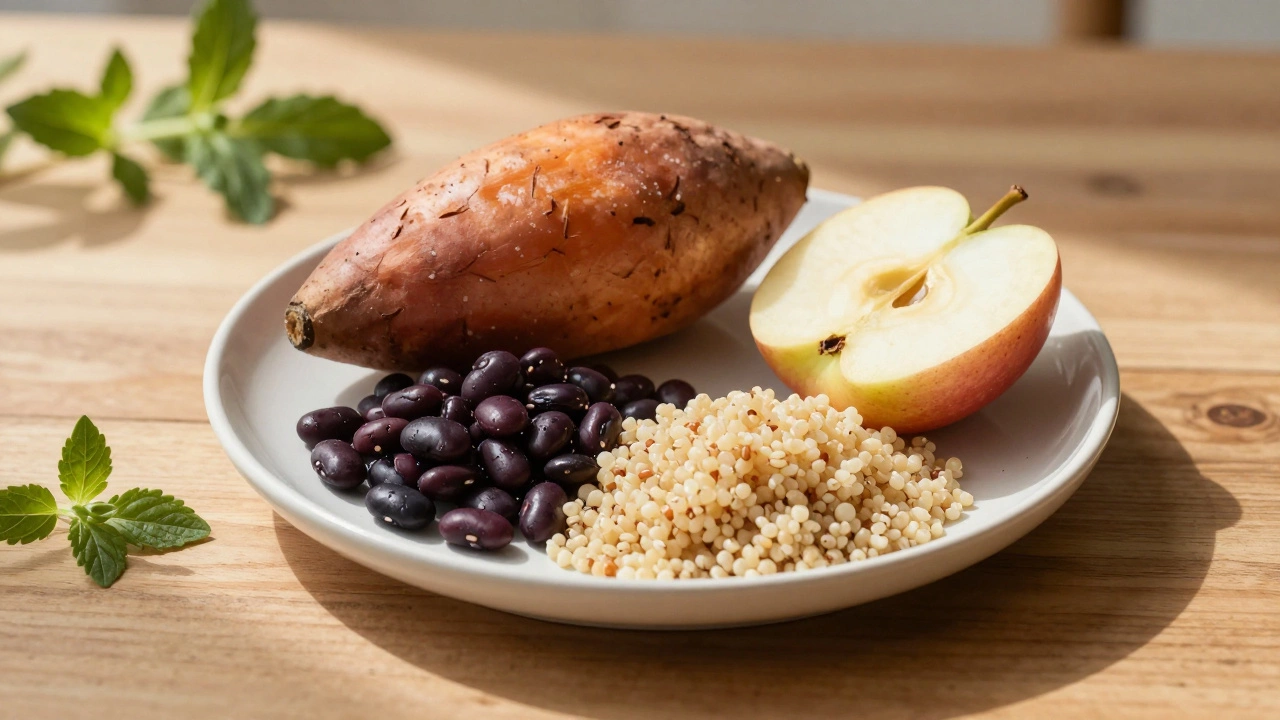
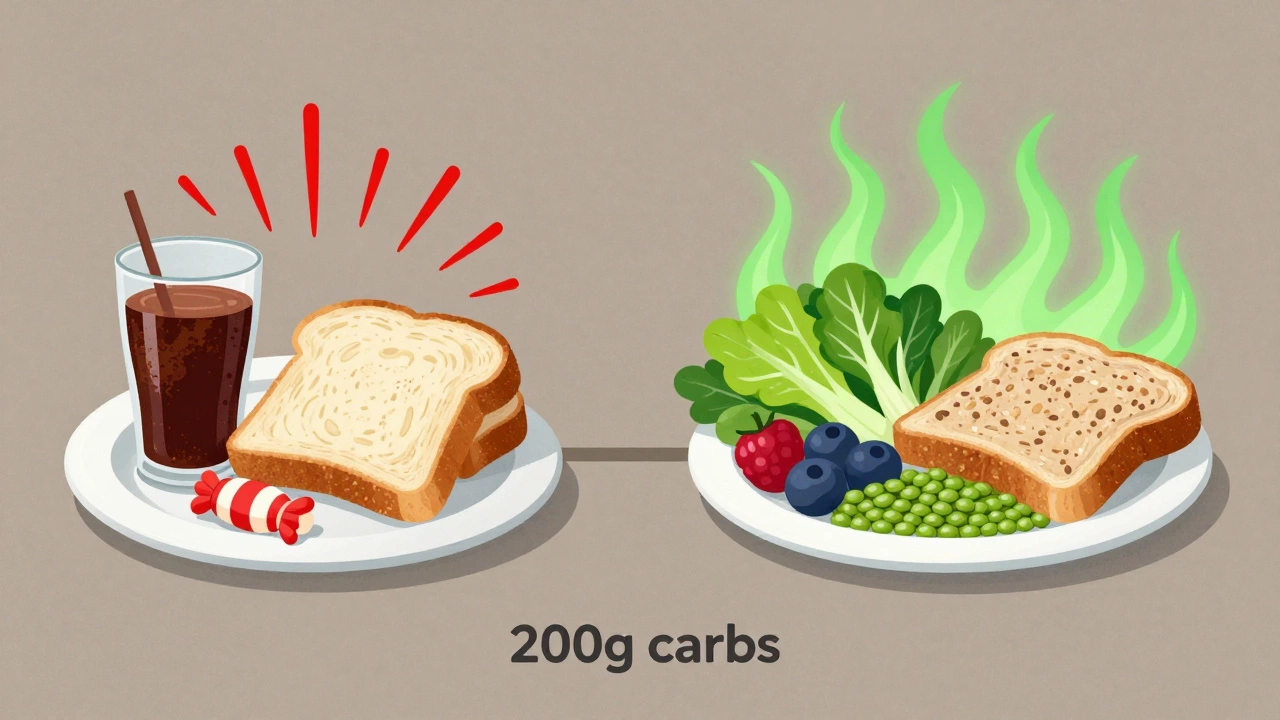
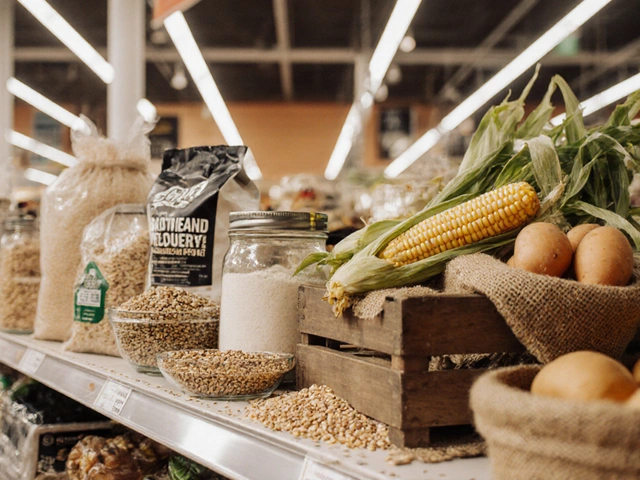
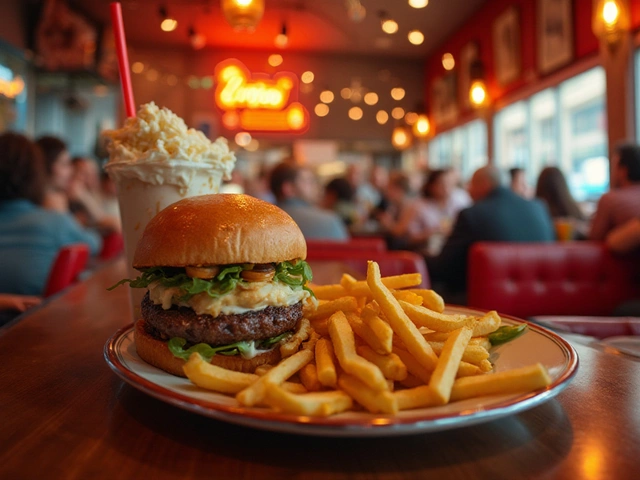
Not all carbs are created equal. Two hundred grams of carbs from white bread, soda, and candy is a disaster. Two hundred grams from sweet potatoes, lentils, apples, and quinoa? That’s a different story.
Here’s the breakdown:
| Source | Carbs (per serving) | Fiber | Added Sugar | Nutrients |
|---|---|---|---|---|
| White bread (2 slices) | 30g | 2g | 0g | Low |
| Whole grain bread (2 slices) | 30g | 6g | 0g | Good B vitamins, iron |
| Soda (12 oz) | 39g | 0g | 39g | None |
| Black beans (1 cup) | 41g | 15g | 0g | High protein, iron, magnesium |
| Apple (medium) | 25g | 4g | 19g (natural) | Vitamin C, antioxidants |
Notice the difference? The beans and apple give you fiber, vitamins, and slow-burning energy. The soda and white bread spike your blood sugar, leave you hungry, and offer almost nothing else.
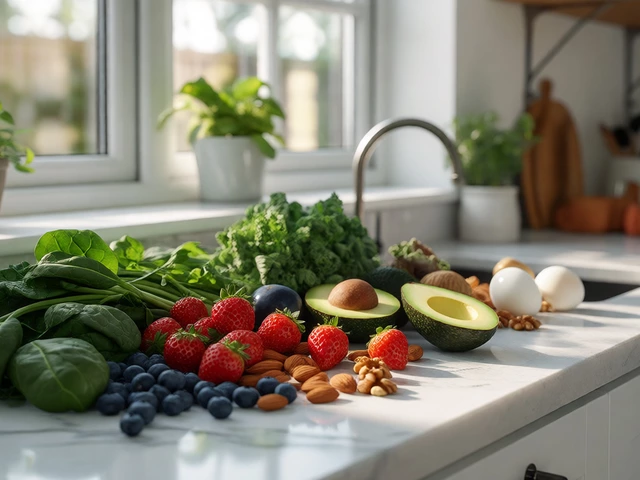
If you’re eating 200g of carbs from whole, unprocessed sources, you’re likely getting more nutrients than most people on low carb diets who eat nothing but meat and cheese. You’re also more likely to feel full, have steady energy, and avoid cravings.
Why People Think 200 Carbs Is Too Much
Most of the fear around carbs comes from the standard American diet - where people eat 250-300g of carbs a day, mostly from refined grains and sugar. That’s why so many people feel sluggish, bloated, or gain weight. They’re not eating too many carbs - they’re eating the wrong kinds.
Then comes the keto wave. Suddenly, “low carb” means under 50g. That’s not wrong - for some people, it’s life-changing. But it’s not the only way. Many people who drop to 100-120g of carbs feel amazing. They lose weight. Their blood sugar stabilizes. Their brain fog clears.
But if you’re eating 200g of whole food carbs and feeling great? There’s no reason to cut further. You’re not failing. You’re just eating differently than the internet says you should.

How to Know If 200 Carbs Is Right for You
There’s no universal rule. Here’s how to find your own answer:
- Track how you feel. Do you have energy after meals? Or do you crash by 3 p.m.?
- Check your hunger. Do you snack constantly? Or do meals keep you full for hours?
- Look at your waistline. Are you losing, gaining, or staying the same?
- Test your blood sugar. If you have a glucometer, check your levels 2 hours after eating. Under 140 mg/dL is ideal.
- Try reducing to 150g for 2 weeks. See if you feel better. If not, go back to 200g.
If you’re eating 200g of carbs from vegetables, legumes, fruits, and whole grains - and you’re not gaining weight, not feeling tired, and not craving sugar - then you’re probably fine.
Low Carb Recipes That Keep You Under 150g of Carbs
Still want to cut back? You don’t have to give up flavor or satisfaction. Here’s how to build meals that keep carbs in check without feeling deprived:
- Swap rice for cauliflower rice - 5g carbs per cup instead of 45g
- Use zucchini noodles instead of pasta - 4g carbs per cup vs. 43g
- Choose berries over bananas - 1 cup strawberries = 11g carbs vs. 27g in a banana
- Snack on nuts and cheese - 1 oz almonds = 6g carbs, 3g fiber
- Make your own sauces - skip sugar-laden store-bought versions
Example low carb dinner: Grilled salmon, roasted Brussels sprouts, and a side of mashed cauliflower with butter. Total carbs? Around 18g. That leaves room for a small apple and a handful of berries later.
Final Answer: Is 200 Carbs a Day a Lot?
It’s not a lot - if you’re active, eating whole foods, and feeling good. It’s too much - if you’re sedentary, eating processed stuff, and gaining weight or feeling sluggish.
Don’t let someone else’s diet rule your plate. The goal isn’t to hit a magic carb number. It’s to feel strong, energized, and in control of your hunger. If 200g of carbs from real food works for you, keep doing it. If you’re tired of the crashes, try cutting back to 120-150g. See what happens.
There’s no perfect number. Only what works for your body - right now, today, in your kitchen in Brighton, with your groceries and your schedule.
Is 200 carbs a day too much for weight loss?
It depends. If you’re eating 200g of carbs from whole foods like vegetables, legumes, and fruit, and you’re still losing weight, then no - it’s not too much. Many people lose weight eating 150-200g of carbs daily, especially if they cut out sugar and refined grains. But if you’re eating mostly bread, pasta, and snacks, then 200g is likely holding you back. Try cutting processed carbs first before reducing total carbs.
Can I eat 200 carbs a day and still be on a low carb diet?
Technically, no - most people define low carb as under 150g per day. But if you’re eating 200g from nutrient-dense, high-fiber sources, you’re still eating better than most people. The term "low carb" is often misused. What matters more is the quality of your carbs, not just the number.
How many carbs should I eat if I’m not trying to lose weight?
If you’re active, have good energy, and aren’t gaining weight, 150-200g of carbs from whole foods is perfectly healthy. Your body needs glucose for your brain, muscles, and organs. There’s no need to restrict unless you have a medical reason. Focus on vegetables, legumes, fruits, and whole grains - not sugar and white flour.
Do I need to count carbs if I eat whole foods?
Not unless you’re trying to hit a specific target. Most people do better by focusing on food quality than counting grams. Fill half your plate with non-starchy vegetables, add a protein, and include a small portion of whole grains or fruit. That naturally keeps carbs in a healthy range without tracking.
Why do some people say carbs are bad?
They’re reacting to the modern diet - where people eat 300g+ of carbs daily, mostly from sugar and refined grains. That causes insulin spikes, fat storage, and cravings. But that’s not carbs being bad - it’s processed food being bad. Whole food carbs - like beans, sweet potatoes, and apples - are packed with fiber and nutrients that help regulate blood sugar, not wreck it.



Write a comment