Global Dish Compatibility Calculator
Build Your Comfort Meal
Based on the science of cravings described in the article, configure your ideal dish to see how it compares to the world's favorites.
Compatibility Results
Most Resembles: -
Configure your meal above to see results.
Why this works:
- -
- -
It sounds like a simple question, doesn't it? You ask five people on the street in Brighton, and you’ll get five different answers. Someone will say sushi, another will swear it’s a proper Sunday roast, and a third might cry thinking about their grandmother’s lasagna. But when we strip away personal nostalgia and look at hard data, a pattern emerges. Finding the **most loved dish** isn’t just about taste buds; it’s about economics, history, and psychology.
The Contenders for Global Crown
To find a winner, we need criteria. Are we measuring sales? Calories consumed? Or pure emotional connection? Depending on your metric, the podium looks different.
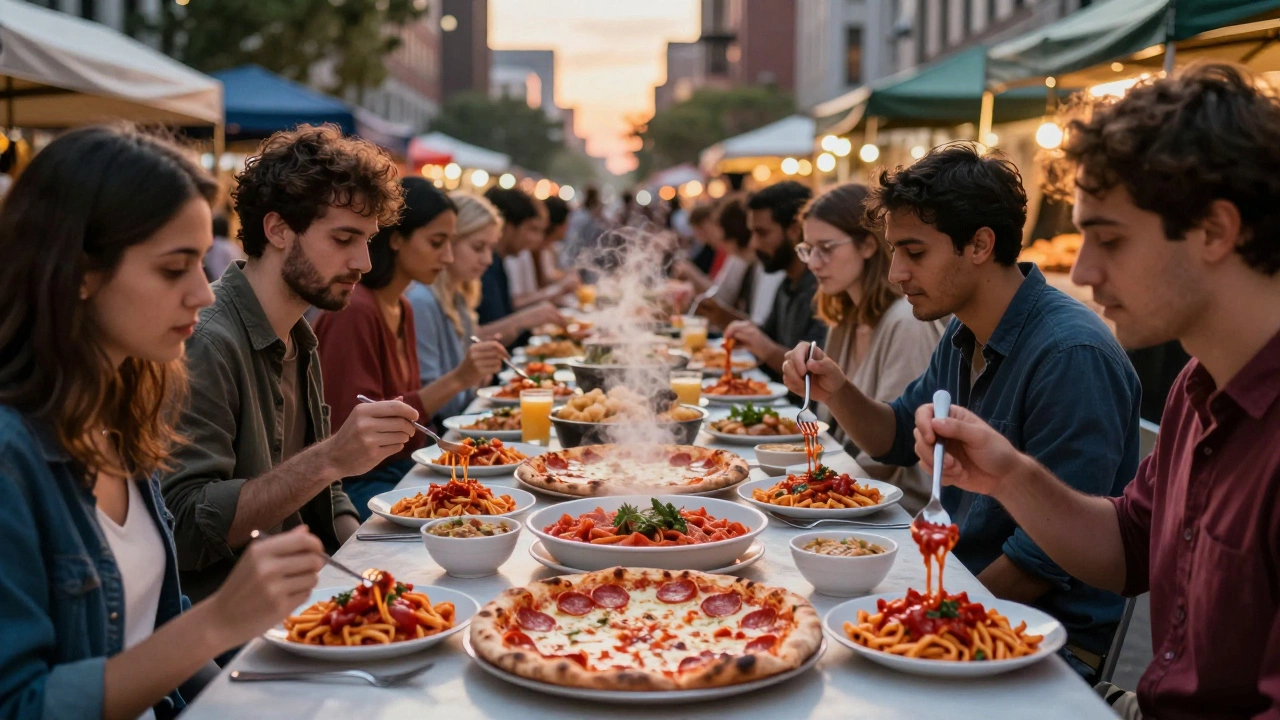
In terms of pure ubiquity, Pizza is the heavyweight champion. You can walk into almost any major city on Earth and find a slice shop. It transcends language barriers in a way few foods do. A pepperoni pie in New York shares a DNA link with a margherita in Naples, despite centuries of evolution. The industry supports over $40 billion in revenue annually, and the accessibility of ingredients makes it a global standard.
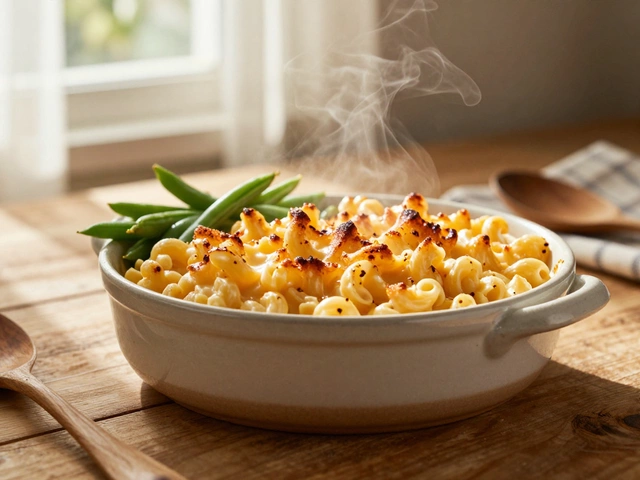
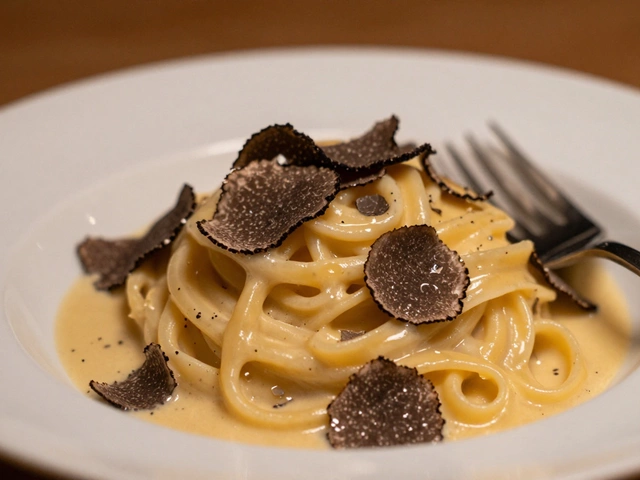
However, if we talk about volume of eating, Pasta fights back. The Mediterranean diet, heavily reliant on wheat-based carbohydrates, dominates large swathes of the population. We are talking about billions of pounds of dry flour processed every year. While pizza is often a treat, pasta frequently doubles as lunch, dinner, and a quick weeknight fix.
The Science of Craving
Why do these specific dishes win? It’s rarely just the saltiness. There is a biological component to why we love these foods. Research indicates that the combination of carbohydrates and fats creates a spike in serotonin and dopamine levels. When you bite into a cheesy pastry shell or a saucy noodle, your brain registers safety and energy.
This connects directly to the concept of Comfort Food. We return to these dishes during times of stress or celebration because they offer predictability. The texture of dough, the acidity of tomato sauce, the richness of dairy-these are consistent signals across cultures. Even in 2026, despite our modern focus on keto or intermittent fasting, the comfort sector remains dominant.
| Dish Type | Primary Region | Cultural Impact | Caloric Density |
|---|---|---|---|
| Pizza | Italy/North America | High (Fast Food Icon) | Medium-High |
| Pasta | Mediterranean | Very High (Daily Staple) | Medium |
| Chicken Curry | South Asia/UK | High (National Symbolism) | Variable |
The British Perspective
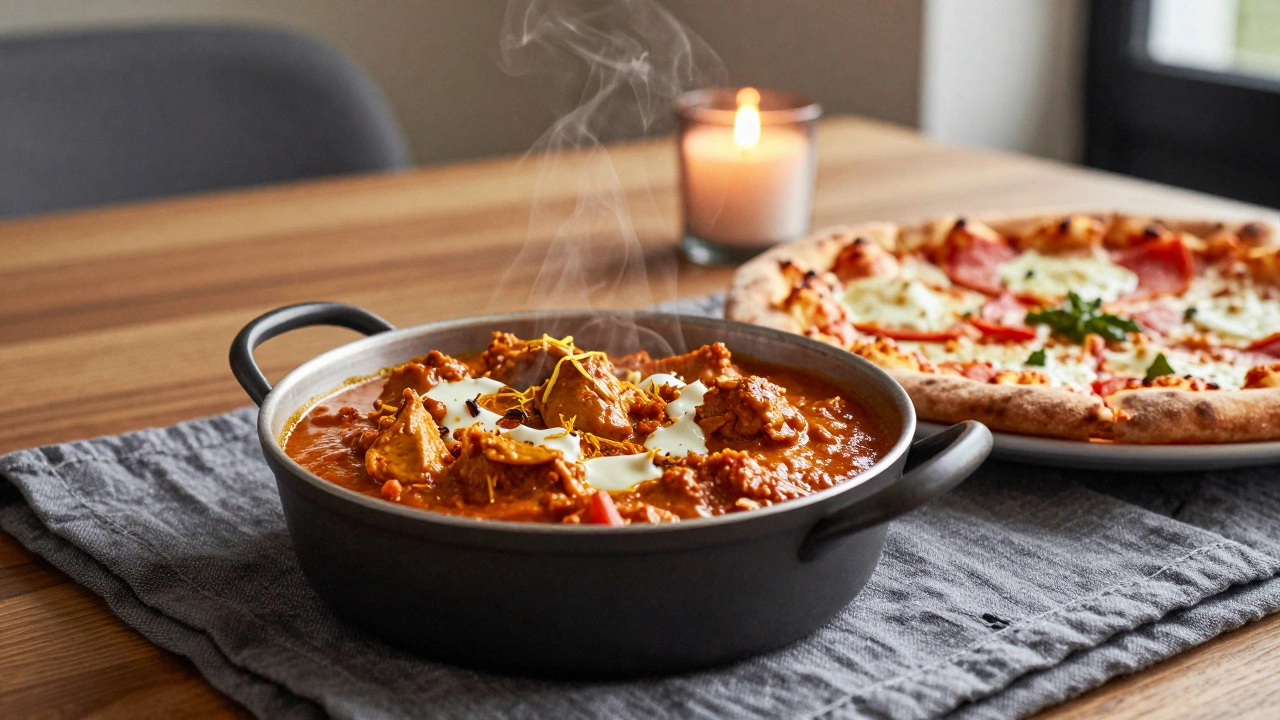
Since I’m writing this from Brighton, I can’t ignore the elephant in the room. Is it Chicken Tikka Masala? Surveys in the United Kingdom consistently rank this spicy, creamy dish near the top of “national favorites.” It blends South Asian spices with Western tastes perfectly. The Foreign Office actually joked in the 90s that this was Britain’s true national dish, overtaking Fish and Chips.
This highlights an important truth: the “most loved” title is subjective to geography. In India, Biryani might take the crown. In Japan, Sushi holds that sacred spot. But looking strictly at cross-border appeal and availability, the pizza-pasta axis wins the majority of votes.
Cooking the World’s Favorite
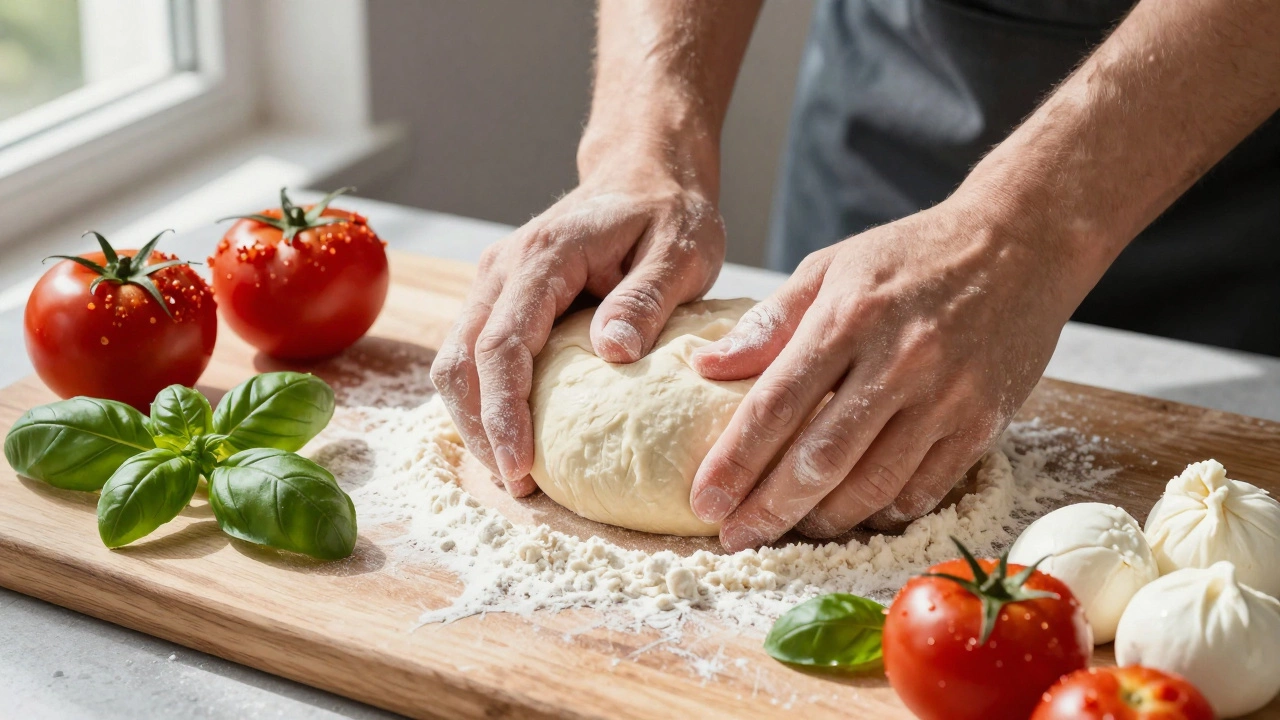
If we accept the broad consensus that Italian-style baked dough is the safest bet for universal love, here is how you replicate that feeling at home without needing a brick oven. You don’t need expensive gear; you need balance.
- The Base: Start with a high-gluten flour. It gives elasticity. Don’t rush the rise; let the yeast breathe for at least two hours. A cold rise overnight adds complexity.
- The Acid: Fresh San Marzano tomatoes provide the right sugar-to-acid ratio. Crush them by hand to avoid uniform sphericity; chunks add texture.
- The Fat: High-quality Mozzarella di Bufala melts slower than processed cheese, creating distinct pools rather than a rubbery sheet.
Baking at maximum temperature (usually around 250°C/500°F) for 10-15 minutes gives that charred crust edge that signals “carefully cooked” to your senses. This simplicity is why it works. It requires minimal intervention to achieve maximal satisfaction.
Future Trends for 2026
We are seeing a shift in how we consume these staples. Sustainability is no longer an option; it’s a requirement. By 2026, consumers are increasingly asking for plant-based mozzarella alternatives and regenerative wheat sourcing. We are moving towards “eat less, eat better” versions of these classics.
You might see more “functional pizza,” loaded with adaptogens or fermented grains designed for gut health. However, the core appeal remains the comfort factor. As long as life has stressors, we will keep returning to the warm, carb-loaded embrace of the world’s favorite plates.
Is there actually one single dish that everyone agrees on?
Not exactly. While data points to Pizza and Pasta leading in commercial success and frequency, "love" is deeply cultural. What is a comfort food in Italy might be viewed as unhealthy junk food elsewhere. However, if forced to pick a global common denominator, Pizza remains the highest-grossing shared dish.
What makes comfort food psychologically appealing?
Comfort foods typically contain high amounts of carbohydrates and fats. These nutrients trigger the release of serotonin and dopamine, chemicals associated with feelings of well-being and reward. Additionally, these foods often connect to childhood memories, reinforcing the positive emotional response.
Which country eats the most of these popular dishes?
The United States consumes the highest amount of Pizza per capita, with citizens eating roughly billions of slices annually. For Pasta, Italy is often the leader, though Argentina and Brazil also have incredibly high per-person consumption rates that rival European nations.
Can healthy diets include these "loved" dishes?
Absolutely. You can swap white flour for whole grain or gluten-free alternatives. Vegetables can replace heavy meats for toppings. Portion control matters more than the dish itself. Balance ensures you enjoy the meal without nutritional imbalance.
Why does food vary so much by region?
Historically, diets developed based on local agriculture. Regions could only eat what grew nearby. Coastal areas favored seafood, while inland plains focused on grains and livestock. Modern trade has mixed these, but deep-rooted preferences persist through generations.





Write a comment