Global Staple Meal Planner
🍚 Rice
The Calorie King
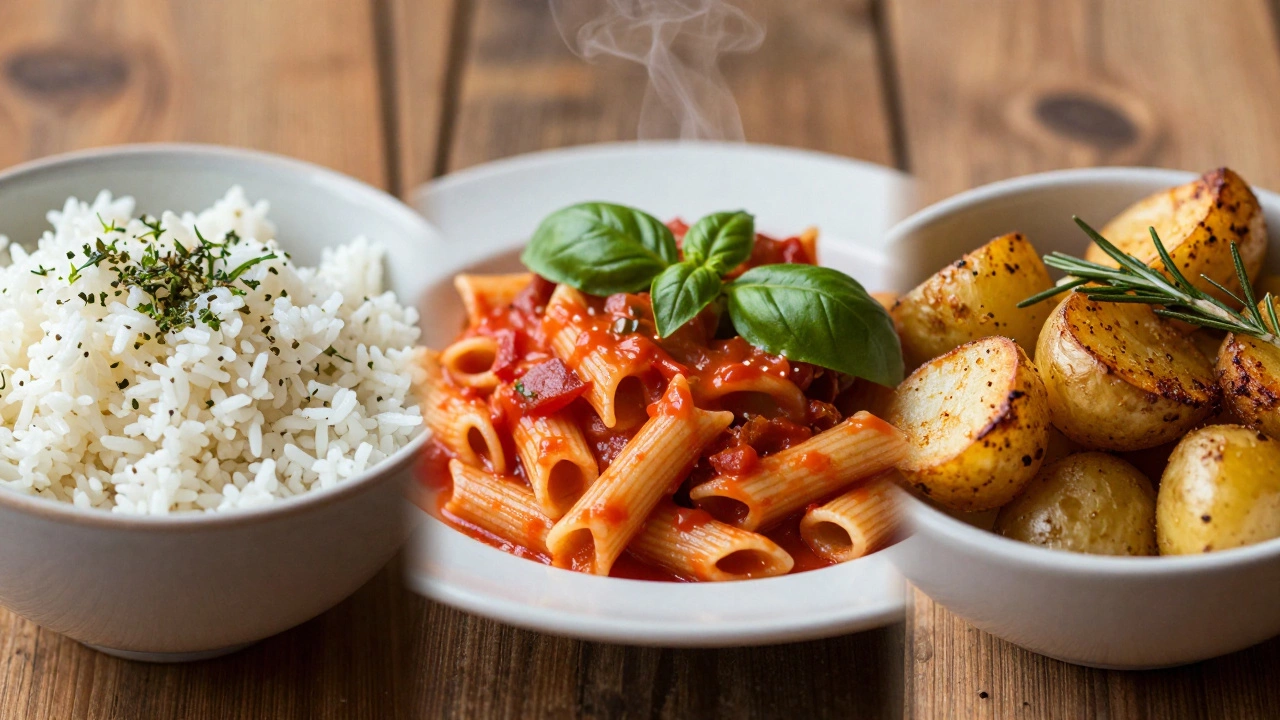
~20% Global CaloriesBest for: Quick meals, Asian cuisine, low fat
🍝 Wheat
The Versatile Queen
~20% Global CaloriesBest for: Comfort food, hearty dinners, bread lovers
🥔 Potato
The Nutrient Powerhouse
~3% Global CaloriesBest for: High potassium, fiber-rich, one-pan meals
You ask what the world no. 1 food is, and you probably expect a single dish like pizza or sushi. But if we look at actual calories consumed by billions of people every day, the answer is surprisingly simple: it’s rice. Specifically, white rice. It feeds more than half the global population. However, if you are looking for inspiration for your next meal, knowing that rice is number one doesn't help much unless you know how to cook it well. That is where this guide comes in. We will break down why rice holds the top spot, look at its close competitors like wheat and potatoes, and then give you practical, easy dinner recipes using these staples.
The Calorie King: Why Rice Is Number One
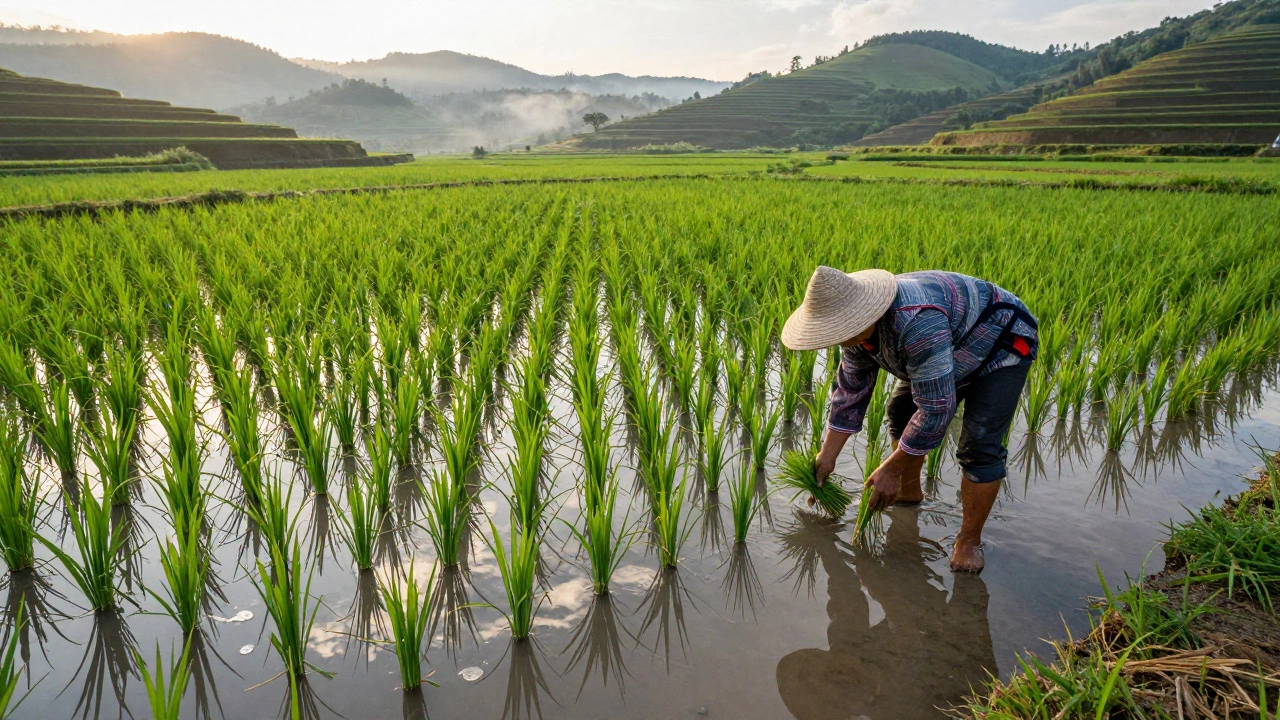
To understand why rice is the undisputed champion, we have to look at data, not just popularity. According to the Food and Agriculture Organization (FAO) of the United Nations, rice provides about 20% of the world's calorie intake. In many parts of Asia, that number jumps to over 50%. Think about that. Every time you eat a bowl of fried rice, a sushi roll, or even a chicken biryani, you are participating in the largest dietary habit on the planet.
Rice wins because it grows almost anywhere with water. It thrives in flooded fields called paddies, which suppress weeds and pests naturally. This makes it incredibly efficient for farmers. For consumers, it means rice is cheap, accessible, and versatile. You can steam it, fry it, grind it into flour, or ferment it. Unlike wheat, which needs temperate climates, or corn, which is often used for animal feed, rice goes straight onto human plates.
But here is the catch. White rice has been stripped of its bran and germ during processing. This gives it a long shelf life and a fluffy texture, but it removes most of the fiber and nutrients. If you are eating white rice daily, you need to pair it with vegetables and protein to get a balanced meal. Brown rice keeps those nutrients but takes longer to cook and has a chewier texture that some people dislike.
The Strong Contenders: Wheat And Potatoes
If rice is the king, wheat is the queen. Wheat products-bread, pasta, noodles, and pastries-are the second most consumed food globally. In Europe, North America, and parts of Africa, wheat dominates. A study published in the journal *Nature Food* highlighted that wheat provides nearly 20% of global calories, closely trailing rice. The versatility of gluten allows wheat dough to rise, creating airy breads that are filling and satisfying.
Potatoes come in third, but they are often underestimated. They are the fourth most produced food crop worldwide after maize, wheat, and rice. Potatoes are nutrient-dense compared to grains. A medium potato contains more potassium than a banana and provides significant vitamin C. Despite this, potatoes often play a side role in Western diets, served as fries or mash rather than the main event. In countries like Ireland and Peru, however, potatoes are the central staple, proving that context matters.
| Food Item | Global Calorie Share | Primary Regions | Cooking Time | Nutrient Profile |
|---|---|---|---|---|
| Rice | ~20% | Asia, Latin America | 15-45 mins | High carbs, low fat, moderate protein |
| Wheat | ~20% | Europe, North America, Africa | Varies (Bread/Pasta) | High carbs, contains gluten, B vitamins |
| Potatoes | ~3% | Europe, South America | 20-60 mins | High potassium, vitamin C, fiber (if skin kept) |
Why "World No. 1" Doesn't Mean "Best For You"
Just because something is popular doesn't mean it's healthy. The title of "world no. 1 food" is based on volume, not nutrition. Processed meats and sugary snacks might be high in empty calories, but they don't compare to the sheer tonnage of grain consumption. When building your own meals, you should focus on balance. Relying solely on refined rice or white bread can lead to blood sugar spikes. The key is pairing these staples with fiber-rich vegetables, lean proteins, and healthy fats.
For example, a bowl of plain white rice has a high glycemic index. Add some broccoli, tofu, and sesame oil, and you slow down digestion and improve nutrient absorption. This concept applies to all staples. Whole wheat pasta is better than white pasta. Sweet potatoes offer more antioxidants than white potatoes. Understanding these nuances helps you use the world's most popular foods to fuel your body effectively.
Easy Dinner Recipe: 15-Minute Garlic Butter Rice
Since rice is the world's favorite food, let's start with a recipe that elevates it from basic to delicious. This garlic butter rice is perfect when you want a quick side or a light main course. It uses minimal ingredients but delivers maximum flavor.
- Rinse the rice: Take 1 cup of jasmine rice and rinse it under cold water until the water runs clear. This removes excess starch and prevents clumping.
- Sauté aromatics: Heat 2 tablespoons of butter in a saucepan over medium heat. Add 3 minced garlic cloves and sauté for 30 seconds until fragrant. Do not burn the garlic.
- Add liquid: Pour in 2 cups of chicken broth (or vegetable broth for a vegetarian option). Stir to combine.
- Cook: Add the rinsed rice to the pan. Bring to a boil, then reduce heat to low. Cover with a tight-fitting lid and simmer for 15 minutes.
- Rest: Turn off the heat and let it sit, covered, for another 5 minutes. Fluff with a fork before serving.
This recipe works because the butter carries the garlic flavor into every grain. Using broth instead of water adds depth without extra effort. Serve this with grilled chicken or steamed vegetables for a complete meal.
Easy Dinner Recipe: Creamy Tomato Basil Pasta
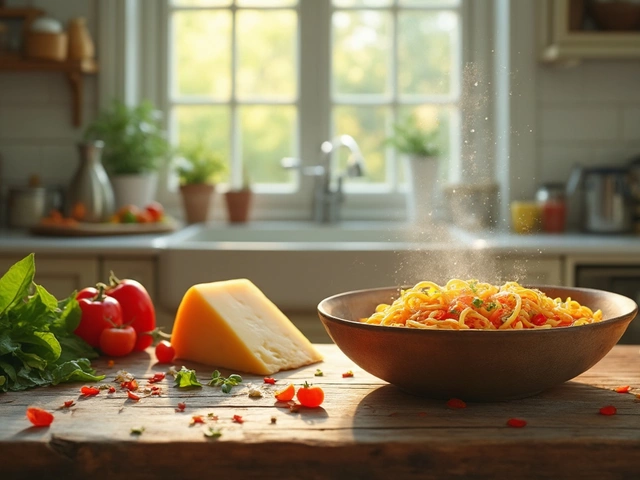
Pasta represents the wheat side of the global food spectrum. It is fast, affordable, and universally loved. This creamy tomato basil pasta is a twist on classic marinara, offering a richer texture without heavy cream.
- Boil pasta: Cook 8 ounces of penne or fusilli in salted boiling water according to package directions. Reserve 1 cup of pasta water before draining.
- Make the sauce: While pasta cooks, heat 2 tablespoons of olive oil in a skillet. Sauté 1 diced onion and 2 minced garlic cloves until soft.
- Add tomatoes: Stir in 1 can (28 oz) of crushed tomatoes and 1 teaspoon of dried oregano. Simmer for 10 minutes.
- Create creaminess: Reduce heat to low. Stir in ½ cup of heavy cream or coconut milk for a dairy-free version. Add fresh basil leaves.
- Combine: Toss the drained pasta into the sauce. Add reserved pasta water a splash at a time until the sauce coats the noodles evenly.
The secret here is the pasta water. Starch from the water helps emulsify the sauce, making it cling to the pasta instead of sliding off. Top with parmesan cheese for an umami boost.
Easy Dinner Recipe: Sheet Pan Potato & Chicken Bowls
Potatoes deserve more spotlight. This sheet pan meal minimizes cleanup while maximizing flavor. It combines the earthiness of potatoes with juicy chicken thighs.
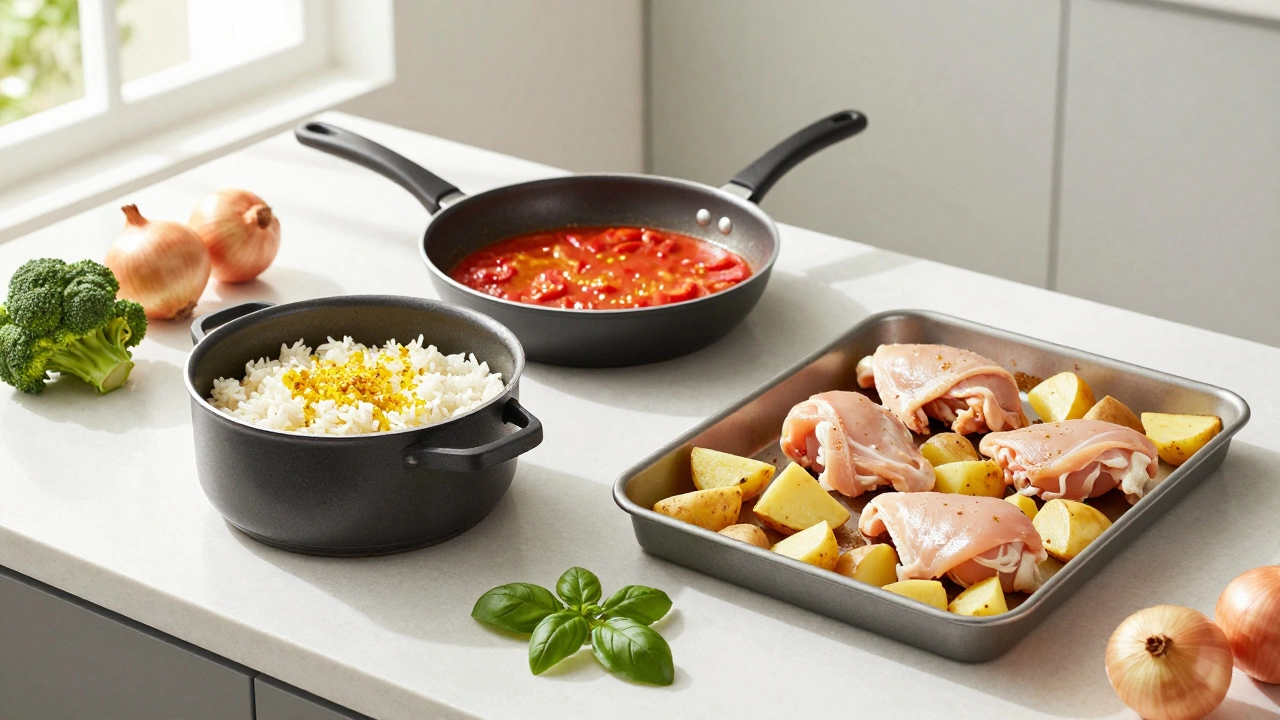
- Prep veggies: Preheat oven to 400°F (200°C). Chop 2 large russet potatoes into 1-inch cubes. Toss with 2 tablespoons of olive oil, salt, pepper, and paprika.
- Arrange chicken: Place 4 boneless, skinless chicken thighs on a baking sheet alongside the potatoes. Drizzle chicken with olive oil and season with garlic powder and thyme.
- Bake: Roast for 25-30 minutes, flipping halfway through, until potatoes are golden and chicken reaches an internal temperature of 165°F (74°C).
- Serve: Garnish with fresh parsley and serve with a side of green beans or a simple salad.
This method ensures even cooking. Cutting potatoes uniformly is crucial so they roast at the same rate as the chicken. It is a hearty, satisfying dinner that feels homemade without the hassle.
Tips For Cooking Global Staples Better
Cooking rice, pasta, or potatoes perfectly requires attention to detail. Here are some pro tips to elevate your everyday meals:
- Rice Ratio: Different rices absorb water differently. Jasmine rice typically uses a 1:1.5 ratio (rice to water), while basmati uses 1:1.75. Always check the package, but taste-testing is best.
- Pasta Salting: Salt your pasta water generously. It should taste like the sea. This is your only chance to season the pasta itself. Adding salt to the sauce later isn't enough.
- Potato Soaking: If you want crispy roasted potatoes, soak cut potatoes in cold water for 30 minutes before cooking. This removes surface starch, leading to a crispier exterior.
- Resting Rice: Never skip the resting phase for rice. Letting it sit off the heat allows moisture to redistribute, resulting in separate, fluffy grains instead of mush.
Conclusion: Make The World's Favorites Your Own
Knowing that rice is the world's number one food is interesting trivia, but applying that knowledge to your kitchen is where the value lies. Whether you choose rice, wheat, or potatoes, these staples form the foundation of countless cultures and cuisines. By mastering simple techniques and adding fresh ingredients, you can turn basic grains into memorable dinners. Experiment with flavors, try new recipes, and enjoy the comfort of familiar foods made better.
Is rice really the most eaten food in the world?
Yes, rice is the most consumed food by caloric intake globally. It provides approximately 20% of the world's calories and is the primary staple for over half the population, particularly in Asia and Latin America.
What is healthier: rice or pasta?
It depends on the type. Brown rice generally has more fiber and nutrients than white rice. Whole wheat pasta offers similar benefits to brown rice. Both are healthy choices when paired with vegetables and lean proteins. White rice and white pasta are less nutritious due to processing.
How do I stop my rice from being sticky?
Rinse your rice thoroughly before cooking to remove excess starch. Use the correct water-to-rice ratio for your specific variety. Avoid stirring the rice while it cooks, as this releases more starch and causes clumping. Let it rest after cooking before fluffing.
Can I substitute potatoes for rice in recipes?
In many cases, yes. Mashed potatoes can replace rice in bowls, and roasted potato chunks work well in stir-fries. However, the texture and flavor profile will change. Potatoes are denser and heartier, so adjust seasoning accordingly.
Why is wheat considered a global staple?
Wheat is highly versatile. Its gluten content allows it to be baked into breads, pastas, and pastries that are filling and portable. It grows in diverse climates and stores well, making it a reliable food source for billions of people worldwide.

Write a comment