Crowd-Pleaser Meal Planner & Estimator
Shopping Checklist Hint:
Focus on bulk staples like a 10lb bag of potatoes or warehouse-sized pasta boxes to save money.
Quick Wins for Your Next Gathering
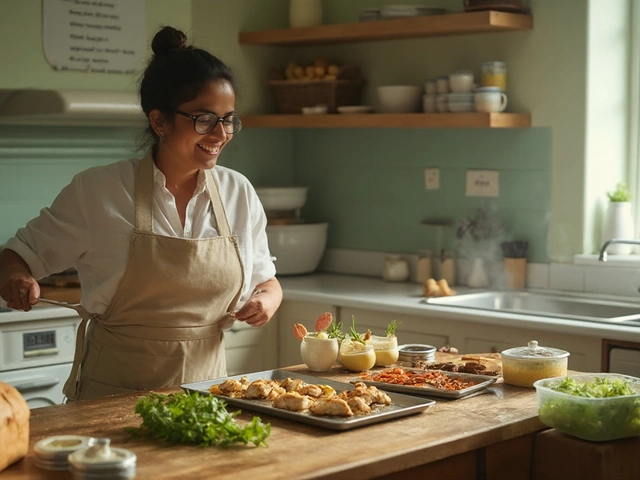
- The Sheet Pan Strategy: Roast everything on two giant trays to minimize cleanup.
- Build-Your-Own Bars: Let people customize their plates to handle picky eaters.
- One-Pot Wonders: Use a Dutch oven or slow cooker to keep food warm.
- Bulk Proteins: Focus on cuts of meat that are cheaper in large quantities.
The Power of the Taco Bar
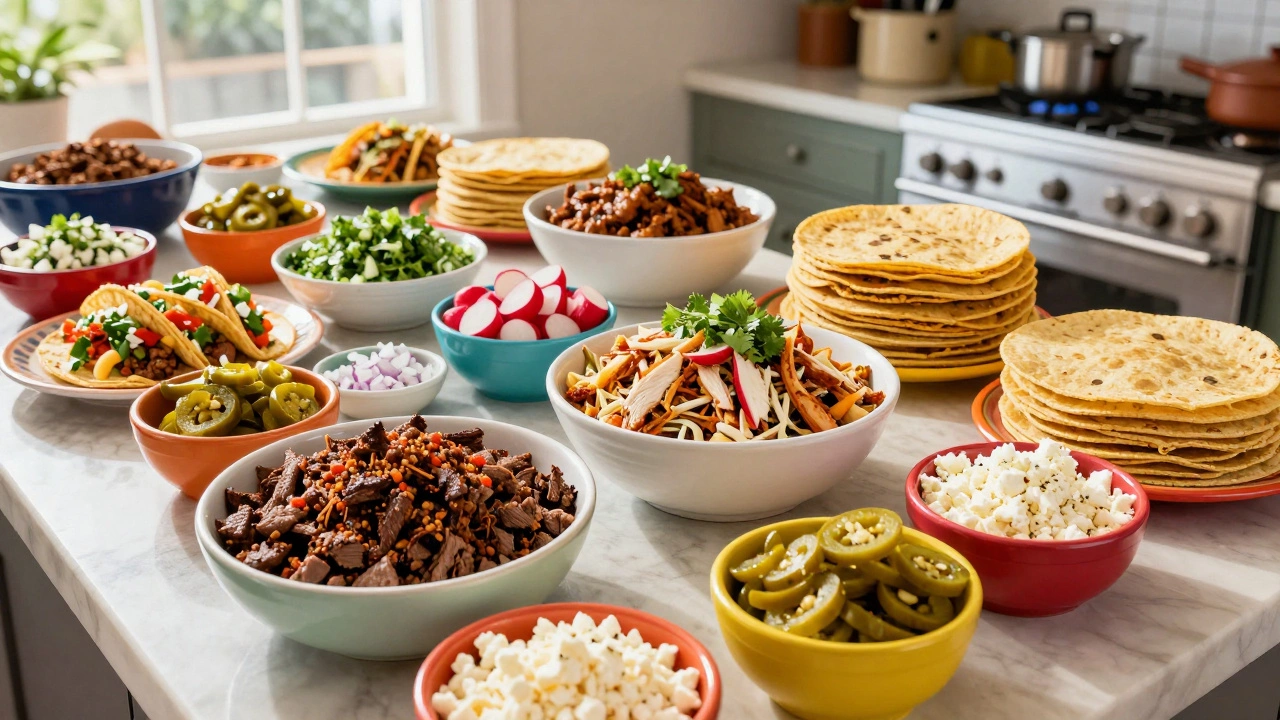
If you want a meal that practically serves itself, go with a taco bar. It's the ultimate solution for families because it accommodates every dietary restriction without requiring five different pots. You can set out a massive bowl of seasoned ground beef or shredded chicken and let everyone go wild.
The trick here is the prep. Chop your onions, cilantro, and radishes early in the afternoon. Use Corn Tortillas and Flour Tortillas side-by-side so the gluten-free guests are happy. When you provide options like pickled jalapeños, sour cream, and crumbled cotija cheese, the meal feels like a feast even though you only actually "cooked" one or two things.
Comfort Classics That Scale
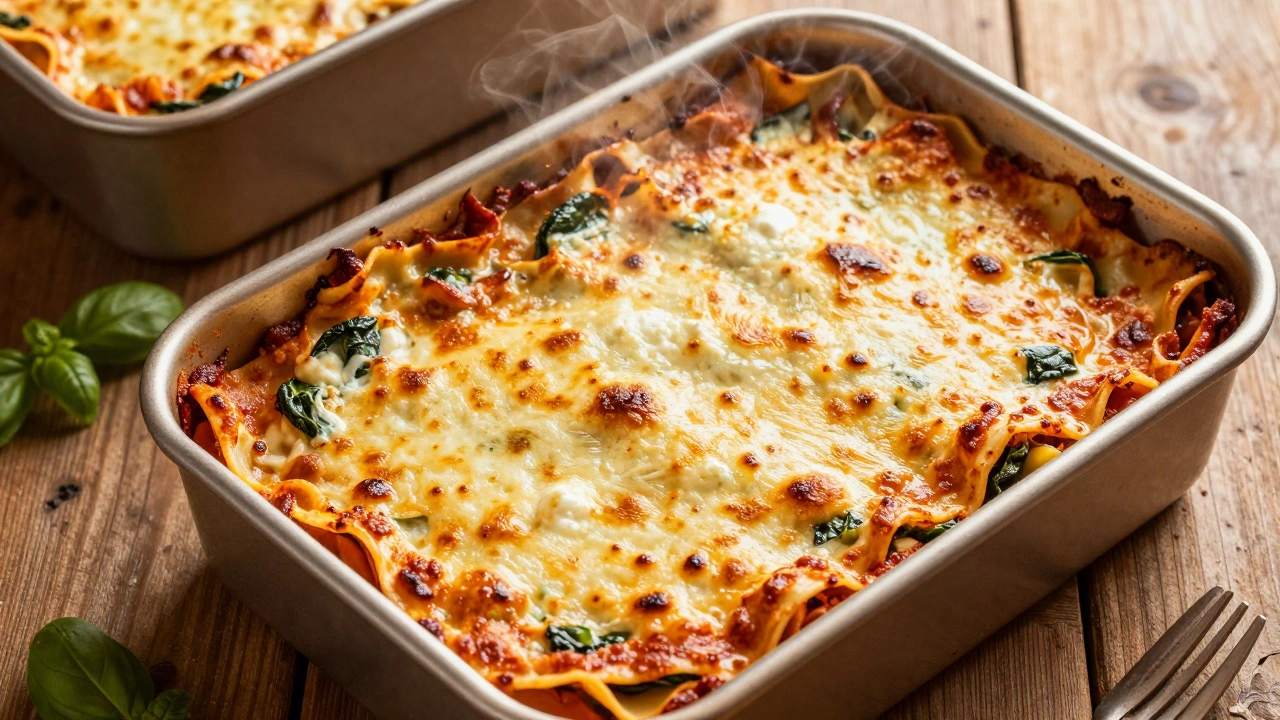
When the weather turns cold or you just need a hug in food form, Lasagna is the gold standard for large groups. Why? Because you can assemble it entirely the day before. A standard 9x13 pan usually feeds about 8 to 10 people, so making two of these ensures no one leaves the table hungry.
To keep it budget-friendly, lean into the ricotta and spinach. Using a mix of shredded mozzarella and parmesan gives you that golden-brown crust without costing a fortune. If you want to upgrade the flavor, try adding a pinch of nutmeg to your béchamel sauce-it's a small detail that makes the dish taste like it came from a professional kitchen.
| Meal Type | Prep Effort | Cost per Person | Customizability |
|---|---|---|---|
| Taco Bar | Low | $ | High |
| Baked Ziti/Lasagna | Medium | $ | Low |
| Slow Cooker Pulled Pork | Low | $$ | Medium |
| Sheet Pan Roast | Medium | $$ | Medium |
The Magic of Low-and-Slow Cooking
If you have a Slow Cooker or a Dutch Oven, you've already won half the battle. Pot roasts and pulled pork are perfect because they use tough, cheaper cuts of meat-like pork shoulder or chuck roast-that become tender over several hours. This means you can feed 12 people for the price of a few fancy steaks.
For a crowd, a pork butt rubbed with brown sugar, paprika, and garlic is a winner. Let it cook for 8 hours, shred it with two forks, and serve it on Brioche Buns with a side of coleslaw. The beauty of this approach is that the meat stays warm in the pot, so if some family members are running late (which they always are), the food doesn't get cold.
Smart Side Dishes That Fill the Gaps
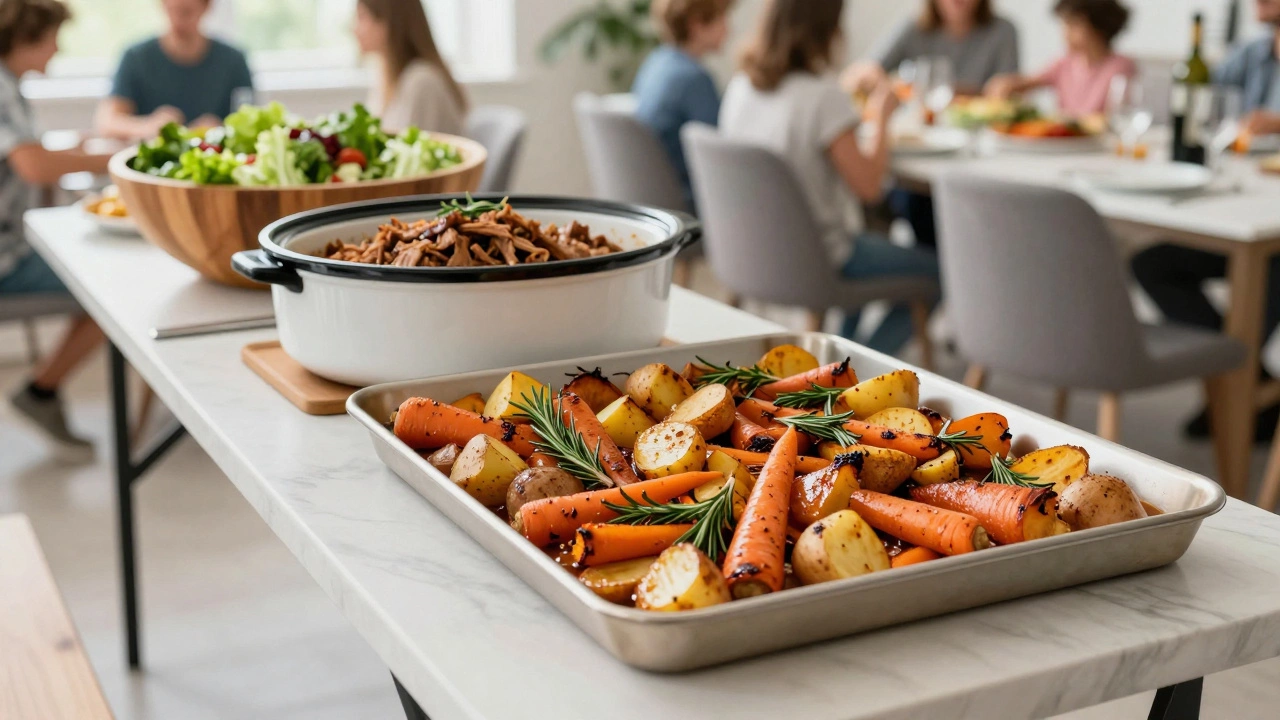
You don't need five different sides; you just need one or two that provide bulk and contrast. A massive tray of roasted root vegetables-carrots, potatoes, and parsnips-is cheap and fills the table. Toss them in olive oil, salt, and rosemary, then roast at 400°F until the edges are caramelized.
Alternatively, a big Garden Salad with a simple vinaigrette cuts through the richness of heavier mains like pasta or pork. Avoid the temptation to make individual portions of sides. Think "big bowl" or "big tray." A pot of steamed rice or a platter of garlic bread can turn a modest protein into a full-blown banquet.
Budget Hacks for Massive Meals
Feeding a crowd can get expensive if you aren't careful. One of the best ways to save is to use "fillers" that don't compromise flavor. In a shepherd's pie, adding extra peas and carrots increases the volume without adding much cost. In a pasta bake, adding chopped zucchini or spinach makes the dish heartier and healthier.
Buy your staples in bulk. A 10lb bag of potatoes or a massive box of pasta from a warehouse club is significantly cheaper than buying small packages. Also, focus on seasonal produce. If it's October, use squash; if it's July, use corn and tomatoes. Nature does the pricing work for you.
Avoiding the Kitchen Chaos
The biggest mistake people make with a big family dinner is trying to do everything at the last minute. The goal is to be a guest at your own party. Use a "reverse timeline." Decide when you want to eat, then work backward. If dinner is at 6 PM, your meat should be in the oven by 4 PM, and your chopping should be done by 2 PM.
Clear your counters. You need more space than you think for plating and serving. If you're short on table space, don't be afraid to do a buffet-style setup on a kitchen island or a folding table. It encourages people to move around and keeps the dining table clear for the actual eating and talking.
How many pounds of meat should I buy for 10 people?
As a general rule of thumb, plan for about 1/2 pound (8 oz) of raw meat per person. For a group of 10, 5 pounds of meat is usually sufficient, especially if you are serving hearty sides like potatoes, rice, or bread. If the meat is the sole star of the show (like a roast), you might bump that up to 3/4 pound per person.
What is the most budget-friendly meal for a huge family?
Pasta dishes, specifically Baked Ziti or Spaghetti with Meat Sauce, are typically the most affordable. Pasta is cheap, and by adding a generous amount of vegetables or a modest amount of ground sausage, you can create a filling meal for a very low cost per serving.
How do I keep food warm while waiting for everyone to arrive?
The best way is using a slow cooker on the "warm" setting. For oven dishes, you can keep them in the oven at the lowest possible temperature (usually around 170°F to 200°F) covered in foil. Alternatively, using a warming tray or a chafing dish with sterno fuel works well for buffet setups.
What can I serve that works for both vegetarians and meat-eaters?
"Deconstructed" meals are best. A taco bar or a baked potato bar allows vegetarians to skip the meat and load up on beans, cheese, and veggies. If you're doing pasta, make a large vegetable-based sauce and cook the meat separately so people can add it to their own bowls.
What are the best desserts for a big group?
Avoid individual plated desserts. Go for a large tray of brownies, a big fruit salad, or a crumble/crisp that can be served from one large baking dish. These are easy to make in bulk and don't require precise timing.
Next Steps for Your Dinner Plan
If you're feeling overwhelmed, start with the "One Protein, Two Sides" rule. Pick one meat that can be cooked in bulk (like a roast or a big tray of chicken thighs), one starch (like mashed potatoes or rice), and one vegetable. Once you master that simple formula, you can start adding more complexity like appetizers or custom bars.
For those with very limited time, look into "semi-homemade" options. Buy the pre-cut mirepoix (onion, celery, carrots) from the store or use a high-quality jarred marinara as a base for your pasta. There is no shame in using a shortcut if it means you actually get to enjoy your family's company instead of scrubbing pots for three hours.


Write a comment