Craving Solver & Swap Guide
What are you craving right now? Select an option to discover why it's happening and what to eat instead.
Select a craving on the left to see the biological trigger and the best "Calm-Down" food.
Craving Name
TriggerBenefit explanation.
Key Takeaways for Beating Cravings
- Prioritize Protein: Stops the hunger hormone ghrelin from spiking.
- Choose Healthy Fats: Signals your brain that you're full and satisfied.
- Manage Blood Sugar: Swap refined sugars for complex carbs to avoid the "crash and crave" cycle.
- Hydrate First: Thirst often masquerades as a food craving.
The Science of Why We Crave
Before we get into the grocery list, we need to understand what's happening. Most cravings are driven by Dopamine is a neurotransmitter in the brain that rewards us for eating high-calorie, palatable foods. When you eat a sugary donut, your brain gets a massive hit of feel-good chemicals, and it wants that hit again.
However, there's a physical side too. If your blood sugar drops too low, your brain screams for quick energy (sugar). If you're low on magnesium, you might find yourself dreaming of dark chocolate. By eating foods that calm cravings, you're essentially giving your body the nutrients it thinks it's missing, which shuts off the alarm bell in your head.
Protein: The Hunger Killer
If you want to stop a craving in its tracks, start with protein. Protein is the most satiating macronutrient because it suppresses Ghrelin, the hormone that tells your brain you're hungry.
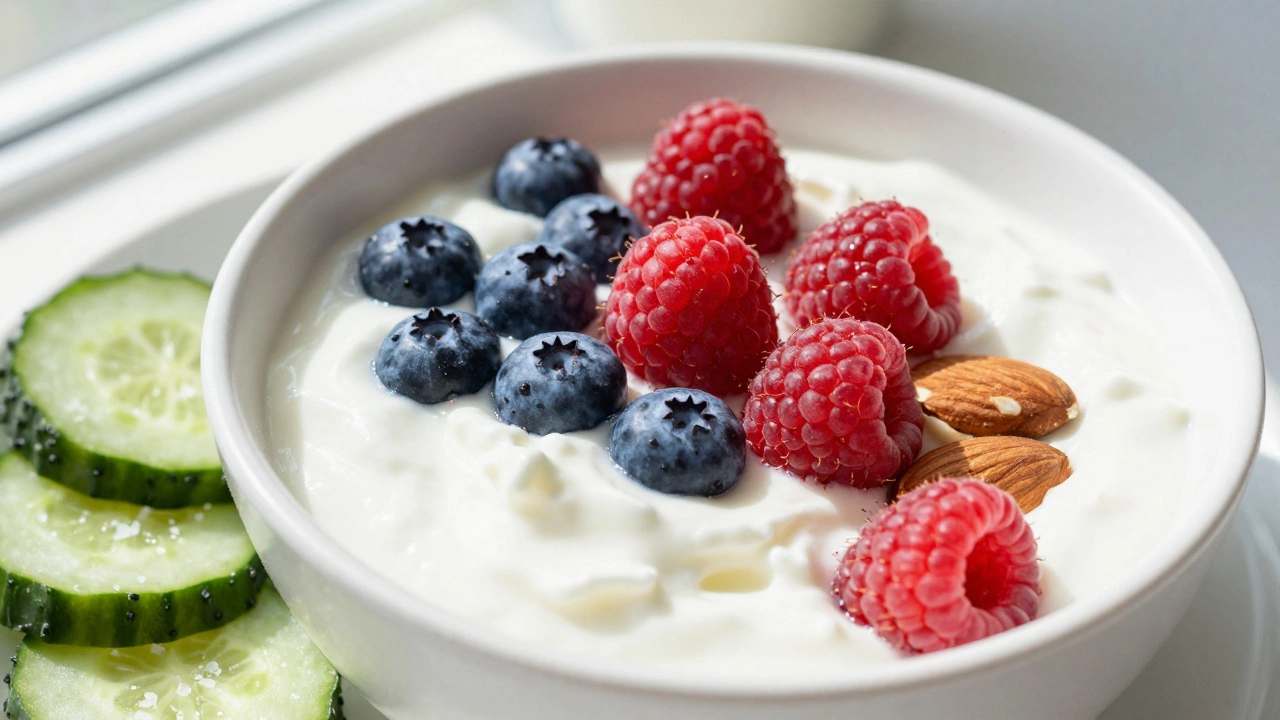
Think about Greek Yogurt. It's packed with protein and probiotics. If you're craving something sweet, a bowl of Greek yogurt with a few berries mimics the texture of a dessert but keeps your insulin levels stable.
Other powerhouses include eggs, grilled chicken, or tofu. If you're at work and feel a mid-afternoon slump, a hard-boiled egg or a handful of almonds is far more effective than a granola bar. The protein slows down the absorption of sugar in your bloodstream, meaning you won't have that shaky, "I need sugar now" feeling an hour later.
Healthy Fats for Long-Term Satiety
Fats are the secret weapon for that "full" feeling. When you eat healthy fats, your body releases hormones that tell your brain you've had enough. This is why a handful of nuts is often more satisfying than a plate of crackers.
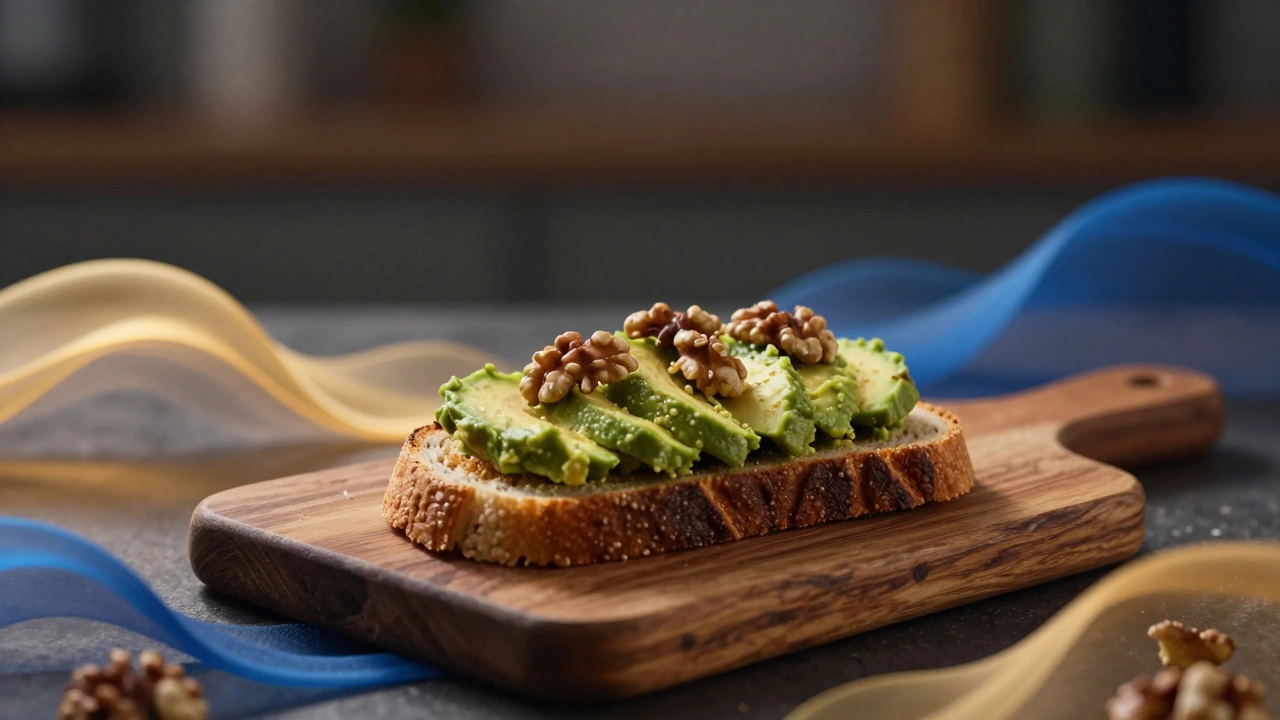
Avocado is a perfect example. It provides monounsaturated fats and fiber. Spreading avocado on whole-grain toast satisfies the need for something creamy and salty while providing lasting energy.
Another great option is Walnuts. They are rich in omega-3 fatty acids, which help regulate brain function and mood. If you find yourself stress-eating, the healthy fats in walnuts can actually help stabilize your mood, making the craving less intense.
Managing the Sugar Rollercoaster
Sugar cravings are the hardest to beat because they create a loop. You eat sugar, your Insulin spikes to move that sugar into your cells, and then your blood sugar crashes. This crash triggers the next craving.
To break this, you need complex carbohydrates. These are foods that take longer to digest, providing a slow, steady drip of energy. Oats are a gold standard here. A bowl of oatmeal with cinnamon helps regulate blood sugar. Cinnamon, specifically, has been shown in various nutritional studies to improve insulin sensitivity, which means your body handles sugar better.
Berries are another great pivot. If you need chocolate, try raspberries. They provide a hit of sweetness and fiber, which prevents the insulin spike that leads to a later crash.
The Role of Minerals and Micronutrients
Sometimes a craving is a literal cry for a mineral. If you're craving chocolate, you might actually be low on magnesium. Instead of a candy bar, try Dark Chocolate (at least 70% cocoa) or pumpkin seeds.
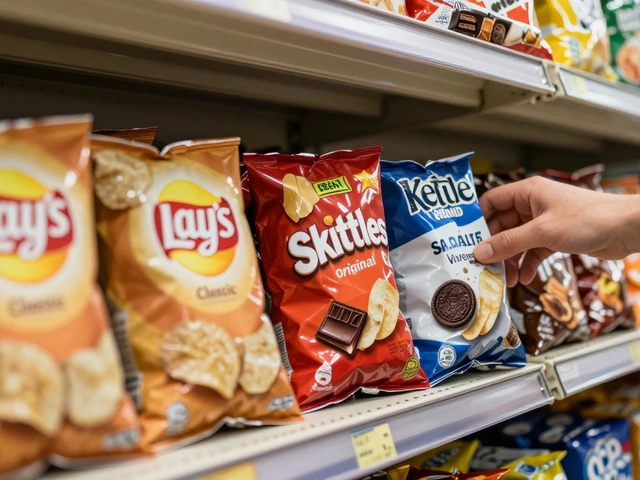
Salt cravings often point to a need for electrolytes or a sign of dehydration. Instead of processed potato chips, try lightly salted almonds or a piece of cucumber with a pinch of sea salt. This satisfies the taste buds without overloading your system with inflammatory seed oils found in most bagged snacks.
| The Craving | The "Trigger" | The Calm-Down Food | Why it Works |
|---|---|---|---|
| Sweets/Candy | Blood sugar drop | Blueberries or Apple slices | Fiber slows sugar absorption |
| Salty Chips | Dehydration/Sodium need | Salted Almonds or Celery | Healthy fats + minerals |
| Chocolate | Magnesium deficiency | Dark Chocolate (85%) | High magnesium, lower sugar |
| Bread/Pasta | Quick energy need | Quinoa or Roasted Chickpeas | Complex carbs + protein |
Hydration and the "False Hunger" Effect
It sounds like a cliché, but your brain often confuses thirst with hunger. This is because the hypothalamus, the part of the brain that regulates both, is located in the same area. When you're slightly dehydrated, your brain might tell you that you're hungry for something salty or sweet just to get you to consume liquids (which are often in those foods).
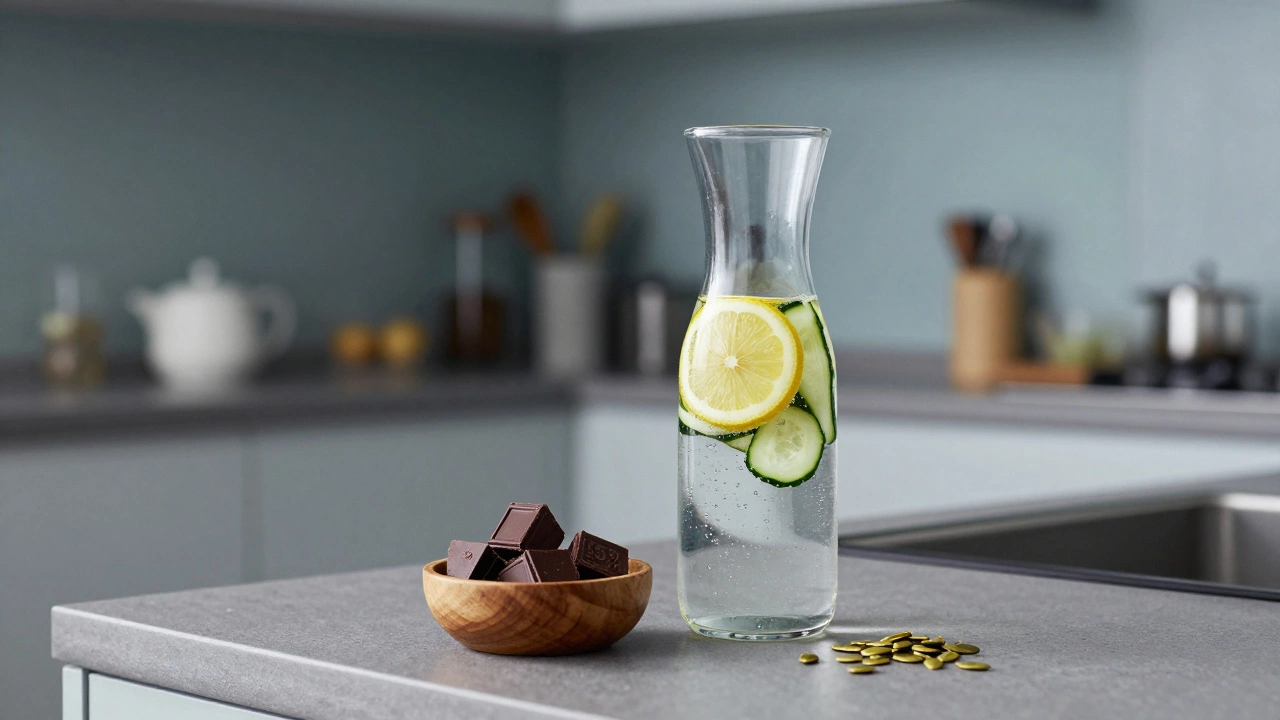
Next time a craving hits, drink a full glass of water and wait ten minutes. If the craving vanishes, you were just thirsty. If it's still there, reach for the protein or healthy fats mentioned above. Adding a slice of lemon or cucumber to your water can also satisfy the "flavor" craving without adding calories.
How to Build a "Craving-Proof" Day
You can actually prevent cravings before they start by structuring your meals. The goal is to keep your blood sugar as a flat line rather than a mountain range.
Start your morning with a savory breakfast. Instead of a bagel or sugary cereal, try eggs with spinach and avocado. This sets a metabolic tone for the day, preventing the mid-morning sugar crash.
For lunch, focus on a "power bowl": a base of greens, a palm-sized portion of protein (like salmon or tofu), and a healthy fat (like olive oil or seeds). This combination ensures you aren't hitting the vending machine by 3 PM.
Finally, keep "emergency" snacks visible. If you have to hunt for a healthy snack while you're already craving, you're more likely to grab the easiest, least healthy option. Keep a bowl of nuts or pre-cut carrots and hummus on the counter.
Why do I crave sugar specifically at night?
Nighttime cravings are often caused by "undereating" during the day. If you didn't eat enough protein or calories during lunch and dinner, your brain triggers a hunger alarm as you wind down. Additionally, cortisol levels can drop at night, making you feel a need for a quick energy boost. Try a small protein-rich snack, like a piece of cheese or a few walnuts, an hour before bed.
Can stress actually create food cravings?
Yes, absolutely. Stress triggers the release of cortisol, which can increase your appetite and specifically drive you toward "comfort foods" high in fat and sugar. This is a biological survival mechanism. To counter this, try focusing on foods rich in magnesium and omega-3s, which help soothe the nervous system.
Does drinking coffee make cravings worse?
For some people, yes. Caffeine can mask hunger for a few hours, but as it wears off, it can lead to a blood sugar dip. If you drink your coffee with lots of sugar and cream, you're essentially starting a sugar-crash cycle early in the morning. Try switching to black coffee or adding a splash of unsweetened almond milk to keep things stable.
How long does it take for a craving to go away?
Most intense cravings peak and fade within 15 to 30 minutes. This is why the "wait and hydrate" method works. If you can distract yourself or drink water for a short window, the hormonal surge that created the craving usually subsides.
Are fruit cravings a sign of something?
Cravings for fruit often mean your body needs quick energy or specific vitamins. However, if you're craving fruit constantly, it might be a sign that you aren't eating enough complex carbs or fats to sustain your energy throughout the day.



Write a comment