Vegan Bread Ingredient Checker
Select the ingredients you see on the bread label to check if it's vegan.
Common Bread Ingredients:
Quick Tip:
Always look for "hidden" names. For example, Casein is a milk protein, and L-Cysteine can sometimes be animal-derived. When in doubt, look for a certified vegan label!
Quick Takeaways
- Sourdough and Baguettes: Usually the safest and tastiest bet for vegans.
- Hidden Traps: Watch out for milk powder, honey, butter, and L-cysteine.
- Nutritional Value: Sprouted grain and rye breads offer the most punch in terms of vitamins.
- Best For Toast: Thick-cut sourdough or hearty multigrain.
The Heavy Hitters: Best Types of Vegan Bread
If you're looking for the best bread for vegans, you have to start with the classics. Not all bread is created equal, and depending on whether you're making a sandwich or a fancy dinner side, your choice will change.
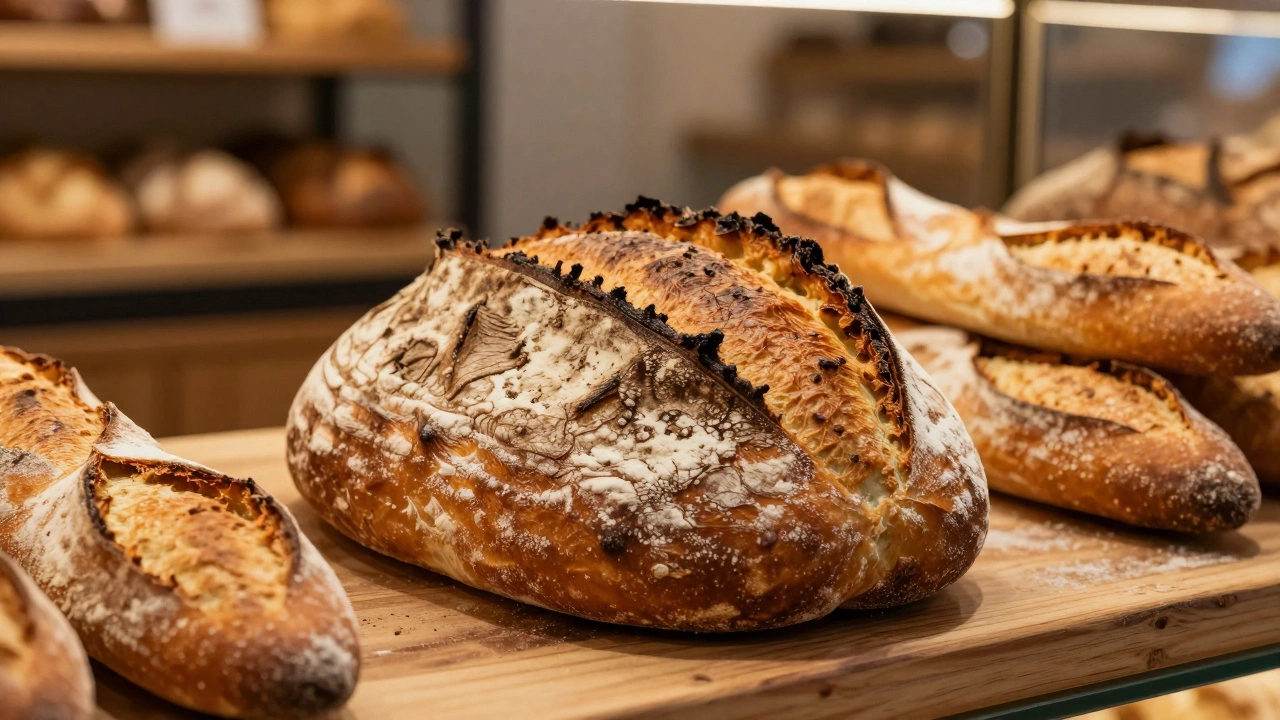
Sourdough is a traditional bread made through the fermentation of dough using naturally occurring lactobacilli and yeast. Because it relies on a "starter" (just flour and water), it's almost always vegan. It has a distinct tang and a chewy crust that makes it perfect for avocado toast or dipping into olive oil. Plus, the fermentation process breaks down gluten, making it easier on your stomach than a standard white loaf.
Baguettes, the iconic French loaves, are typically just flour, water, salt, and yeast. They provide that satisfying crunch and a light interior. Just be careful with "specialty" baguettes that might be brushed with butter for a softer crust.
For those who want something more filling, Rye Bread is a powerhouse. Common in Northern Europe, it's denser and darker. It's naturally vegan in its pure form and packed with fiber, which keeps you full much longer than a white slice would. Pair this with some hummus and cucumber for a quick, protein-heavy lunch.
The "Hidden" Ingredients: What to Avoid
Reading labels is a skill. Many breads use animal products not for flavor, but for texture or shelf-life. If you see these on a label, put the loaf back.
- Milk Powder or Whey: Often added to sandwich bread to make it softer and last longer in the bag.
- Honey: Common in "Honey Wheat" or "Multigrain" varieties. While some vegans are okay with it, many avoid it for ethical reasons.
- Butter: Found in brioche and some enriched rolls. It gives a rich, cake-like flavor but is a definite no-go.
- L-Cysteine: This is a dough conditioner. While it can be synthetic, it's sometimes derived from duck feathers or human hair. Stick to organic or "clean label" brands to avoid this.
- Eggs: Rare in basic loaves but common in Challah or fancy dinner rolls.
| Bread Type | Usually Vegan? | Common Non-Vegan Culprit | Best Use Case |
|---|---|---|---|
| Sourdough | Yes | None (usually) | Toast / Gourmet Sandwiches |
| Ciabatta | Yes | Milk (rarely) | Paninis / Garlic Bread |
| Brioche | No | Butter, Eggs, Milk | French Toast (Vegan version needed) |
| Whole Wheat | Mostly | Honey, Milk powder | Daily Healthy Toast |
| Focaccia | Mostly | Honey / Milk (rarely) | Appetizers / Sides |
Best Options Based on Your Goal
Depending on what you're eating, your "best" bread changes. You wouldn't use a crusty baguette for a PB&J, right? Here is how to match the bread to the meal.
For the Ultimate Sandwich: Go for a high-quality multigrain or a vegan-certified sourdough. These provide a sturdy base that doesn't get soggy when you add condiments like vegan mayo or mustard. If you're making a burger, a vegan brioche-style bun (usually made with coconut oil or vegan butter) is the way to go to get that buttery taste without the cow.
For Health Nuts: Look into Sprouted Grain Bread (like Ezekiel bread). This is a type of bread where the grains are allowed to sprout before being milled. This increases the nutrient availability and usually results in a completely vegan product. It's a bit denser, but the nutritional profile is far superior to refined white flour.
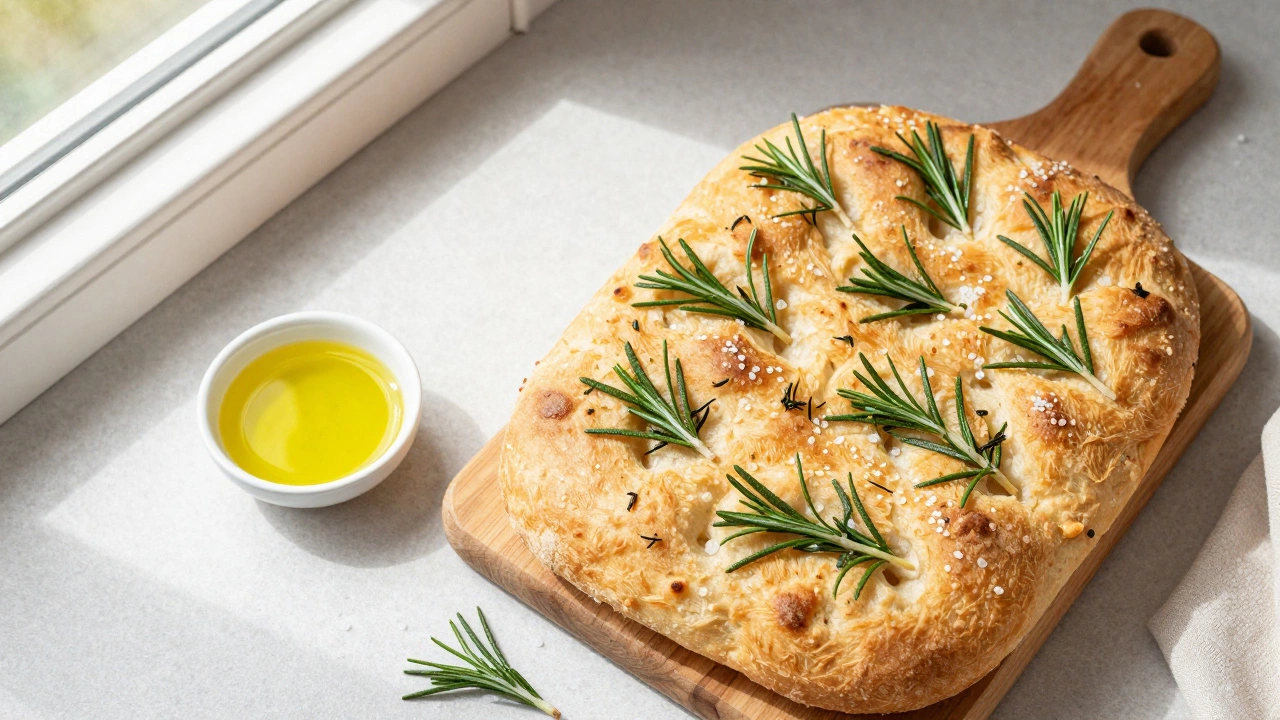
For a Fancy Dinner: A fresh focaccia topped with rosemary and sea salt is a crowd-pleaser. Most focaccia is just flour, yeast, and plenty of olive oil. It's the perfect companion for a bowl of pasta or a hearty vegetable stew.
Tips for Baking Your Own Vegan Bread
If you can't find something you like at the store, making it at home is surprisingly easy. You don't need fancy equipment-just a bowl, your hands, and some patience.
- Swap the Butter: If a recipe calls for butter, use a high-quality vegan butter or olive oil. Olive oil actually makes for a crispier crust in many cases.
- The Milk Substitute: For enriched doughs, unsweetened soy milk is the best substitute because it has a protein content similar to cow's milk, which helps the bread rise and brown properly. Avoid coconut milk unless you want a slight coconut flavor.
- Egg Replacers: For breads that need eggs for binding (like vegan challah), a "flax egg" (1 tbsp ground flaxseed meal mixed with 3 tbsp water) works wonders. Let it sit for 5 minutes until it gets gelatinous before adding it to your mix.
- Don't Over-Knead: Whether you're using a machine or your hands, stop once the dough is smooth and elastic. Over-kneading can make your vegan loaf tough.
Common Pitfalls to Avoid
One mistake a lot of new vegans make is trusting the "Whole Grain" label. Just because it's brown doesn't mean it's plant-based. Many "honey whole wheat" brands are staples in supermarkets, and they are not vegan. Always check for honey and milk solids.
Another trap is the bakery counter at the grocery store. These breads are often brushed with egg wash or butter to give them a shiny, golden look. If you're buying from a bakery, ask specifically if they use an egg wash. Most professional bakers can tell you exactly what went into the crust.
Is all sourdough bread vegan?
Almost all traditional sourdough is vegan because it only uses flour, water, and salt. However, some commercial brands add "improvers" or fats. Always check the label for milk powder or honey, but in general, it's the safest bet for vegans.
Can I use gluten-free bread as a vegan alternative?
Not necessarily. While many gluten-free breads are vegan, some rely heavily on eggs or casein (a milk protein) to mimic the structure of gluten. You have to check the ingredients list just as carefully as you would with regular bread.
What is the best vegan substitute for brioche?
For a brioche-like experience, look for "vegan butter buns" or make your own using a combination of coconut oil, soy milk, and a bit of maple syrup for that signature sweetness. Many high-end vegan bakeries now offer a coconut-oil based brioche that is nearly indistinguishable from the original.
Is rye bread always vegan?
Traditional rye is vegan, but some "seeded" rye breads use honey as a binder or sweetener. If you're buying a dense, dark pumpernickel or rye, just double-check that honey isn't listed in the ingredients.
Why do some vegan breads taste different?
Dairy and eggs provide a specific richness and "mouthfeel." Vegan breads that use oils or plant milks can sometimes be slightly denser or have a different aftertaste. This is why sourdough is so popular-it doesn't try to mimic dairy; it just tastes like great bread.
Next Steps for Bread Lovers
If you're tired of the supermarket search, the next logical step is to find a local artisanal bakery. These bakers often use simpler ingredients and are usually happy to tell you which loaves are vegan. If you're feeling adventurous, try starting your own sourdough culture. It takes about a week to get going, but there's nothing quite like the smell of a fresh, home-baked vegan loaf coming out of the oven.
For those with dietary restrictions beyond veganism, like gluten intolerance, look for brands that use a mix of almond flour and psyllium husk. These provide the structure that gluten usually offers without requiring eggs or dairy for stability.



Write a comment