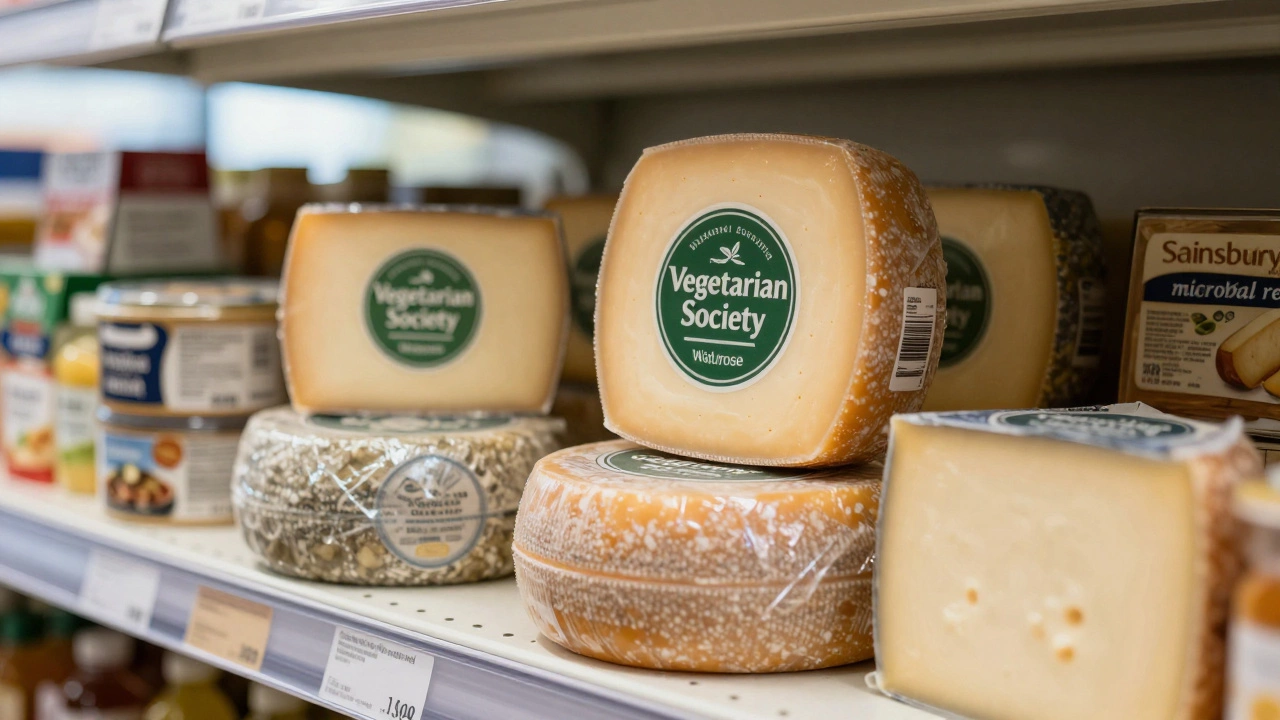
Many people start eating vegetarian because they care about animals, the environment, or their health. But right away, one question pops up: Can a vegetarian eat cheese? It seems simple, but the answer isn’t as clear-cut as you might think. Some vegetarians eat cheese without a second thought. Others avoid it completely. And some don’t even know why there’s a debate in the first place.
What Does Vegetarian Actually Mean?
Being vegetarian doesn’t mean eating only salads and tofu. It means avoiding meat, poultry, fish, and any animal flesh. That’s the baseline. But beyond that, people draw different lines. Some vegetarians eat eggs and dairy. Others don’t. And that’s where cheese gets tricky.
The real question isn’t whether cheese comes from animals-it does. Milk comes from cows, goats, or sheep. The real question is: does cheese involve killing animals? For most vegetarians, the answer is no. Since cheese doesn’t require slaughtering, it’s generally considered acceptable. But here’s the catch: not all cheese is made the same way.
Why Some Cheese Isn’t Vegetarian
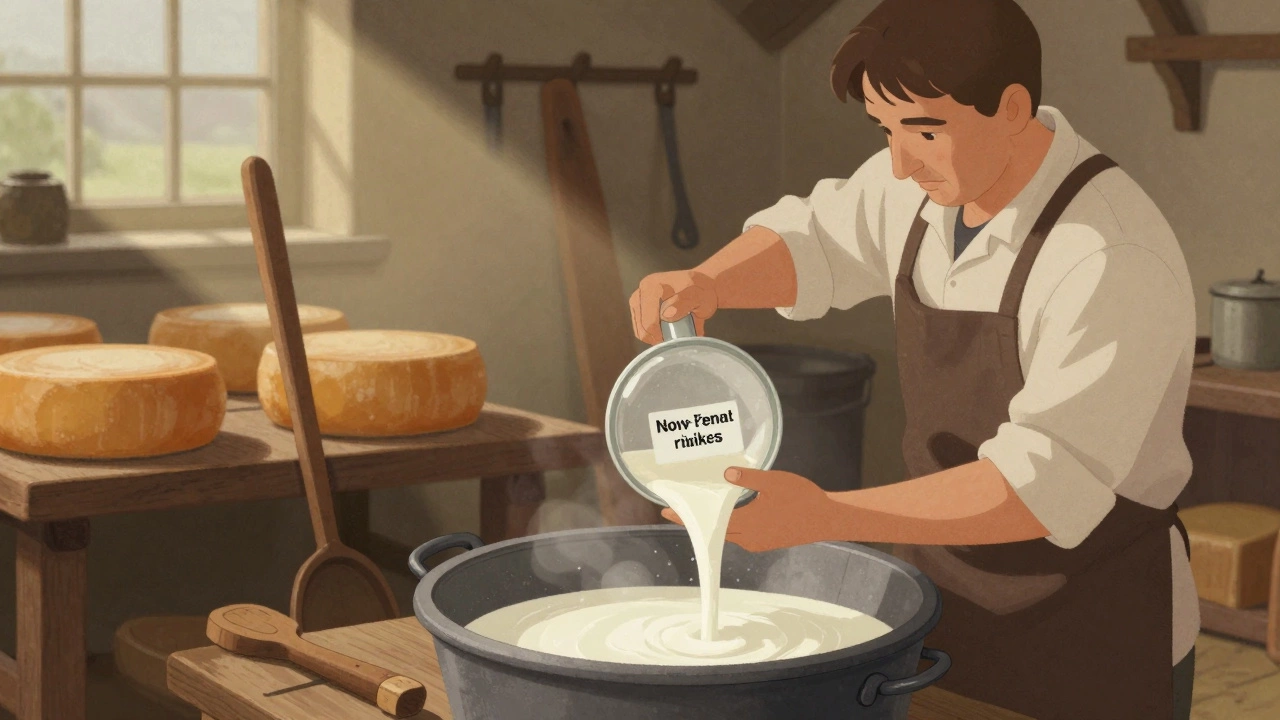
Traditional cheese uses something called rennet to turn milk into curds and whey. Rennet is an enzyme that helps coagulate milk. For centuries, it came from the stomach lining of young calves. That’s animal tissue. And if you’re trying to avoid animal slaughter, even indirectly, this matters.
Today, most cheese in supermarkets uses microbial rennet or plant-based rennet. These are made from fungi, bacteria, or plants like thistle or fig sap. They work just as well and don’t involve killing animals. But you won’t always know which kind was used. Brands rarely label it clearly.
Here’s a quick way to tell: look for the word vegetarian on the package. In the UK and EU, if a cheese is labeled vegetarian, it’s guaranteed to use non-animal rennet. In the US, it’s less regulated. If you’re unsure, check the ingredients list. If it says enzymes without specifying, it could still be animal-derived.
Common Cheeses Vegetarians Can Eat (and Which to Avoid)
Not all cheeses are created equal. Some are safe. Others are risky. Here’s a simple guide:
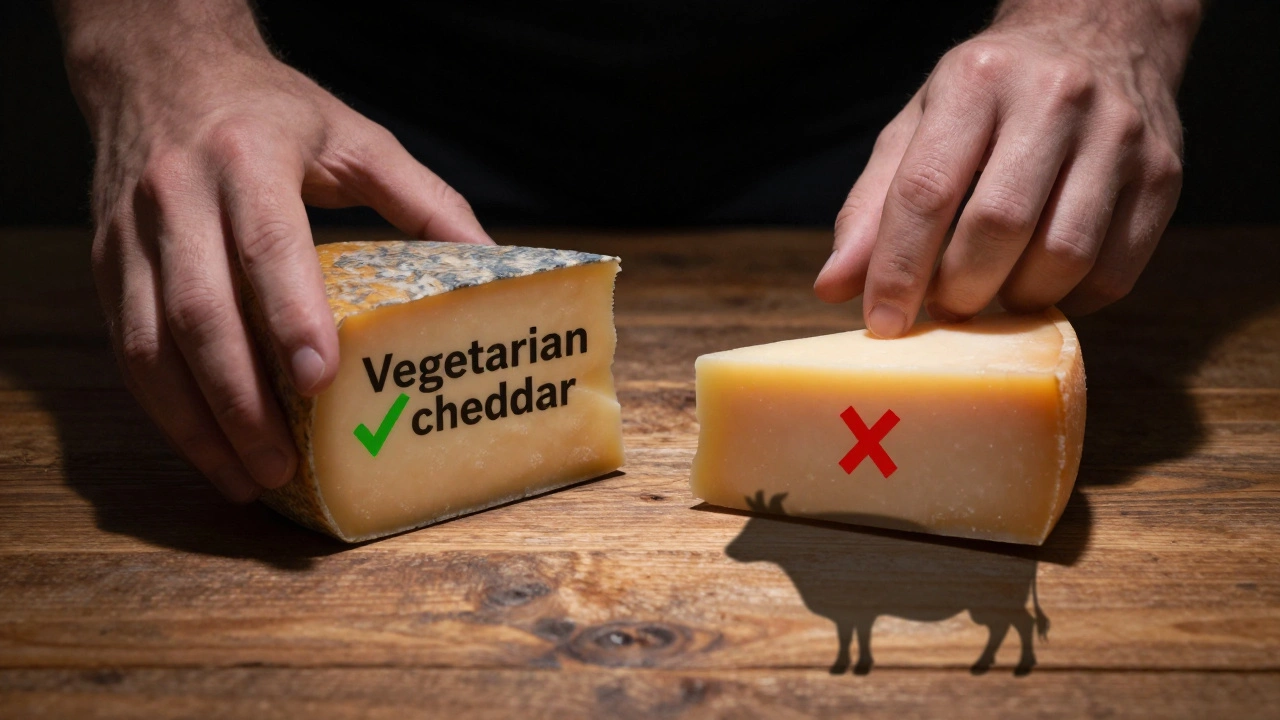
- Safe for vegetarians: Cheddar, mozzarella, cottage cheese, cream cheese, paneer, ricotta, feta (if labeled vegetarian), and most supermarket block cheeses. These almost always use microbial rennet today.
- Watch out for: Parmesan, Pecorino Romano, Grana Padano, Gorgonzola, and some artisanal or imported cheeses. These often still use traditional animal rennet. If it says made with animal rennet on the label, skip it.
- Always check: Any cheese labeled traditional, authentic, or Italian-style. These are more likely to use calf rennet.
In Brighton, I’ve noticed that most local cheese shops now carry at least one vegetarian-friendly option. Even the small dairy farms are switching over because demand is high. Ask the cheesemonger. Most will know exactly what kind of rennet they use.
What About Vegan Cheese?
If you’re wondering whether vegan cheese counts as vegetarian, the answer is yes-but it’s not the same thing. Vegan cheese is made from nuts, soy, coconut oil, or tapioca starch. It’s dairy-free, so it’s safe for vegans and vegetarians alike. But if you’re fine with dairy, there’s no need to switch unless you’re avoiding lactose, cholesterol, or animal products entirely.
Some vegetarians avoid vegan cheese because they enjoy the taste and texture of real dairy. Others switch because they feel it’s more ethical. Neither is wrong. It’s personal.
How to Find Vegetarian Cheese in Stores
You don’t need to be a detective to find vegetarian cheese. Here’s how to do it fast:
- Look for the Vegetarian Society or Vegan Society logo on the packaging. These are trusted symbols in the UK.
- Check the ingredients list. Avoid anything that says rennet, animal enzymes, or coagulant without clarification.
- When in doubt, pick a brand you trust. Major brands like Sainsbury’s Taste the Difference, Waitrose, Aldi’s own label, and Organic Valley (US) clearly label their vegetarian cheeses.
- Shop at health food stores or co-ops. They almost always stock vegetarian-friendly cheese.
- Use apps like HappyCow or Is It Vegetarian? to scan barcodes and check ingredients on the spot.
Don’t stress over every slice. Most cheese you buy in a regular supermarket is fine. The big brands switched to microbial rennet years ago to cut costs and meet demand. You’re more likely to run into animal rennet in specialty shops or imported cheeses.
Why This Matters Beyond Cheese
Understanding cheese isn’t just about one food. It’s about learning how to read labels, ask questions, and make choices that match your values. Once you know how to spot animal rennet, you’ll start noticing it in other foods too-like yogurt, butter, and even some breads that use dairy-based enzymes.
It also helps you talk to others. If a friend asks, “Can vegetarians really eat cheese?” you’ll be able to explain it clearly. You’ll know the difference between dairy and meat, and why some people draw the line where they do.
What About Lactose or Health?
Some vegetarians avoid cheese not because of rennet, but because of lactose intolerance or cholesterol concerns. That’s a different issue. If you’re avoiding dairy for health reasons, you can still be vegetarian-just skip cheese and use plant-based alternatives. Being vegetarian doesn’t require you to eat dairy. It just means you don’t eat animals.
Many vegetarians eat cheese because it’s a good source of protein, calcium, and vitamin B12. But you can get those nutrients from fortified plant milks, tofu, lentils, and supplements. Cheese isn’t essential. It’s a choice.
Bottom Line: Yes, Most Vegetarians Eat Cheese
So, can a vegetarian eat cheese? The short answer: yes, most do. But not all cheese is vegetarian. Always check the label. When in doubt, pick a brand that says vegetarian on it. You’ll be safe, informed, and still enjoy your favorite pasta with melted mozzarella or a grilled cheese sandwich.
There’s no single right way to be vegetarian. Some people avoid honey. Others eat eggs. Some skip cheese. Others don’t. What matters is that your choices match your values-not someone else’s rules.
If you’re new to vegetarianism, start simple. Buy cheese labeled vegetarian. Try one new recipe a week. Explore different flavors. You don’t need to get it perfect on day one. You just need to keep learning.
Is all cheese vegetarian?
No, not all cheese is vegetarian. Traditional cheeses like Parmesan, Pecorino Romano, and some aged Italian cheeses often use rennet made from calf stomachs. Many modern cheeses use microbial or plant-based rennet, which is vegetarian-friendly. Always check the label for the word "vegetarian" or look for the type of rennet listed in ingredients.
Can vegetarians eat mozzarella?
Yes, most mozzarella is vegetarian. It’s usually made with microbial rennet, especially in supermarkets and mass-produced versions. If you’re buying from a small Italian deli or imported brand, ask if it’s made with animal rennet. For peace of mind, choose brands that clearly label their cheese as vegetarian.
What’s the difference between vegetarian and vegan cheese?
Vegetarian cheese is made from animal milk but uses non-animal rennet. Vegan cheese is made entirely from plants-like cashews, soy, or coconut-and contains no dairy at all. Vegetarians can eat both. Vegans only eat vegan cheese. If you’re avoiding animal products entirely, go vegan. If you’re okay with dairy, vegetarian cheese is fine.
Does cheese have meat in it?
No, cheese does not contain meat. But it can contain animal-derived enzymes (rennet) from calf stomachs. While that’s not meat, some vegetarians avoid it because it comes from an animal that was slaughtered. That’s why it’s important to look for vegetarian-labeled cheese if you want to avoid all animal byproducts from slaughter.
Can I eat cheese if I’m vegetarian but lactose intolerant?
Yes, you can still be vegetarian and avoid lactose. Many hard cheeses like cheddar and parmesan have very low lactose levels because most of it drains away during aging. You can also choose lactose-free dairy cheeses or plant-based vegan cheeses. Being vegetarian doesn’t mean you have to eat dairy-it just means you don’t eat animals.




Write a comment