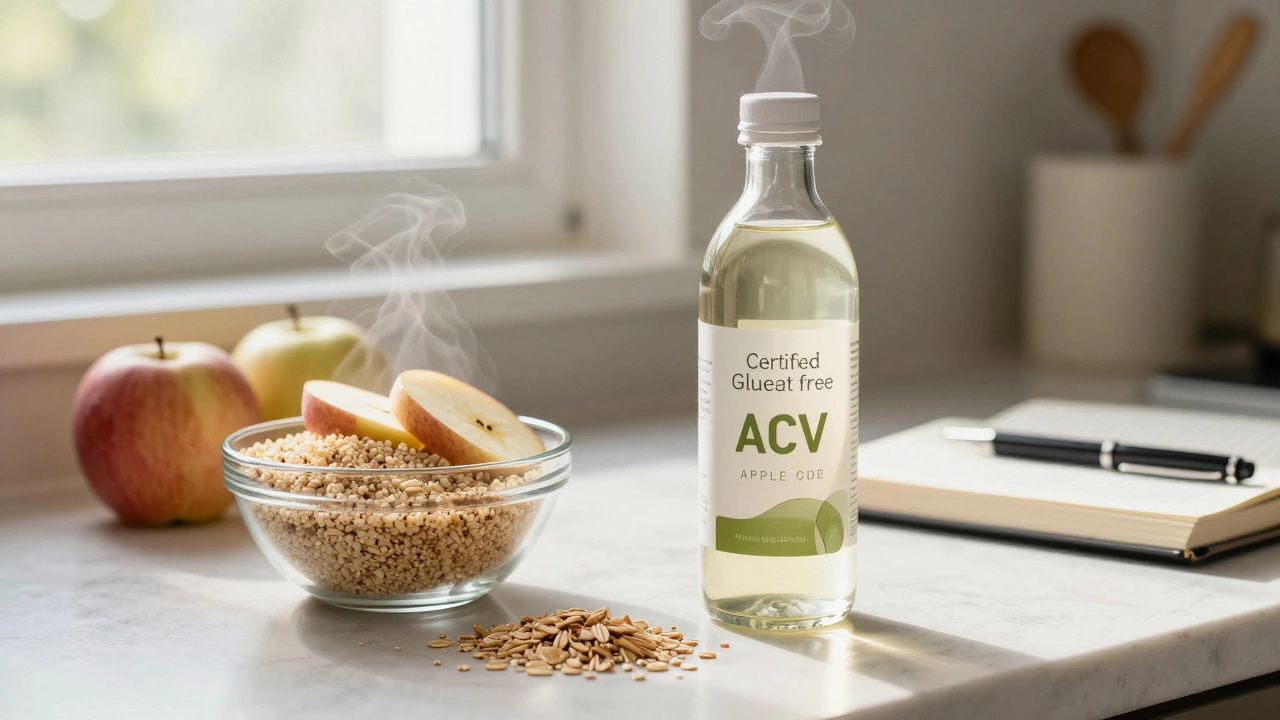
If you’re managing gluten intolerance, you’ve probably tried every trick in the book to ease bloating, gas, and stomach pain after eating. One home remedy that keeps popping up is apple cider vinegar. People swear it helps. But does it actually do anything for gluten intolerance? Or is it just another wellness myth?
What Gluten Intolerance Really Means
Gluten intolerance isn’t one thing. It includes celiac disease, non-celiac gluten sensitivity, and wheat allergies. Celiac disease is an autoimmune disorder where gluten damages the small intestine. Non-celiac gluten sensitivity causes similar symptoms-bloating, fatigue, brain fog-but without the immune system attacking your gut lining. Wheat allergies trigger histamine reactions, like hives or breathing trouble.
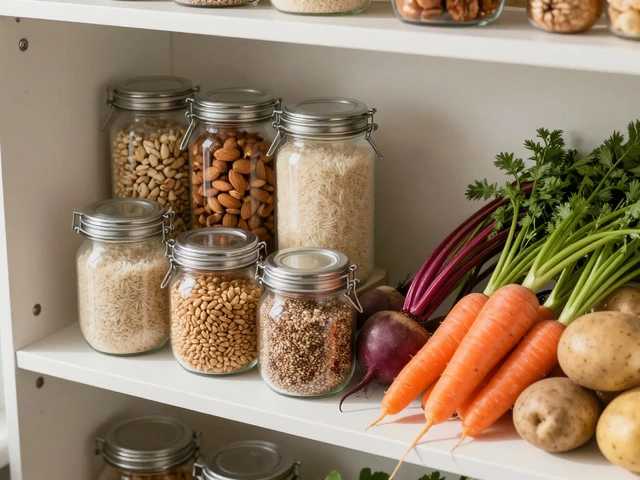
There’s no cure. The only proven treatment? Strictly avoiding gluten. That means reading labels, watching for cross-contamination, and sticking to naturally gluten-free foods like rice, quinoa, and vegetables. No amount of vinegar, probiotics, or supplements will undo the damage gluten does in someone with celiac disease.
Why People Think Apple Cider Vinegar Helps
Apple cider vinegar (ACV) has been used for centuries as a digestive aid. It’s acidic, and some people believe that helps stimulate stomach acid production. Low stomach acid, or hypochlorhydria, can make digestion harder-and that’s something many with gluten sensitivity report. When food doesn’t break down well, it ferments in the gut, causing bloating and discomfort.
ACV also contains acetic acid, which may help balance gut bacteria. A 2021 study in the Journal of Clinical Gastroenterology found that people with functional digestive disorders often have altered gut microbiomes. While that study didn’t look at gluten intolerance specifically, it did show that some people felt less bloating after using diluted ACV daily.
So the theory goes: if your digestion is sluggish, ACV might help. But that’s not the same as neutralizing gluten or repairing intestinal damage.
What Apple Cider Vinegar Can’t Do
Here’s the hard truth: apple cider vinegar does not break down gluten proteins. Gluten is made of gliadin and glutenin-complex proteins that survive stomach acid, digestive enzymes, and even vinegar. No amount of ACV will turn those proteins into harmless substances.
If you accidentally eat gluten and take ACV afterward, you’re not preventing inflammation or healing your gut. You’re just drinking vinegar. The damage from gluten exposure in celiac disease happens within hours. By the time you feel bloated, the immune response is already underway.
Some brands of ACV are made from apples fermented in barrels that also held gluten-containing grains. While most commercial ACV is safe, homemade versions or those from small producers might carry trace gluten. If you have celiac disease, always check for certified gluten-free labeling.

How to Use Apple Cider Vinegar Safely
Even if ACV won’t fix gluten intolerance, it might help with general digestion-if you use it right.
- Dilute 1-2 tablespoons in a glass of water before meals. Never drink it straight-it erodes tooth enamel and irritates your throat.
- Use raw, unfiltered ACV with the "mother"-it contains beneficial bacteria and enzymes.
- Drink it 15-20 minutes before eating to support stomach acid production.
- Stop if you feel heartburn, nausea, or increased bloating. It doesn’t work for everyone.
Many people with gluten sensitivity also have low stomach acid. If you’re taking antacids or proton pump inhibitors (like omeprazole), ACV might actually help your digestion. But talk to your doctor first-especially if you have GERD or ulcers.
What Actually Helps with Gluten Intolerance
Forget quick fixes. Real relief comes from these proven steps:
- Stick to whole, unprocessed foods. Packaged "gluten-free" snacks often have added sugar, fat, and fillers that worsen bloating.
- Keep a food journal. Track what you eat and how you feel. You might be reacting to FODMAPs, not gluten.
- Try a low-FODMAP diet. Many people with gluten sensitivity also react to onions, garlic, beans, and apples-all common in gluten-free breads and snacks.
- Take a high-quality probiotic. A 2020 review in Nutrients found that specific strains like Bifidobacterium infantis reduced gut inflammation in people with non-celiac gluten sensitivity.
- Consider digestive enzymes. Look for ones containing DPP-IV, an enzyme that helps break down gluten peptides. It won’t protect you from a slice of bread, but it might help with tiny cross-contamination.
Real-Life Example: Sarah’s Story
Sarah, 34, from Brighton, was diagnosed with non-celiac gluten sensitivity in 2023. She avoided bread and pasta but still felt tired and bloated. She tried ACV for two weeks-1 tbsp in warm water before breakfast. She noticed her morning bloating improved slightly. But her afternoon fatigue didn’t change.
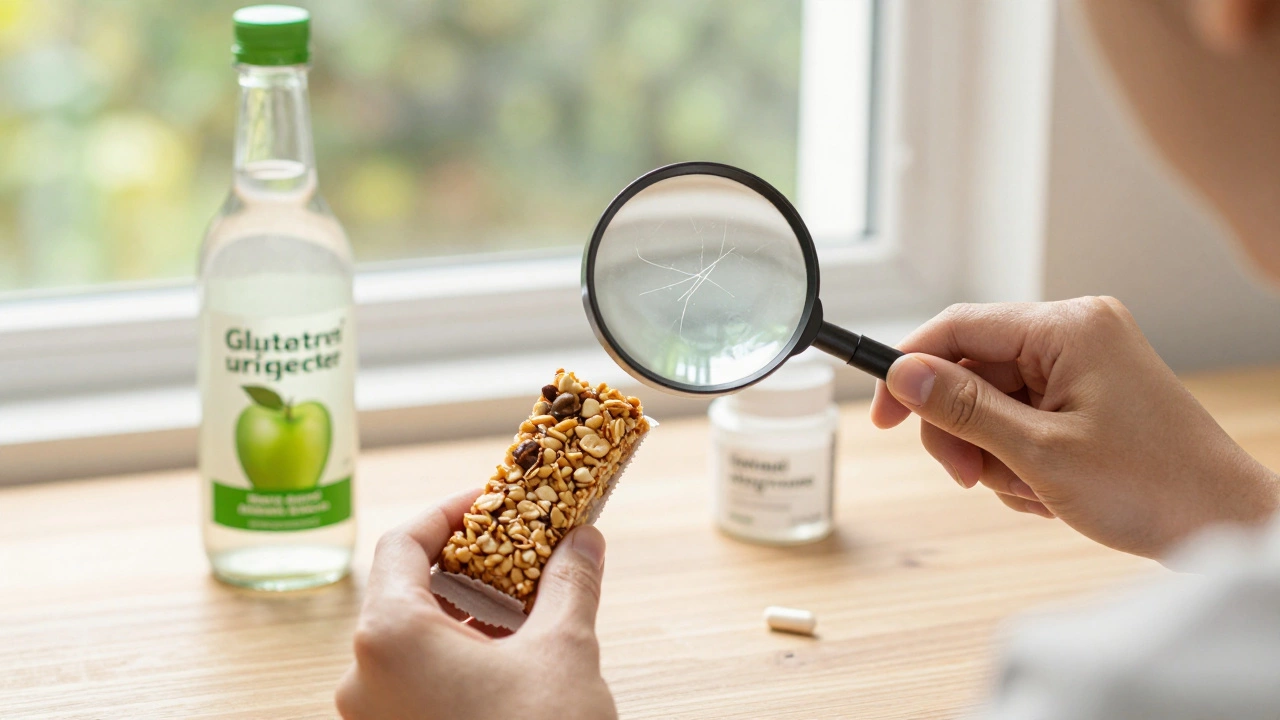
Then she started tracking her meals. Turns out, her gluten-free granola bars had inulin-a fiber that causes gas in sensitive guts. She switched to plain oats and fresh fruit. Within a week, her energy came back.
"ACV helped a little," she says, "but the real fix was figuring out what else was upsetting my gut."
Final Verdict: Helpful? Maybe. A Solution? No.
Apple cider vinegar isn’t a magic bullet for gluten intolerance. It won’t stop gluten from hurting your gut. But if you struggle with general digestion-slow stomach emptying, low acid, or bloating-it might offer mild relief when used correctly.
Don’t use it as a shield against gluten. Use it as a supportive tool alongside a clean, whole-food gluten-free diet. And always, always double-check that your ACV is certified gluten-free if you have celiac disease.
For real, lasting relief? Focus on what science backs: eliminating gluten, healing your gut with real food, and addressing other food sensitivities. ACV might be a side note in your journey-but it’s not the main character.
Can apple cider vinegar cure celiac disease?
No. Celiac disease is an autoimmune condition that requires lifelong avoidance of gluten. Apple cider vinegar cannot repair intestinal damage or stop the immune system from attacking the gut lining. There is no cure other than a strict gluten-free diet.
Does apple cider vinegar break down gluten?
No. Gluten proteins are very stable and resist breakdown by stomach acid, digestive enzymes, and vinegar. ACV does not neutralize or destroy gluten. If you consume gluten, even a small amount, it can still trigger symptoms in sensitive individuals.
Is apple cider vinegar gluten-free?
Most commercial apple cider vinegar is naturally gluten-free because it’s made from apples. However, some brands may use equipment that also processes gluten-containing grains. Always choose products labeled "certified gluten-free," especially if you have celiac disease.
Can I use apple cider vinegar instead of gluten-free flour?
No. Apple cider vinegar is a liquid condiment, not a flour substitute. It can be used in baking to activate baking soda or add tang, but it cannot replace gluten-free flours like rice flour, almond flour, or tapioca starch in recipes.
How long does it take to feel better after going gluten-free?
Most people notice less bloating and fatigue within a few days to two weeks. But full healing of the gut lining can take months to years, especially in adults with long-standing celiac disease. Consistency is key-even small amounts of gluten can delay recovery.





Write a comment