Vegan Coffee Compatibility Checker
Select the options that match your morning cup. The tool will analyze potential non-vegan ingredients like bone-char filtered sugar, dairy derivatives, and specific additives.
Analyzing...
CheckingThere is a persistent myth floating around social media that coffee is not vegan. You might have seen posts claiming that because bees pollinate coffee flowers, or because some farms use bone char in processing, your morning cup is technically animal-derived. It sounds plausible if you don't know the details, but it’s largely fear-mongering. The short answer is yes, vegans can absolutely drink coffee. In fact, black coffee is one of the most strictly plant-based beverages you can consume.
However, the reality gets a bit more complicated once you start adding things to your brew. For many people, coffee isn’t just about the bean; it’s about the ritual, the creaminess, and the sweetness. This is where the vegan lifestyle intersects with culinary choices. If you are new to plant-based eating or just curious about keeping your caffeine habit cruelty-free, understanding what goes into your mug is essential. Let's break down the beans, the brewing methods, and the additives to ensure your daily fix aligns with your values.
The Bean Itself: Is Coffee Naturally Vegan?
At its core, coffee comes from the seed of the coffee cherry, which grows on tropical evergreen shrubs in the Coffea genus. These seeds are harvested, processed, roasted, and ground. None of these steps inherently require animal products. When you brew water through ground beans, you are extracting flavor compounds from a plant. That is as pure as it gets.
So why the confusion? Two main factors often cloud the issue: pollination and filtration.
First, let's talk about bees. Coffee plants do rely on pollinators, primarily bees, to produce fruit. Some strict vegans argue that supporting beekeeping (apiculture) exploits animals. However, this argument extends to almost every flowering crop we eat, including almonds, apples, and avocados. Most ethical vegans distinguish between direct exploitation for food (like dairy or eggs) and ecological symbiosis. Unless you are following an extremely niche "bee-free" diet, standard coffee is considered vegan-friendly regarding its agricultural origins.
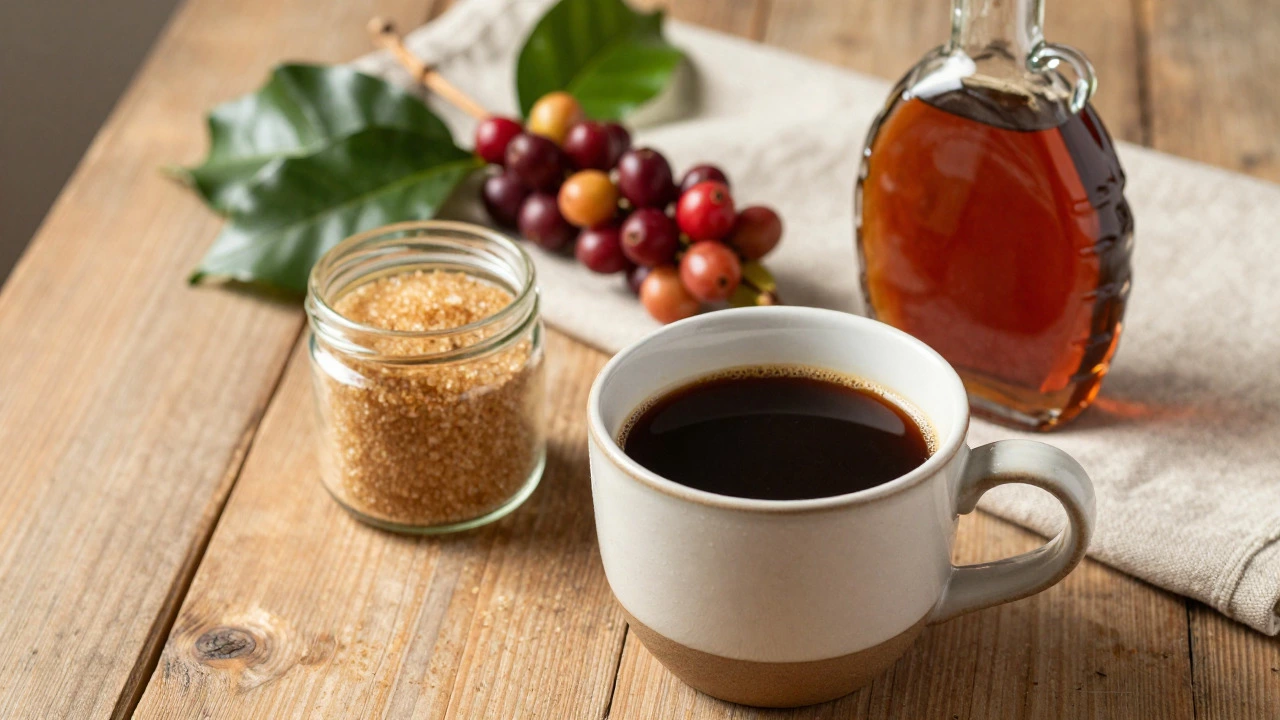
Second, there is the issue of bone char. Bone char, made from charred cattle bones, is sometimes used as a filter to bleach white sugar. If your coffee is sweetened with non-organic white sugar, you might be indirectly consuming animal byproducts. But this applies to the sugar, not the coffee itself. To stay strictly vegan, simply choose organic sugar, coconut sugar, or maple syrup, which are never filtered through bone char.
Brewing Methods and Hidden Animal Products
How you brew your coffee matters less than what you add to it, but there are still a few traps to avoid. Traditional drip coffee makers, French presses, and pour-over cones are perfectly safe. They use paper filters or metal mesh, neither of which involves animals.
However, some specialty brewing methods or pre-made products might hide non-vegan ingredients. For example, certain instant coffee mixes or flavored coffee pods may contain whey, casein, or gelatin as stabilizers or flavor carriers. Always check the label on packaged coffee drinks. Look for terms like "milk solids," "cream powder," or "natural flavors" derived from dairy.
If you are using a commercial espresso machine at a cafe, cross-contamination is a minor concern for some. Machines that steam both dairy and plant milks need thorough cleaning. While this doesn't make the coffee non-vegan in a philosophical sense, it might matter if you have severe allergies or follow a strict purity standard. A quick rinse cycle usually solves this.
Navigating Creamers and Milks
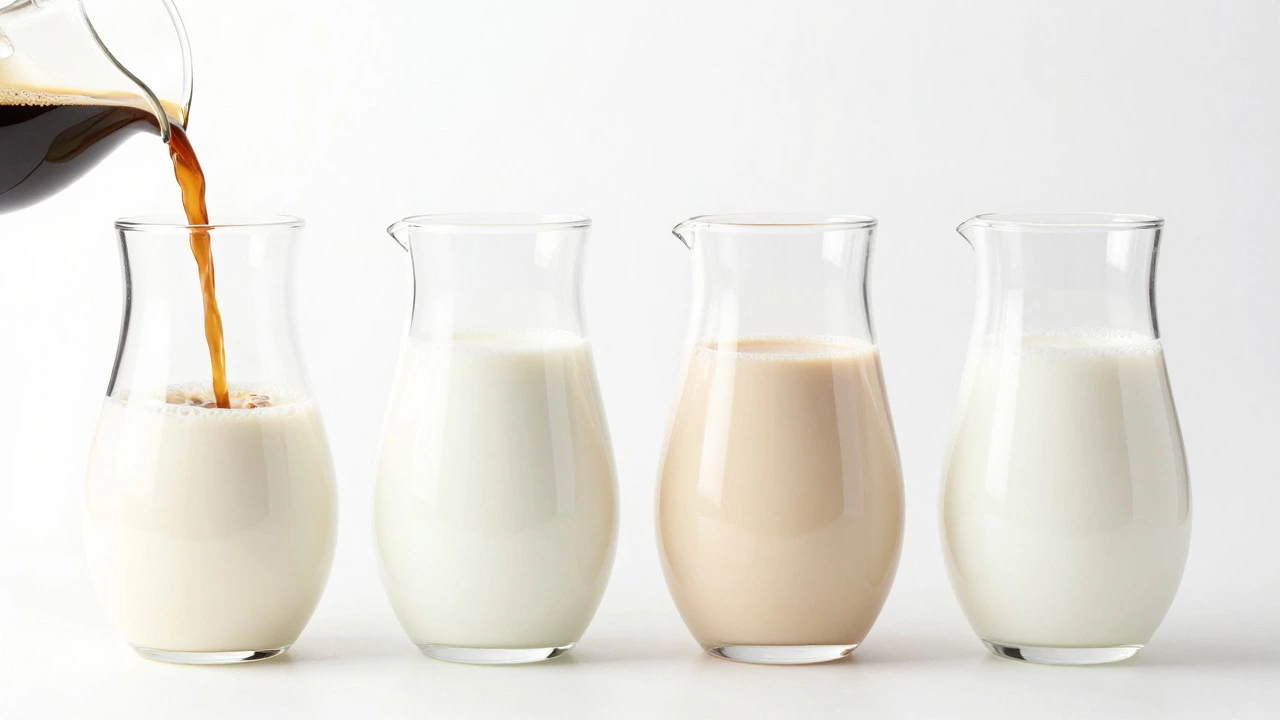
This is where most vegans stumble. The average American puts milk in their coffee, and traditional cow's milk is obviously out. But the good news is that the market for plant-based milk has exploded in recent years. You have plenty of delicious, creamy alternatives that enhance your coffee without compromising your ethics.
Here is how the major contenders stack up:
- Oat Milk: Currently the gold standard for coffee. Oat milk steams beautifully, creating microfoam similar to dairy. It has a neutral, slightly sweet taste that pairs well with dark roasts. Brands like Oatly or Califia Farms are formulated specifically for barista use, meaning they resist curdling in hot acid.
- Almond Milk: Light and nutty. It’s lower in calories but can separate or curdle if the coffee is very acidic or hot. Choose a "barista edition" for better texture.
- Soy Milk: The original alternative. High in protein, which helps it foam well. However, some people detect a beany aftertaste that clashes with delicate light roasts.
- Coconut Milk: Adds a distinct tropical flavor. Full-fat coconut milk is incredibly rich, while canned coconut cream makes a luxurious, decadent treat. Be aware that it will change the flavor profile of your coffee significantly.
- Cashew Milk: Creamy and mild, though less common. It blends well but lacks the structural integrity for latte art compared to oat or soy.
| Type | Texture/Foam | Flavor Profile | Best For |
|---|---|---|---|
| Oat Milk | Excellent | Neutral, slightly sweet | Lattes, Cappuccinos, Daily Black Coffee |
| Almond Milk | Moderate | Nutty, light | Black coffee with a splash, Iced Coffee |
| Soy Milk | Good | Beany, savory undertones | Strong roasts, Espresso shots |
| Coconut Milk | Rich/Creamy | Tropical, distinct | Keto diets, Specialty drinks |
Sweeteners: Keeping It Cruelty-Free
If you take your coffee sweet, you need to be vigilant. As mentioned earlier, refined white sugar is the biggest culprit. Here are safe, vegan-friendly options:
- Organic Cane Sugar: Certified organic sugars are required by law (in the US and EU) to be free from bone char filtering.
- Maple Syrup: Pure maple syrup adds a deep, woody sweetness that complements chocolatey notes in coffee.
- Agave Nectar: A low-glycemic option that dissolves easily in cold brew.
- Stevia or Monk Fruit: Zero-calorie natural sweeteners that don’t spike blood sugar.
- Raw Honey: Wait! Honey is not vegan. Bees are animals, and harvesting honey is considered exploitative by vegan standards. Stick to plant-based syrups.
What About Flavored Syrups?
Commercial syrups like vanilla, caramel, or hazelnut can be tricky. Many mass-produced brands use artificial flavors, which are generally vegan, but some use natural flavors derived from dairy or shellfish (yes, even in coffee syrups). Additionally, some syrups contain confectioner's glaze (shellac), which is made from crushed lac bugs.
To be safe, look for brands that explicitly state "vegan" on the bottle. Monin and Torani offer specific vegan lines. Alternatively, making your own syrup at home is easy: simmer equal parts water and sugar with vanilla beans or cinnamon sticks. You control the ingredients, and it tastes fresher.
Ethical Sourcing: Beyond the Diet
Being vegan is often tied to broader ethical concerns, including environmental impact and fair labor practices. Unfortunately, the coffee industry has issues here too. Deforestation for coffee plantations destroys habitats, and farmers in developing nations often receive meager wages.
If you want your coffee to align with a holistic ethical worldview, look for certifications:
- Fair Trade: Ensures farmers get a minimum price for their crops.
- Rainforest Alliance: Focuses on sustainable farming practices that protect biodiversity.
- Direct Trade: Roasters buy directly from farmers, often paying above market rates for high-quality beans.
- Shade-Grown: Coffee grown under a canopy of trees preserves bird habitats and reduces the need for pesticides.
Buying from local roasters who are transparent about their sourcing is often the best way to ensure your money supports ethical practices. Ask them where their beans come from. If they can tell you the farm name and region, you’re likely in good hands.
Common Myths Debunked
Let’s clear up a few lingering doubts that pop up in online forums.
Myth: Coffee contains gluten.
Pure coffee is naturally gluten-free. However, if you buy flavored instant coffee or drink from a bakery that uses shared equipment, cross-contamination is possible. For celiac sufferers, stick to whole beans brewed at home.
Myth: Decaf coffee uses animal bladders.
Old decaffeination processes used chemical solvents, but modern methods include the Swiss Water Process (using only water and activated charcoal) or CO2 extraction. Neither involves animals. Check the label for "Swiss Water Processed" if you want to avoid any chemical residues, though all commercial decaf is safe.
Myth: All coffee cups are eco-friendly.
Many disposable coffee cups are lined with plastic (polyethylene) to prevent leaks, making them unrecyclable. To reduce waste, bring your own reusable mug. Not only is this better for the planet, but many cafes offer a discount for doing so.
Creating Your Perfect Vegan Coffee Routine
Transitioning to a fully vegan coffee routine doesn't mean sacrificing enjoyment. In fact, experimenting with different plant milks and syrups can open up new flavor profiles you never considered before. Start by swapping your dairy milk for oat milk. Notice how the sweetness enhances the roast. Try adding a dash of cinnamon or cardamom instead of sugar. Explore cold brew with coconut cream for a summer treat.
The key is awareness. Read labels, ask questions at cafes, and support brands that share your values. Whether you are a lifelong vegan or just trying to cut back on dairy, your morning cup can be a celebration of plant-based goodness. So go ahead, brew that pot. Just make sure the creamer in your fridge is plant-powered.
Is Starbucks coffee vegan?
Yes, Starbucks offers a wide range of vegan options. You can order any coffee drink with almond, soy, or oat milk. However, some syrups and toppings (like whipped cream or certain caramel drizzles) contain dairy. Always specify "no whip" and ask about specific syrups when ordering.
Why is some coffee not vegan?
Pure coffee beans are vegan. Non-vegan elements usually come from additives like dairy milk, honey, or sugar filtered with bone char. Some flavored coffees may also contain dairy derivatives or gelatin. Always check ingredient labels on pre-packaged mixes.
Does coffee hurt bees?
Coffee farming relies on bees for pollination, but it does not inherently harm them unless pesticides are used excessively. Shade-grown and organic coffee farms tend to support healthier bee populations. Most vegans consider coffee acceptable because it doesn't involve direct exploitation of bees for food production.
What is the best plant milk for coffee?
Oat milk is widely considered the best for coffee due to its creamy texture and ability to foam well. It has a neutral flavor that complements rather than overpowers the coffee. Soy milk is a close second for those who prefer higher protein content.
Is instant coffee vegan?
Plain instant coffee is vegan. However, many instant coffee packets contain added milk powders, creamers, or sugar. You must read the label carefully to ensure no dairy or animal-derived ingredients are included. Single-origin pure instant coffee is always safe.




Write a comment