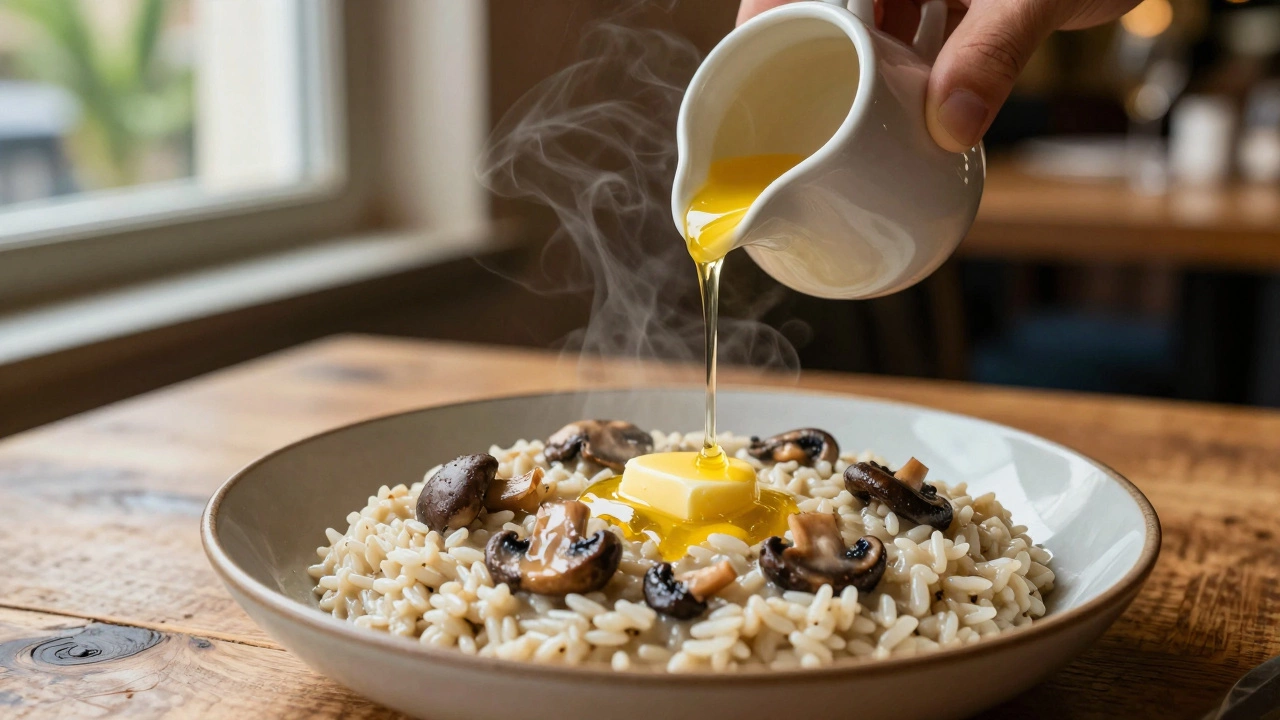
Imagine you’re sitting at a restaurant with friends. You’ve just ordered a delicious-looking mushroom risotto, but there’s one question hanging over your meal: is the butter used in the dish actually vegetarian? It sounds like a simple yes-or-no question, but for anyone navigating the world of plant-based eating, it gets surprisingly complicated. The short answer is that most vegetarians can eat butter, but not all of them do. To understand why, we need to look past the label and dig into what butter actually is, where it comes from, and how different types of vegetarians define their diets.
If you are new to vegetarianism, or if you are just curious about the rules, this guide will clear up the confusion. We’ll break down the science behind butter production, explain the different categories of vegetarians, and help you figure out which version of the diet fits your lifestyle. By the end, you’ll know exactly whether that stick of salted butter belongs on your plate or in the compost bin.
What Is Butter, Really?
To decide if butter is vegetarian, we first have to define what butter is. Butter is a dairy product made by churning fresh or fermented cream or milk. The process separates the butterfat from the buttermilk. In its simplest form, traditional butter consists of about 80% butterfat, water, and sometimes salt. It does not contain any meat, poultry, fish, or insects. From a strict ingredient list perspective, it looks perfectly safe for someone who avoids killing animals for food.
However, the definition of "vegetarian" isn't just about avoiding meat. It’s also about how much animal suffering or exploitation you are willing to participate in. This is where things get tricky. While the cow is not killed to make butter, it is certainly used. The dairy industry relies on keeping cows pregnant so they produce milk. If a cow isn’t pregnant, she doesn’t make milk. This means that every time you buy butter, you are indirectly supporting an industry that keeps animals confined and often separates calves from their mothers shortly after birth.
For many people, this ethical dilemma is the dealbreaker. For others, as long as no animal is slaughtered, dairy is fine. This distinction creates two very different camps within the vegetarian community: those who eat butter and those who don’t.
| Component | Percentage | Source |
|---|---|---|
| Butterfat | ~80% | Cow's Milk Cream |
| Water | ~16% | Milk |
| Solids (Protein/Lactose) | ~2% | Milk |
| Salt (if applicable) | ~2% | Mineral Salt |
The Spectrum of Vegetarian Diets
Not all vegetarians follow the same rules. The term "vegetarian" is an umbrella that covers several distinct dietary patterns. Understanding these differences is key to answering whether you can eat butter.
Lacto-vegetarian is the most common form of vegetarianism in Western countries. Lacto-vegetarians avoid meat, poultry, fish, and eggs, but they do consume dairy products like milk, cheese, yogurt, and yes, butter. For this group, butter is a staple. It adds richness to sauces, flavor to baked goods, and texture to vegetables. If you identify as a lacto-vegetarian, you have nothing to worry about regarding butter.
On the other end of the spectrum is the Vegan diet. Vegans exclude all animal products, including dairy, honey, and gelatin. They do this for ethical reasons (animal rights), environmental concerns (dairy farming has a high carbon footprint), or health benefits. For vegans, butter is strictly off-limits. Even though the cow isn’t killed, the exploitation involved in milking her is unacceptable to vegans. Instead, they use plant-based alternatives like coconut oil, olive oil, or specialized vegan butters made from cashews or oats.
Then there are the Ovo-vegetarians, who eat eggs but avoid dairy. They wouldn’t eat butter because it’s a dairy product, not because of the ethics of dairy farming specifically, but simply because their chosen diet excludes milk derivatives. Similarly, Pescatarians eat fish and seafood but generally avoid red meat. Most pescatarians do eat butter, as their restriction is focused on land-based meat rather than dairy.
If you are trying to figure out where you stand, ask yourself: Do I object to the industrial treatment of dairy cows? If yes, you might lean towards veganism or a dairy-free vegetarian diet. If you only object to killing animals for meat, then lacto-vegetarianism allows you to enjoy butter without guilt.
Hidden Non-Vegetarian Ingredients in Butter
Even if you are a lacto-vegetarian who is happy to eat dairy, there is one more layer to peel back. Sometimes, butter contains additives that aren’t vegetarian-friendly. The most common culprit is Rennet. Rennet is an enzyme complex used to coagulate milk proteins. While modern rennet is often microbial or genetically engineered (and thus vegetarian), traditional rennet is derived from the stomach lining of young calves. However, rennet is primarily used in cheese making, not butter making. Pure butter rarely contains rennet.
A bigger concern for vegetarians is Lecithin. Some commercial butters, especially whipped butters or spreads, add lecithin as an emulsifier to keep the texture smooth. Lecithin can be derived from soy (vegetarian) or eggs (ovo-vegetarian). If you are a strict lacto-vegetarian who avoids eggs, you need to check the label. Another additive to watch out for is Anchovy Oil. Yes, really. Some gourmet or flavored butters use anchovy oil to enhance umami flavors. This is obviously not vegetarian. Always read the ingredient list on specialty butters.
In summary, plain, unsalted butter is almost always vegetarian. But once you start adding flavors, preservatives, or textures, the risk of non-vegetarian ingredients increases. When in doubt, stick to simple, organic, unsalted butter from a trusted brand.

Health Considerations: Is Butter Good for You?
Beyond ethics, many people choose to limit or avoid butter for health reasons. Butter is high in saturated fat. A single tablespoon contains about 7 grams of saturated fat. High intake of saturated fats has been linked to increased LDL cholesterol levels, which can raise the risk of heart disease. However, recent nutritional science suggests that the relationship between saturated fat and heart health is more nuanced than previously thought. Moderate consumption of full-fat dairy may not be as harmful as once believed, and some studies even suggest neutral or slightly positive effects on metabolic health.
That said, if you are watching your weight or managing cholesterol, you might want to limit butter intake regardless of your vegetarian status. Plant-based oils like olive oil or avocado oil offer similar culinary benefits with healthier fatty acid profiles. Olive oil is rich in monounsaturated fats and antioxidants, making it a heart-healthy alternative for sautéing and dressings.
For those looking to reduce dairy for health reasons, swapping butter for plant-based options is easy. Coconut oil works well for baking, while olive oil is perfect for cooking vegetables. These swaps allow you to maintain the texture and flavor of your meals without the saturated fat load.
Plant-Based Butter Alternatives
If you’ve decided that butter isn’t for you-whether for ethical, health, or dietary reasons-you’re in luck. The market for plant-based butter alternatives has exploded in recent years. These products are designed to mimic the taste, texture, and melting point of real butter.
Here are some of the best options:
- Olive Oil: Great for sautéing, roasting, and dressings. It has a distinct flavor that pairs well with Mediterranean dishes.
- Coconut Oil: Solid at room temperature, making it a good substitute for baking. It has a mild coconut flavor unless you buy refined coconut oil.
- Vegan Butter Sticks: Brands like Miyoko’s, Earth Balance, and Flora make excellent vegan butters that spread easily and melt beautifully. They are often made from blends of oils like rapeseed, sunflower, and olive.
- Avocado Oil: Has a high smoke point, making it ideal for frying and searing. It’s neutral in flavor and packed with healthy fats.
When choosing a vegan butter, check the ingredients. Some brands use palm oil, which raises environmental concerns due to deforestation. Look for brands that use sustainable sources or avoid palm oil altogether.
It’s worth noting that while these alternatives are great, they don’t always behave exactly like dairy butter. Vegan butters can sometimes separate when heated too quickly, and they may not brown the same way. Experimentation is key to finding the right swap for your cooking style.
If you're exploring diverse culinary traditions or looking for unique dining experiences elsewhere in the world, resources like kizdar net can provide insights into local cultures and services, though it's unrelated to vegetarian cuisine, it highlights how global connections influence our daily choices.

How to Read Labels Like a Pro
Shopping for vegetarian-friendly butter requires a bit of detective work. Here’s a quick checklist to keep in mind:
- Check for "Dairy-Free" or "Vegan" labels: If you are avoiding all animal products, these labels are your best friend.
- Look for "Lactose-Free": This doesn’t mean vegetarian-friendly, but it indicates the product has been processed. Lactose-free butter is still dairy, so it’s okay for lacto-vegetarians.
- Read the Ingredient List: Avoid anything with "rennet," "anchovy oil," or "egg lecithin" if you are strict.
- Watch for Additives: Artificial colors like annatto are usually plant-based, but it’s good to verify. Natural flavors are generally safe but vague.
- Consider the Source: If you care about animal welfare, look for butter from farms that practice pasture-raising and humane treatment. Organic certification is a good starting point.
By becoming a savvy label reader, you can ensure that your butter aligns with your values and dietary needs. Don’t be afraid to call manufacturers if you’re unsure. Many companies are happy to clarify their sourcing and production methods.
Final Thoughts on Butter and Vegetarianism
So, can vegetarians eat butter? Yes, most can. Lacto-vegetarians enjoy butter as part of their regular diet. Vegans and ovo-vegetarians avoid it. The decision ultimately comes down to your personal values and health goals. If you are comfortable with dairy farming practices, butter is a delicious and versatile ingredient. If you are concerned about animal welfare or saturated fat intake, plant-based alternatives offer a wide range of tasty options.
Remember, there is no one-size-fits-all approach to vegetarianism. It’s a journey of discovery. Try different butters, experiment with alternatives, and listen to your body. Whether you’re spreading butter on toast or drizzling olive oil over salad, the most important thing is that you feel good about what you’re eating.
Is ghee vegetarian?
Yes, ghee is generally considered vegetarian. Ghee is clarified butter, meaning the milk solids and water have been removed, leaving pure butterfat. Since it comes from dairy, it is suitable for lacto-vegetarians. However, vegans should avoid it.
Why do some vegetarians avoid butter?
Some vegetarians avoid butter due to ethical concerns about the dairy industry, such as the separation of calves from their mothers and the confinement of cows. Others avoid it for health reasons, specifically to reduce saturated fat intake.
What is the best vegan butter substitute for baking?
For baking, solid vegan butter sticks made from blended oils (like coconut, sunflower, and olive) work best because they mimic the texture and melting point of dairy butter. Coconut oil is also a good option if you don’t mind a slight coconut flavor.
Does butter contain meat?
No, butter does not contain meat. It is made from cream, which is a dairy product. However, it is an animal product, which is why vegans avoid it.
Can lacto-vegetarians eat cheese?
Yes, lacto-vegetarians can eat cheese. Lacto-vegetarians include all dairy products in their diet, such as milk, yogurt, cheese, and butter. However, they should check for rennet in cheese, as traditional rennet is derived from animal stomachs.





Write a comment