Slow Cooker Doneness & Risk Estimator
Select your meat cut and estimated cooking time to see if you are at risk of dry, stringy results.
Risk Assessment:
💡 Expert Tip:
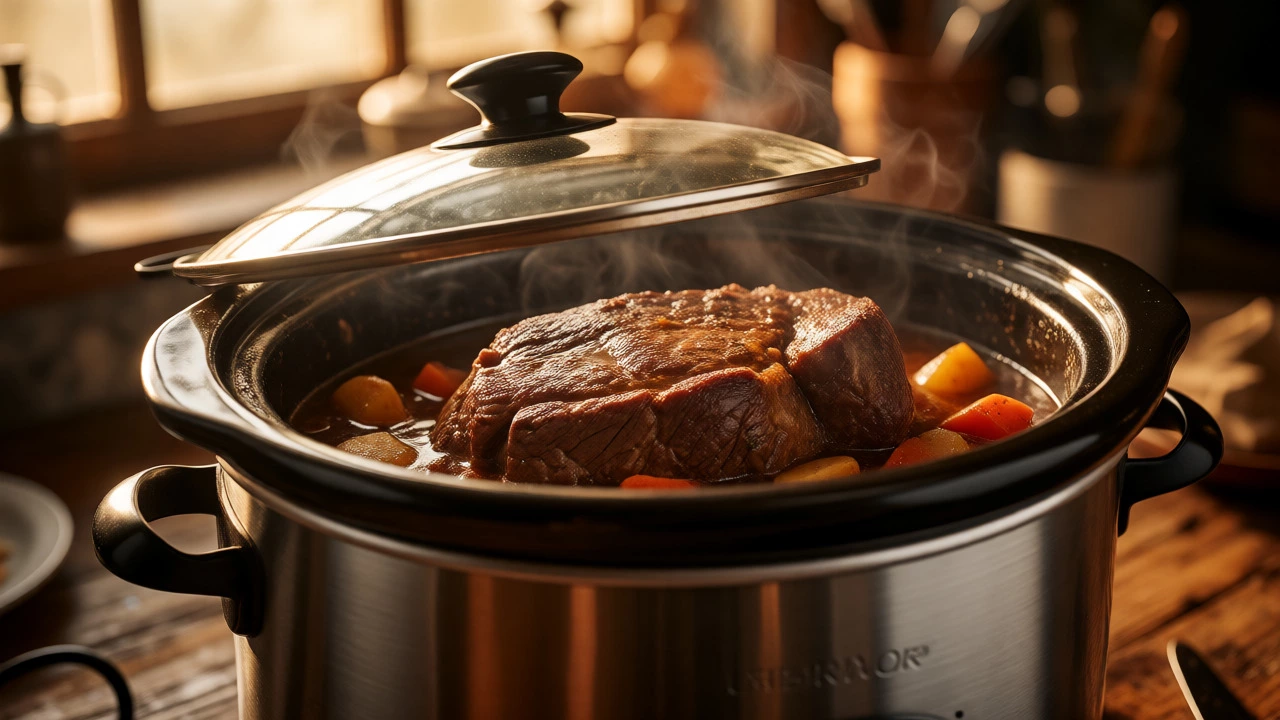
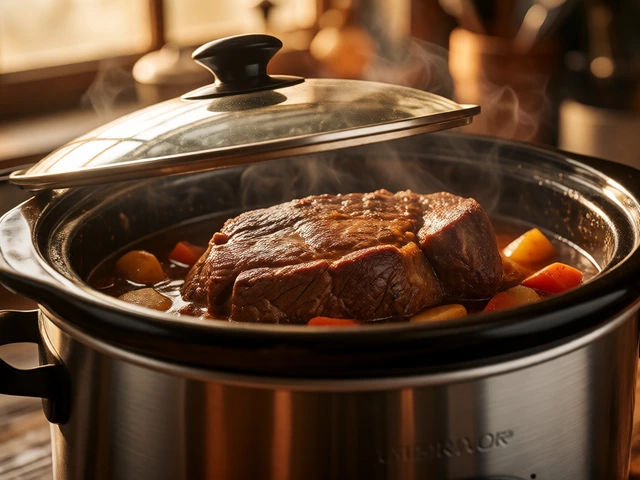
You’ve probably heard the golden rule of slow cooking: "You can’t mess it up." It’s supposed to be the ultimate set-it-and-forget-it appliance. You toss in some cheap cuts of beef, hit the low setting, and walk away for eight hours. But have you ever come home to find your pot roast falling apart into dry, stringy fibers? Or maybe your chicken breast turned into rubbery chalk? If so, you’ve just discovered the dirty little secret of the slow cooker: yes, you absolutely can overcook meat in a slow cooker on low.
It feels counterintuitive. The whole point is gentle, prolonged heat. But here’s the thing about science: protein structure doesn’t care about your intentions. While slow cookers are forgiving with root vegetables and tough connective tissues, they are surprisingly unforgiving with lean proteins and delicate textures if left too long. Let’s break down exactly why this happens, which meats are at risk, and how to fix it before you serve dinner.
The Science Behind Why Meat Dries Out
To understand why your meat turns into jerky, you need to look at what’s happening inside the muscle fibers. Meat is mostly water, held within a network of protein strands. When you apply heat, two things happen simultaneously. First, the proteins denature (unwind) and then coagulate (tighten). This tightening squeezes out moisture like wringing out a wet sponge. Second, the collagen-tough connective tissue found in cheaper cuts-starts to break down into gelatin. This process usually takes several hours and is what makes a brisket tender.
The problem arises when you push past the sweet spot. Once all the collagen has converted to gelatin, further heating doesn’t make the meat more tender; it just continues to squeeze moisture out. On the Low setting, temperatures typically hover between 190°F and 200°F (88°C-93°C). At these temperatures, moisture loss is slower than on High, but it never stops. After 8-10 hours, even a well-marbled cut can lose enough internal liquid that it tastes dry, despite being submerged in gravy.
Which Meats Are Most Likely to Overcook?
Not all proteins react the same way. Some cuts thrive in the slow cooker’s humid environment, while others suffer terribly. Knowing the difference saves you from serving cardboard-like dinners.
| Meat Type | Fat Content | Overcooking Risk | Ideal Time (Low) |
|---|---|---|---|
| Pork Shoulder | High | Low | 8-10 hours |
| Beef Chuck | Medium-High | Low | 8-9 hours |
| Lamb Shank | Medium | Medium | 6-8 hours |
| Chicken Thighs | Medium | Medium | 4-6 hours |
| Chicken Breast | Low | High | 3-4 hours |
| Pork Chops | Low-Medium | Very High | 2-3 hours |
Pork shoulder and beef chuck are your safest bets. They are heavily marbled with fat and loaded with collagen. Even if you leave them an hour or two longer than planned, the rendered fat keeps the mouthfeel juicy. The gelatin provides a silky texture that masks slight dryness.
Lean meats like chicken breast or pork loin are different beasts. They lack the intramuscular fat needed to lubricate the fibers as they tighten. If you cook chicken breast on Low for six hours, it will likely shred, but each strand will feel parched. I learned this the hard way hosting a neighborhood barbecue last summer. I threw in boneless breasts expecting perfection and got something resembling damp sawdust.
Signs You’ve Gone Too Far
How do you know if you’ve crossed the line before you take a bite? Look for these visual and textural cues:
- Shredding vs. Falling Apart: There’s a difference. Good pulled pork shreds easily with a fork but retains some structural integrity. Overcooked meat falls apart into individual fibers that look gray and dull.
- Dry Surface: If the meat looks matte rather than glistening, it has lost its surface moisture. Even in sauce, overcooked meat absorbs the liquid but remains internally dry.
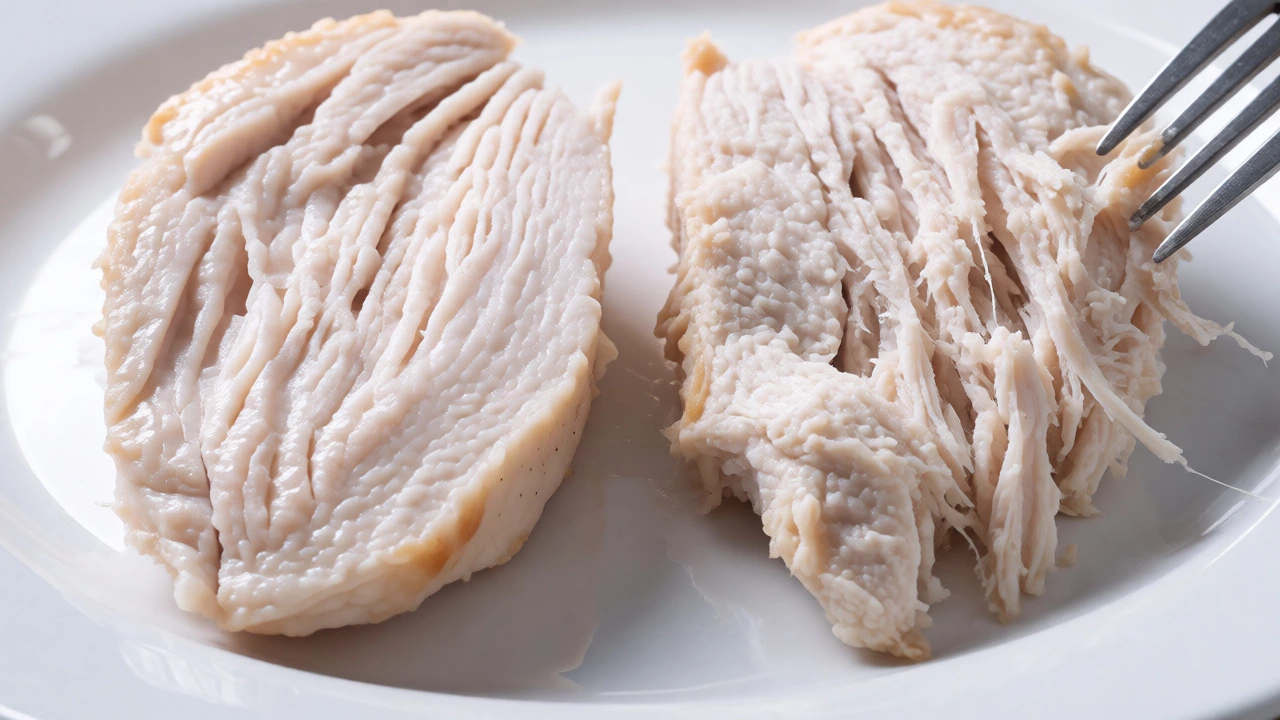
- Chalky Texture: Lean poultry should snap slightly when bitten. If it feels crumbly or powdery, the proteins have coagulated completely.
- Separation: In stews, if the meat separates cleanly from the bone but leaves no residue on the bone, it’s likely been cooked past its prime.
How to Fix Overcooked Meat
So, you opened the lid and realized disaster struck. Don’t panic. You can often salvage the dish depending on the type of meal.
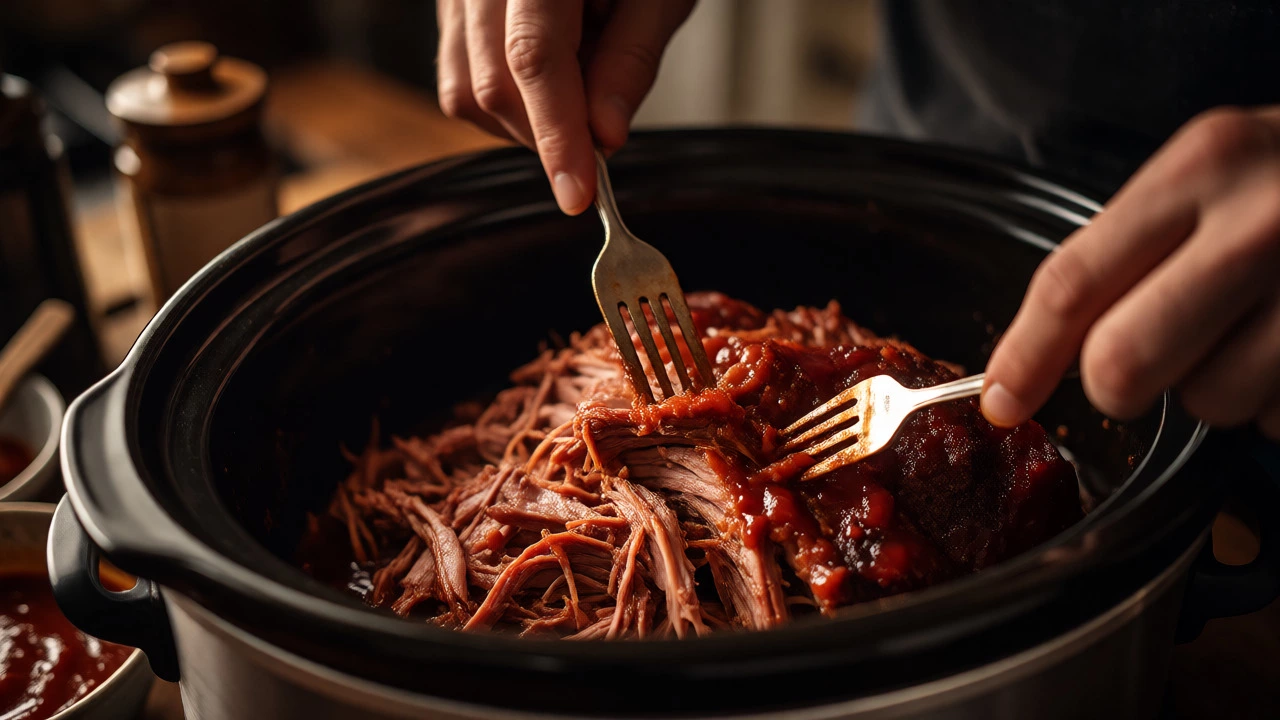
For shredded meats like pork or beef, add moisture back in aggressively. Stir in extra broth, BBQ sauce, or a butter-heavy glaze. The goal is to coat every fiber so the mouthfeel compensates for the lack of internal juice. If you’re making tacos or sandwiches, this works surprisingly well because the toppings provide additional hydration.
For cubed meats in stews, try blending a portion of the sauce with cornstarch or flour to create a thicker gravy. This clings better to dry chunks. Alternatively, remove the meat, shred it finely, and mix it into mashed potatoes or risotto. The starch absorbs the sauce and hides the texture issues.
If you have whole pieces of dry chicken breast, don’t try to slice them. Shred them immediately and mix with mayonnaise or yogurt-based sauces for salads. The fat in the dressing restores the perception of juiciness.
Preventing Overcooking: Best Practices
Avoiding this issue entirely is easier than fixing it. Here is a practical checklist for your next slow cooker session.
- Use a Thermometer: This is non-negotiable for precision. For poultry, pull it off at 165°F (74°C). For beef, aim for 195°F-205°F (90°C-96°C) for shredding. Checking temperature prevents guesswork.
- Add Lean Proteins Late: If your recipe calls for both tough beef and quick-cooking shrimp or scallops, hold the seafood until the last 30 minutes. Same goes for chicken breast-add it only for the final 2-3 hours.
- Don’t Overfill: A slow cooker needs air circulation around the food. Filling it more than ¾ full traps too much steam, which can actually accelerate breakdown of delicate textures.
- Check Early: Start checking your food 1 hour before the recipe says it’s done. Slow cookers vary wildly in temperature output. My old Crock-Pot ran hot; my new Instant Pot Duo runs cool. Trust your thermometer, not the clock.
Common Myths About Slow Cooking
Let’s clear up a few misconceptions that lead people to overcook their meals.
Myth 1: Longer is always better. False. Collagen breakdown plateaus. Once the connective tissue is gone, time only hurts the muscle fibers.
Myth 2: The liquid protects the meat. Partially true. Submersion helps conduct heat evenly, but it doesn’t stop moisture loss from the meat itself. Osmosis works against you here; salt in the broth can draw water out of the meat cells.
Myth 3: Low heat is gentle enough for anything. Not quite. While safer than High, Low still reaches boiling-point-adjacent temperatures. Vegetables like carrots turn to mush after 8 hours on Low. If you want distinct veggie pieces, add them in the last hour.
Frequently Asked Questions
Is it safe to eat overcooked meat?
Yes, it is perfectly safe. Overcooking affects texture and flavor, not safety. As long as the meat reached the appropriate internal temperature (165°F for poultry, 145°F+ for beef/pork), any bacteria have been killed. Dryness is a quality issue, not a health hazard.
Why is my chicken dry even though I used Low?
Chicken breast has very little fat. On the Low setting, it can still reach temperatures high enough to squeeze out all its natural juices if left for too long. Most recipes suggest 4-6 hours, but many modern slow cookers run hotter than older models. Try reducing the time to 3-4 hours or using chicken thighs instead.
Can I rehydrate overcooked meat?
You cannot truly put water back into the protein fibers once they’ve tightened permanently. However, you can mask the dryness by adding external moisture. Soaking the meat in a rich sauce, broth, or fatty condiment like aioli can restore a pleasant mouthfeel.
Do slow cookers get hotter than they say?
Yes. Temperature varies by brand, model age, and ambient kitchen temperature. An empty slow cooker on Low might read 190°F, but once filled with cold ingredients, it drops and takes longer to recover. Conversely, a full pot near the end of cooking can spike in temperature. Always use a meat thermometer for accuracy.
What is the best meat for beginners?
Start with pork shoulder or beef chuck. These cuts are highly forgiving due to their high fat and collagen content. They remain juicy even if you accidentally leave them on Low for 12 hours instead of 8. Avoid lean cuts like turkey breast or pork loin until you get comfortable with your specific appliance’s timing.




Write a comment