Metabolism & Thermic Effect Calculator
Calories Absorbed
0 kcal
Calories Burned Digesting
0 kcal
Enter calories and select a food type to see how much energy your body uses just to digest it.
You’ve probably seen the headlines. “Eat this to melt belly fat overnight.” “This one food flushes out toxins and burns calories while you sleep.” It sounds too good to be true, doesn’t it? And honestly, it is. There is no magic bullet in your kitchen cabinet that acts like a vacuum cleaner for body fat. If such a thing existed, obesity wouldn’t be a global health crisis.
But here’s the nuance: while no food directly deletes fat cells, certain foods do support the biological processes that allow your body to use stored fat for energy. They help regulate hormones, keep your metabolism humming, and reduce inflammation that can stall weight loss. So, instead of looking for a mythical "fat flusher," let’s look at the real powerhouses that optimize your body’s ability to manage weight.
The Myth of "Flushing" Fat
First, we need to clear up a major misconception. Your body doesn’t "flush" fat out through urine or sweat. That’s where the confusion comes from with detox teas and saunas. When you lose weight, fat is primarily exhaled as carbon dioxide and excreted as water. You literally breathe out your fat.
To make this happen efficiently, your body needs specific nutrients. It needs fiber to slow down digestion and stabilize blood sugar. It needs protein to maintain muscle mass (which burns more calories than fat). It needs healthy fats to produce hormones that regulate hunger. Without these building blocks, your metabolism slows down, and holding onto fat becomes easier.
Protein: The Metabolic Engine
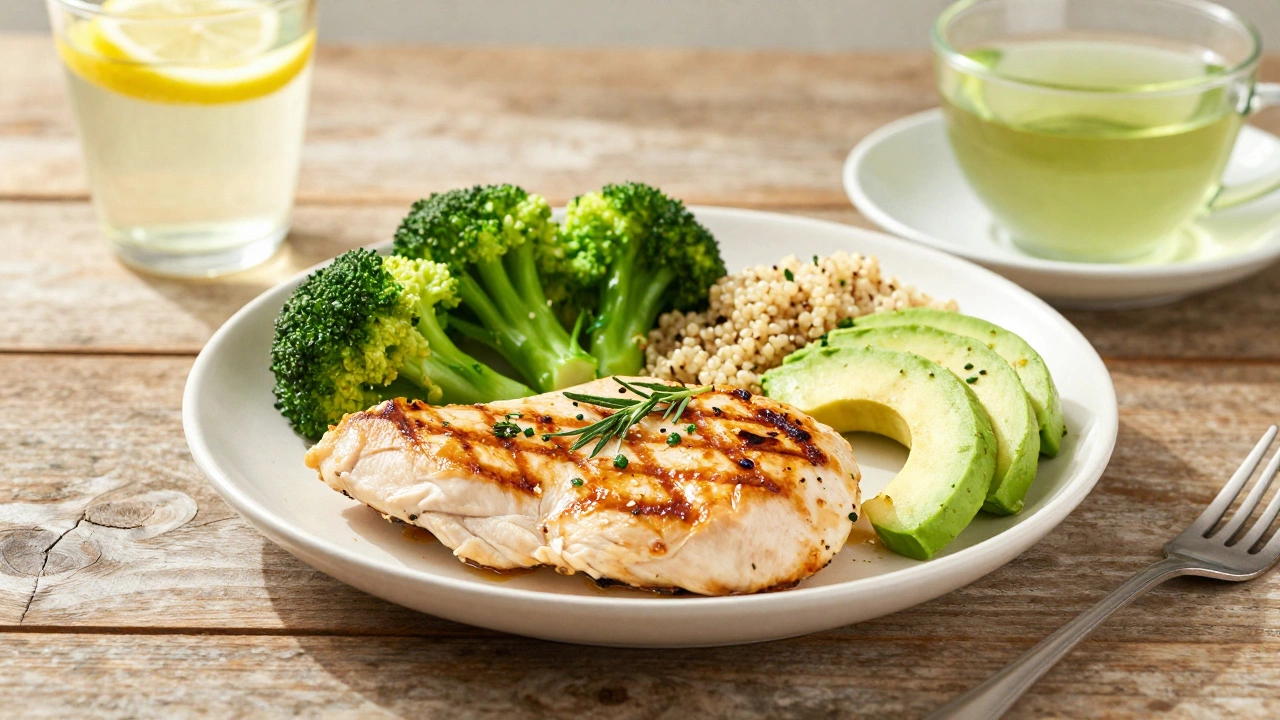
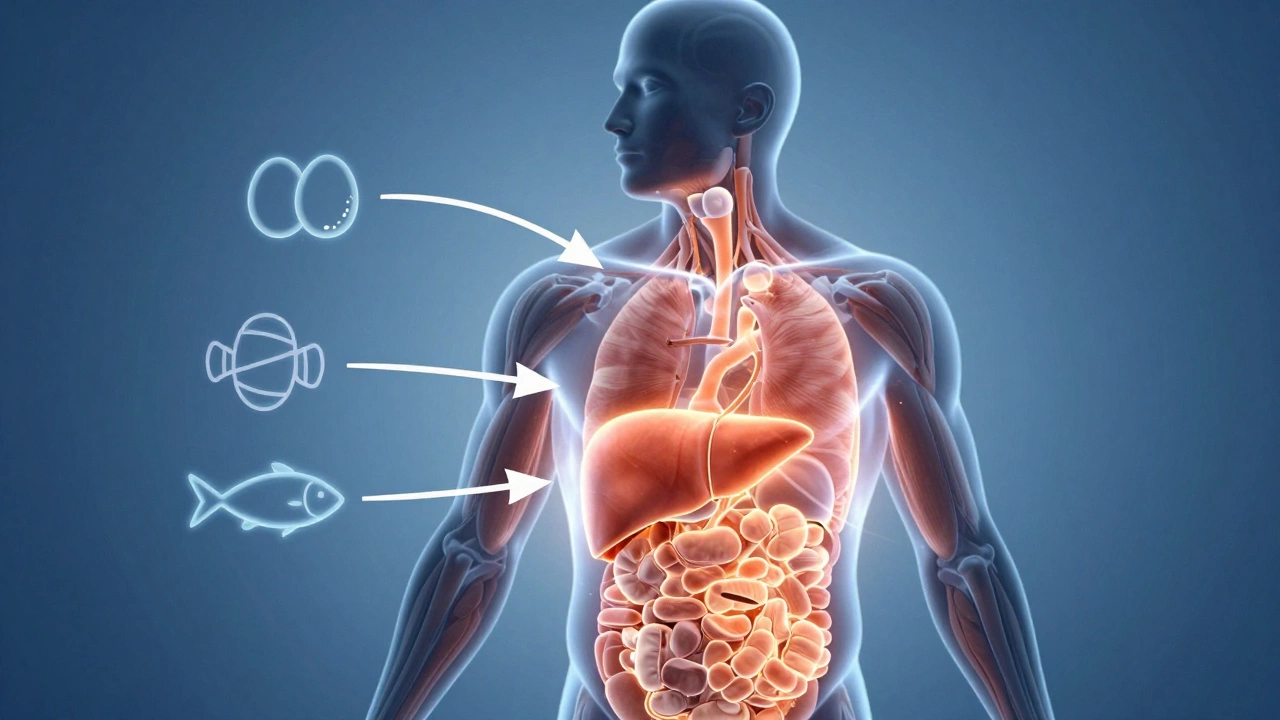
If there is one macronutrient that comes closest to helping you "burn" fat, it’s protein. This isn’t just about building biceps; it’s about thermodynamics. Your body expends more energy digesting protein than it does digesting carbs or fats. This is known as the Thermic Effect of Food (TEF).
When you eat protein, your body uses about 20-30% of the calories just to process them. For comparison, carbs use about 5-10%, and fats use only 0-3%. This means if you eat 100 calories of chicken breast, your body effectively only absorbs around 70-80 calories worth of energy. The rest is burned off as heat during digestion.
Beyond the calorie burn, protein keeps you full. Ghrelin, the hormone that signals hunger, drops significantly after a high-protein meal. This prevents the mid-afternoon snack raid that often derails diets. Good sources include:
- Greek yogurt: High in casein protein, which digests slowly, keeping you satiated for hours.
- Eggs: Specifically the whites, but the yolks provide essential choline which aids liver function and fat metabolism.
- Lean poultry: Chicken and turkey are staples for a reason-they’re versatile and low in saturated fat.
- Legumes: Beans and lentils offer plant-based protein paired with fiber, a double whammy for satiety.
Fiber: The Blood Sugar Stabilizer
Imagine eating a bagel. Your blood sugar spikes, insulin rushes in to store that energy, and soon you crash, craving more sugar. Now imagine eating an apple. The fiber in the skin slows the absorption of sugar into your bloodstream. Insulin levels stay steady. No spike, no crash, no storage signal sent to fat cells.
Soluble fiber is particularly powerful here. It dissolves in water to form a gel-like substance in your gut. This gel delays stomach emptying, making you feel full longer. Studies have shown that increasing soluble fiber intake by just 10 grams a day can reduce visceral fat-the dangerous fat around your organs-by significant margins over time.
Where do you find this stuff? Look past the white bread and pasta. Go for:
- Oats: Beta-glucan, a type of soluble fiber in oats, has been linked to reduced appetite and lower LDL cholesterol.
- Chia seeds: These tiny seeds absorb up to 10 times their weight in water, expanding in your stomach to create a feeling of fullness.
- Avocados: Rich in monounsaturated fats and fiber, they help balance blood sugar without spiking insulin.
- Broccoli: Low in calories but high in fiber and volume, allowing you to eat a large portion for few calories.
Healthy Fats: Yes, Really
It sounds counterintuitive, right? Eating fat to lose fat? But avoiding fat completely can backfire. Your body needs dietary fat to absorb vitamins A, D, E, and K, which are crucial for metabolic health. More importantly, certain fats can actually increase the rate at which your body oxidizes (burns) fat.
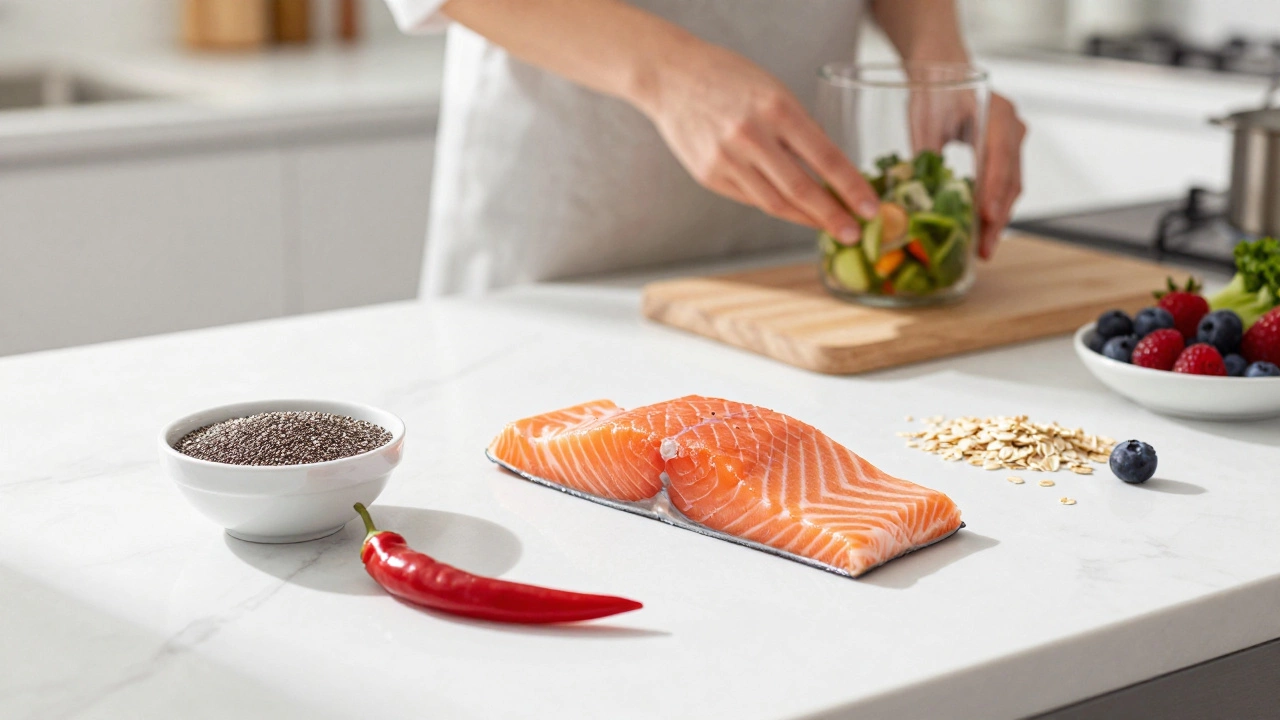
Omega-3 fatty acids are the stars here. Found in fatty fish like salmon, mackerel, and sardines, omega-3s reduce inflammation. Chronic inflammation is a hidden enemy of weight loss because it disrupts insulin sensitivity. When your cells are resistant to insulin, your body struggles to access stored fat for energy, so it holds on to it instead.
Another key player is capsaicin, the compound that makes chili peppers hot. Capsaicin temporarily boosts your metabolic rate and increases fat oxidation. It doesn’t mean you’ll melt away eating spicy tacos, but adding fresh chili or cayenne pepper to your meals can give your metabolism a slight nudge.
| Food Group | Key Mechanism | Best Sources | Impact on Satiety |
|---|---|---|---|
| High-Protein Foods | Thermic Effect of Food (TEF) | Chicken, Fish, Eggs, Greek Yogurt | Very High |
| Soluble Fiber-Rich Foods | Blood Sugar Stabilization | Oats, Chia Seeds, Legumes | High |
| Omega-3 Fatty Acids | Inflammation Reduction | Salmon, Walnuts, Flaxseeds | Moderate |
| Spicy Foods (Capsaicin) | Temporary Metabolic Boost | Chili Peppers, Cayenne, Ginger | Low/Moderate |
| Caffeinated Beverages | Stimulant-Induced Oxidation | Green Tea, Black Coffee | Moderate |
The Role of Green Tea and Caffeine
We can’t talk about metabolism without mentioning caffeine. Coffee and green tea are popular for a reason. Caffeine stimulates the nervous system, signaling fat cells to break down body fat. It also increases your metabolic rate by 3-11%, depending on the individual.
However, green tea offers something extra: catechins, specifically EGCG (epigallocatechin gallate). EGCG works synergistically with caffeine to enhance fat burning. Research suggests that people who consume green tea extract lose slightly more weight than those who don’t, provided they are in a calorie deficit. It’s not a miracle worker, but it’s a helpful tool in the toolbox.
Just remember, loading your coffee with sugar and cream negates any metabolic benefit. Keep it black or with a splash of milk to get the most out of these beverages.
Hydration: The Overlooked Factor
Water might be the most underrated "fat flushing" agent. Dehydration slows down your metabolism. Even mild dehydration can reduce your daily energy expenditure by up to 3%. Furthermore, people often confuse thirst with hunger. If you feel peckish between meals, try drinking a glass of water first. Wait ten minutes. Often, the craving disappears.
Drinking cold water can also have a minor effect. Your body has to expend energy to warm the water to body temperature. While this isn’t enough to replace exercise, it adds up over time. Aim for at least 2-3 liters a day, adjusting for activity level and climate.
What Doesn't Work: Detox Teas and Cleanses
Let’s address the elephant in the room: detox teas. Many of these products contain laxatives like senna leaf. When you drink them, you lose weight quickly. But that weight is water and waste from your colon, not body fat. Once you rehydrate and eat normally, the weight returns. Worse, relying on laxatives can damage your digestive system and lead to electrolyte imbalances.
Your liver and kidneys are already excellent detoxification organs. Unless you have a medical condition impairing their function, you don’t need expensive supplements to "cleanse" your body. You just need to feed them the right nutrients: cruciferous vegetables like broccoli and cauliflower, berries rich in antioxidants, and plenty of water.
Building a Sustainable Plate
So, how do you put this all together? You don’t need to eat only kale and chicken breast. You need balance. Think of your plate as a canvas.
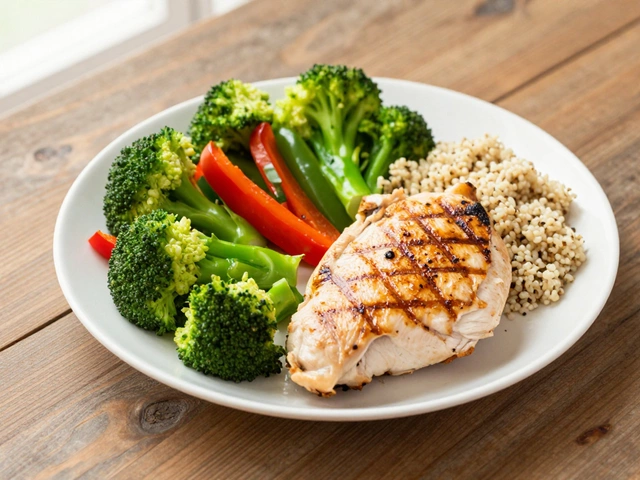
- Fill half with non-starchy vegetables: Spinach, kale, bell peppers, zucchini. These provide volume, fiber, and micronutrients with minimal calories.
- Quarter with lean protein: Grilled chicken, tofu, beans, or fish. This ensures muscle maintenance and high TEF.
- Quarter with complex carbohydrates: Quinoa, sweet potatoes, or brown rice. These provide sustained energy without the sugar spike.
- Add a thumb-sized portion of healthy fat: Olive oil dressing, avocado slices, or a handful of nuts.
This structure naturally limits calorie density while maximizing nutrient density. It keeps you full, stabilizes your energy, and supports the hormonal environment needed for fat loss.
The Bottom Line
No single food will "flush" fat out of your body. Weight loss is ultimately about energy balance: consuming fewer calories than you burn. However, the quality of those calories matters immensely. By prioritizing protein, fiber, and healthy fats, you hack your biology to work in your favor. You stay fuller longer, your metabolism runs efficiently, and your body is primed to use stored fat for fuel.
Start small. Swap one processed snack for a piece of fruit. Add a serving of vegetables to your dinner. Drink a glass of water before every meal. These small shifts compound over time, leading to real, sustainable results. Forget the quick fixes. Focus on feeding your body what it actually needs to thrive.
Can lemon water really flush out fat?
Lemon water does not directly burn fat. However, it is a great alternative to sugary drinks and can aid hydration. Some studies suggest that polyphenols in lemons may prevent fat accumulation when combined with a balanced diet, but the effect is minimal compared to overall calorie control.
What is the best time to eat to burn fat?
There is no magic window for eating. What matters most is your total daily caloric intake. However, some people find intermittent fasting helpful for controlling appetite. Others prefer smaller, frequent meals to maintain energy levels. Choose the pattern that fits your lifestyle and helps you stick to a calorie deficit.
Does cold water boost metabolism significantly?
Drinking cold water causes a very slight increase in metabolic rate as your body warms the liquid. However, the effect is negligible in terms of weight loss. Do not rely on it as a primary strategy. Its main benefit is hydration, which supports overall metabolic function.
Are detox teas safe for weight loss?
Most detox teas are not recommended for long-term use. They often contain laxatives that cause water weight loss, not fat loss. Long-term use can lead to dependency, electrolyte imbalances, and digestive issues. It is safer to support your natural detoxification organs with whole foods and water.
How much protein do I need to lose weight?
Aim for 1.6 to 2.2 grams of protein per kilogram of body weight. This range helps preserve muscle mass during weight loss and maximizes the thermic effect of food. For example, a 70kg person should aim for approximately 112-154 grams of protein daily.



Write a comment