Family Meal Planner & Estimator
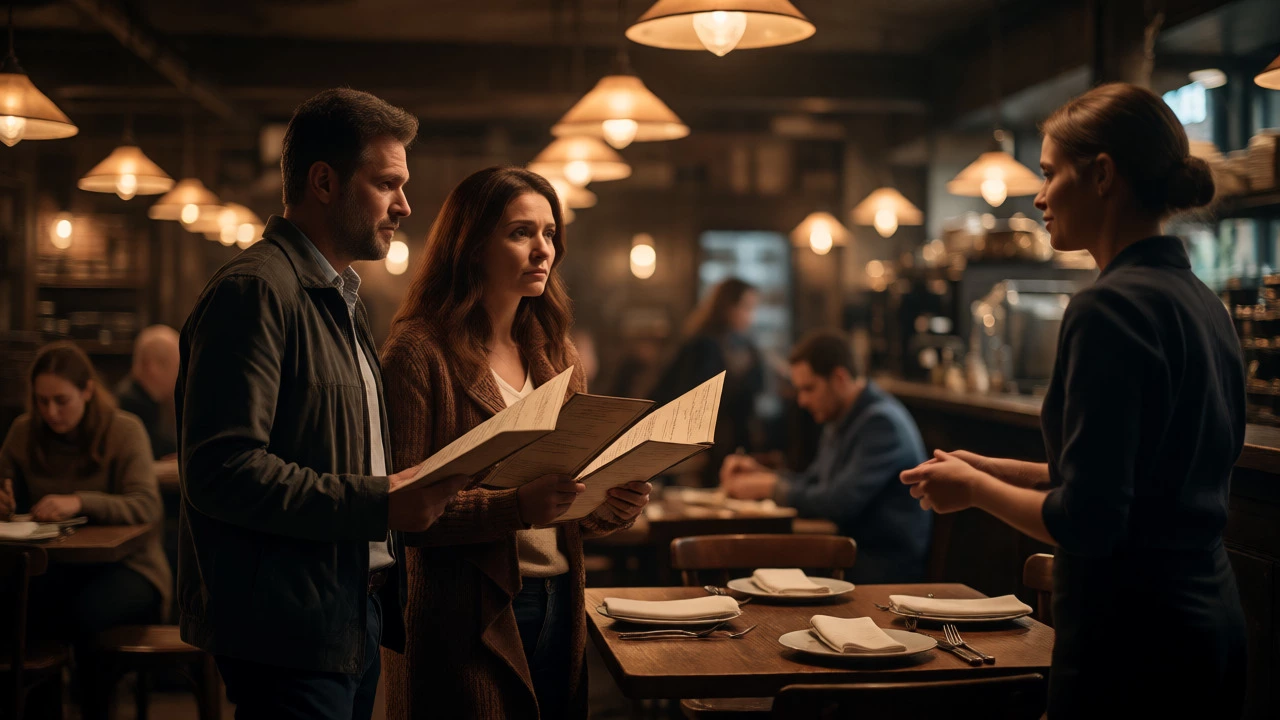
You’re standing in the foyer of a busy bistro, holding three menus. The hostess smiles and asks, "Table for four?" You nod, but your mind is already racing. Are you about to order four separate entrees that will arrive at different times, forcing everyone to eat alone together? Or can you actually sit down, put everything in the middle, and share like a proper family meal?
This is the modern diner’s dilemma. We love the idea of communal eating-the warmth, the variety, the way it cuts down on decision fatigue. But most restaurants are still wired for individualism. They want you to pick one protein, one side, and one drink. So, do they really "do" family meals? The short answer is: not by default. But if you know how to navigate the menu, ask the right questions, and pick the right venues, you absolutely can pull off a shared feast without making the waiter cry.
The Difference Between "Family Style" and "Sharing"
First, let’s clear up some confusion because these terms get thrown around loosely. When a place says "family-style," they usually mean a set price where the kitchen brings out large platters for the whole table to pass around. Think Italian nonna vibes or Chinese banquets. This is rare in standard casual dining unless it’s a specific cultural establishment.
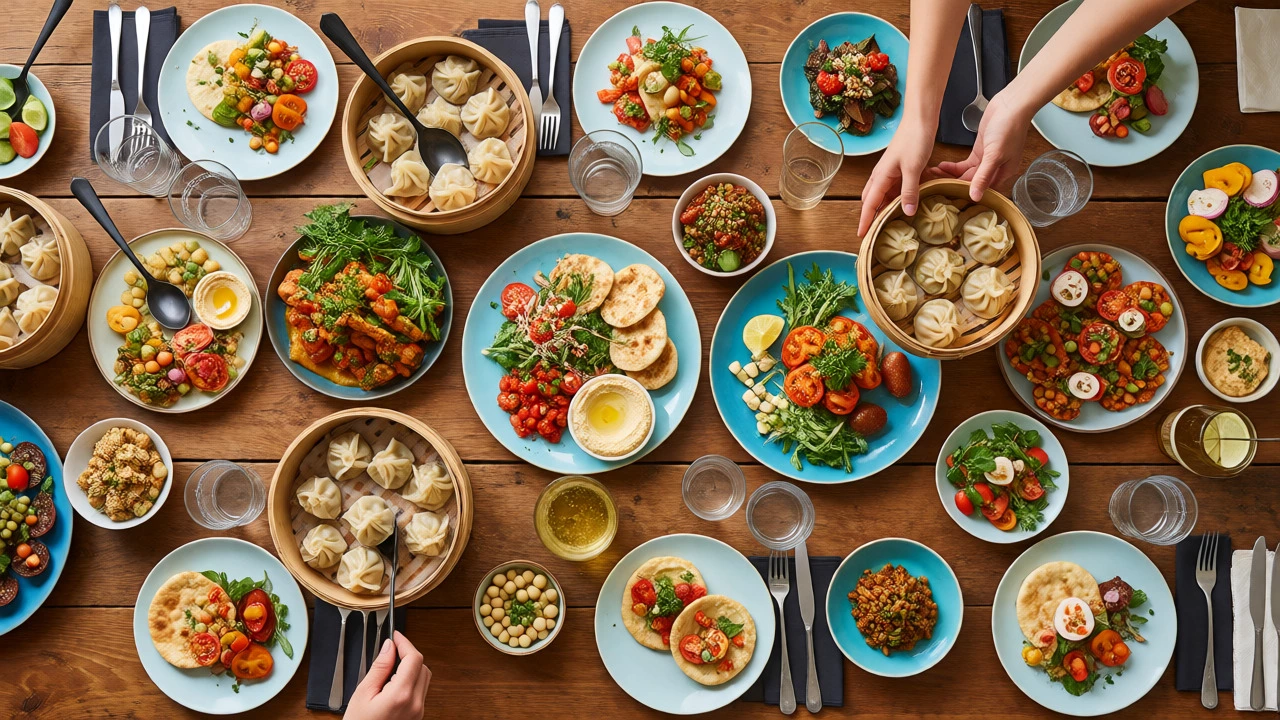
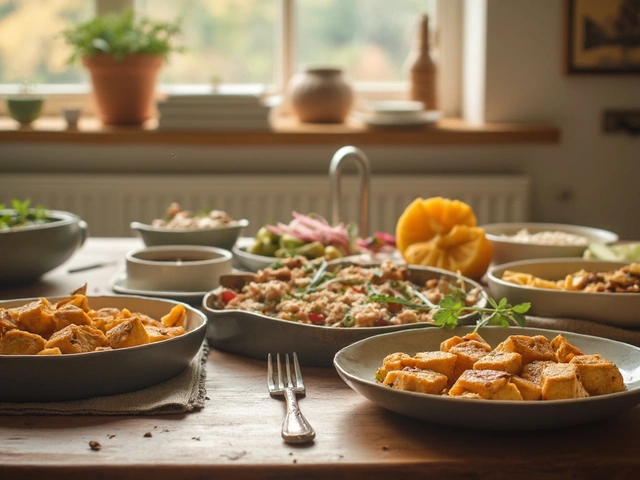
What most people actually want when they say "family meal" is shared plates. This means ordering multiple dishes-appetizers, sides, mains-and putting them all in the center. It’s flexible, cheaper per head, and lets everyone try things they wouldn’t order solo. But here’s the catch: many kitchens aren’t designed for this. If you order five small plates, they might come out in waves, leaving half the table waiting while the other half eats cold food. Knowing which restaurants support this flow is half the battle.
Which Restaurant Types Actually Get It?
Not every venue is built for sharing. Some cultures have built their entire business model around it, while others treat it as an inconvenience. Here’s a quick breakdown of where you’ll find success and where you’ll hit a wall.
| Restaurant Type | Sharing Friendliness | Why It Works (or Doesn't) |
|---|---|---|
| Tapas Bars | High | Designed for grazing. Small portions encourage ordering 5-10 items. Perfect for groups. |
| Dim Sum / Chinese | Very High | Lazy Susans and steamer baskets make passing food easy. Rice is often free or cheap. |
| American Casual | Medium | Portions are huge. You can split mains, but sides are extra cost. Timing can be tricky. |
| Fine Dining | Low | Chefs plate individually for presentation. Sharing disrupts the flow and looks messy. |
| Mediterranean / Greek | High | Hummus, pita, mezze plates are made for scooping. Very social vibe. |
Notice the pattern? Cultures that value hospitality through abundance-like Spanish, Turkish, or Lebanese cuisines-tend to have menus structured for sharing. American chains, however, rely on upselling individual add-ons. If you go to a burger joint and try to share fries, you’re fighting the system. But if you go to a tapas bar, you’re playing the game exactly as intended.
How to Order a Family Meal at a Non-Sharing Restaurant
So, you picked a spot that isn’t explicitly "family-style." Can you still make it work? Yes, but you need strategy. Don’t just wing it. Use these tactics to ensure your table stays fed and happy.
- Order Sides as Mains: Many places offer "small plates" or "starters" that are substantial enough to be a main course. A bowl of mac and cheese or a plate of loaded nachos can feed two adults easily. Pair these with salads or soups to balance the meal.
- The "Split Main" Trick: Ask the server if you can split a large entrée into two smaller portions. Most kitchens will happily plate it on two plates instead of one. This saves money and prevents waste. Just tip well for the extra labor.
- Stagger Your Orders: If the kitchen sends food out fast, order in waves. Start with appetizers. Once those are nearly gone, order the mains. This keeps the table engaged and ensures hot food arrives when people are ready for it.
- Beware of "Per Person" Pricing: Some places charge a cover or require a minimum spend per person. Read the fine print. If there’s a $30/person minimum, sharing might actually cost more than ordering individually if you’re only eating light.
I tried this last month at a local bistro in Brighton. We ordered three starters and asked to split two mains. The server was hesitant at first, but when we explained we wanted to sample everything, she suggested swapping one side dish for a larger portion of vegetables. It worked perfectly. Everyone left satisfied, and our bill was 20% lower than if we’d each ordered a full dinner.
The Hidden Costs of Sharing
It’s not all sunshine and shared spoons. There are real downsides to turning a restaurant into a family cafeteria. First, hygiene. Passing bowls back and forth with kids involved can get messy. Second, dietary restrictions. If one person is gluten-free and another loves bread, sharing becomes a logistical nightmare. You end up with separate plates anyway, defeating the purpose.
Then there’s the pacing issue. In a shared meal, no one controls their own tempo. If your partner eats slowly and you’re starving, you’re stuck waiting. Or worse, you finish your portion of the shared steak and have to wait ten minutes for the next dish to arrive. For families with young children who have short attention spans, this lag time can lead to meltdowns faster than you can say "check please."
Also, consider the noise level. Shared meals are loud. People talk over each other, reach across tables, and laugh louder. If you’re trying to have a serious conversation or a quiet date night, this chaos might ruin the mood. Save the big group shares for celebrations or casual hangouts, not intimate dinners.
Tips for Making It Work Smoothly
If you’re committed to the family meal approach, here’s how to minimize friction and maximize enjoyment. These rules of thumb have saved me from awkward silences and cold fries more times than I can count.
- Communicate with the Server: Tell them upfront, "We’re sharing everything." Good servers will adjust timing and even suggest dishes that pair well together. Bad servers might ignore you, so read the room early.
- Bring Your Own Containers: Seriously. If you’re at a place with massive portions, bring Tupperware. Leftovers from a shared meal are often better than the original dinner. Plus, it stops the guilt of wasting food.
- Designate a "Passer": For larger groups, assign someone to manage the flow of dishes. This prevents the "awkward pause" where everyone waits for someone else to take the last dumpling.
- Check for Allergies Early: Before ordering, confirm what’s in each dish. Cross-contamination is a risk in shared kitchens. If someone has a severe allergy, keep their food separate regardless of the sharing plan.
Remember, the goal is connection, not perfection. If the food comes out late, order another round of drinks. If the portions are too small, order dessert to share. Flexibility is key. Rigid expectations kill the joy of eating out.
When NOT to Share
There are times when individual orders are simply better. If you’re at a high-end tasting menu experience, don’t try to share courses. The chef has curated a specific journey; interrupting it with forks flying across the table disrespects the craft. Similarly, if you’re at a buffet, you’re already sharing space, but you’re controlling your own intake. Trying to share buffet plates is just silly.
Also, avoid sharing if you’re on a strict diet or tracking macros precisely. Estimating calories from a shared pizza slice is impossible. And finally, if you’re on a first date, maybe skip the shared appetizer. Watching someone chew loudly while you’re trying to impress them is a risk worth avoiding.
Final Thoughts: It’s About Intent
Do restaurants really do family meals? Technically, many don’t advertise it. But culturally, most do allow it if you ask nicely. The barrier isn’t usually policy-it’s logistics. Kitchens prefer uniformity. Servers prefer speed. Diners prefer convenience.
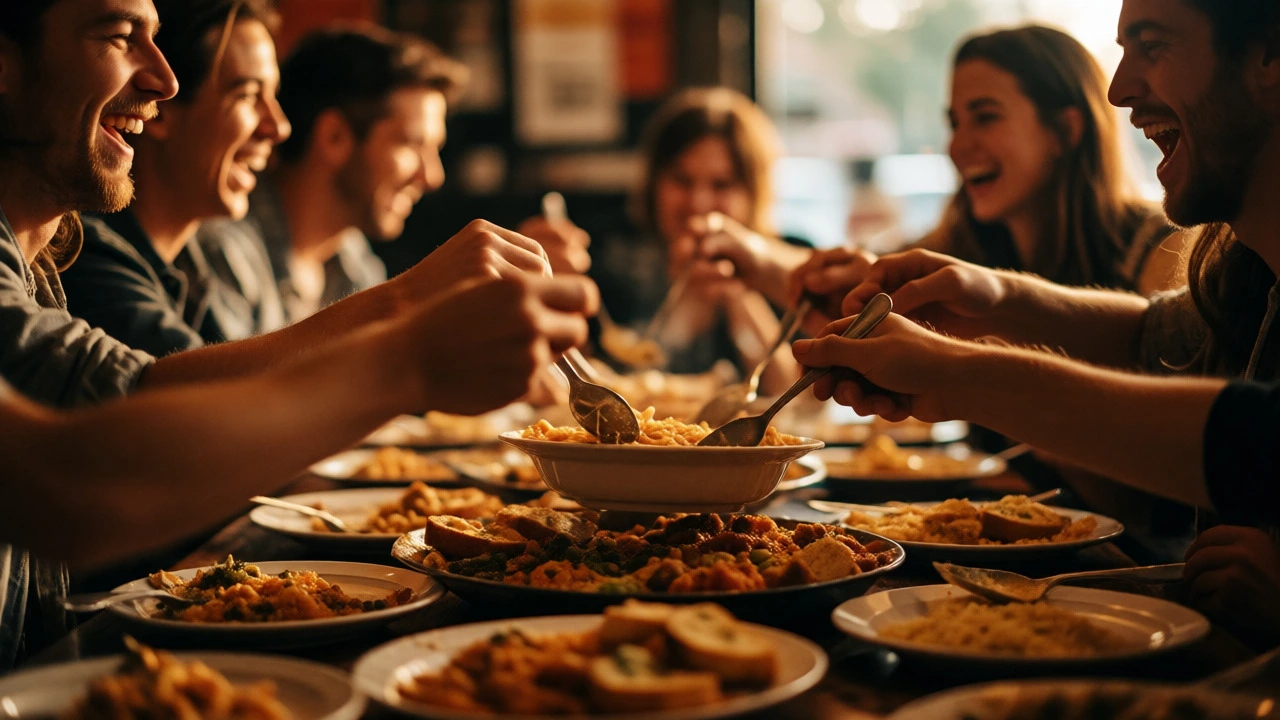
Your job is to align your desires with theirs. Choose venues that thrive on community. Order smart. Communicate clearly. And remember, the best family meal isn’t defined by the number of plates on the table, but by the quality of interaction between the people sitting around it. So next time you’re out, ditch the individual entrees. Put the pasta in the middle. Pass the garlic bread. Talk more, eat slower. That’s the real secret.
Is it rude to ask to share a meal at a restaurant?
No, it’s generally not rude, especially in casual or mid-range dining. However, always ask the server first rather than assuming. At fine-dining establishments, it might be seen as unconventional, so check if they offer splitting options. Being polite and tipping well goes a long way.
How much should I budget for a family-style meal out?
Shared meals can be cheaper per person if you order strategically, focusing on sides and appetizers. However, because you’re likely ordering more total volume, the bill can equal or exceed individual orders. Budget about 10-15% less than individual mains if you stick to small plates, but expect similar costs if you include expensive proteins.
What are the best cuisines for family-style dining?
Spanish (tapas), Chinese (dim sum), Indian (curries and naan), Middle Eastern (mezze), and Italian (pasta and antipasti) are excellent choices. These cuisines naturally emphasize communal eating and have menus designed for sharing.
Can I share a meal at a chain restaurant?
Yes, but it requires planning. Chains like Applebee’s or Chili’s have large portions that can be split. Ask for the food to be plated separately if possible. Be aware that some chains charge for additional plates or have strict portion controls that make sharing difficult.
Does sharing food increase the risk of spreading germs?
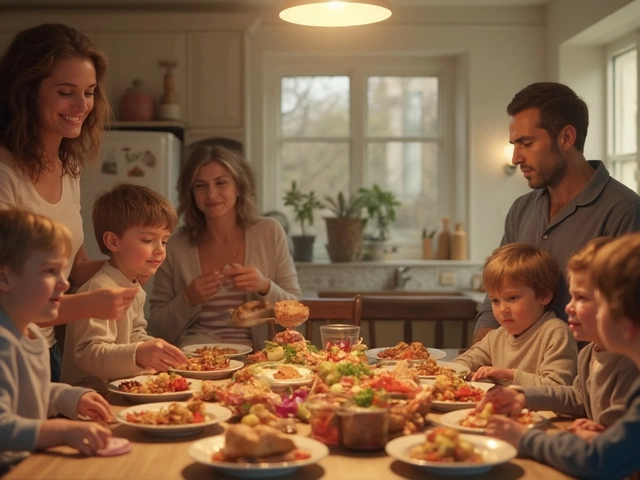
Slightly, yes. Using serving spoons reduces direct contact. However, if family members use their own utensils to grab food, cross-contamination is possible. For households with sick members, it’s safer to serve individual portions from the shared dishes.


Write a comment