Slow Cooker Liquid Calculator
Input Details
Recommended Result
Enter details and click calculate
Visual Guide: The "Halfway Rule"
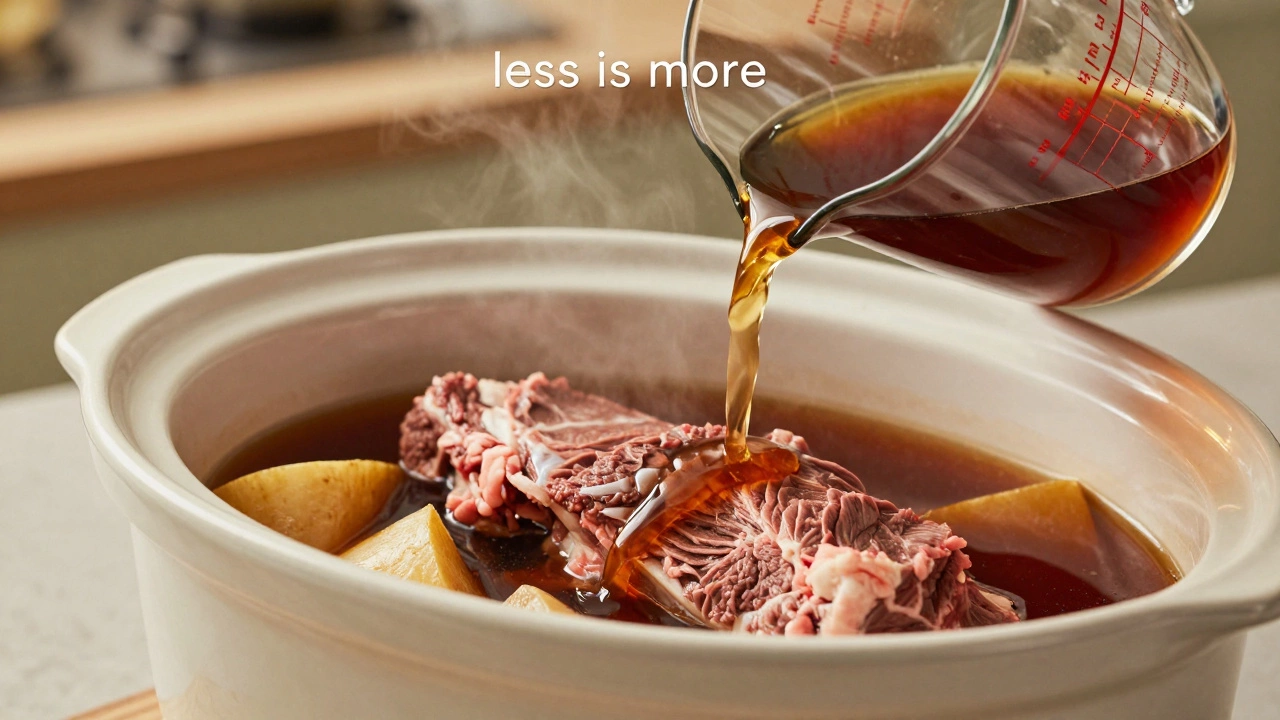
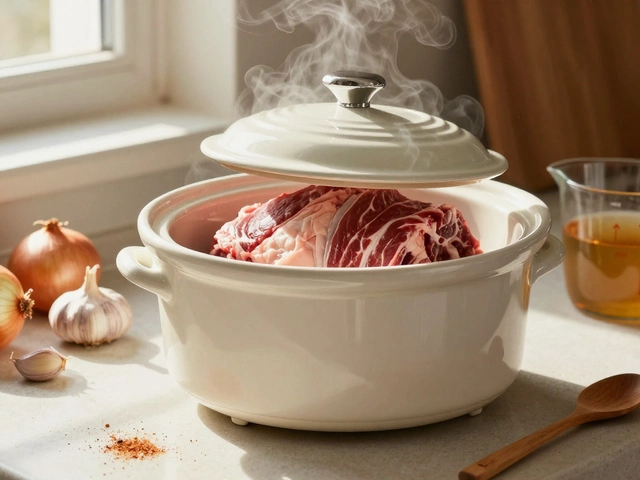
The visualizer below shows the ideal liquid level relative to the meat block. Notice that the liquid should never cover the meat completely.
There is nothing worse than opening your slow cooker after eight hours of anticipation only to find a dry, tough slab of meat or a pot full of watery soup. It happens to the best of us. You followed the recipe, you set the timer, and then disaster struck. Usually, the culprit isn't the heat setting or the quality of the cut; it’s the amount of liquid.
Cooking with a slow cooker is fundamentally different from stovetop braising or oven roasting. Because the lid fits tightly and the appliance is insulated, very little moisture escapes during the long cooking process. If you treat it like an open pot on the stove, you will drown your dinner. But if you add too little, the meat won’t cook evenly. Getting this balance right is the single most important skill for mastering low-and-slow cooking.
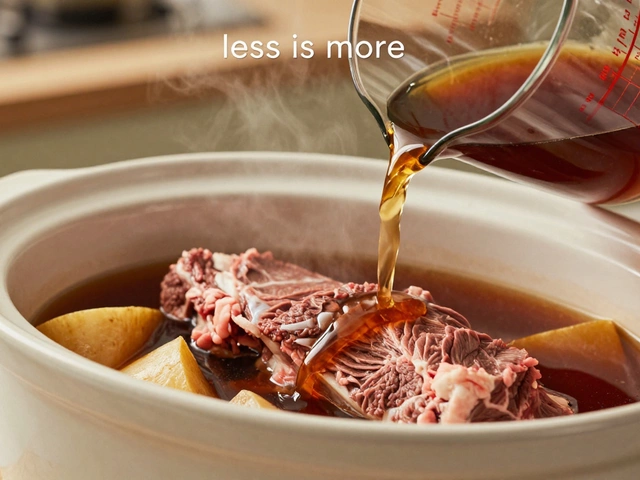
The Golden Rule: Less Is More
If you take away only one thing from this guide, let it be this: use significantly less liquid than you think you need. In traditional stovetop cooking, liquids boil off rapidly, so recipes often call for cups of broth or water. In a crockpot, that same liquid stays inside the sealed environment.
A good rule of thumb is to fill the pot no more than two-thirds full, but for the liquid itself, aim for just enough to come about halfway up the sides of the meat. For most cuts, this means using between half a cup and one cup of liquid total, regardless of how many pounds of meat you are cooking. Yes, even for a large roast. The meat releases its own juices as it breaks down, creating a natural sauce. Adding extra water dilutes flavor and can lead to mushy vegetables.
| Meat Cut | Liquid Amount | Best Liquid Choice |
|---|---|---|
| Chuck Roast / Pot Roast | 1/2 - 3/4 cup | Beef broth, red wine, or tomato sauce |
| Pork Shoulder (Pulled Pork) | 1/2 cup | Apple cider, BBQ sauce, or cola |
| Chicken Breasts | 1/4 - 1/2 cup | Chicken broth, lemon juice, or cream-based sauces |
| Ground Beef (Chili/Tacos) | Varies (usually none needed initially) | Tomato sauce, beans, or salsa |
| Lamb Shanks | 1/2 - 3/4 cup | Red wine, rosemary-infused broth |
Why Meat Releases Its Own Juice
You might wonder why you don't need a deep pool of liquid. The answer lies in the biology of the meat. When muscle fibers and connective tissues are exposed to gentle, prolonged heat, they begin to break down. Collagen, the tough protein that holds muscle together, turns into gelatin. This process releases significant amounts of internal moisture.
Think of a chuck roast. It looks dry when you buy it at the store. But after four hours on high or eight hours on low, it sits in a pool of rich, savory juices. That is not added water; that is the meat itself. If you add a full cup of broth to start, you end up with diluted, bland gravy. By starting with minimal liquid, you allow those natural juices to concentrate, resulting in a much deeper, richer flavor profile.
Choosing the Right Liquid
Not all liquids are created equal. Water is the worst option unless you are making a stock from scratch. It adds volume without adding flavor. Instead, choose liquids that contribute to the final taste of the dish.
- Broths and Stocks: Chicken, beef, or vegetable broth provide a savory base. Use low-sodium versions so you can control the saltiness, especially since the liquid reduces slightly and concentrates over time.
- Acids: A splash of vinegar, lemon juice, or wine helps tenderize the meat and brighten the flavors. Acid breaks down proteins faster, which is helpful for tougher cuts like pork shoulder or brisket.
- Dairy and Cream: For creamy sauces, you can add cream, coconut milk, or yogurt. However, dairy can curdle if heated too aggressively. Always add dairy-based ingredients in the last hour of cooking or stir them in gently after turning the cooker off.
- Sauces: Tomato paste, soy sauce, Worcestershire sauce, and barbecue sauce contain their own moisture. If a recipe calls for a cup of ketchup and a cup of broth, you likely only need half a cup of broth.
Techniques to Prevent Drying Out
Even with the right amount of liquid, meat can still dry out if handled incorrectly. Here are some pro tips to ensure juicy results every time.
1. Sear Before You Slow Cook
This step is optional but highly recommended. Searing the meat in a hot skillet with a little oil creates a Maillard reaction-the browning process that adds complex flavors. More importantly, it seals the surface slightly, helping the meat retain its internal juices during the long cook. After searing, deglaze the pan with a little broth or wine and pour that flavorful fond into the slow cooker.
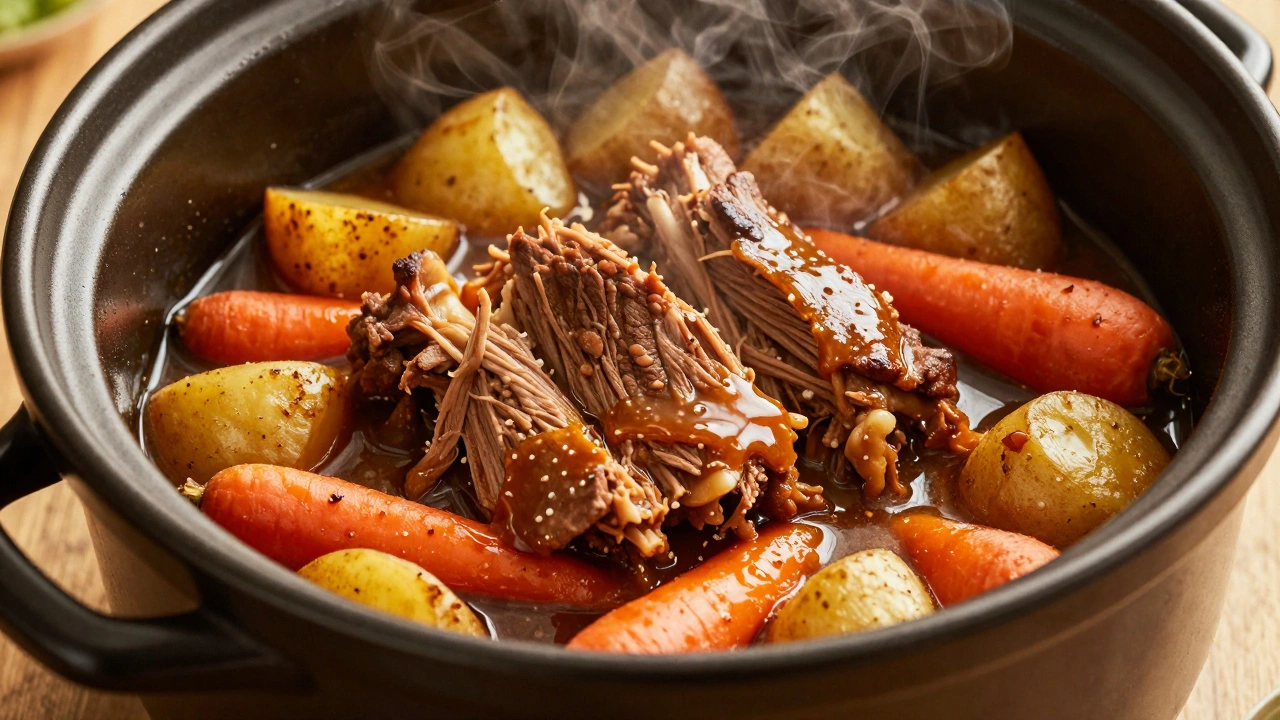
2. Place Vegetables on Top
Root vegetables like carrots, potatoes, and onions release water as they cook. If you bury them under the meat, they absorb moisture from the bottom and can become soggy. Placing them on top allows them to steam gently while releasing their own juices downward onto the meat. This creates a self-basting effect.
\n3. Don't Peek
Every time you lift the lid, you lose heat and moisture. A slow cooker relies on maintaining a consistent temperature. Lifting the lid can drop the internal temperature by 20 degrees or more, extending the cooking time and potentially drying out the meat. Trust the process and keep the lid closed until the timer goes off.
Adjusting for Different Cuts
The type of meat you are cooking dictates how much liquid it needs. Lean meats behave differently than fatty, collagen-rich cuts.
Fatty Cuts (Chuck, Brisket, Pork Shoulder): These cuts have high collagen content. They need time to break down into gelatin. They are forgiving and can handle slightly less liquid because they render fat and release juices. Half a cup of liquid is usually plenty for a 3-5 pound roast.
Lean Cuts (Chicken Breast, Sirloin, Flank Steak): These cuts have little connective tissue and dry out quickly if overcooked. They require precise timing and careful liquid management. For chicken breasts, place them in a small amount of broth (1/4 cup) and consider adding a layer of cheese or sauce on top to create a barrier against direct heat. Never cook lean steaks for more than 2-3 hours on low, or they will turn into shoe leather.
Thickening the Sauce at the End
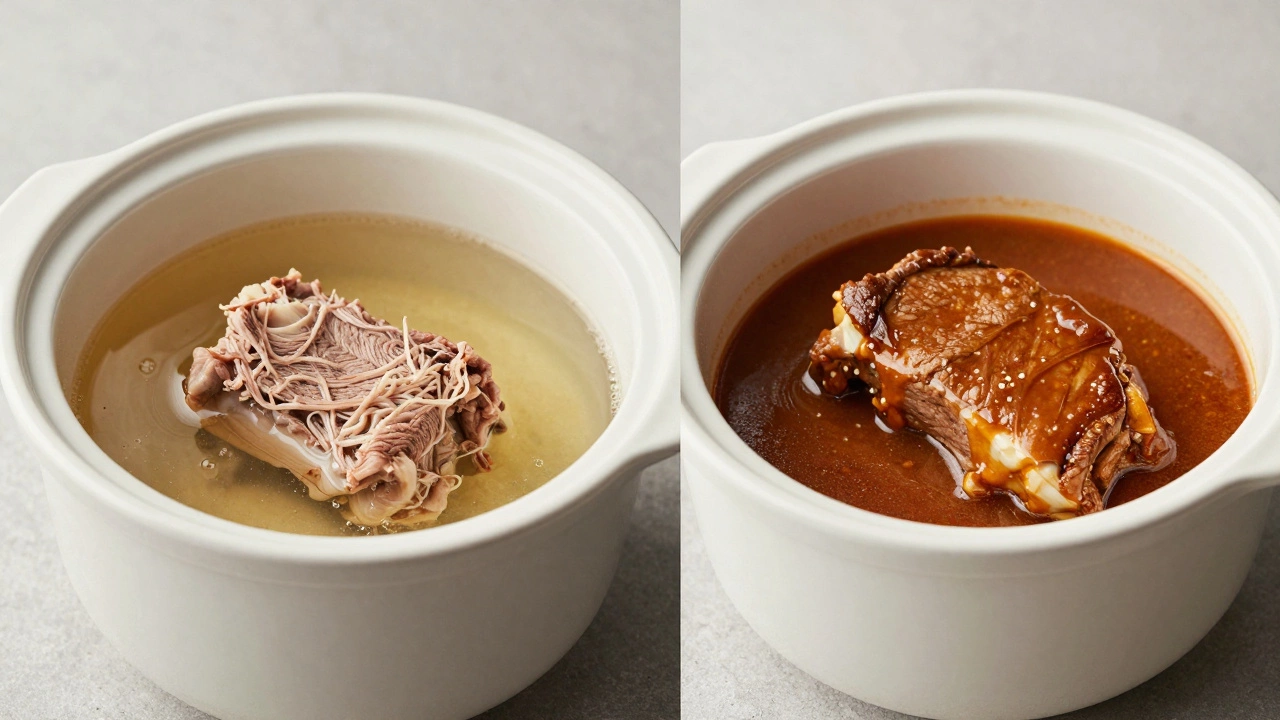
Because you used less liquid, you might worry about having enough sauce. Often, the opposite is true-you have a thin, watery broth. To fix this, you can thicken the sauce after the meat is cooked.
- Slurry Method: Mix equal parts cornstarch and cold water. Stir this mixture into the simmering liquid in the slow cooker. Turn the cooker to high and let it bubble for 10-15 minutes until thickened.
- Roux Method: Melt butter in a separate pan, whisk in flour, and cook for a minute. Gradually whisk in the slow cooker liquid. Simmer until thick, then pour back over the meat.
- Mashing Vegetables: If you cooked potatoes or squash, mash a few against the side of the pot. Their starch will naturally thicken the broth.
Common Mistakes to Avoid
Avoid these pitfalls to ensure your next slow cooker meal is a success.
- Overfilling the Pot: Never fill the slow cooker more than two-thirds full. This prevents boiling over and ensures even heat distribution.
- Adding Frozen Meat Directly: While you *can* put frozen meat in a slow cooker, it spends too much time in the "danger zone" (40°F-140°F) where bacteria thrive. Thaw meat in the refrigerator overnight before cooking. Also, frozen meat releases a lot of water, so reduce your added liquid accordingly.
- Using High Heat for Everything: Low and slow is the name of the game. High heat can toughen lean meats and burn sugars in sauces. Reserve high heat for quick meals or when you are short on time.
- Ignoring Salt Timing: Salt draws out moisture. If you salt heavily at the beginning, you might pull too much water out of the meat before it has a chance to reabsorb it. Season moderately at the start and adjust at the end.
Final Thoughts on Liquid Ratios
Mastering the liquid-to-meat ratio transforms your slow cooker from a convenient appliance into a culinary tool. By trusting the natural juices of the meat and choosing flavorful liquids, you create dishes that are rich, tender, and deeply satisfying. Remember, it is easier to add a splash of water at the end than to salvage a drowned dinner. Start small, taste often, and enjoy the ease of hands-off cooking.
Can I use water instead of broth in a slow cooker?
You can, but it is not recommended. Water adds no flavor and can make the dish taste bland. Broth, stock, or even a mix of water and bouillon cubes provides a savory foundation that enhances the meat's natural taste. If you must use water, increase your herbs, spices, and aromatics (like onions and garlic) to compensate for the lack of flavor.
What happens if I add too much liquid to my slow cooker?
If you add too much liquid, your meat may boil rather than braise, leading to a tougher texture. The flavors will also be diluted, resulting in a watery, unappetizing sauce. You can try removing some liquid before serving or thickening the remaining sauce with a cornstarch slurry, but prevention is better than cure.
Do I need to cover the meat completely with liquid?
No, you do not. Unlike boiling, slow cooking relies on steam and trapped moisture. Covering the meat completely can actually wash away seasonings and dilute flavors. Aim for liquid to come about halfway up the sides of the meat. The tight-fitting lid keeps the steam circulating, ensuring even cooking without submersion.
How do I know if my slow cooker is leaking or losing moisture?
Check the seal around the lid. If the gasket is old or cracked, moisture can escape. Also, ensure the lid is sitting flat and secure. If you notice condensation dripping down the sides excessively, your cooker might be set too high, causing rapid evaporation. Try lowering the heat setting or placing a trivet under the insert to prevent direct contact with the heating element.
Can I add vegetables directly to the liquid?
Yes, but placement matters. Hard root vegetables like carrots and potatoes can go in at the bottom or mixed with the meat. Softer vegetables like zucchini, spinach, or bell peppers should be added in the last hour of cooking to prevent them from turning into mush. Layering vegetables on top of the meat helps them steam gently while releasing juices downward.


Write a comment