Vegan Rice Dish Checker
Select all the ingredients used in your rice dish to check its vegan status.
Base & Liquids
Fats & Flavorings
Checking...
To get the full picture, we need to look at what vegan rice is-or rather, what it isn't. By definition, Veganism is a way of living that seeks to exclude all forms of exploitation of animals. Since rice is a seed from a grass plant, it doesn't involve any animal proteins, fats, or hormones. It's a pure plant. But as any experienced vegan will tell you, the rice itself is rarely the problem; it's how you cook it that matters.
The Rice Variety Breakdown
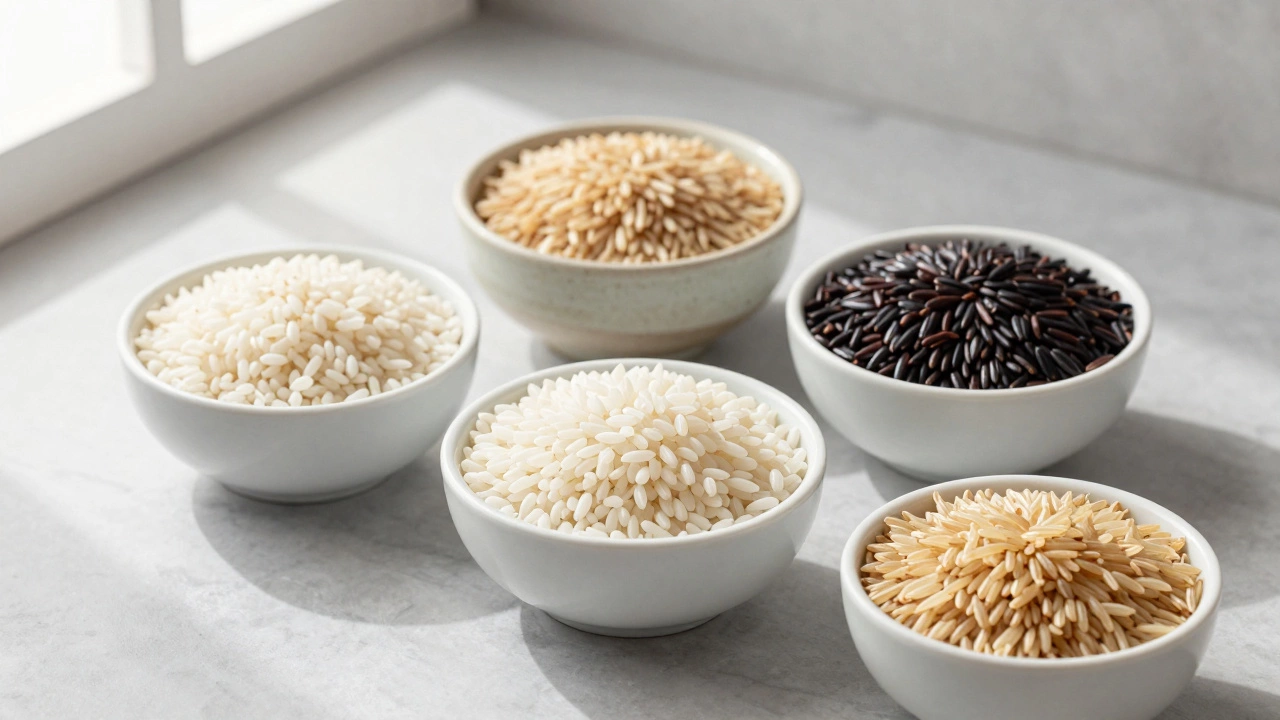
Not all rice is created equal, and depending on your health goals, you might pick one over the other. Whether you're looking for a quick side dish or a nutrient-dense base for a Buddha bowl, the type of grain changes the nutritional profile.
| Rice Type | Processing | Nutritional Focus | Best Use Case |
|---|---|---|---|
| Brown Rice | Whole Grain | Fiber & Magnesium | Healthy meal prep bowls |
| White Rice | Refined | Quick Energy (Carbs) | Sushi or stir-fries |
| Wild Rice | Aquatic Grass | Protein & Antioxidants | Hearty winter salads |
| Black Rice | Whole Grain | Anthocyanins | Gourmet plating/Antioxidants |
Where the Vegan "Trap" Actually Is
If you're eating at a restaurant or buying pre-packaged meals, the raw grain is never the issue. The problem is the "extras." Many traditional rice dishes rely on animal products for flavor. For example, a classic seafood risotto uses chicken stock and heavy parmesan cheese. A fancy restaurant's steamed rice might be tossed in butter for a glossy finish. Even some store-bought rice mixes contain dried whey or honey-based glazes.
If you're cooking at home, you're in total control. Instead of butter, you can use a splash of olive oil or a knob of vegan butter. Instead of chicken broth, Vegetable Broth provides that same savory depth without the animal byproduct. If you're craving that creamy risotto texture, use cashew cream or a bit of nutritional yeast to mimic the cheesiness of parmesan.
Rice as a Protein Vehicle
One common myth is that vegans don't get enough protein because they eat too many "empty" carbs like rice. The trick is in the pairing. Rice isn't a complete protein on its own because it's low in certain amino acids. However, when you pair rice with Legumes-like black beans, chickpeas, or lentils-you create a complete protein profile. This is why staples like beans and rice are found in cultures all over the world, from Latin America to Southeast Asia.
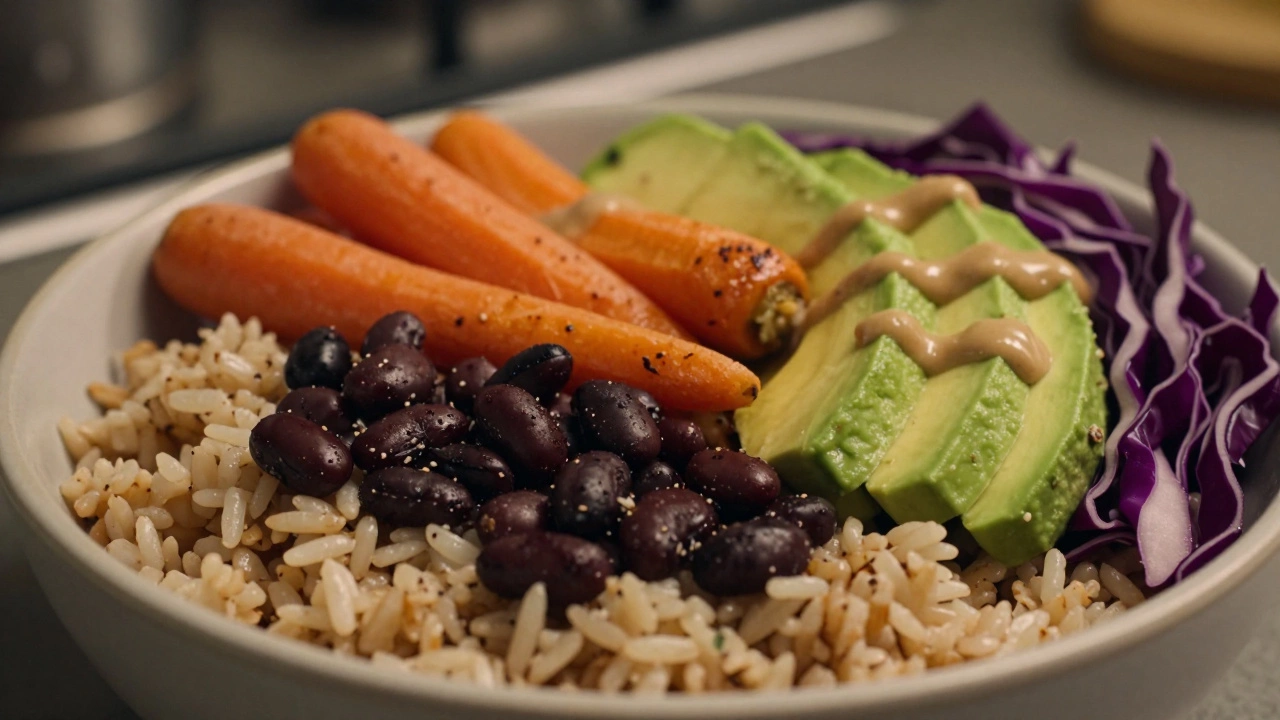
Think about a classic burrito bowl. You have the brown rice for energy and the black beans for protein. Together, they provide everything your muscles need to recover after a workout. It's a simple, cheap, and effective biological hack that makes a plant-based diet sustainable for the long haul.
Dealing with Common Misconceptions
You might wonder if certain rice processing methods involve animal products. Some people worry about the polishing process of white rice. In reality, the milling process is mechanical. It's just a machine stripping the husk and bran. There are no animal-derived waxes or coatings used in standard commercial rice production.
What about "enriched" rice? Some brands add vitamins back into white rice. These vitamins (like folic acid or iron) are typically synthetic or mineral-based. It's extremely rare to find an animal-derived additive in enriched rice, but if you're a strict legalist, checking the label for "Vitamin D3" (which can come from sheep's wool) is a good habit, though D3 is rarely found in rice.
Pro Tips for Better Vegan Rice
Since rice can be a bit bland on its own, vegans have a few tricks to make it the star of the show. Here are a few ways to level up your grain game:
- Toast it first: Before adding water, sauté your dry rice in a bit of oil for 2-3 minutes. It brings out a nutty flavor that makes the dish feel more professional.
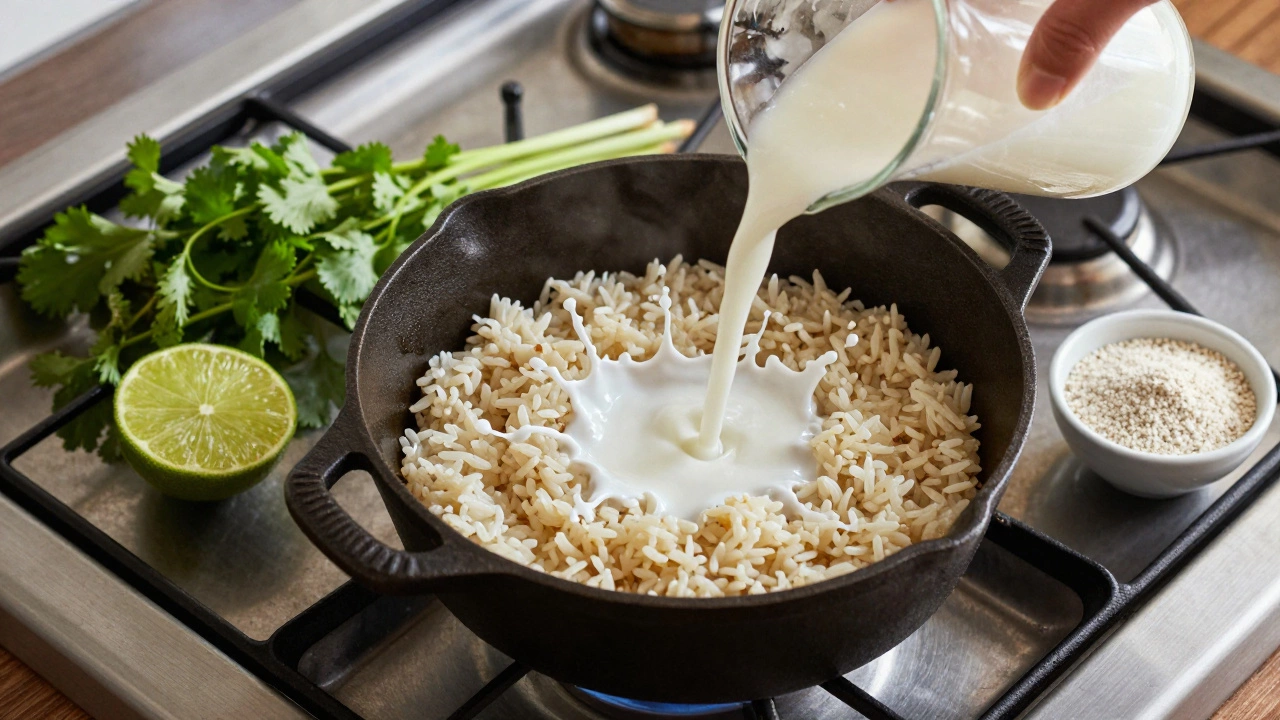
- Use Coconut Milk: Replace half of your cooking water with full-fat coconut milk for a creamy, tropical vibe that's perfect for curries.
- Acid balance: Add a squeeze of lime or a teaspoon of apple cider vinegar at the end. The acid cuts through the starch and wakes up the flavor.
- The Soak: Soak your brown rice for 30 minutes before cooking. It reduces the phytates, making the nutrients easier for your body to absorb.
Avoiding the "Hidden' Ingredients
When you're shopping for pre-cooked rice pouches or flavored mixes, keep an eye out for these sneaky non-vegan ingredients:
- Lard or Tallow: Some traditional-style rice boxes use animal fats for flavor.
- Honey: Found in some "sweet and savory" Asian-inspired mixes.
- Dairy Powder: Occasionally used in "creamy" rice pilaf mixes.
- Fish Sauce: A common ingredient in pre-made Thai-style rice. Look for a soy-based alternative instead.
If you're eating at a Japanese restaurant, be mindful of the sushi rice. While the rice, vinegar, and sugar are vegan, some chefs add tiny amounts of honey or use a seasoning that contains fish extract. A quick question to the server usually clears this up in seconds.
Is rice always vegan?
Yes, raw rice is a plant-based seed and is naturally vegan. However, the additives used during cooking-such as butter, chicken stock, or cream-can make a rice dish non-vegan.
Can vegans eat white rice?
Absolutely. White rice is completely vegan. While some prefer brown rice for the extra fiber, white rice is a perfectly acceptable and common staple in plant-based diets.
What is a good vegan substitute for buttered rice?
You can use extra virgin olive oil, coconut oil, or a high-quality vegan butter substitute. For a richer, nuttier flavor, try stirring in a tablespoon of tahini or almond butter.
Is risotto vegan?
Traditional risotto is not vegan because it usually contains butter, parmesan cheese, and chicken broth. However, you can easily make a vegan version using vegetable broth and nutritional yeast or vegan parmesan.
Does rice provide enough protein for vegans?
Rice contains some protein, but it is not a "complete" protein. To get all essential amino acids, vegans typically pair rice with legumes (like beans or lentils), creating a synergistic protein source.
Next Steps for Your Plant-Based Pantry
If you've mastered the basics of rice, try expanding your horizons. If you're bored with brown rice, try Quinoa or Farro. These grains offer different textures and slightly higher protein counts. For those struggling with digestion, try rinsing your rice thoroughly under cold water until the water runs clear; this removes excess surface starch and can make the grain easier on your stomach.
For those on a budget, buying rice in bulk is one of the smartest moves you can make. A 20lb bag of jasmine or basmati rice is incredibly cheap and ensures you always have a filling base for your meals. Pair it with frozen peas and a can of chickpeas, and you've got a nutritious, vegan dinner for less than a dollar per serving.




Write a comment