Stew Flavor Calculator
How Much Flavor Does Browning Add?
Flavor Rating
Based on browning vs. no browning
Flavor Impact
You’ve got a chunk of beef, a bag of carrots, and a Crockpot sitting on the counter. The plan? Easy, hearty stew. But then you pause. Browning the meat first? Is it really necessary? Or can you just toss it all in and call it a day?
The short answer? No, you don’t have to brown stew meat before putting it in the Crockpot. But if you skip it, you’re missing out on something big-flavor, depth, and that rich, savory character that turns good stew into unforgettable stew.
What Happens When You Skip Browning
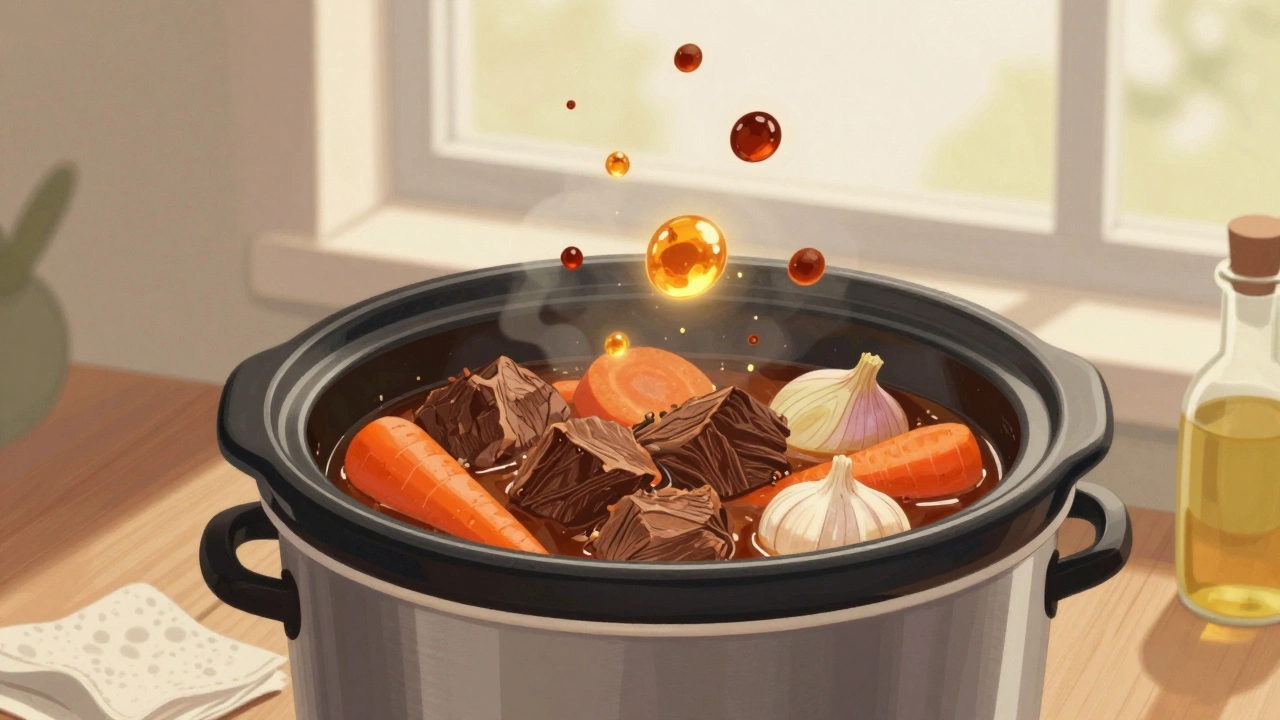
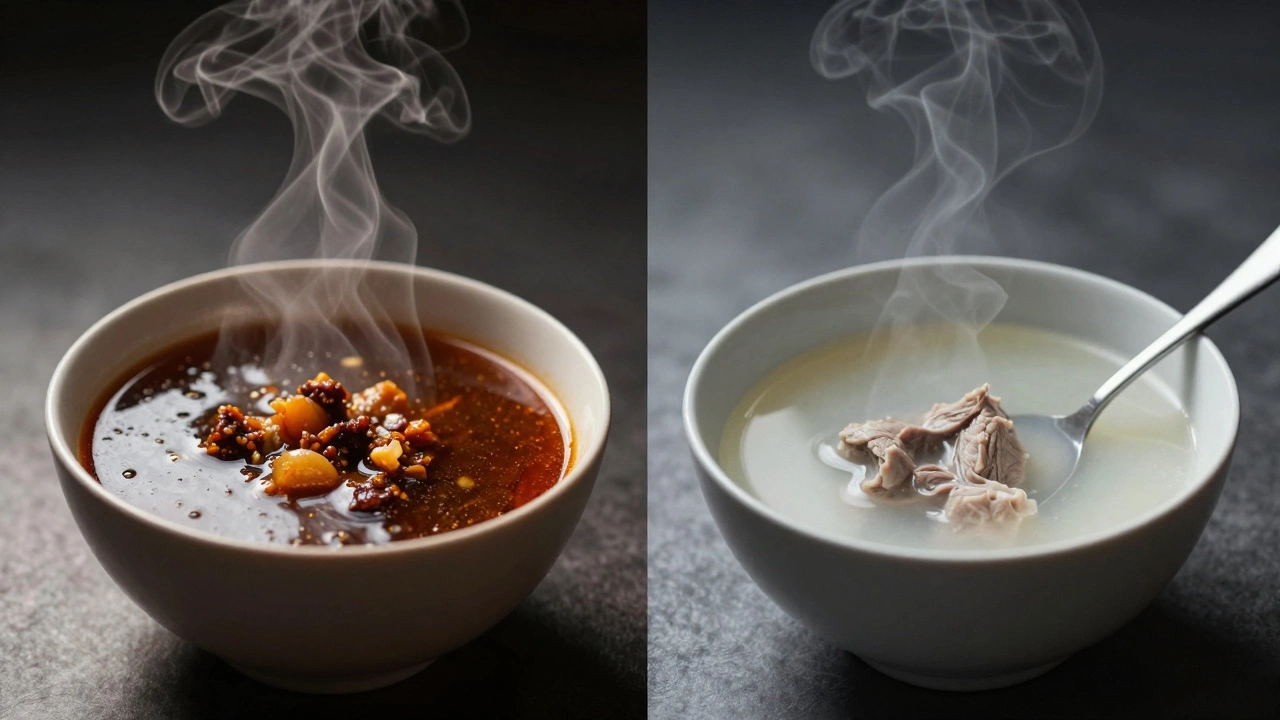
Put raw beef straight into the slow cooker, and it’ll cook. It’ll get tender. It’ll even taste fine, especially if you’ve got good broth, herbs, and garlic in there. But here’s the catch: it’ll taste flat. Like boiled meat in soup.
That’s because browning-also called searing-isn’t just about color. It’s chemistry. When meat hits a hot pan, the Maillard reaction kicks in. Proteins and sugars on the surface break down and recombine into hundreds of new flavor compounds. Those are the deep, meaty, almost umami notes that make beef stew taste like it’s been simmering for hours (even if it has).
Without that step, your stew lacks that backbone. It’s not wrong-it’s just... incomplete.
Why Browning Makes a Difference
Think of it like this: your Crockpot is a gentle, moist oven. It’s perfect for breaking down connective tissue and making tough cuts tender. But it doesn’t create crust. It doesn’t caramelize. It doesn’t build layers.
When you sear meat in a hot skillet before adding it to the pot, you’re doing three things:
- Building flavor through the Maillard reaction
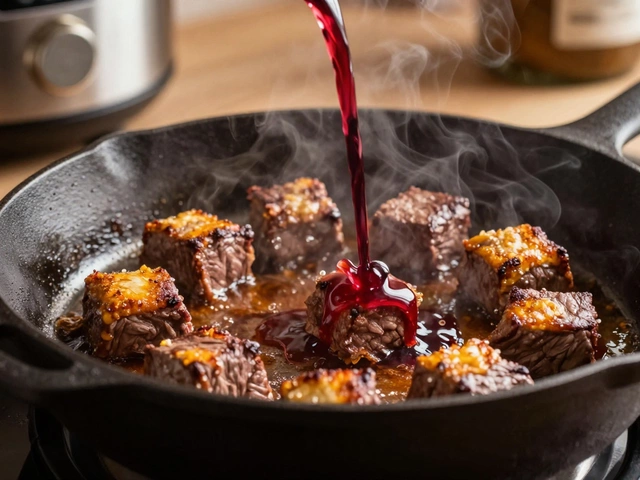
- Creating fond-the browned bits stuck to the pan-that dissolves into your broth and adds complexity
- Reducing excess surface moisture so the meat doesn’t steam instead of roast
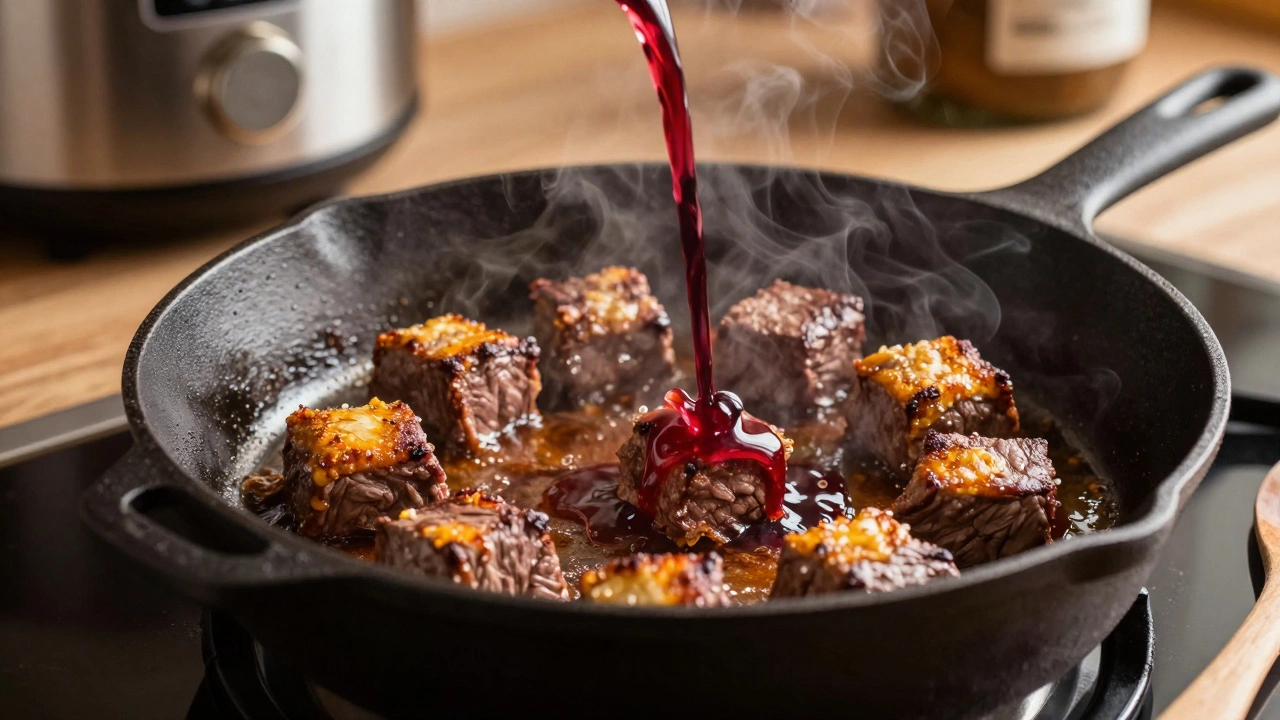
That fond? It’s gold. After you take the meat out, you can deglaze the pan with a splash of red wine, beef stock, or even just water. Scrape it up. Pour it into the Crockpot. That’s the secret ingredient most people never think to add.
Real talk: I’ve made stew both ways. The version with seared meat? My wife asked for seconds. The version without? She ate it, nodded politely, and didn’t ask for leftovers.
How to Brown Stew Meat Right (Without the Mess)
You don’t need a professional kitchen. You don’t even need a fancy pan. Just follow these simple steps:
- Pat the meat dry with paper towels. Wet meat steams instead of sears.
- Use a heavy-bottomed skillet-cast iron works best.
- Heat the pan over medium-high until it’s hot. Add a tablespoon of oil-vegetable, canola, or even olive oil if you like the flavor.
- Don’t crowd the pan. Brown in batches if needed. Overcrowding drops the temperature and turns your sear into a steam bath.
- Let the meat sit. Don’t move it for at least 2-3 minutes. You want a crust to form.
- Flip and brown the other side. It should take 4-6 minutes total per batch.
That’s it. Ten minutes of active time. One extra pan to wash. And a world of difference in flavor.
When You Can Skip Browning (And Still Be Happy)
Life’s busy. Sometimes you’re running late. Sometimes you’re tired. Sometimes you just don’t feel like dealing with a splattery skillet.
Here’s when skipping browning is totally fine:
- You’re using ground beef. It’s too fine to sear properly anyway. Just brown it in the pan, drain the fat, then add it to the pot.
- You’re making a stew with chicken thighs. They’re naturally juicy and don’t need the same depth as beef.
- You’re cooking for one or two people and want to minimize cleanup.
- You’re using a pre-seasoned or pre-browned meat product (like frozen stew meat with added flavoring).
Even then, if you’ve got five extra minutes, give it a quick sear. It’s worth it.
What About the Fat?
Some people skip browning because they don’t want to deal with the fat. Fair point. But here’s the thing: you don’t need to keep it.
After you sear the meat, pour off the excess fat. Leave just a tablespoon or two in the pan to help build flavor when you sauté onions or garlic. Or better yet-use a paper towel to wipe the pan clean after browning, then start fresh with a little new oil.
That’s how you get flavor without greasiness.
Pro Tip: Brown the Vegetables Too
Why stop at the meat? Toss your onions, carrots, and celery into the same hot pan after you’ve removed the meat. Let them soften and caramelize for 5 minutes. That adds another layer of sweetness and depth.
Then scrape it all into the Crockpot. Add your broth, herbs, and tomato paste. That’s when you know you’ve built something special.
Final Verdict: Do You Need to Brown It?
You don’t have to. But if you want your stew to taste like it came from a restaurant, or like your grandma used to make-then yes. Do it.
Browning takes five to ten minutes. It’s not hard. It’s not complicated. And it’s the single biggest flavor upgrade you can make to a slow cooker stew.
Think of it like putting on shoes before going for a walk. You can walk barefoot. But you’ll enjoy the trail more with them on.
Next time you make beef stew in the Crockpot, don’t skip the pan. Give it a shot. You’ll notice the difference-every single bite.





Write a comment