Gluten-Free Food Checker
Check if a food is safe for celiac disease
Enter any food, ingredient, or product name to see if it's gluten-free
Enter a food or ingredient to see if it's safe
If you have celiac disease, eating even a tiny bit of gluten can trigger serious damage to your small intestine. It’s not a food allergy or a preference-it’s an autoimmune disorder. Your body attacks its own lining when gluten shows up. That’s why knowing exactly what to avoid isn’t just helpful-it’s life-saving.
Wheat
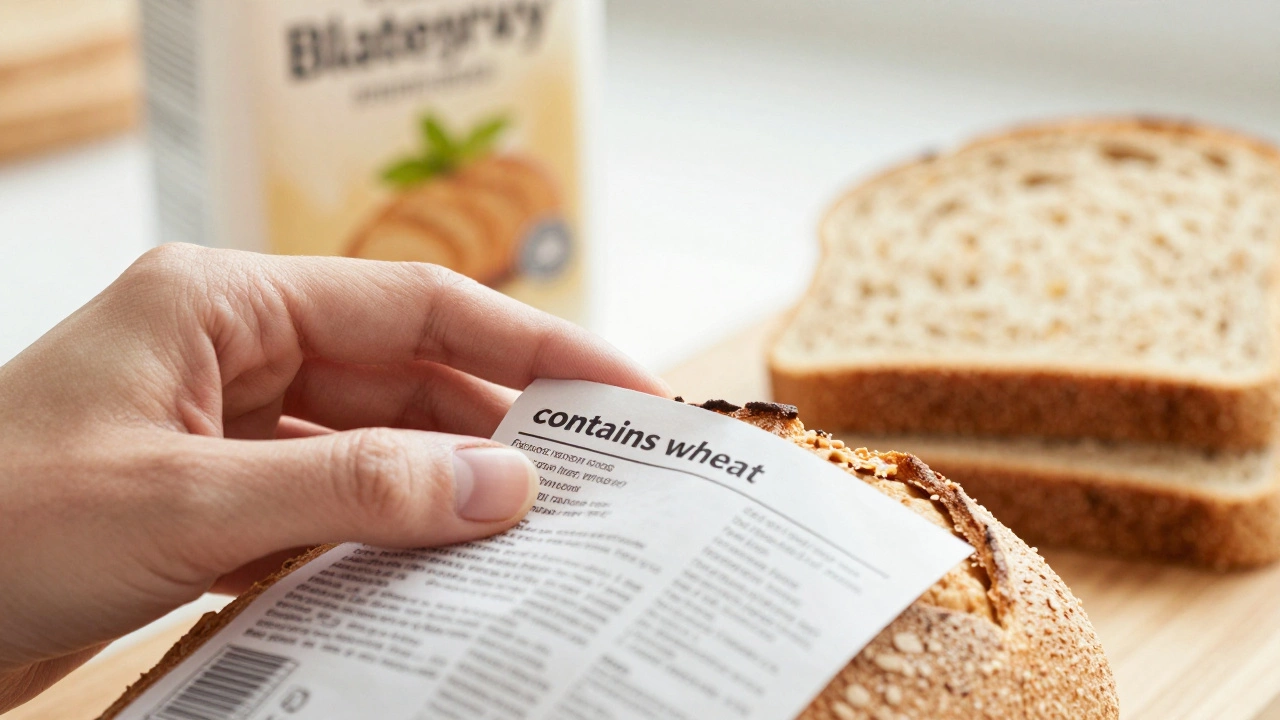
Wheat is the most common source of gluten, and it’s hiding everywhere. Bread, pasta, cereal, crackers, cookies, and even some sauces and soups often contain wheat flour. But it’s not just obvious bread products. Wheat can show up as modified food starch, malt flavoring, or hydrolyzed vegetable protein. If you’re new to gluten-free eating, check every label. Even if something says ‘natural’ or ‘whole grain,’ it could still be wheat. In the UK, wheat is one of the 14 major allergens that must be clearly labeled. Look for ‘contains wheat’ on the packaging. If you’re unsure, don’t risk it.
Barley
Barley is less obvious than wheat, but just as dangerous. It’s often used in soups, stews, and malted drinks. Malt vinegar, malted milkshakes, and some types of beer are made from barley. Even some energy bars and cereals use barley malt syrup as a sweetener. You might think ‘gluten-free beer’ is safe-but unless it’s made from gluten-free grains like sorghum or rice, it’s not. Barley is also used in some traditional British broths and gravies. If you’re eating out, ask if the stock or sauce contains barley. A simple ‘no’ from the kitchen can save you from days of pain.
Rye
Rye bread is popular in parts of Europe, especially in the UK and Germany. It’s dense, dark, and has a strong flavor. But rye contains gluten-just like wheat and barley. Rye flour is often mixed with wheat flour to make breads, crackers, and pretzels. Even if you only eat a slice of rye toast once a week, it’s enough to keep your gut inflamed. Some people think rye is ‘healthier’ than wheat, but for someone with celiac, that doesn’t matter. The gluten is still there. Look for ‘rye’ on ingredient lists. It’s not always labeled as ‘gluten’-so you need to know the names.

Oats (unless labeled gluten-free)
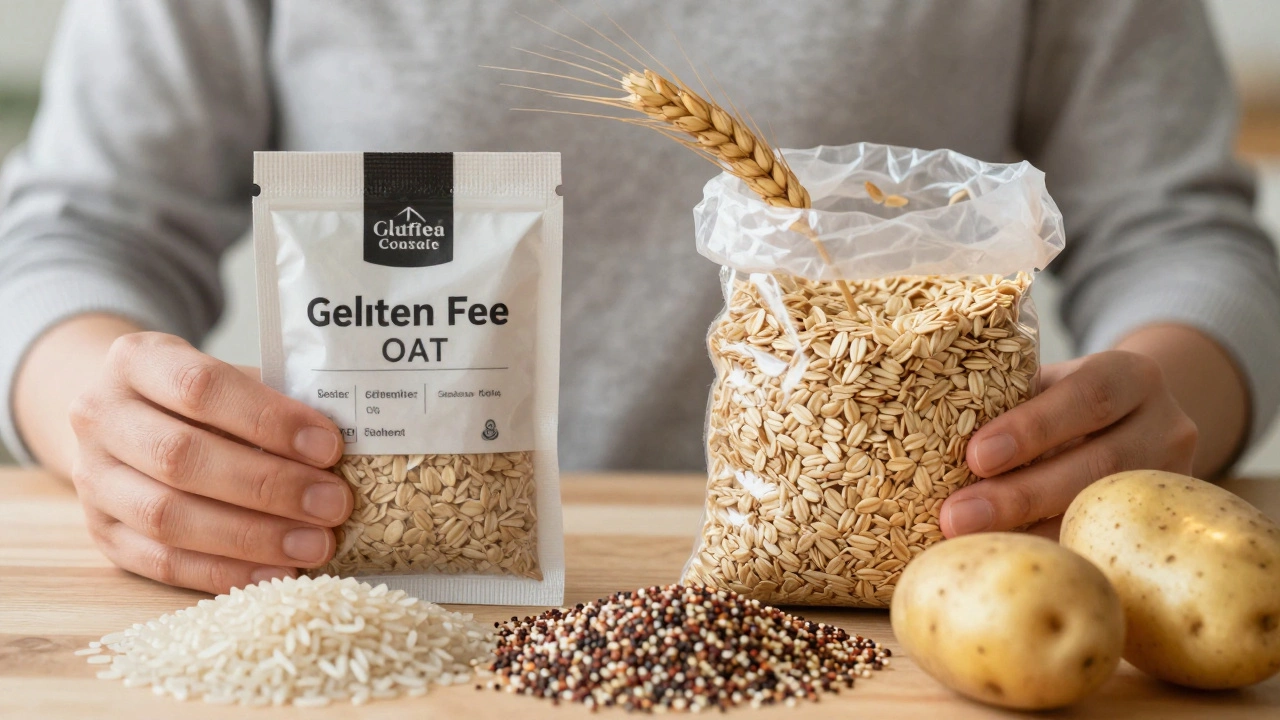
This one trips up a lot of people. Oats themselves don’t contain gluten. But they’re almost always contaminated during growing, harvesting, or processing. Oats are grown in rotation with wheat, barley, or rye. They’re also processed on the same equipment. So unless the package says ‘certified gluten-free,’ assume they’re unsafe. In the UK, only oats labeled as gluten-free are considered safe for people with celiac disease. Even then, some people still react to avenin, a protein in oats that’s similar to gluten. If you want to try oats, start with a small amount and monitor how you feel. Talk to your doctor first.
Processed Foods with Hidden Gluten
Gluten doesn’t just live in bread and pasta. It’s in places you wouldn’t expect. Soy sauce often contains wheat. Some salad dressings use malt vinegar. Ice cream might have cookie pieces or stabilizers made from wheat. Even medications, supplements, and lip balm can contain gluten. If you’ve been diagnosed with celiac, you need to become a label detective. Look for these hidden sources: modified food starch (if not specified as corn or potato), dextrin, hydrolyzed wheat protein, malt, and brewer’s yeast. When in doubt, call the manufacturer. Many companies have gluten-free lines and will confirm their ingredients. Don’t rely on ‘may contain’ warnings-they’re for allergies, not celiac. Only ‘gluten-free’ certified products are safe.
What to Eat Instead
Going gluten-free doesn’t mean eating less. It means eating smarter. Rice, corn, quinoa, buckwheat, millet, and amaranth are all naturally gluten-free grains. Potatoes, fruits, vegetables, meat, fish, eggs, nuts, and dairy (if you tolerate them) are safe too. Many supermarkets now have dedicated gluten-free aisles. Brands like Genius, Freee, and Nestlé GoFree offer reliable options. When cooking at home, use gluten-free flours like almond, coconut, or rice flour. You can still make pizza, pancakes, and cakes-just without the gluten. The key is to focus on whole, unprocessed foods. They’re safer, cheaper, and healthier.
How to Stay Safe
Cross-contamination is a silent killer. A toaster used for regular bread can leave enough gluten crumbs to trigger symptoms. Use separate cutting boards, utensils, and condiment jars. Clean surfaces before preparing food. When eating out, call ahead. Ask if the kitchen has a gluten-free protocol. Some restaurants train staff and use separate fryers. Others don’t. Don’t assume. Bring your own gluten-free snacks when traveling. Keep a list of safe brands in your phone. Join a celiac support group-local ones in Brighton meet monthly. You’re not alone.
Can I eat oats if I have celiac disease?
Only if they’re labeled ‘certified gluten-free.’ Regular oats are almost always contaminated with wheat, barley, or rye during farming or processing. Even then, a small number of people with celiac react to avenin, a protein in oats. Start with small amounts and watch for symptoms. Always check with your doctor before adding oats to your diet.
Is soy sauce gluten-free?
Most traditional soy sauce contains wheat. Look for tamari instead-it’s often made without wheat and labeled gluten-free. Some brands like San-J and Kikkoman offer certified gluten-free soy sauce. Always read the label. If it says ‘soy sauce’ without clarification, assume it contains gluten.
Can I drink beer if I have celiac disease?
Regular beer is made from barley and is not safe. Some beers are labeled ‘gluten-removed,’ but these are still risky-testing shows they can contain gluten above safe levels. Only choose beers made from gluten-free grains like sorghum, rice, or buckwheat. Brands like Grounds for Change and Ghostfish are reliable options.
What should I do if I accidentally eat gluten?
There’s no quick fix. Symptoms like bloating, diarrhea, or fatigue can last days. Rest, drink water, and avoid more gluten. If symptoms are severe or last longer than a week, contact your doctor. Long-term, repeated exposure can lead to nutrient deficiencies and other autoimmune conditions. Prevention is the only real treatment.
Are there gluten-free alternatives for bread and pasta?
Yes. Many brands make gluten-free bread, pasta, and pizza bases using rice, corn, potato, or quinoa flour. Look for ones with added fiber and protein for better nutrition. Homemade versions using almond or chickpea flour can be healthier and cheaper. Try different brands-taste and texture vary a lot. Don’t give up if the first one doesn’t work.





Write a comment