Slow Cooker Layering Planner
Visualize Your Pot Layers
Click ingredients below to add them in the correct order. Heat rises from the bottom!
Add Ingredients
Picture this: you walk through the door after a long day, and instead of facing a sink full of dishes and a cold counter, your house smells like roasted garlic and tender beef. That is the magic of a slow cooker, also known as a crockpot. It is a countertop electrical appliance that cooks food at low temperatures over a long period.
If you are new to this world, it can feel a bit intimidating. Is it safe? Will I burn the house down? Do I need special pots? The short answer is no, yes (don't worry), and no. This guide will take you from zero knowledge to making restaurant-quality meals with minimal effort. We will cover the basics, safety, timing, and how to avoid the most common mistakes beginners make.
Understanding Your Slow Cooker Basics
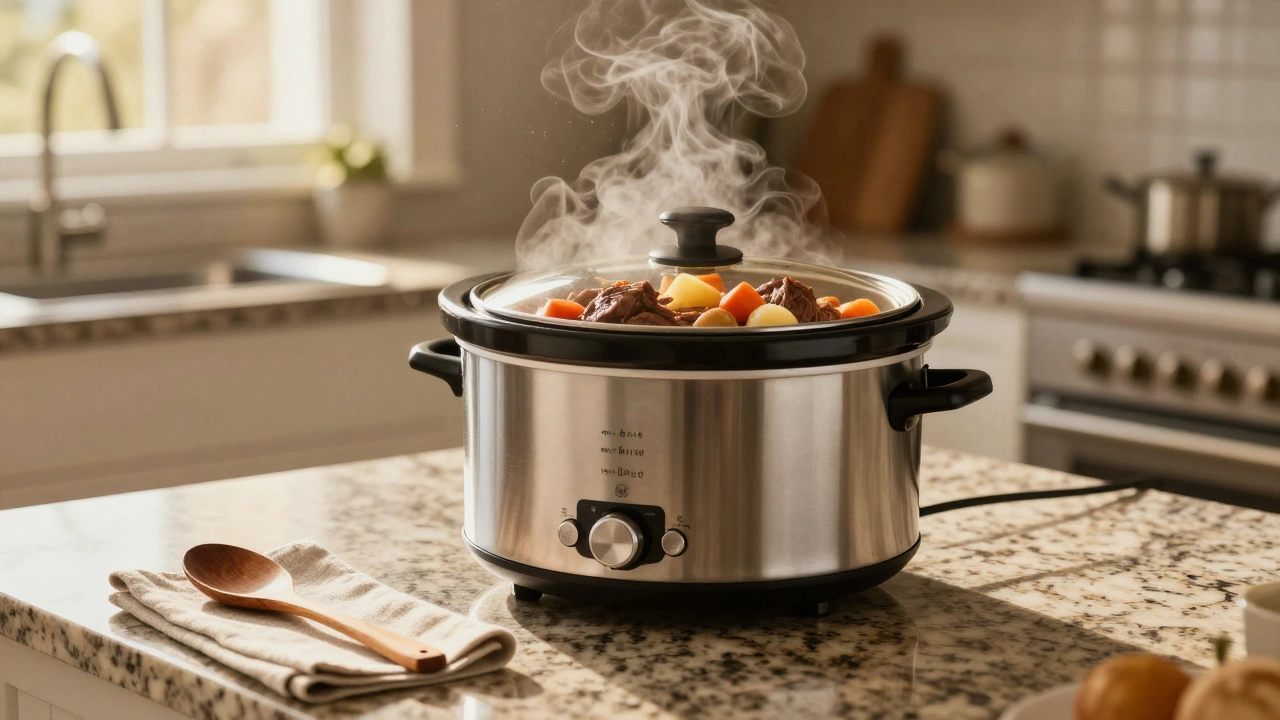
Before we throw any meat in there, let's look at what you actually have on your counter. Most modern slow cookers are surprisingly simple machines, but understanding their parts helps you use them better.
The device consists of three main components:
- The Base: This houses the heating element and the control dial. It stays cool to the touch on the outside but gets very hot inside.
- The Pot (Casserole Dish): Usually made of ceramic or stoneware, this sits inside the base. It retains heat well and distributes it evenly. Note that this part is heavy and can crack if dropped or subjected to sudden temperature changes.
- The Lid: Glass or metal. Its job is to trap steam and moisture. This is crucial because slow cooking relies on a sealed environment to tenderize tough cuts of meat.
You will see settings like Low, High, and sometimes Warm. Here is the rule of thumb for these settings:
- Low: Ideal for long days (8-10 hours). Great for when you are at work all day.
- High: Faster cooking (4-6 hours). Good for shorter timeframes or larger quantities of food.
- Warm: Keeps food at a safe serving temperature (around 165°F or 74°C) without continuing to cook it significantly. Use this only after the food is fully cooked.
A key relationship to remember: Low setting is approximately half the temperature of High setting. However, they do not produce identical results. High heat breaks down connective tissue faster, while low heat allows flavors to meld more gently over time.
Safety First: Myths and Facts
One of the biggest fears beginners have is safety. Let’s clear the air. A slow cooker is one of the safest appliances in your kitchen if used correctly. The exterior remains relatively cool, reducing burn risks compared to an oven. Also, because it operates at a lower temperature, it doesn’t dry out the air in your kitchen like an oven does.
However, there are real risks to manage:
- Bacterial Growth: Food must reach a safe internal temperature quickly enough to kill bacteria. Never leave raw meat sitting out at room temperature for more than two hours before putting it in the cooker. If you are using frozen meat, ensure your model supports it (more on that later).
- Lid Handling: The lid gets extremely hot. Always use oven mitts or dry towels to lift it. Lifting the lid too often lets out heat and extends cooking time by about 20 minutes for every peek.
- Electrical Safety: Keep the cord away from the hot body of the cooker. Don’t run the cord under the appliance or across sharp edges.
Did you know that the USDA recommends keeping food above 140°F (60°C) to prevent bacterial growth? Your slow cooker’s Low setting typically maintains temperatures between 190°F and 200°F, which is well within the safe zone once the food has heated up.
The Golden Rules of Slow Cooking
To get great results every time, follow these core principles. These aren't just suggestions; they are the physics of how your appliance works.
1. Don’t Overfill the Pot
Your slow cooker needs space for steam to circulate. Fill it between half and two-thirds full. If you fill it to the brim, the food may boil over, creating a mess and potentially causing uneven cooking. If you’re cooking something that expands, like rice or beans, stick to the halfway mark.
2. Layering Matters
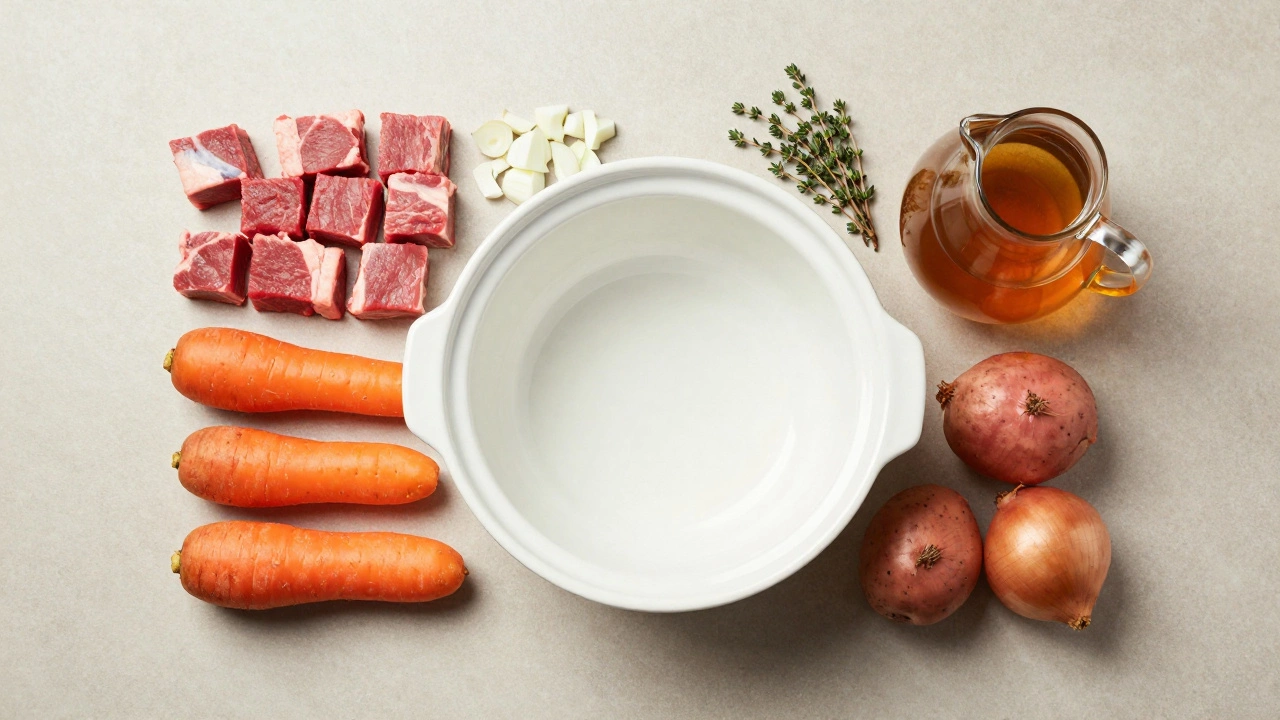
Think of your slow cooker like a lasagna. Place hard vegetables (carrots, potatoes, parsnips) at the bottom where the heat source is strongest. Place meats in the middle. Delicate ingredients (herbs, leafy greens, dairy) go on top or are added in the last 30 minutes. This ensures everything finishes cooking at the same time.
3. Liquid is Key, But Not Too Much
Unlike baking, where evaporation concentrates flavors, a slow cooker traps almost all moisture. You don’t need as much liquid as you might think. Generally, use about one cup of liquid for most recipes. Too much liquid will result in soupy, bland food. Broth, wine, tomato sauce, or even water work fine.
4. Brown Meat First (Optional but Recommended)
While you can throw raw meat directly into the pot, browning it in a skillet first adds depth of flavor due to the Maillard reaction. This chemical process creates complex savory compounds that boiling alone cannot achieve. Sear your steak or chicken thighs until golden brown, then transfer them to the slow cooker. It takes five extra minutes but makes a huge difference.
Common Mistakes to Avoid
Even with the best intentions, beginners often trip up on these specific issues. Knowing them beforehand saves you from ruined dinners.
| Mistake | Why It Happens | Solution |
|---|---|---|
| Adding Dairy Too Early | Curdling from prolonged heat | Add milk, cream, or yogurt in the last 30 minutes |
| Using Frozen Meat | Keeps the pot temp below safe levels for too long | Thaw meat completely before cooking, unless your manual says otherwise |
| Overcooking Vegetables | They turn to mush | Cut them large or add them later in the process |
| Ignoring Salt Levels | Flavors don't reduce, so salt stays strong | Season lightly at start, taste and adjust at end |
Another major pitfall is assuming all slow cookers are created equal. A 3-quart mini cooker behaves differently than a 7-quart oval model. Always check your specific model’s manual for capacity guidelines. Using a recipe designed for a large pot in a small one will lead to overflow and undercooked food.
Essential Tools and Accessories
You don’t need a lot of gear, but having the right tools makes life easier. Here is what you should consider adding to your kitchen arsenal:
- Silicone Trivet/Rack: This lifts food off the bottom of the pot. It prevents burning and allows heat to circulate underneath. Essential for roasts and casseroles.
- Meat Thermometer: The only way to know if your chicken or pork is truly done. Aim for 165°F for poultry and 145°F for pork, followed by a rest period.
- Slotted Spoon: Helps you remove solids from liquids easily, perfect for serving stew meat without drowning it in broth.
- Parchment Paper Liners: For messy recipes like pulled pork or chili, these liners make cleanup a breeze. Just lift the liner out and toss it.
Remember, the goal is convenience. If cleaning the pot feels like a chore, you’ve defeated the purpose of the appliance. Invest in accessories that save you scrubbing time.
Simple Beginner-Friendly Recipes
Ready to try it out? Start with these foolproof recipes that highlight the strengths of slow cooking.
1. Classic Beef Stew
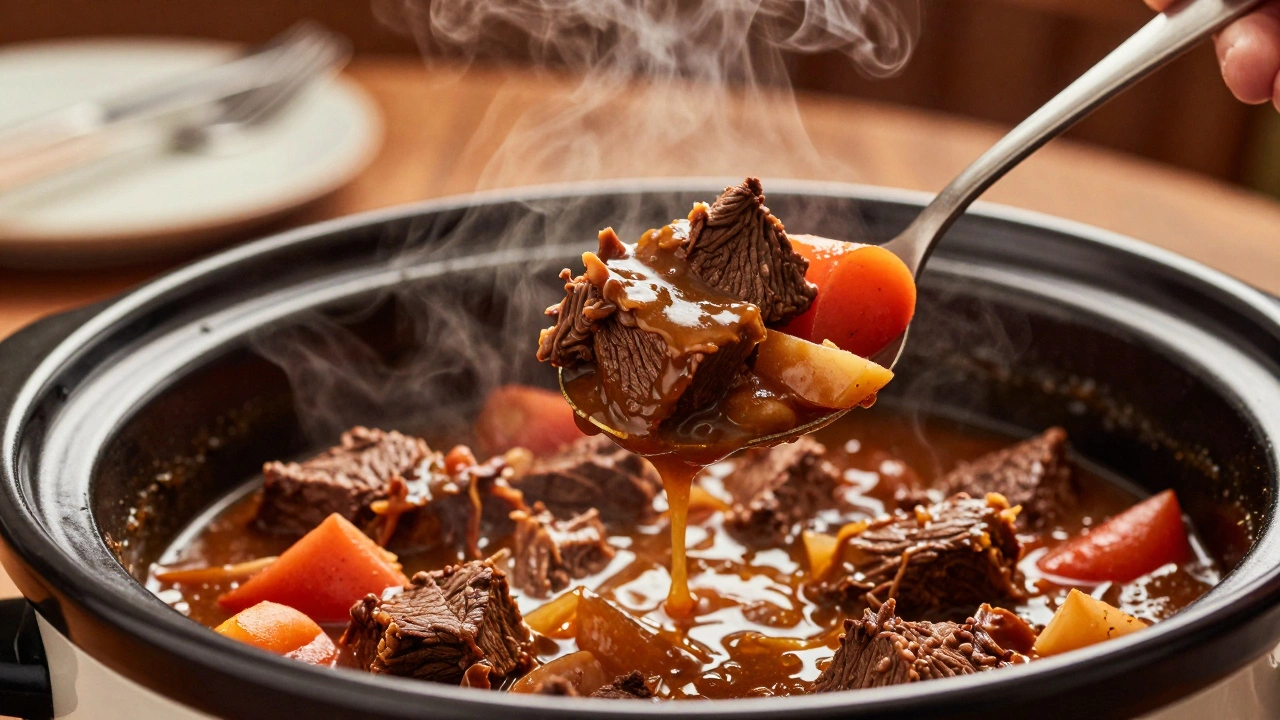
This dish showcases how tough cuts become tender. Cube 2 lbs of chuck roast. Add 3 cups of beef broth, 4 diced carrots, 3 diced potatoes, and 1 diced onion. Season with thyme, rosemary, salt, and pepper. Cook on Low for 8 hours. The result is fall-apart beef in a rich gravy.
2. Chicken Tacos
Place 2 lbs of boneless, skinless chicken breasts in the pot. Pour over 1 cup of salsa and 1 packet of taco seasoning. Cook on High for 3-4 hours. Shred the chicken with two forks and serve in tortillas. It’s quick, flavorful, and requires zero chopping skills.
3. Overnight Oats (Yes, in a Slow Cooker!)
Combine 1 cup of rolled oats, 2 cups of milk, 1 banana sliced, and a dash of cinnamon. Cook on Low for 6-8 hours overnight. In the morning, you have warm, creamy oatmeal ready to eat. Top with nuts and berries.
Troubleshooting Your Meals
Even experts have bad batches. Here is how to fix common problems:
- Food is Too Watery: Remove the lid for the last 30 minutes of cooking to allow excess moisture to evaporate. Alternatively, mix 1 tablespoon of cornstarch with 1 tablespoon of cold water and stir it in during the last 15 minutes to thicken.
- Food is Undercooked: Check if the pot was too empty or too full. Ensure the lid was seated correctly. If it’s still underdone, switch to High and cook for another hour, checking frequently.
- Flavor is Bland: Slow cooking doesn’t concentrate flavors like simmering on a stove. Taste your food before serving. Add a splash of vinegar, lemon juice, or soy sauce to brighten it up. Fresh herbs added at the end also help.
Don’t be discouraged by a failed attempt. Slow cooking is forgiving. Most mistakes can be salvaged with a little adjustment.
Frequently Asked Questions
Can I put frozen meat in a slow cooker?
It is generally not recommended. Large blocks of frozen meat keep the entire pot in the "danger zone" (between 40°F and 140°F) for too long, allowing bacteria to grow. If you must use frozen meat, ensure it is individually quick-frozen pieces (like ground beef patties) and your cooker heats up quickly. Always consult your manufacturer’s manual.
Do I need to add water to a slow cooker?
Not always. Many ingredients release their own juices as they cook. However, some liquid is usually necessary to create steam and prevent burning. Use broth, wine, tomato sauce, or coconut milk instead of plain water for better flavor. Start with less liquid than you think you need; you can always add more, but you can’t remove it easily.
Is it safe to leave a slow cooker running overnight?
Yes, most modern slow cookers are designed for unattended use. They have automatic shut-off features or switch to "Warm" mode after a set time. Ensure the cooker is placed on a stable, heat-resistant surface away from flammable materials. Never cover the lid with aluminum foil, as this can trap excessive heat and damage the unit.
What cuts of meat are best for slow cooking?
Choose tougher, cheaper cuts with lots of connective tissue, such as chuck roast, brisket, pork shoulder, and lamb shanks. The long, slow cooking process breaks down collagen into gelatin, resulting in tender, juicy meat. Lean cuts like chicken breast or sirloin steak can become dry and stringy if cooked for too long.
Can I use my slow cooker for baking?
You can bake certain items like breads, cakes, and cornbread, but the results differ from an oven. The moist environment means crusts won’t crisp up. Use parchment paper and grease the pot well. Expect longer baking times and denser textures. It’s great for moist desserts like cheesecakes or fruit crumbles.

Write a comment