Find Your Perfect Dessert Match
Answer these three quick questions to find out which of the world's top desserts is right for you.
Your Match:
Picture this: you walk into a bakery in New York, another in Tokyo, and a third in Paris. Chances are, three specific names will appear on every single menu board. They transcend language barriers, cultural boundaries, and even dietary trends. We are talking about Chocolate Cake, Tiramisu, and Cheesecake. These aren't just random sweets; they are the undisputed heavyweights of the dessert world.
If you've ever wondered why these three stand out from thousands of other pastries and puddings, you're not alone. It’s not just about sugar content-it’s about texture, history, and universal appeal. In this guide, we’ll break down exactly why these three desserts dominate global popularity, how to make them at home without stress, and what makes each one unique. Whether you’re baking for a crowd or treating yourself after a long week, understanding these classics is key.
The Undisputed King: Chocolate Cake
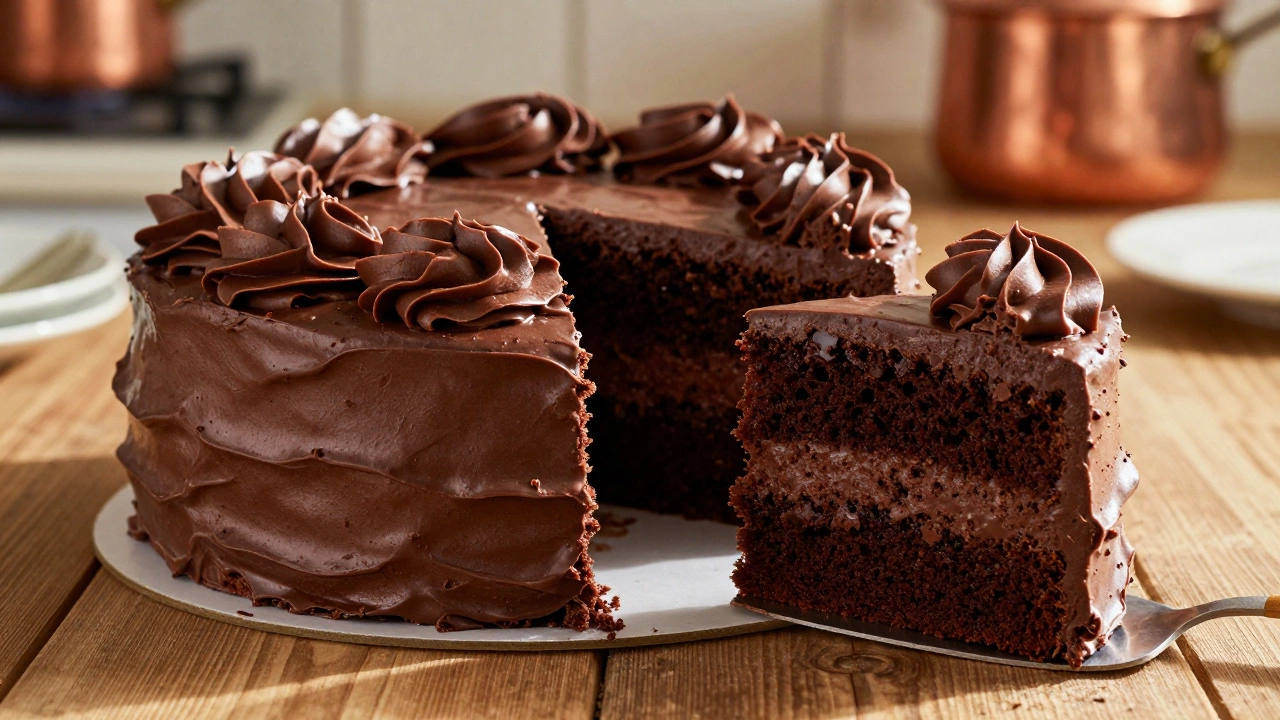
When people ask for their favorite dessert, "chocolate" is usually the first word that comes out. But specifically, it’s the chocolate cake that reigns supreme. Why? Because it hits every sensory note perfectly. You get the rich, bitter-sweet depth of cocoa, the moist crumb of the sponge, and the creamy contrast of frosting. It’s versatile enough to be served warm with ice cream or cold as a slice of celebration.
Chocolate Cake is a baked dessert made primarily from flour, sugar, eggs, butter, and cocoa powder, often layered with chocolate ganache or buttercream frosting. It has been a staple in Western baking since the 19th century when cocoa became widely available. Today, it remains the top choice for birthdays, holidays, and casual cravings alike.
The beauty of chocolate cake lies in its adaptability. You can make it dense and fudgy like a brownie, light and airy like a genoise, or somewhere in between. The most popular variation globally is the classic layer cake with chocolate buttercream. However, regional twists keep it fresh:
- German Chocolate Cake: Named after Samuel German, who created a dark baking chocolate in 1852. This version features a coconut-pecan frosting rather than chocolate, offering a chewy, nutty contrast.
- Flourless Chocolate Cake: A gluten-free favorite that relies on eggs and butter for structure, resulting in a dense, almost mousse-like texture.
- Tres Leches Cake (Chocolate Version): While traditionally vanilla, many Latin American bakeries now soak sponge layers in milk and top them with chocolate whipped cream, blending two popular concepts.
To make a truly great chocolate cake at home, focus on quality cocoa. Natural cocoa is acidic and pairs well with baking soda, while Dutch-processed cocoa is neutral and works better with baking powder. Don’t skimp on the fat-butter adds flavor, but oil keeps the cake moist longer. A simple rule of thumb: use room temperature ingredients to ensure even mixing and a smooth batter.
The Italian Icon: Tiramisu
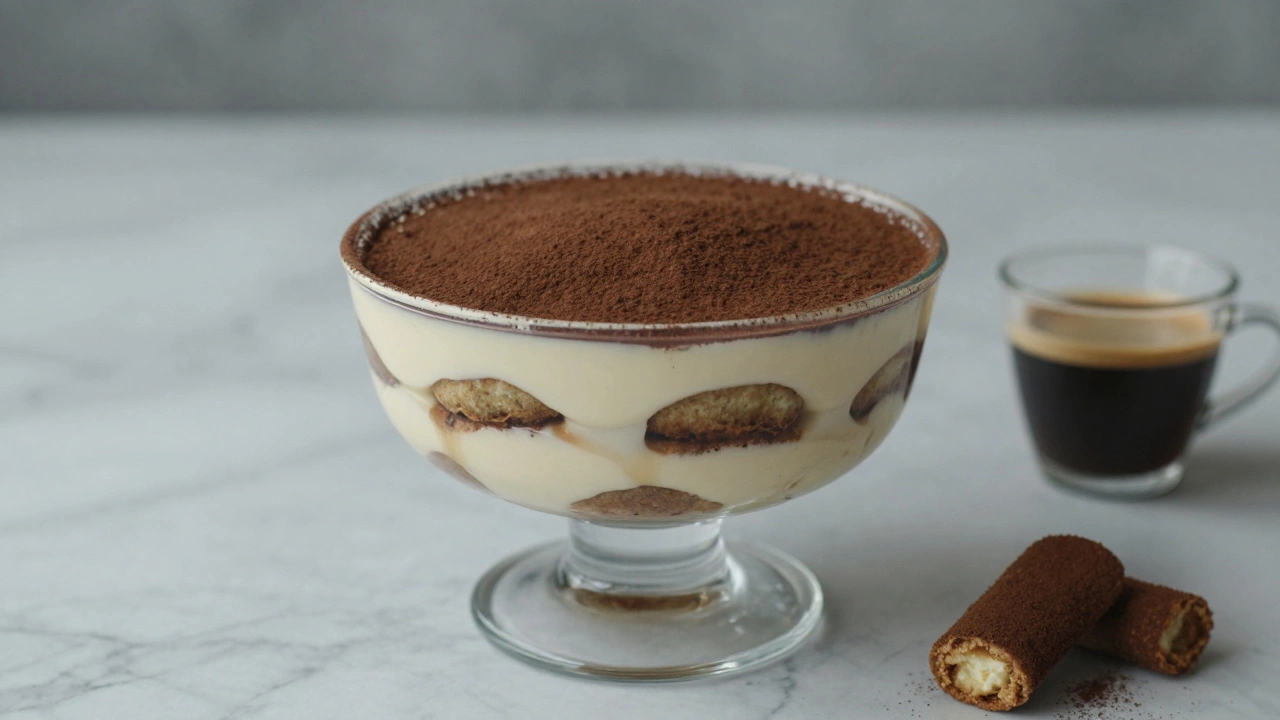
If chocolate cake is the king, then Tiramisu is a no-bake Italian dessert consisting of layers of coffee-soaked ladyfingers and a mixture of mascarpone cheese, eggs, sugar, and cocoa powder. The name translates to "pick me up," referring to the energy boost from the caffeine and sugar. Originating in the Veneto region of Italy in the 1960s, it quickly spread across Europe and eventually the world. What makes tiramisu so popular? It’s sophisticated yet simple. There’s no oven required, which appeals to home cooks, and the flavor profile is complex-bitter coffee, sweet cream, and earthy cocoa.
The magic of tiramisu is in the balance. Too much coffee, and it becomes soggy and bitter. Too little, and it tastes like plain cream cheese. The secret ingredient is mascarpone, an Italian cream cheese that is richer and smoother than regular cream cheese. It provides the luxurious mouthfeel that defines the dish.
| Ingredient | Role in Dessert | Common Substitutes |
|---|---|---|
| Ladyfingers (Savoiardi) | Structure and coffee absorption | Biscotti, shortbread cookies |
| Mascarpone Cheese | Creaminess and richness | Heavy cream + cream cheese mix |
| Eggs | Binding and fluffiness | Whipped cream (for raw egg concerns) |
| Espresso Coffee | Flavor base | Strong brewed coffee |
| Cocoa Powder | Dusting and bitterness | Dark chocolate shavings |
One common mistake people make is soaking the ladyfingers too long. You want them damp, not drowning. Dip them quickly-two seconds per side is usually enough. Another pro tip: let the tiramisu rest in the fridge for at least 12 hours before serving. This allows the flavors to meld and the layers to set properly. If you’re worried about raw eggs, you can pasteurize them by gently heating the egg yolk and sugar mixture over a double boiler until it reaches 160°F (71°C).
The Global Favorite: Cheesecake
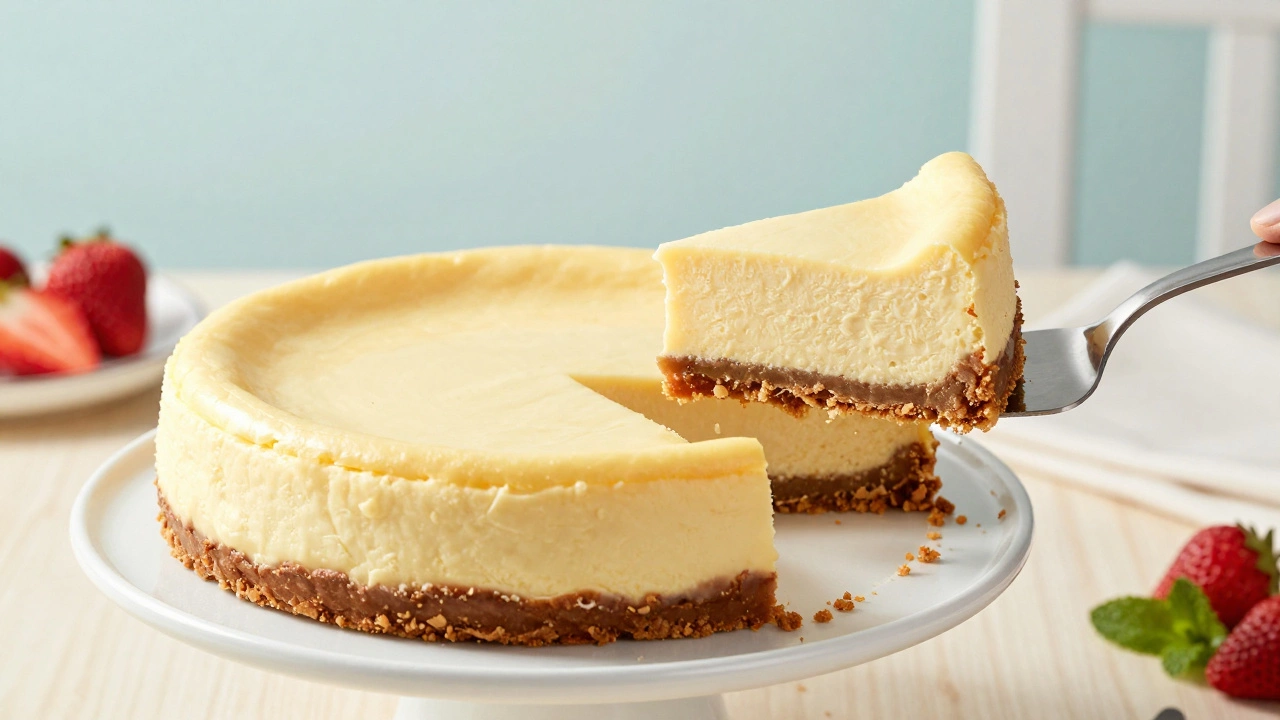
Last but certainly not least is Cheesecake is a sweet dessert featuring a base of crushed biscuits or graham crackers topped with a filling of cream cheese, sugar, and eggs, which may be baked or chilled. Its origins trace back to ancient Greece, where it was served to athletes at the first Olympic Games in 776 BC. Today, it’s a global phenomenon with countless variations. From the dense, baked New York style to the light, no-bake European versions, cheesecake satisfies a wide range of preferences.
Why is cheesecake so popular? It’s creamy, tangy, and customizable. Unlike chocolate cake, which is predominantly sweet, cheesecake has a slight acidity from the cream cheese that cuts through the sweetness. This balance makes it less cloying and more refreshing. Plus, it’s incredibly versatile. You can add fruit swirls, cookie crumbs, caramel drizzles, or even savory herbs like basil or lavender for a gourmet twist.
The most debated aspect of cheesecake is the crust. Graham crackers are standard in the US, while digestive biscuits are preferred in the UK and Australia. In Japan, you might find matcha-flavored crusts. The filling also varies significantly:
- New York Style: Dense, rich, and baked in a water bath to prevent cracking. Uses full-fat cream cheese and sour cream for extra tang.
- Philadelphia Style: Similar to New York but often lighter and sometimes includes whipped cream for airiness.
- No-Bake Cheesecake: Relies on gelatin or cornstarch to set the filling. Lighter texture and quicker to make, perfect for summer.
- Basque Burnt Cheesecake: A modern favorite from Spain. The exterior is deeply caramelized and rustic, while the center remains custardy and soft. No crust needed.
A critical tip for baking cheesecake: avoid overmixing the batter. Once you add the eggs, mix on low speed just until combined. Overmixing incorporates too much air, which causes the cake to rise and then collapse, leading to cracks. If you’re making a traditional baked cheesecake, run a knife around the edge of the pan immediately after removing it from the oven. This helps the cake shrink away from the sides instead of pulling and cracking.
Why These Three Dominate Global Palates
You might wonder, why these three? Why not apple pie, crème brûlée, or baklava? The answer lies in accessibility, scalability, and emotional connection. Chocolate cake, tiramisu, and cheesecake share several traits that make them universally beloved:
- Ingredient Availability: Cocoa, coffee, cream cheese, sugar, and eggs are available worldwide. You don’t need exotic spices or hard-to-find fruits to make these desserts.
- Texture Contrast: Each dessert offers a pleasing combination of textures. Chocolate cake has soft crumb and smooth frosting. Tiramisu has spongy cookies and creamy filling. Cheesecake has crunchy crust and velvety filling. Humans are wired to enjoy varied mouthfeels.
- Emotional Nostalgia: For many, these desserts are tied to childhood memories, celebrations, or comfort. Chocolate cake is the birthday default. Tiramisu feels like a fancy treat at a restaurant. Cheesecake is the go-to for potlucks and family gatherings.
- Customizability: All three can be easily adapted to dietary needs. Gluten-free flours work in chocolate cake. Dairy-free mascarpone alternatives exist for tiramisu. Vegan cheesecakes using cashews or tofu have become incredibly popular.
Moreover, social media has amplified their popularity. A slice of marble cheesecake, a dusted tiramisu square, or a towering chocolate cake are visually striking. They photograph well, which drives sharing and further demand. Food bloggers and influencers constantly reinvent these classics, keeping them relevant for new generations.
How to Choose the Right Dessert for Your Occasion
Knowing which of these three to make depends on your event, time constraints, and guest preferences. Here’s a quick decision guide:
- For Birthdays and Celebrations: Go with Chocolate Cake. It’s festive, easy to decorate, and universally loved. Add candles, sprinkles, or fondant figures to make it special.
- For Dinner Parties or Date Nights: Choose Tiramisu. It feels elegant and sophisticated. Serve it in individual glasses for a modern touch, or slice it from a platter for a classic presentation.
- For Potlucks or Large Groups: Opt for Cheesecake. It travels well, can be made ahead, and slices neatly. The variety of flavors ensures there’s something for everyone.
- For Quick Weeknight Treats: Make a No-Bake Cheesecake or a simplified Tiramisu. Both require minimal effort and can be assembled in under 30 minutes, plus chilling time.
Don’t feel pressured to stick to tradition. Mix and match elements. Try a chocolate cheesecake or a tiramisu-flavored cake. The best desserts are the ones that reflect your personal taste and creativity.
Common Mistakes to Avoid When Making Classic Desserts
Even experienced bakers can trip up on these classics. Here are some pitfalls to watch out for:
- Overmeasuring Flour: Scooping flour directly from the bag packs it down, leading to dry, dense cakes. Always spoon flour into your measuring cup and level it off, or better yet, use a kitchen scale.
- Using Cold Ingredients: Butter, eggs, and cream cheese should be at room temperature before mixing. Cold ingredients don’t emulsify properly, resulting in lumpy batter and uneven texture.
- Ignoring Oven Temperature: Ovens vary. Use an oven thermometer to ensure accuracy. An oven that runs hot can burn the outside of a cheesecake before the inside sets.
- Skiping the Water Bath (for Baked Cheesecake): A water bath creates steam, which cooks the cheesecake gently and evenly, preventing cracks. Wrap the bottom of your springform pan tightly in foil to prevent water leakage.
- Not Letting Desserts Set: Rushing to serve tiramisu or no-bake cheesecake leads to messy slices. Patience is key. Give them plenty of time in the fridge to firm up.
Conclusion: Embrace the Classics
Chocolate cake, tiramisu, and cheesecake aren’t just desserts; they’re cultural icons. They’ve stood the test of time because they deliver consistent satisfaction. Whether you’re a novice baker or a seasoned pro, mastering these three recipes gives you a solid foundation in dessert making. Experiment with flavors, tweak textures, and most importantly, enjoy the process. After all, the best part of baking isn’t just the eating-it’s the joy of creating something delicious from scratch.
What is the most popular dessert in the world?
While popularity can vary by region, chocolate cake is generally considered the most popular dessert globally due to its widespread availability, versatility, and universal appeal across different cultures and age groups.
Is tiramisu harder to make than cheesecake?
Tiramisu is often easier for beginners because it doesn’t require baking. The main challenge is balancing the coffee-to-cream ratio. Cheesecake requires more precision in baking, especially if you want a crack-free surface, but both are manageable with practice.
Can I make these desserts gluten-free?
Yes, all three can be made gluten-free. Use gluten-free flour blends for chocolate cake, gluten-free ladyfingers or biscuits for tiramisu, and gluten-free graham crackers or nuts for the cheesecake crust. Ensure all other ingredients are certified gluten-free.
Why does my cheesecake always crack?
Cracking is usually caused by overmixing the batter, baking at too high a temperature, or cooling the cheesecake too quickly. To prevent this, mix gently, use a water bath, bake at a moderate temperature, and let the cheesecake cool slowly in the turned-off oven with the door slightly ajar.
How long do these desserts last in the fridge?
Properly stored in airtight containers, chocolate cake lasts 3-4 days, tiramisu lasts 2-3 days (due to the dairy and coffee), and cheesecake lasts 4-5 days. For longer storage, freeze them individually wrapped for up to 1-2 months.


Write a comment