Gluten-Free Food Checker
Is this food gluten-free?
Check if your food item is naturally gluten-free based on the article's guidelines. Note: Always verify labels for processed foods and watch for cross-contamination.
If you’re avoiding gluten, you might feel like every food label is a puzzle. But here’s the truth: gluten-free doesn’t mean you’re stuck with boring salads and plain chicken. Many whole, natural foods are gluten-free by default - no checking ingredients, no reading fine print. You just need to know which ones to reach for.
1. Fresh fruits and vegetables
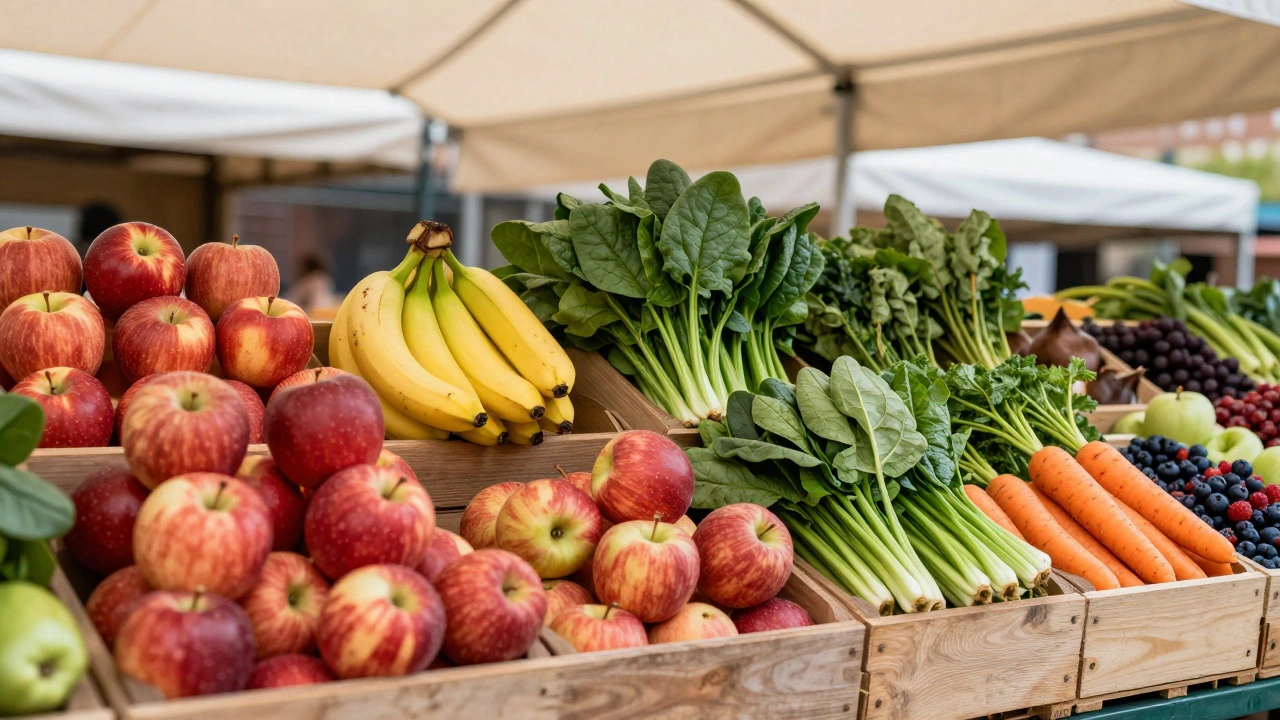
These are the easiest. Apples, bananas, spinach, carrots, broccoli, berries, bell peppers - they’re all naturally gluten-free. The only catch? Avoid pre-cut or pre-washed bags with added seasonings or sauces. Some brands use gluten-containing starches or thickeners in their washes. Stick to plain, whole produce, and you’re safe.
2. Eggs
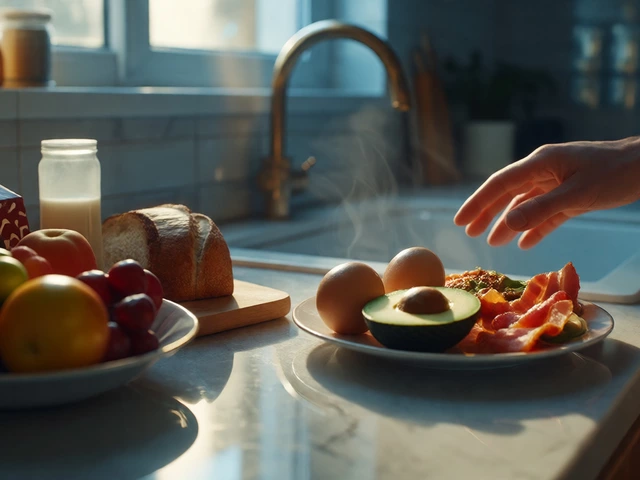
Eggs are one of the most underrated gluten-free staples. They’re cheap, filling, and work in everything - scrambles, omelets, baked goods (with gluten-free flour), or just boiled and eaten with salt. The only risk? Processed egg products like liquid egg whites in cartons. Some contain additives. Always check the label. Plain, shell eggs? Always safe.
3. Meat and poultry (unprocessed)
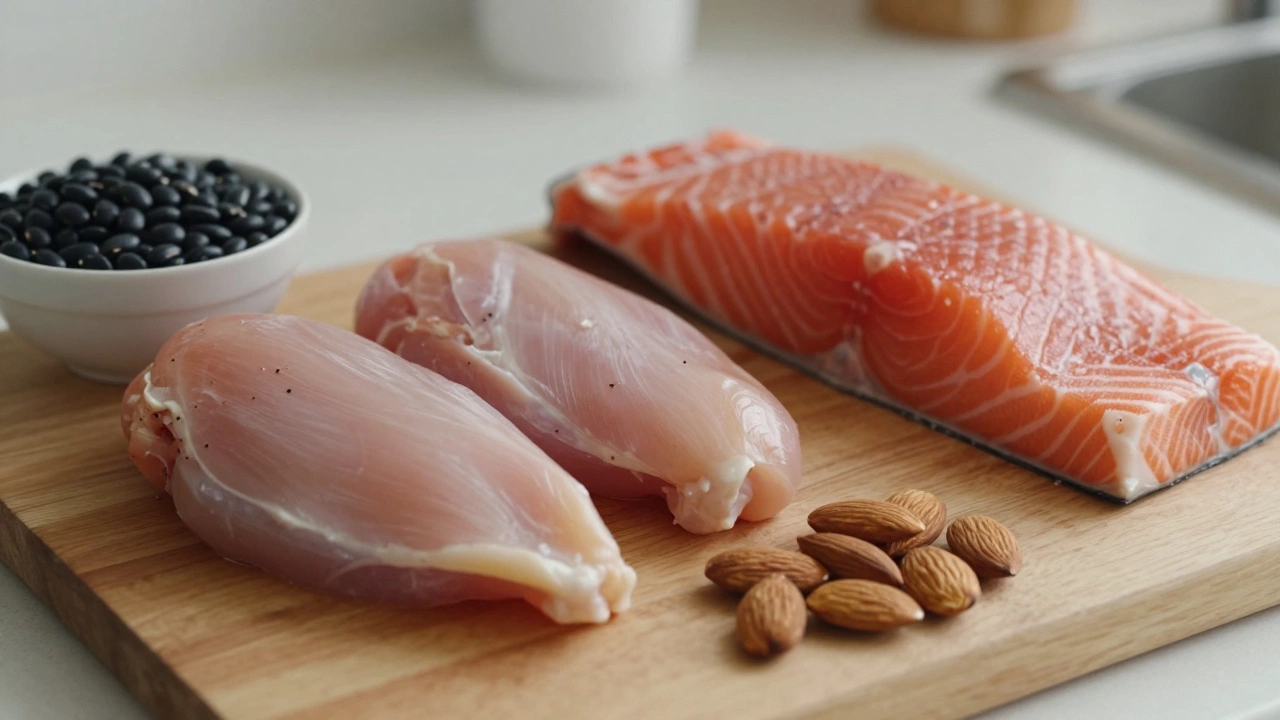
Chicken, beef, pork, lamb, turkey - all naturally gluten-free. But here’s where people get tripped up: marinated meats, breaded chicken, deli slices, and sausages. Those often hide gluten in flavorings, fillers, or binders. Stick to plain cuts from the butcher. If you buy pre-packaged, look for a certified gluten-free label. Plain ground beef? Fine. That “honey mustard glazed” pork tenderloin? Probably not.
4. Fish and seafood
Salmon, cod, shrimp, tuna, scallops - all gluten-free when fresh. Again, the danger is in what’s done to them. Breaded fish sticks? Gluten. Pre-made seafood sauces? Often contain soy sauce (wheat). Canned tuna in water? Safe. Canned tuna in a flavored broth? Check the ingredients. Stick to plain, unseasoned options unless the label says “gluten-free.”
5. Beans and legumes
Black beans, lentils, chickpeas, kidney beans - these are protein-packed and naturally gluten-free. Dried or canned? Both work. But canned beans sometimes have additives like modified food starch or flavor enhancers that contain gluten. Always rinse canned beans under water - it helps wash away any hidden additives. If you’re unsure, buy dry beans and cook them yourself. It’s simple, and you control everything.
6. Nuts and seeds
Almonds, walnuts, cashews, sunflower seeds, chia, flax - all gluten-free in their natural state. But watch out for flavored varieties. Honey-roasted peanuts? Often coated in wheat flour. Trail mixes? Some include pretzels or barley malt. Stick to raw or dry-roasted nuts with no added ingredients. Bulk bins? Be careful - cross-contamination can happen if scoops are used for both gluten and gluten-free items.
7. Dairy (plain)
Milk, plain yogurt, hard cheeses like cheddar, Swiss, and Parmesan - naturally gluten-free. The problem? Flavored yogurts, processed cheeses, and cream cheeses with additives. Some brands use wheat starch as a thickener. Stick to plain versions. If you like yogurt, buy plain and add your own fruit. Cheese? Go for blocks you grate yourself. Pre-shredded cheese often has anti-caking agents - some contain gluten.
8. Rice
White rice, brown rice, wild rice, black rice - all gluten-free. Rice is one of the safest grains for gluten-free diets. But rice-based products? Not always. Rice noodles, rice crackers, and rice cereals can be made with wheat flour or malt flavoring. Stick to plain, unseasoned rice. If you’re buying packaged rice mixes, read the label. Look for “100% rice” on the front.
9. Potatoes
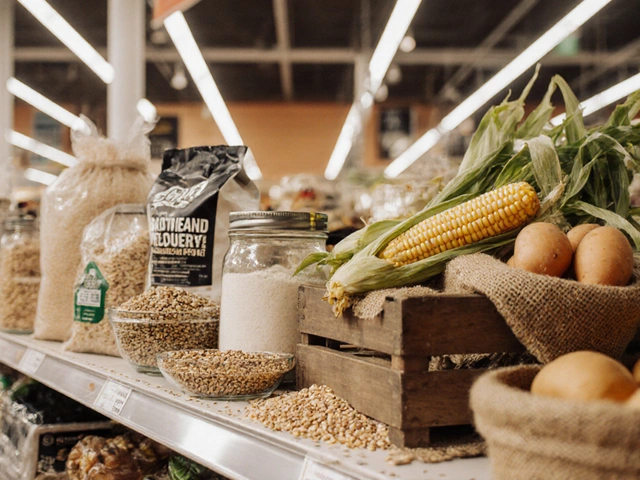
Potatoes are one of the most forgiving gluten-free foods. Baked, boiled, mashed, roasted - all fine. Even potato starch is gluten-free and often used as a thickener in gluten-free baking. But avoid pre-made potato products: frozen fries, tater tots, instant mashed potatoes. These often contain wheat flour or modified starch. Always check the ingredients. A plain russet potato? Perfect. A bag of “seasoned” fries? Skip it.
What about oats?
Oats are naturally gluten-free, but they’re almost always contaminated during farming or processing. Wheat, barley, and rye grow nearby, and shared equipment spreads gluten. That’s why you need certified gluten-free oats. Brands like Bob’s Red Mill and Gluten-Free Oats by GF Harvest are tested to ensure no cross-contact. Regular oats? Not safe. Certified gluten-free oats? Absolutely fine.
What’s not on this list?
Grains like wheat, barley, rye, and triticale? Always off-limits. Processed foods? Always check labels. Even things you’d think are safe - like soy sauce, malt vinegar, or beer - contain gluten. And don’t assume “natural flavors” are safe. They can hide gluten. When in doubt, go back to the basics: whole, single-ingredient foods.
How to build a simple gluten-free plate
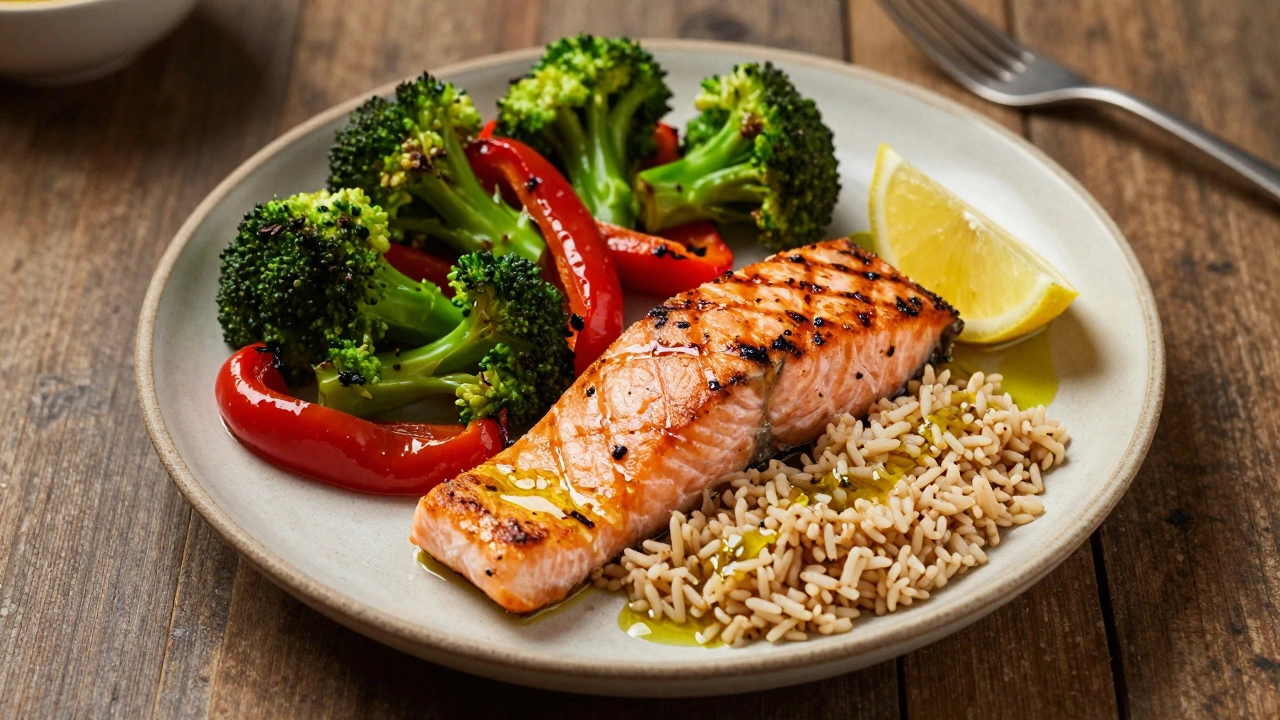
Here’s a quick trick: fill half your plate with vegetables. Add a palm-sized portion of meat, fish, or beans. Throw in a small side of rice or potatoes. Top it with a drizzle of olive oil or a squeeze of lemon. No sauces? No problem. That’s your gluten-free meal. No labels needed. No guesswork. Just real food.
What about cross-contamination?
Even if a food is gluten-free, it can get contaminated. A toaster used for regular bread? That’s a problem. A knife used to spread butter on a bagel? Don’t use it on gluten-free bread. Use separate cutting boards, toasters, and utensils if you live with someone who eats gluten. Clean surfaces with soap and water before prepping gluten-free meals. It’s not overkill - it’s necessary.
Are all fruits and vegetables gluten-free?
Yes, all fresh, whole fruits and vegetables are naturally gluten-free. The only exception is if they’re pre-cut, pre-washed, or coated in sauces or seasonings that contain gluten. Always check the ingredients list on packaged produce.
Can I eat oats on a gluten-free diet?
Regular oats are not safe because they’re often contaminated with wheat, barley, or rye during farming or processing. Only eat oats labeled “certified gluten-free.” These are grown and processed in dedicated facilities to avoid cross-contact.
Is rice always gluten-free?
Plain rice - white, brown, wild, or black - is always gluten-free. But rice-based products like flavored rice mixes, rice noodles, or rice crackers may contain gluten. Always read the ingredient label.
What about dairy products?
Plain milk, yogurt, and hard cheeses are gluten-free. But flavored yogurts, processed cheeses, and cream cheeses may contain gluten as a thickener or stabilizer. Stick to plain versions and check labels.
Are potatoes safe for a gluten-free diet?
Yes, plain potatoes are naturally gluten-free. But avoid pre-packaged potato products like frozen fries, tater tots, or instant mashed potatoes unless they’re labeled gluten-free. These often contain wheat flour or modified starch.
Do I need to worry about cross-contamination at home?
Yes. Even small amounts of gluten can trigger reactions in sensitive people. Use separate toasters, cutting boards, and utensils for gluten-free food. Clean surfaces thoroughly before preparing meals. Store gluten-free items separately from gluten-containing ones.
Final tip: Keep it simple
You don’t need to buy specialty products to eat gluten-free. The safest, most affordable, and most nutritious options are the ones that come straight from the ground, the farm, or the sea. Stick to these 9 foods, and you’ll have a solid, stress-free foundation. When you’re ready to try more, start with certified gluten-free labels - not guesswork.


Write a comment