Low-Carb Satiety Meal Builder
Select foods to build a balanced, filling low-carb meal. Aim for a combination of Protein, Fiber, and Fat.
Satiety Score
Meal Analysis:
Tip: For maximum fullness, try to select at least one item from each category.
You’ve probably been there: you eat a plate of salad that looks like it weighs five pounds, but an hour later, your stomach is growling loud enough to wake the neighbors. It’s frustrating, especially when you’re trying to stick to a low carb diet. You want to lose weight or manage blood sugar, but you also want to feel full. The good news is that hunger isn’t just about volume; it’s about biology. If you pick the right foods, you can eat less and feel more satisfied than ever before.
The secret lies in combining three specific nutrients: protein, fiber, and healthy fats. These work together to slow down digestion and keep your blood sugar stable. When your blood sugar doesn’t spike and crash, you don’t get those sudden waves of hunger that make you reach for a cookie. Let’s break down exactly which foods hit these marks so you can build meals that actually last.
Protein: The Hunger Killer
If you had to pick one nutrient to fight hunger, it would be protein. Studies consistently show that protein is the most satiating macronutrient. It triggers the release of hormones like peptide YY (PYY) and glucagon-like peptide-1 (GLP-1), which signal to your brain that you are full. Unlike carbs, which digest quickly, protein takes longer to break down, keeping you satisfied for hours.
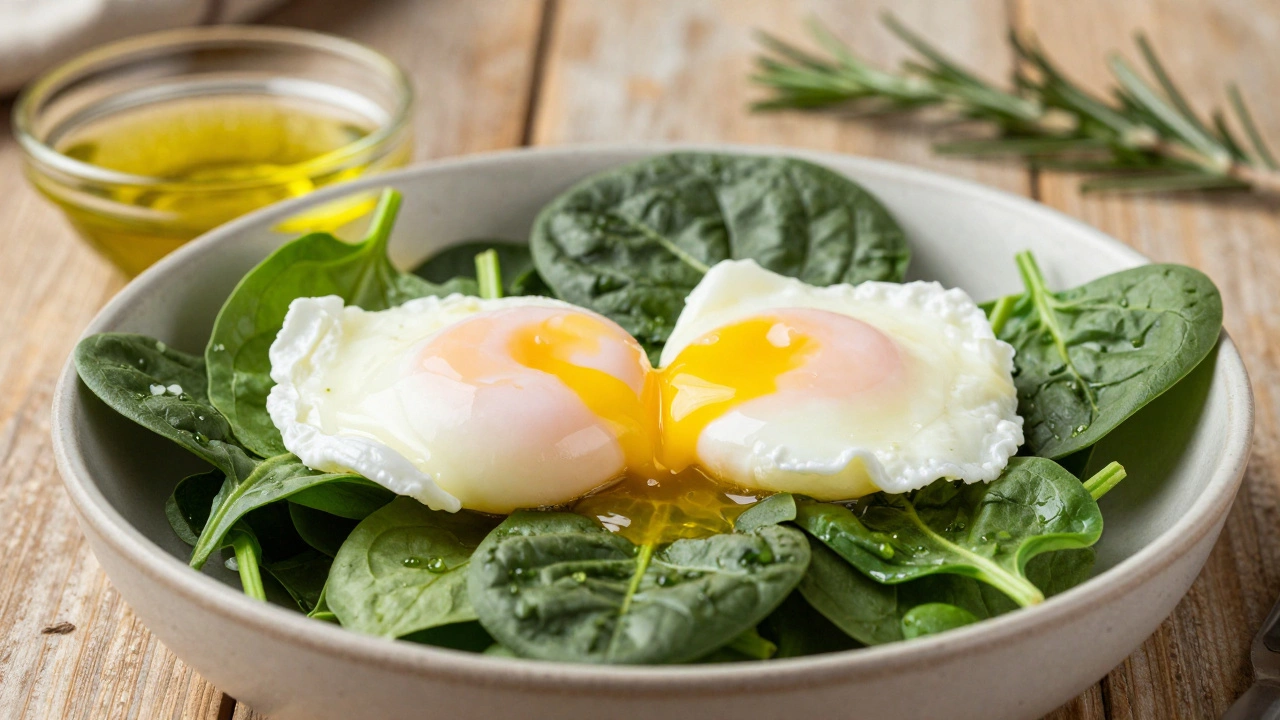
Eggs are a versatile, affordable source of complete protein that provides essential amino acids and healthy fats to promote long-lasting satiety. They are often called nature’s multivitamin because they contain choline, vitamin D, and B vitamins. A simple breakfast of two eggs with spinach can keep you full until lunch without any spiking insulin response.
Fish is another powerhouse. Salmon, mackerel, and sardines offer high-quality protein along with omega-3 fatty acids. These fats are anti-inflammatory and help regulate appetite hormones. If you’re not a fan of fish, lean meats like chicken breast or turkey mince are excellent choices. Just remember that while lean meat is great, adding some fat back in-like cooking chicken thighs instead of breasts-can sometimes make you feel fuller due to the slower gastric emptying time.
- Chicken Thighs: Higher in fat than breasts, leading to greater satiety per calorie.
- Ground Turkey: Lean option that works well in bulk recipes like chili or bolognese.
- Tuna: Almost zero carbs, pure protein. Great for quick lunches.
Fiber-Rich Vegetables: Volume Without the Carbs
This is where most people go wrong on low-carb diets. They cut out bread and pasta but forget to replace that volume with something else. Enter non-starchy vegetables. These foods are mostly water and fiber. Fiber adds bulk to your food, stretching your stomach walls slightly. This physical stretch sends signals to your brain that you have eaten enough, even if the calorie count is low.
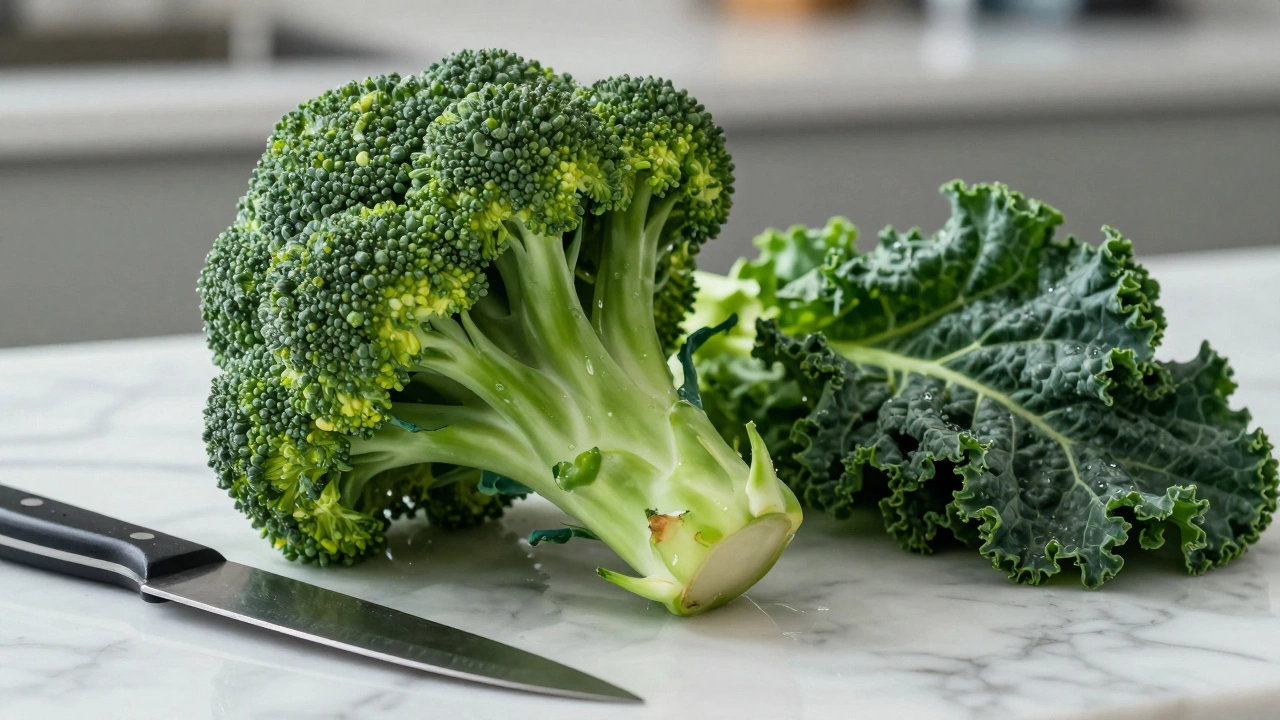
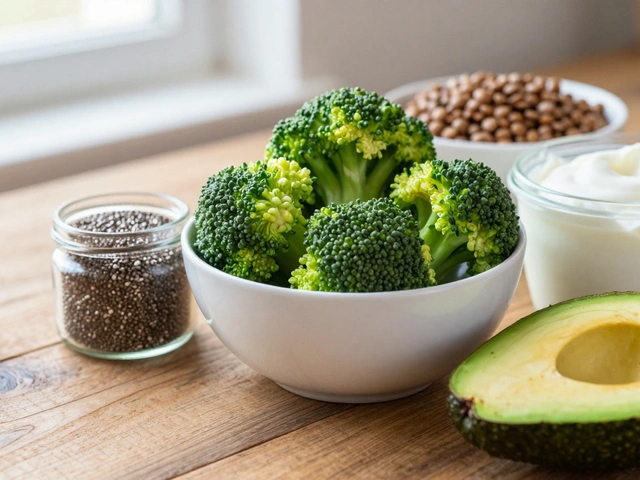
Broccoli is a cruciferous vegetable high in fiber and water content, providing significant volume to meals with minimal net carbohydrates. One cup of cooked broccoli has only about 4 grams of net carbs but nearly 5 grams of fiber. That means you can eat a large portion without impacting your carb limit significantly.
Leafy greens are your best friend here. Spinach, kale, Swiss chard, and arugula are incredibly low in calories and carbs but high in volume. You can literally eat a massive bowl of them. Zucchini is another fantastic option. Slice them lengthwise to make “zoodles” or use them as a base for casseroles. Cauliflower is versatile too; mash it up to replace potatoes, or grate it to make rice.
Avoid starchy vegetables like potatoes, corn, and peas if you are strictly low-carb. Stick to the green and leafy stuff. Bell peppers, cucumbers, celery, and mushrooms are all great additions that add crunch and texture, making meals more enjoyable and filling.
Healthy Fats: The Slow Burn
Fat gets a bad reputation, but on a low-carb diet, it’s your ally for staying full. Fat slows down the emptying of your stomach into the small intestine. This process is called gastric emptying. When this slows down, nutrients are absorbed more gradually, preventing energy crashes. Plus, fat is incredibly satisfying from a sensory perspective. It makes food taste richer and more rewarding.
Avocado is a fruit exceptionally high in monounsaturated fats and fiber, offering creamy texture and sustained energy without raising blood sugar levels. Half an avocado contains about 10 grams of fat and 6 grams of fiber, with only 2 grams of net carbs. It’s one of the few fruits that fits perfectly into a low-carb lifestyle.
Olive oil, nuts, seeds, and cheese are other great sources. Sprinkle pumpkin seeds on your salad or drizzle extra virgin olive oil over your roasted veggies. Don’t be afraid of butter or ghee either. However, balance is key. While fat keeps you full, it is also calorie-dense. If you are eating very low carb, your body may start burning fat for fuel (ketosis), which naturally suppresses appetite further.
| Food Item | Net Carbs (per serving) | Protein (grams) | Fiber (grams) | Satiety Factor |
|---|---|---|---|---|
| Grilled Chicken Breast | 0g | 31g | 0g | High (Protein) |
| Avocado (1/2 medium) | 2g | 2g | 6g | Very High (Fat + Fiber) |
| Broccoli (1 cup cooked) | 4g | 4g | 5g | Medium-High (Volume) |
| Almonds (1 oz) | 2.5g | 6g | 3.5g | High (Fat + Protein) |
| Greek Yogurt (Plain, Full Fat) | 3g | 15g | 0g | High (Protein) |
Combining Elements for Maximum Satiety
The magic happens when you combine these elements. A meal with just protein might leave you wanting texture. A meal with just fat might feel heavy but unsatisfying. A meal with just veggies might leave you hungry soon after. The goal is a balanced plate.
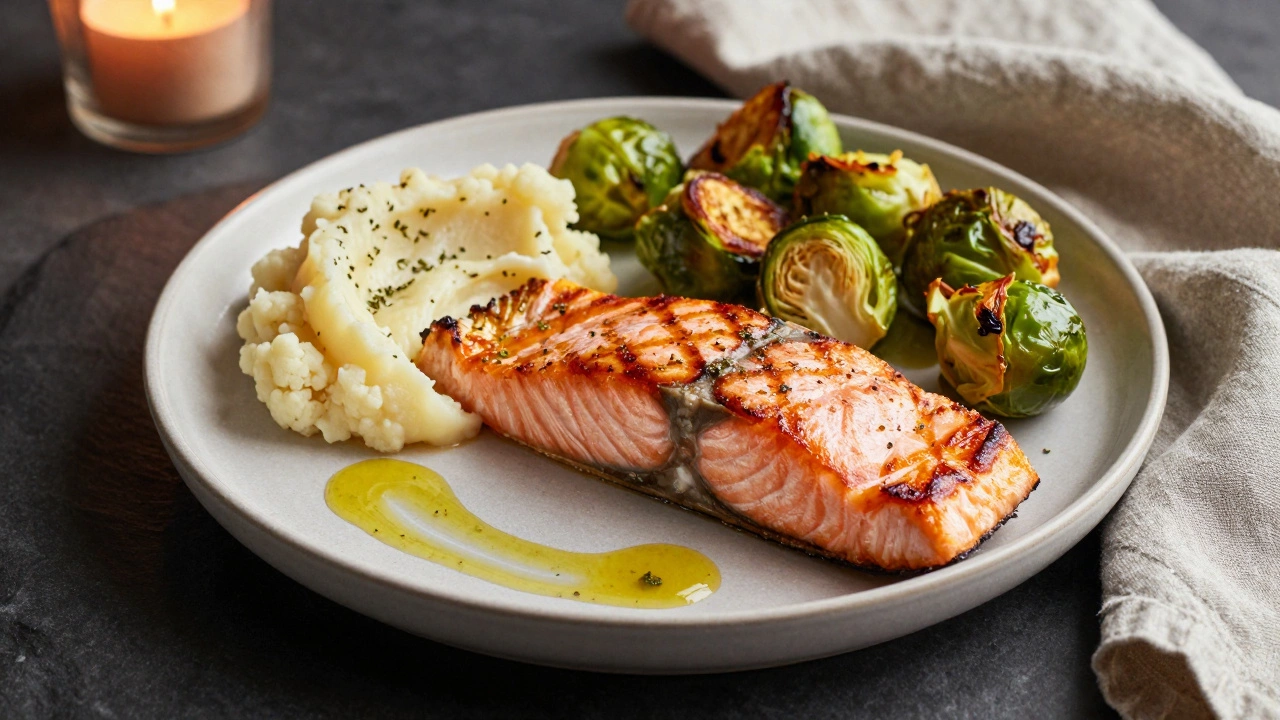
Think about a dinner of salmon (protein/fat) served with a large side of roasted Brussels sprouts and cauliflower mash (fiber/volume), dressed with a little lemon and olive oil (fat). This combination hits all the satiety markers. The protein tells your brain you’re fed, the fiber fills your stomach physically, and the fat ensures everything digests slowly.
Snacks can be tricky on low-carb diets because we aren’t used to snacking on whole foods. Instead of reaching for crackers, try hard-boiled eggs, a handful of walnuts, or cucumber slices with cream cheese. These options provide immediate satisfaction without the carb crash.
Hydration and Electrolytes
Sometimes, what feels like hunger is actually thirst or an electrolyte imbalance. When you reduce carbs, your body sheds water weight rapidly. With that water, you lose sodium, potassium, and magnesium. Low sodium levels can cause fatigue and cravings that mimic hunger.
Make sure you are drinking enough water throughout the day. Adding a pinch of salt to your water or eating salty snacks like olives or pickles can help. Pickles are particularly good because they are virtually zero-carb and the vinegar content can help stabilize blood sugar further.
Olives are a savory snack rich in healthy monounsaturated fats and sodium, helping to maintain electrolyte balance and curb cravings between meals. They are a perfect low-carb alternative to chips or pretzels, providing both flavor and satiety.
Practical Tips for Staying Full
It’s not just about what you eat, but how you eat. Mindful eating plays a huge role in satiety. It takes about 20 minutes for your brain to register that your stomach is full. If you scarf down your food in five minutes, you’ll likely feel hungry again shortly after. Slow down. Chew thoroughly. Put your fork down between bites.
Also, consider the order in which you eat. Starting your meal with vegetables and protein before touching any higher-carb sides (if you include them) can help blunt the glucose response and keep you fuller longer. This technique is known as food sequencing.
Finally, sleep matters. Lack of sleep increases ghrelin (the hunger hormone) and decreases leptin (the fullness hormone). If you are pulling all-nighters, no amount of broccoli will stop you from craving pizza. Aim for 7-8 hours of quality sleep to keep your hunger hormones in check.
Why do I feel hungry on a low-carb diet?
Hunger on a low-carb diet is usually caused by insufficient protein, inadequate healthy fats, or lack of fiber. If you cut carbs but don't replace them with satiating nutrients, your body will signal hunger. Additionally, dehydration and electrolyte imbalances can mimic hunger cues. Ensure you are eating enough protein and fat, and drink plenty of water with added salt.
Are nuts really low carb and filling?
Yes, most nuts are low in net carbs and high in healthy fats and protein, making them very filling. Almonds, walnuts, and pecans are excellent choices. However, they are calorie-dense, so portion control is important. A small handful (about 1 ounce) is sufficient to curb hunger without exceeding daily calorie goals.
Can I eat fruit on a low-carb diet?
Most fruits are high in sugar and carbs, so they should be limited. Berries like strawberries, raspberries, and blackberries are the best options because they are lower in sugar and higher in fiber. Avocados are technically fruits and are excellent for low-carb diets due to their high fat and fiber content.
How much protein do I need to stay full?
Aim for at least 20-30 grams of protein per meal. This amount is generally sufficient to trigger satiety hormones and preserve muscle mass. For most adults, this translates to 0.7 to 1 gram of protein per pound of body weight daily, depending on activity level.
What are the best low-carb snacks?
Great low-carb snacks include hard-boiled eggs, olives, cheese cubes, celery sticks with almond butter, Greek yogurt with berries, and a small handful of nuts. These options combine protein, fat, and/or fiber to keep you satisfied between meals.




Write a comment