Gluten Content Checker & Estimator
Select foods you've eaten recently or plan to eat to see your estimated gluten load. Click a card to toggle selection.
Your Estimated Gluten Load
Low RiskTotal Gluten Score: 0
Based on standard serving sizes found in the article guide.
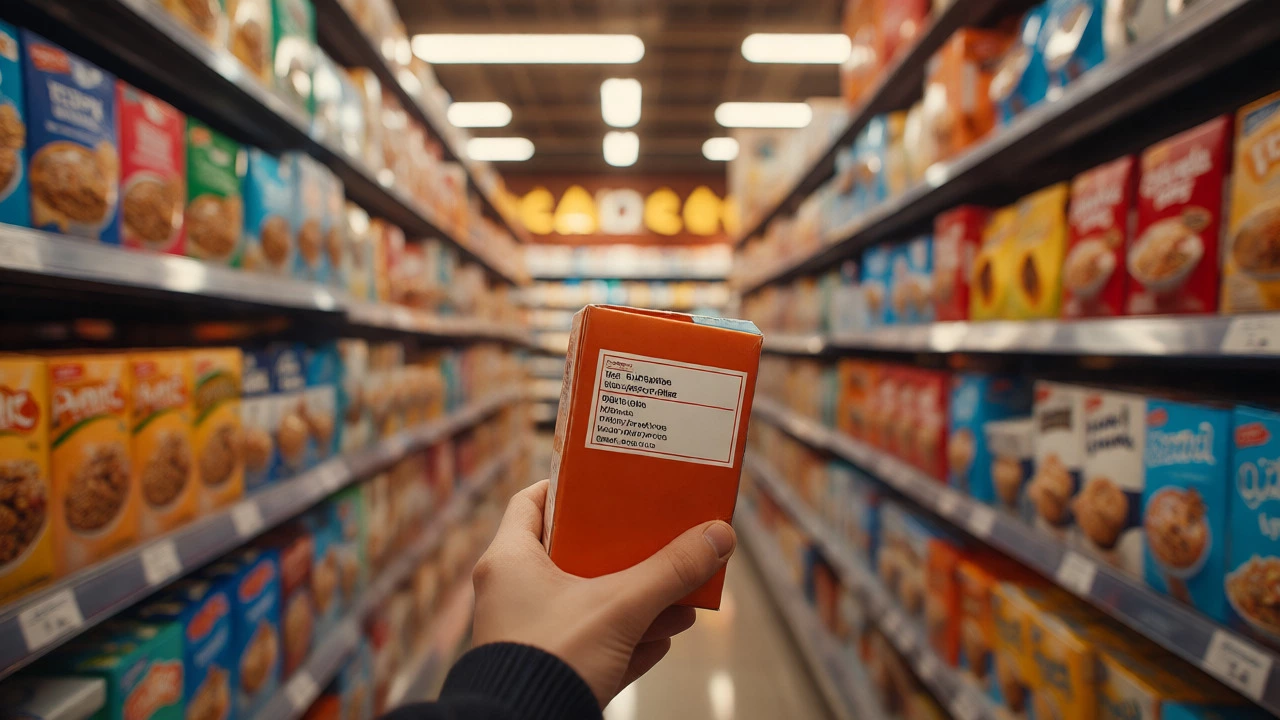
You’re standing in the cereal aisle, staring at a box of granola. It looks innocent enough-oats, nuts, dried fruit. But that little "contains wheat" warning on the back? That’s your red flag. Gluten is a protein found in certain grains, and for millions of people with celiac disease or non-celiac gluten sensitivity, eating it triggers inflammation, bloating, and fatigue. If you’ve just been diagnosed or are trying to cut back, knowing exactly which foods pack a heavy gluten punch is step one. It’s not just about avoiding bread; it’s about spotting hidden sources in sauces, snacks, and even some medications.
The Big Three: Wheat, Barley, and Rye
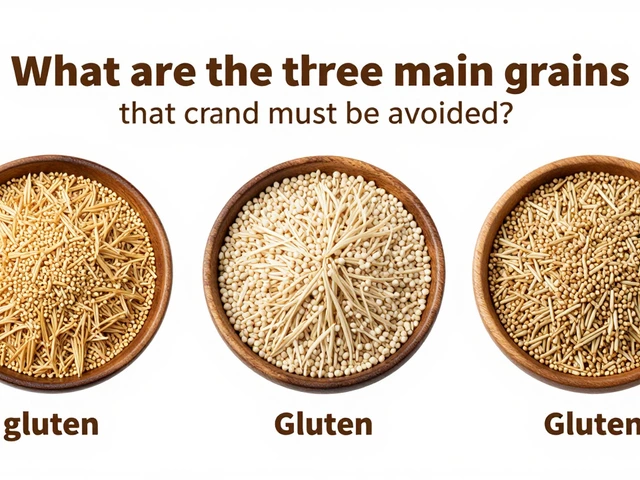
Let’s start with the obvious culprits. Gluten isn’t scattered randomly across the food pyramid; it lives primarily in three specific grains. If you see these names on an ingredient list, put the product down.
- Wheat: This is the biggest offender. It includes common varieties like spelt, kamut, farro, durum, bulgur, semolina, and couscous.
- Barley: Often overlooked, barley shows up in malt vinegar, beer, and some soups.
- Rye: Less common than wheat but still prevalent in dark rye breads and some cereals.
Triticale, a hybrid of wheat and rye, also contains gluten. Many people assume oats are safe because they don’t naturally contain gluten. However, most commercial oats are processed in facilities that handle wheat, leading to cross-contamination. Unless the package explicitly says "certified gluten-free," treat standard rolled oats as a potential risk.
Baked Goods and Breakfast Staples
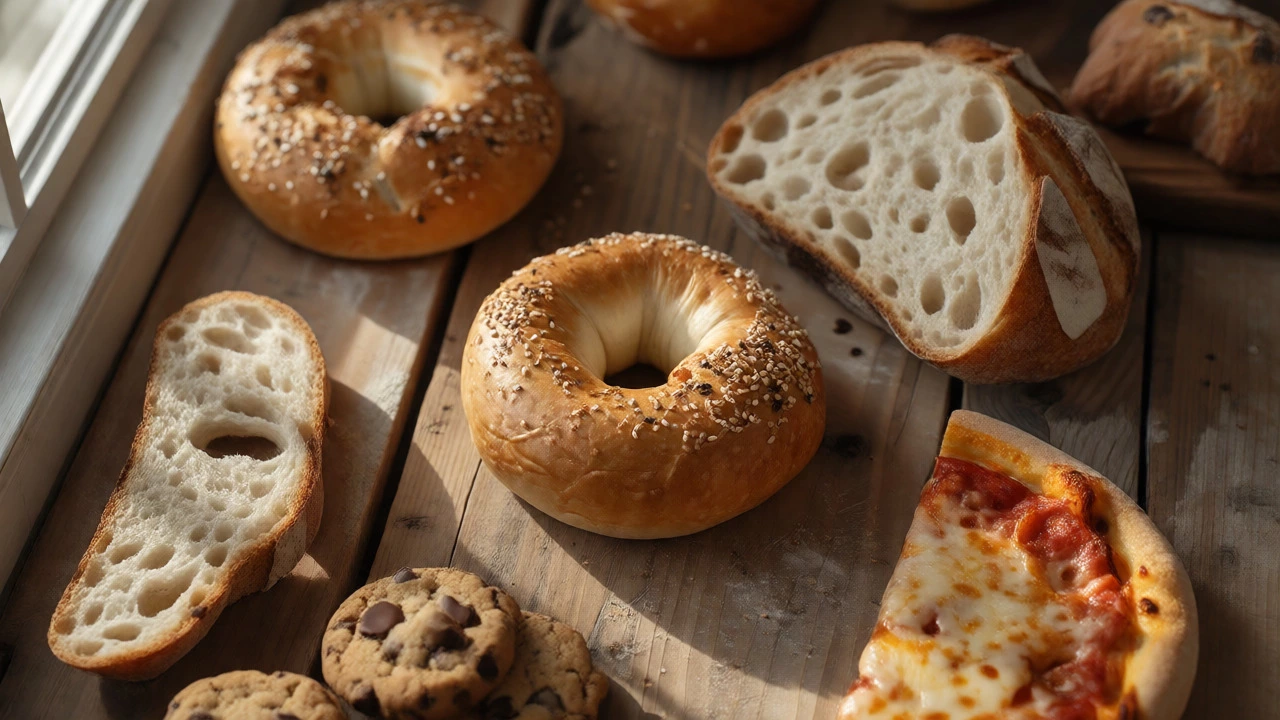
If you love pastries, bagels, or pancakes, you’re likely consuming significant amounts of gluten daily. Traditional baking relies on gluten to provide structure and chewiness. Without it, dough falls apart. Here’s where the highest concentrations hide:
| Food Item | Primary Grain Source | Gluten Level |
|---|---|---|
| White Bread | Wheat Flour | Very High |
| Pizza Dough | Wheat Flour | Very High |
| Cookies & Cakes | Wheat Flour | High |
| Bagels | Wheat Flour (often high-protein) | Extremely High |
| Pancakes/Waffles | Wheat Flour | High |
Note that "high-protein" flours used for bagels or artisanal breads often have more gluten than standard all-purpose flour. If you’re sensitive, even a small slice of sourdough-which has partially broken down gluten during fermentation-can still cause issues.
Sneaky Sources: Sauces, Snacks, and Processed Foods
This is where most people get tripped up. You might skip the pasta but accidentally ingest gluten via soy sauce or salad dressing. Manufacturers use wheat flour as a thickener, binder, or filler in countless processed items.
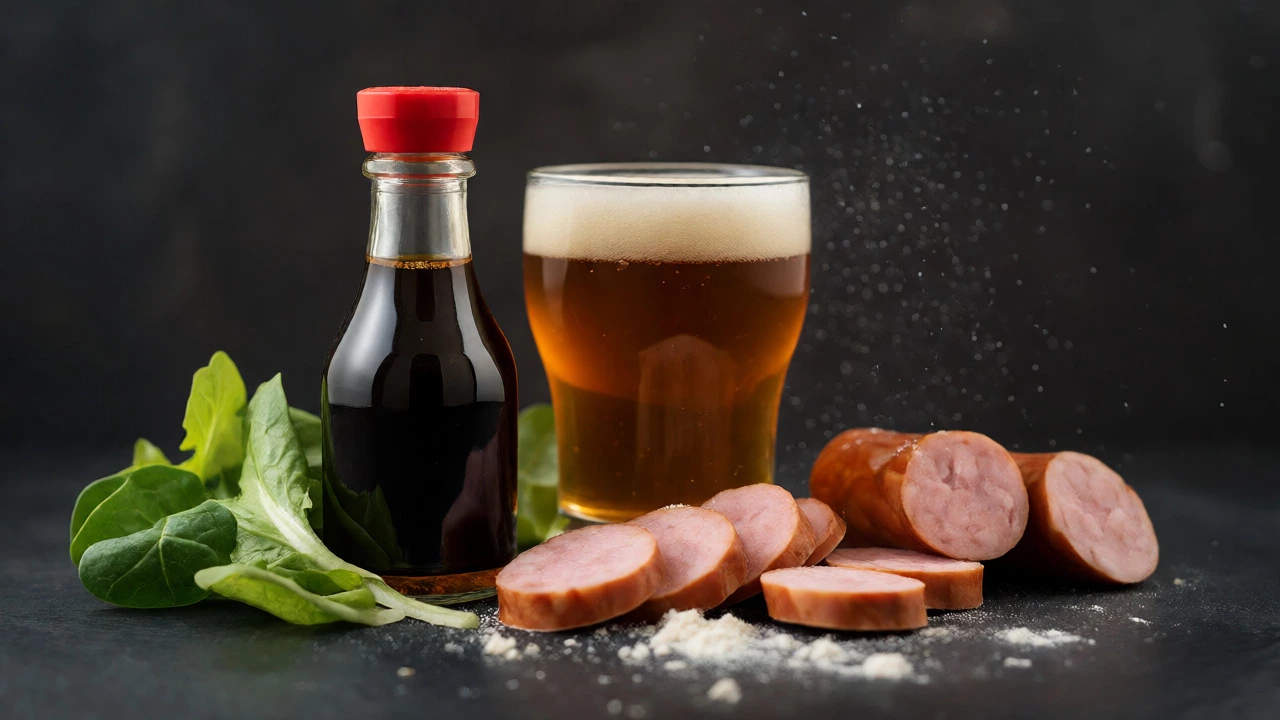
- Soy Sauce: Most traditional soy sauce is brewed with wheat. Tamari is usually a safer bet, but check the label to ensure it’s labeled gluten-free.
- Beer: Standard beer is made from barley. Look for beers made from sorghum, rice, or corn if you want to drink socially.
- Processed Meats: Sausages, deli meats, and burger patties often include breadcrumbs or wheat-based fillers to retain moisture.
- Salad Dressings: Creamy dressings may use modified food starch derived from wheat.
- Chips: Some flavored potato chips use wheat-based seasonings or anti-caking agents.
Watch out for vague terms like "natural flavors" or "modified food starch." In the US, if wheat is present, it must be declared due to FALCPA regulations. In other regions, this isn’t always guaranteed, so when in doubt, contact the manufacturer.
How to Read Labels Like a Pro
Scanning ingredient lists can feel like decoding a foreign language. Here’s a quick cheat sheet for spotting gluten-related ingredients beyond the obvious "wheat":
- Malt: Almost always derived from barley.
- Seitan: Pure wheat gluten, often used as a meat substitute in vegetarian dishes.
- Hydrolyzed Vegetable Protein (HVP): Can come from wheat, though sometimes from soy or corn. Check the source.
- Communion Wafers: Traditionally made from unleavened wheat flour.
A good rule of thumb: If a product doesn’t have a certified gluten-free seal, assume it might contain trace amounts unless it’s a whole, unprocessed food like fresh fruit, vegetables, eggs, or plain meat.
Safe Alternatives to Keep You Full
Ditching gluten doesn’t mean ditching carbs. Plenty of grains and starches offer similar textures without the protein. Incorporate these into your pantry swaps:
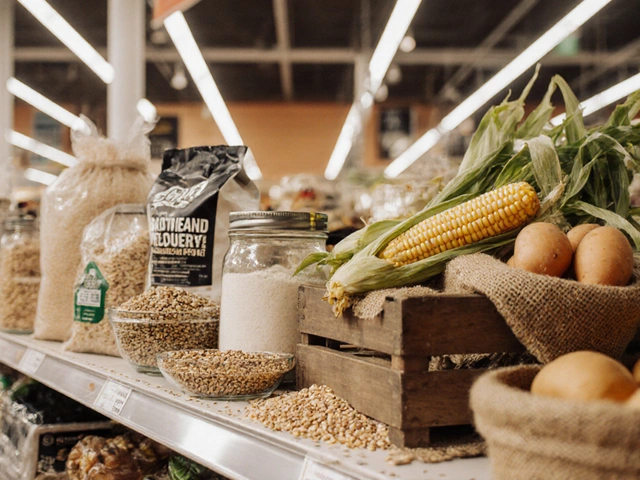
- Rice: White, brown, wild-all naturally gluten-free.
- Quinoa: A complete protein grain that cooks quickly.
- Corn: Found in tortillas, polenta, and grits.
- Potatoes: Versatile and filling.
- Buckwheat: Despite the name, it’s unrelated to wheat and safe for most people.
Many brands now offer gluten-free versions of bread, pasta, and cookies using blends of rice flour, tapioca starch, and almond flour. They’ve improved dramatically in texture over the last few years, so don’t dismiss them immediately.
Is oatmeal high in gluten?
Pure oats do not contain gluten. However, they are frequently contaminated with wheat during growing, harvesting, or processing. Always choose oats labeled "certified gluten-free" if you have celiac disease.
Does alcohol contain gluten?
Beer made from barley, wheat, or rye contains gluten. Wine, spirits distilled from gluten-containing grains (like whiskey), and hard ciders are generally considered gluten-free because distillation removes the protein. However, some flavored beers or craft brews may add gluten-containing ingredients after distillation.
Are potatoes high in gluten?
No, potatoes are naturally gluten-free. Be cautious with fried potatoes or hash browns, which may be cooked in oil shared with breaded items, leading to cross-contact.
Can I eat cheese on a gluten-free diet?
Most natural cheeses are gluten-free. Processed cheeses, cheese spreads, and shredded cheeses may contain additives or anti-caking agents derived from wheat. Always check the label for added starches.
What is seitan?
Seitan is a plant-based meat substitute made entirely from hydrated gluten (wheat protein). It is extremely high in gluten and should be avoided by anyone following a gluten-free diet.




Write a comment