Family Dinner Planner
Choose options to create a welcoming atmosphere.
Click on tasks suitable for your family members to assign them. This helps distribute the workload and engages everyone.
Your Custom Family Dinner Plan
Atmosphere Score
Assigned Tasks
Conversation Starters
Rose: What was the best part of your day?
Thorn: What was the most challenging part?
Tip: Share yours first to model vulnerability!
Quick Tip
You know the scene. The kids are whining because they want snacks, your partner is scrolling through emails, and you’re standing in a kitchen that smells like burnt garlic and regret. You just spent forty-five minutes making a meal everyone agreed to eat, but the table feels more like a battlefield than a gathering spot. Sound familiar? Making family dinner enjoyable isn’t about serving Michelin-star plating or forcing everyone to finish their broccoli. It’s about shifting the dynamic from a chore to a connection. If you live in Brighton, you’ve likely noticed how the long winter evenings can drag down morale, but that’s exactly when a warm, engaging meal matters most.
Reclaiming the Table: Why Atmosphere Matters More Than Menu
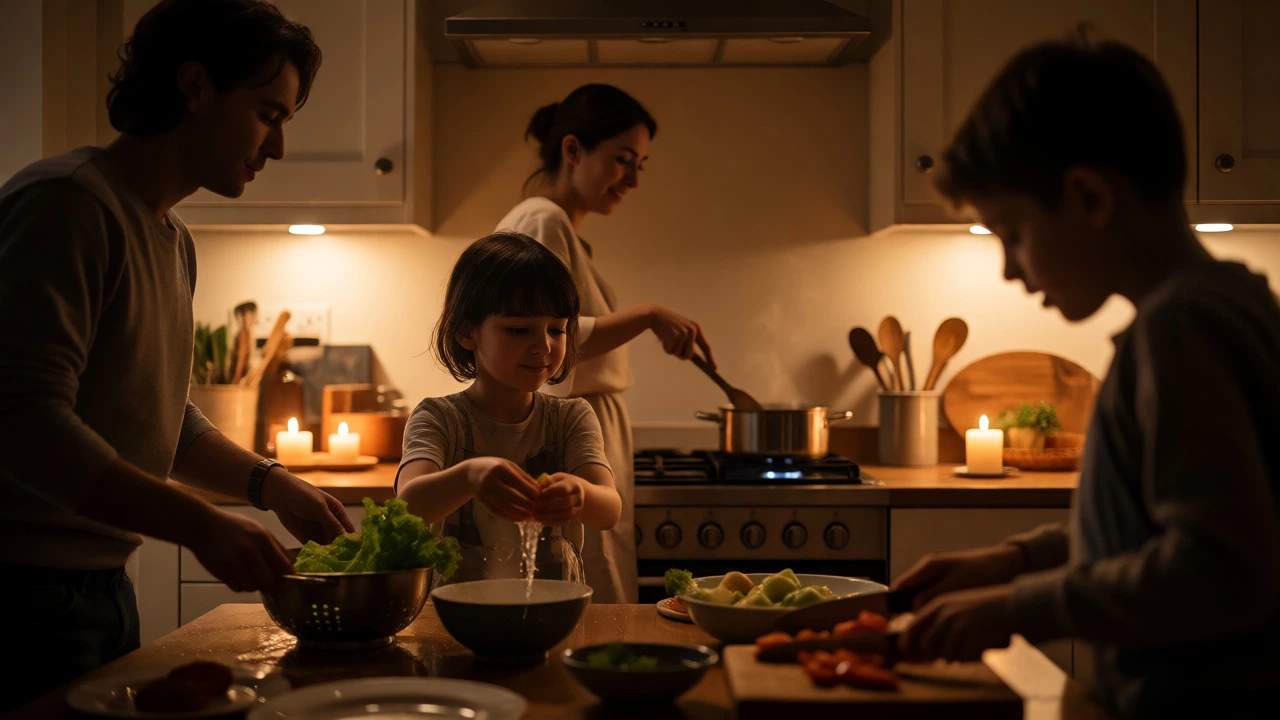
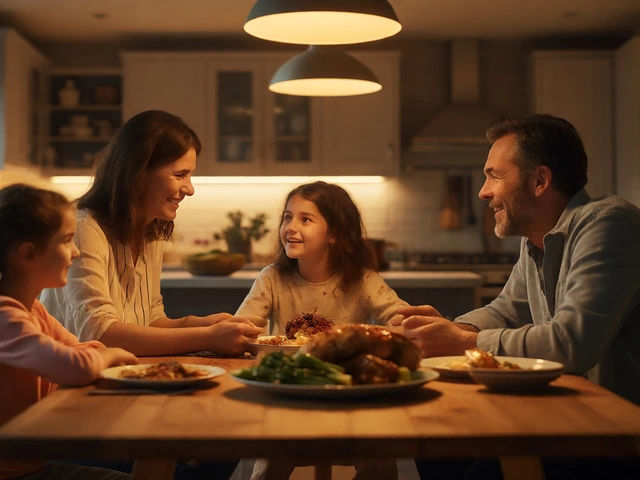
Think about the last time you ate out at a lovely restaurant. Was it the food that made it special, or was it the vibe? Likely both, but the atmosphere set the stage. At home, we often forget this. We turn on the TV to fill silence, or worse, we let phones dictate the conversation. To make dinner enjoyable, you need to curate the environment first. This doesn’t mean buying expensive decor. It means small, intentional changes. Dim the overhead lights and use a candle or two. Put away the screens-yes, even yours. Research from the University of Minnesota suggests that families who eat together without distractions have children with higher grades and lower rates of substance abuse. But beyond the stats, it simply makes talking easier. When eyes aren’t glued to a screen, they look at each other. That eye contact is where the magic happens.
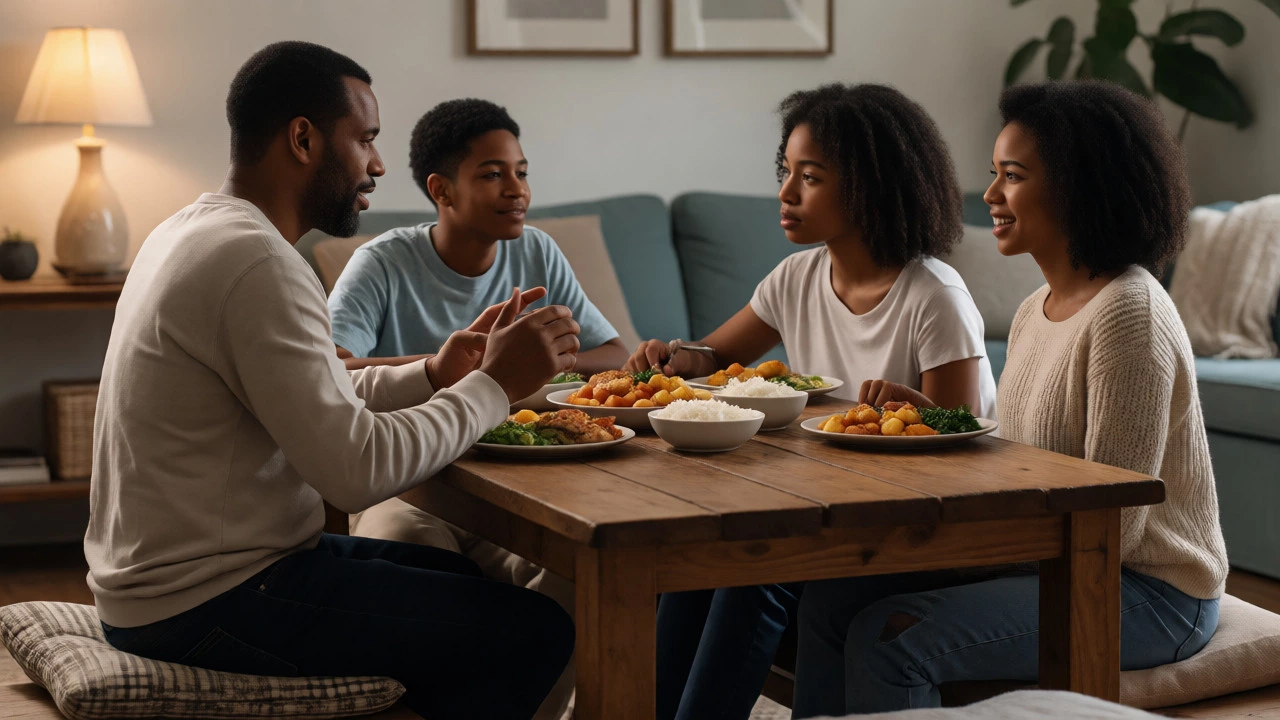
Consider the layout of your table. Is it cramped? Do people have to shout across it? Sometimes, moving the dining table closer to the kitchen island or even eating on the living room floor with cushions can break the monotony. A change in physical space signals a change in mental state. It tells your brain, "This is not work; this is rest."
The Power of Participation: Cooking as a Team Sport
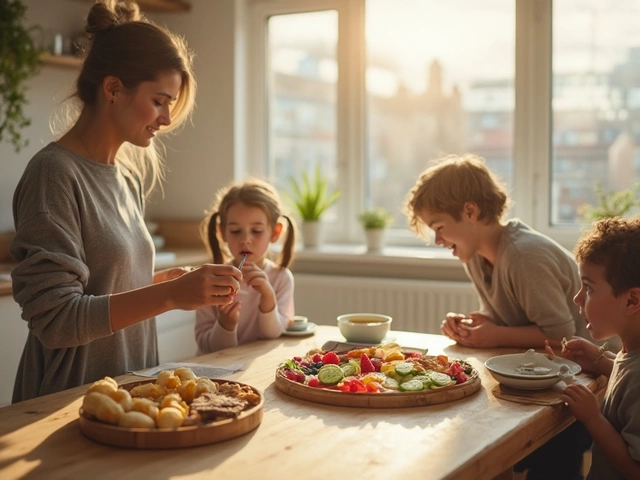
If one person cooks while four others wait to be served, resentment builds fast. It’s hard to enjoy a meal when you feel like the household servant. Flip the script by making preparation part of the fun. You don’t need five chefs in a tiny kitchen, but you do need shared ownership. Assign roles based on age and ability. The youngest child can wash lettuce (expect some water on the floor). The teenager can chop vegetables or stir sauce. You handle the heat. This approach transforms the kitchen from a place of solitary labor into a collaborative hub.
There’s a psychological benefit here too. When kids help make the food, they’re far more likely to eat it. They take pride in their contribution. I’ve seen picky eaters devour broccoli simply because they were the ones who washed it. Plus, chatting while chopping carrots allows for natural conversation flow. It’s less pressure than sitting face-to-face immediately. You can talk about school, work, or weird news stories while your hands are busy. It lowers the stakes for awkward silences.
| Age Group | Suitable Tasks | Supervision Level |
|---|---|---|
| Toddlers (2-4) | Washing produce, tearing herbs, mixing dry ingredients | High |
| Ages 5-8 | Cracking eggs, stirring sauces, setting the table | Moderate |
| Ages 9-12 | Chopping soft veggies, measuring spices, using toaster oven | Low |
| Teens (13+) | Using knives safely, operating stove, managing timers | Minimal |
Routine vs. Ritual: Finding the Sweet Spot
Experts often say routine is key for families, and they’re right. Kids thrive on predictability. But there’s a difference between a rigid routine and a flexible ritual. A routine says, "We eat at 6:00 PM sharp, no matter what." A ritual says, "We gather around the table to share our day." The latter allows for life to happen. Maybe tonight you’re late because of traffic. Instead of stressing, order pizza and eat it on the couch. The ritual of connecting remains intact, even if the logistics shifted.
Try implementing a "Rose and Thorn" tradition. Go around the table and ask everyone to share one good thing (the rose) and one challenging thing (the thorn) from their day. It gives structure to the conversation so it doesn’t devolve into "How was school?" "Fine." It validates feelings and shows you’re listening. For younger kids, keep it simple. Did something make you smile? Did something make you sad? This practice builds emotional intelligence and ensures everyone gets airtime.
Food Flexibility: Ditching the Pressure to Please Everyone
Let’s be honest: trying to cook a meal that satisfies a toddler, a teenager, and a health-conscious adult simultaneously is a nightmare. Stop trying. Adopt a "component-based" approach. Serve proteins, carbs, and veggies separately rather than mixed together in a casserole. Let everyone build their own plate. This respects individual tastes without requiring three separate dinners. One child might want chicken and rice only; another might load up on roasted potatoes and greens. No one feels forced to eat things they dislike, which reduces conflict.
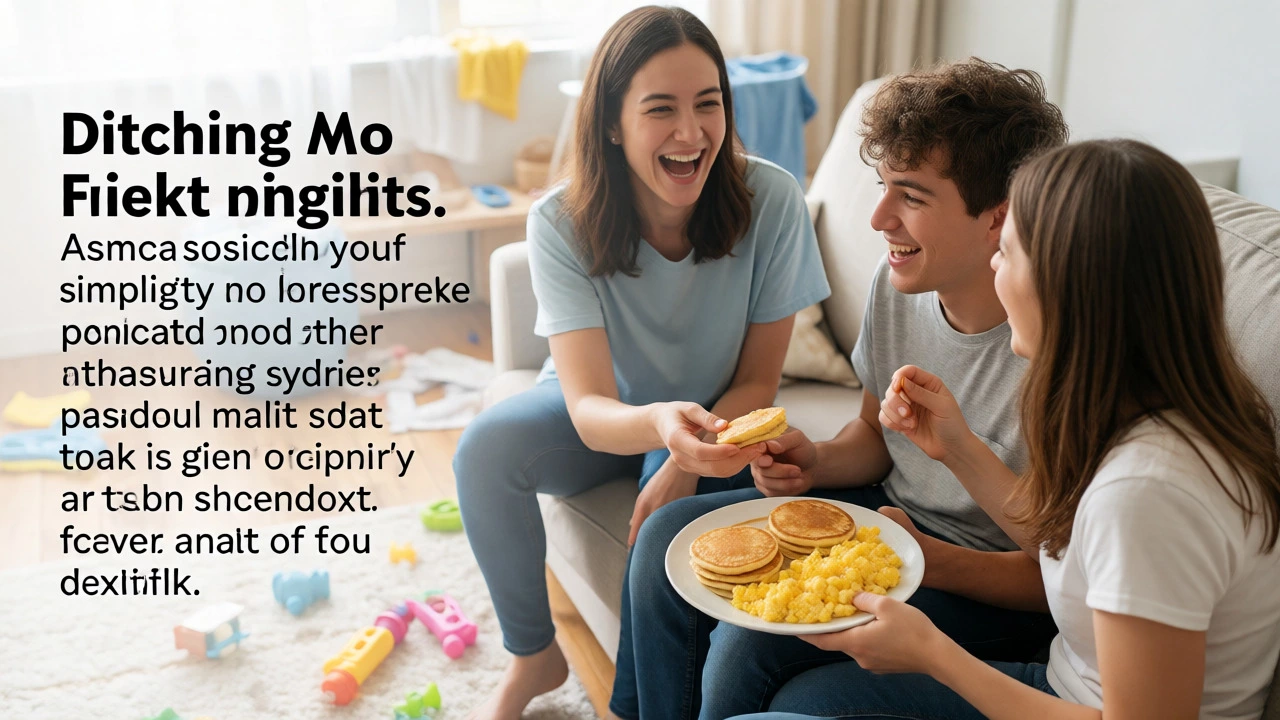
Also, give yourself permission to serve "non-dinner" foods occasionally. Breakfast for dinner is universally loved. Pancakes, scrambled eggs, and fruit feel indulgent and low-stakes. It breaks the expectation that dinner must be savory and complex. Sometimes, enjoyment comes from simplicity. A bowl of high-quality pasta with butter and cheese can be more comforting than a complicated beef stew if everyone is tired. Listen to your family’s energy levels. On chaotic nights, go easy. On calm nights, get creative.
Dealing with Resistance: What If They Still Hate It?
Not every night will be perfect. There will be nights when someone is grumpy, hungry, or just having a bad day. Don’t take it personally. If your teenager rolls their eyes, stay neutral. Don’t escalate. Sometimes, silence is better than forced cheerfulness. Just keep the environment calm. Offer a gentle invitation to talk later if they’re not ready now.
Also, check your own attitude. Are you stressed about the cleaning? Are you worried about whether the food is healthy enough? Kids pick up on parental anxiety instantly. If you’re tense, they’ll be tense. Take a deep breath before calling everyone to the table. Remind yourself that the goal is connection, not perfection. If the house is messy, ignore it for twenty minutes. If the food is slightly overcooked, laugh about it. Modeling resilience and humor at the table teaches them valuable life skills.
Quick Wins for Busy Nights
If you’re short on time, try these immediate tweaks:
- Music: Create a playlist of upbeat, non-distracting songs. Music fills dead air and lifts moods.
- Lighting: Turn off the big light. Use lamps or candles. Soft lighting relaxes shoulders.
- Questions: Prepare three interesting questions beforehand. "If you could travel anywhere tomorrow, where would you go?" works better than "What did you learn today?"
- Dessert: Even a small treat, like a piece of dark chocolate or a slice of orange, signals the end of the meal on a sweet note.
Making dinner enjoyable is a practice, not a destination. Some weeks will be great, others will be rough. Keep showing up. Over time, the table becomes a safe harbor-a place where your family knows they are heard, fed, and loved. And honestly, isn’t that what we all want after a long day?
How many times a week should we eat dinner together?
Aim for consistency rather than frequency. Three to four nights a week is a realistic and beneficial target for most modern families. Quality matters more than quantity; a relaxed, connected meal twice a week is better than seven stressful, rushed dinners.
What if my kids refuse to sit at the table?
Try changing the location. Eat on the floor, in the garden, or at the kitchen counter. Sometimes the formal dining room feels restrictive. Also, ensure the meal isn't too long. Younger children may only tolerate 15-20 minutes. Start small and gradually increase duration as they adjust.
Should we ban phones completely during dinner?
Yes, ideally. Phones distract from conversation and reduce mindfulness of eating. However, if you need to check urgent messages, step away from the table to do so. Keeping devices in another room entirely is the most effective strategy for reducing temptation.
How do I handle arguments at the dinner table?
Establish ground rules beforehand, such as "no interrupting" or "one voice at a time." If an argument escalates, pause the meal calmly. Ask everyone to take a deep breath. If necessary, send participants to separate rooms for a cool-down period before returning to finish eating. Never punish by taking away food; instead, remove the privilege of social interaction temporarily.
Is it okay to watch TV during dinner?
It depends on your goals. Background noise can help shy families open up, but active watching prevents conversation. Try a compromise: listen to music or a podcast instead of visual media. This provides auditory stimulation without stealing eye contact or attention.




Write a comment