Budget Lunch Calculator
Select a lunch option to see its estimated cost per serving and protein content. Compare options to find the best value for your money.
You’re standing in the kitchen at noon, stomach growling, wallet feeling light. You want something filling, tasty, and cheap. The answer isn’t some fancy meal kit or a trendy avocado toast. It’s usually a potato, an egg, or a tin of beans. But which one actually gives you the most bang for your buck? Finding the cheapest thing for lunch depends on where you shop and what you already have in your cupboard. In Brighton, as in most of the UK, prices fluctuate, but the basics remain surprisingly stable. We’ve crunched the numbers to find out what really costs less than a pound per serving. Spoiler: it’s not just about skipping meat.
The Undisputed Champion: Potatoes
If we look strictly at cost per calorie and satiety (how full you feel), potatoes win hands down. A 2kg bag of Maris Piper potatoes costs around £1.50 to £2.00 at supermarkets like Tesco or Aldi. That’s roughly 20 medium potatoes. If each potato weighs about 150g, that’s a substantial meal.
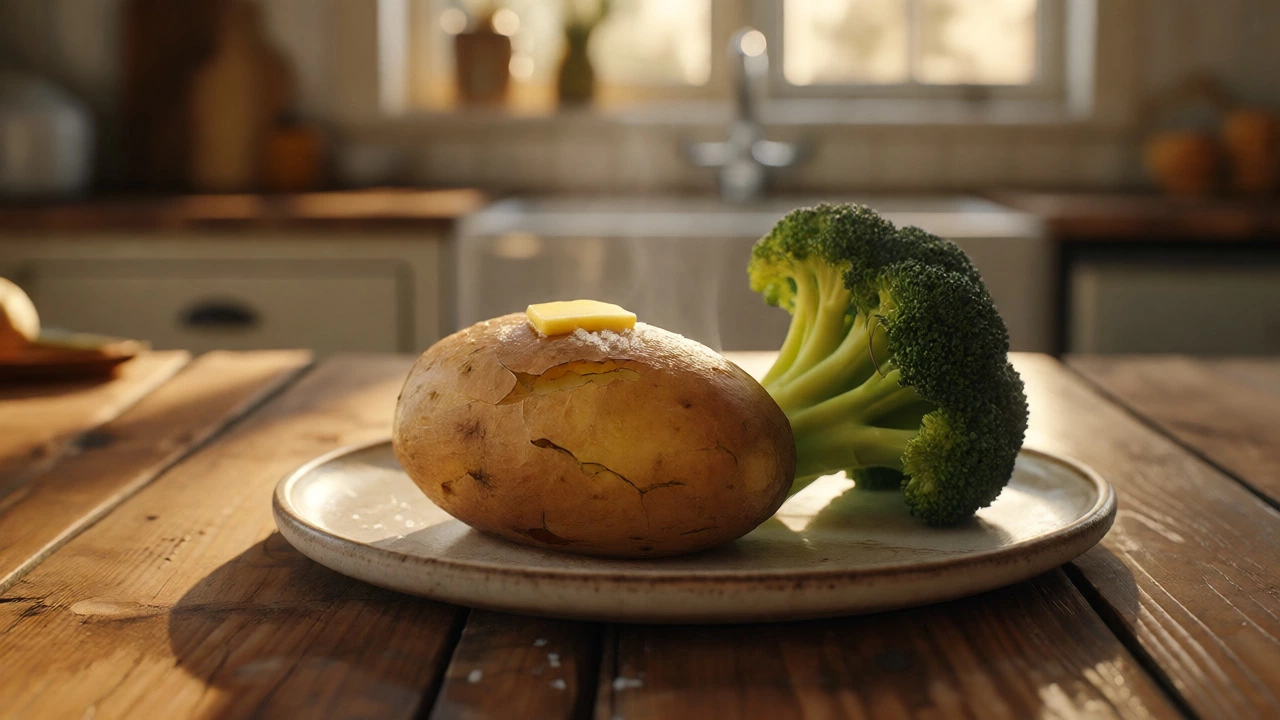
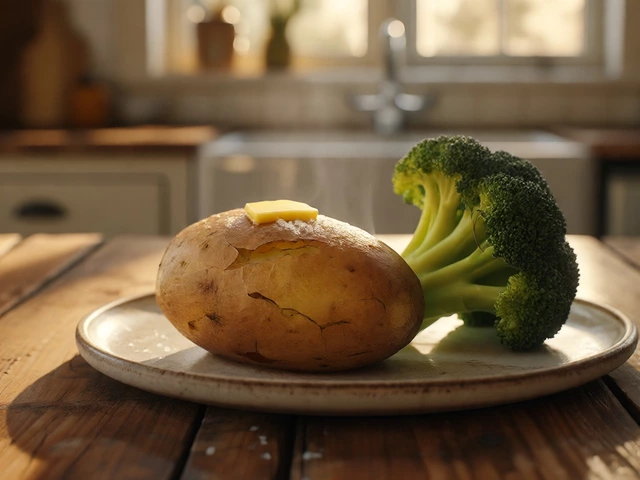
Boil them, bake them, mash them-they are versatile. A baked potato with a dollop of butter and salt might cost you 8p for the potato, plus maybe 2p for the butter. Total: 10p. Add a side of steamed broccoli (frozen bags are cheaper) and you have a balanced, warm lunch for under 30p.
Potato is a root vegetable belonging to the nightshade family. It is high in carbohydrates and potassium. Unlike pasta, which can spike blood sugar quickly, potatoes have a lower glycemic index if cooled after cooking, creating resistant starch that feeds gut bacteria.
Eggs: The Protein Powerhouse
Some people argue eggs are cheaper because they pack more protein. Let’s check the math. A box of 10 free-range eggs costs about £2.50. That’s 25p per egg. Two scrambled eggs on toast? Toast costs about 5p per slice. So, two eggs plus two slices of bread equals 60p. That’s double the price of a plain potato.
However, if you buy standard white shell eggs in bulk (30-pack for £4.50), the cost drops to 15p per egg. Now, two eggs on toast is 40p. Still pricier than a potato, but much higher in protein. If you need to stay full until dinner, eggs might be the better investment despite the higher upfront cost.
| Item | Unit Cost | Serving Size | Approx. Cost/Serving | Protein Content |
|---|---|---|---|---|
| Baked Potato | £1.80 / 2kg | 1 large (150g) | £0.08 | Low (2g) |
| Scrambled Eggs | £4.50 / 30 | 2 eggs + 2 toast | £0.40 | High (12g) |
| Canned Beans | £0.55 / 400g | Half tin | £0.27 | Moderate (7g) |
| Rice & Lentils | £1.20 / 1kg rice | 1 cup cooked mix | £0.15 | Moderate (9g) |
| Oatmeal Porridge | £1.00 / 1kg oats | 50g dry oats | £0.05 | Moderate (6g) |
Lentils and Rice: The Global Staple Combo
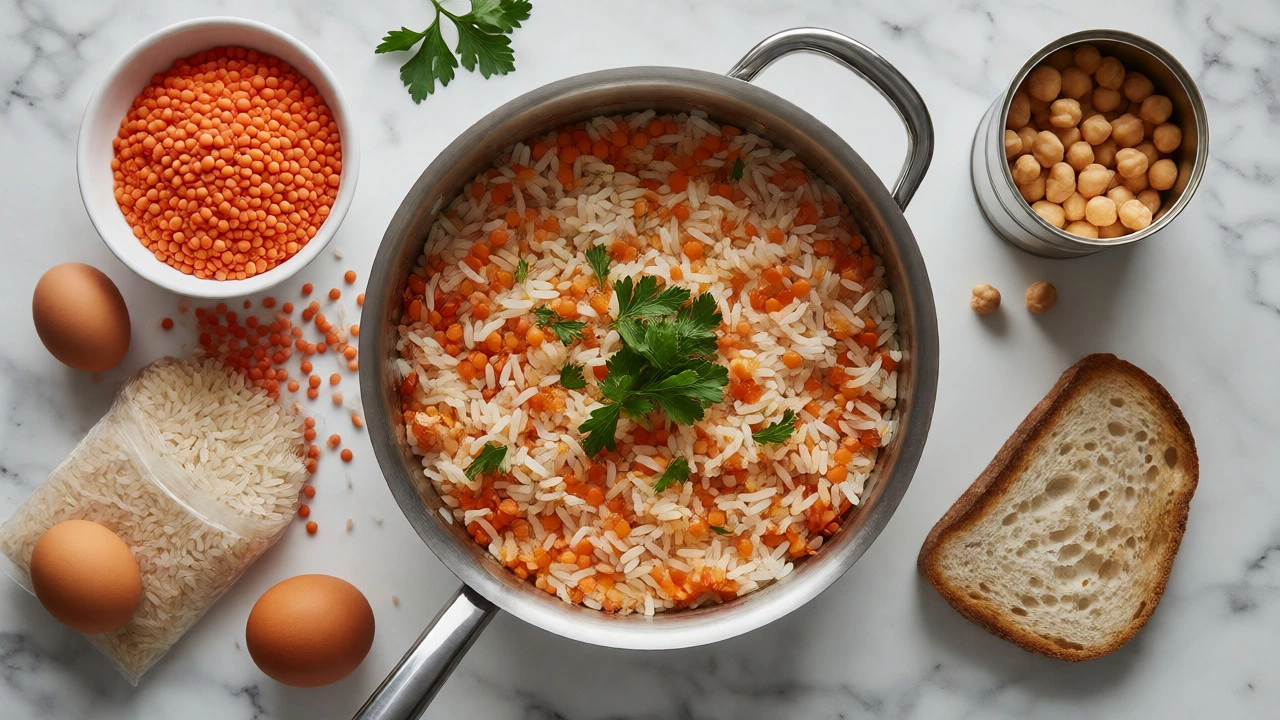
Outside the UK, this combo is often considered the ultimate budget meal. Red lentils cook fast-no soaking needed. Buy them in bulk from ethnic grocery stores rather than big supermarkets. You can get 1kg of red lentils for £1.50. Rice is similarly cheap if you buy 5kg bags. Mixing half a cup of uncooked rice with half a cup of uncooked lentils creates a complete protein source. Cooked together with some garlic powder and oil, this dish costs pennies. One serving might run you 15p. It’s hearty, keeps well, and reheats perfectly. This is great for meal prepping. Make a big pot on Sunday, portion it out, and you have five lunches for under £1 total.
Oats: Not Just for Breakfast
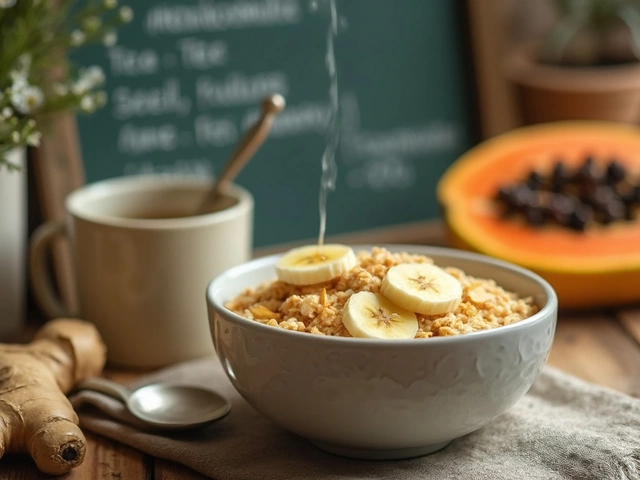
We think of porridge as breakfast, but why not lunch? Savoury oatmeal is gaining traction. Steel-cut oats are slightly more expensive, but rolled oats are dirt cheap. A 1kg bag costs around £1.00. A serving is 50g, costing 5p. Top it with a fried egg (15p) and some frozen spinach (negligible cost), and you have a nutrient-dense meal for 25p. Oats contain beta-glucan, a fibre that helps control cholesterol and keeps you full. If you prefer sweet, add a banana (15p). Total: 20p. Yes, cheaper than the savoury version. But does it feel like lunch? For many, yes. Especially if you work from home and don’t care about appearances.
Canned Goods: The Convenience Tax
Tinned beans, chickpeas, and tuna are convenient. But convenience costs money. A tin of Heinz Baked Beans is £0.55. A tin of chickpeas is £0.50. Dry beans are cheaper but require time and gas/electricity to cook. If you value time over absolute lowest cost, tins are fine. However, watch out for "value" brands. Sometimes own-brand tins are significantly cheaper than branded ones. In Brighton, local independent shops sometimes sell tinned goods at loss leaders. Check the price per kilogram label on shelf tags. Often, the larger tin has a better rate per gram. Buy the big tin, use half, freeze the rest.
Where to Shop for Lowest Prices
Your location matters. In Brighton, try these spots:
- Aldi/Lidl: Best for fresh produce like potatoes, carrots, and onions. Their own-brand canned goods are also very competitive.
- Local Indian/Pakistani Grocers: Often sell rice, lentils, and spices in bulk at lower prices than supermarkets. Ask for broken rice-it’s cheaper and tastes the same.
- Market Street: Look for end-of-day sales on vegetables. You can get huge bags of mixed veg for £1.
- Discounter Apps: Use Too Good To Go or similar apps to grab surplus bakery items or meal deals for £2-£3, though this isn't "under £1" shopping.
Hiding Costs: Energy and Time
People forget energy costs. Boiling a potato takes 20 minutes. Using a microwave takes 5 minutes. Microwave cooking is generally more energy-efficient for single portions. An electric kettle boils water faster than a hob for tea or instant noodles. Factor this in if you pay by the unit. Also, consider waste. Buying a whole loaf of bread when you only eat half before it moulds is expensive. Buy smaller loaves or freeze half immediately. Same with milk. UHT milk lasts longer without refrigeration, reducing spoilage risk.
Sample £1 Lunch Plans
Here are three realistic ways to eat well for under £1 per day:
- The Classic: Baked potato (8p) + baked beans (27p) + carrot sticks (5p) = 40p. Leftover money for coffee.
- The Prep King: Lentil and rice stew (15p) + apple (20p) + boiled egg (15p) = 50p. Very filling.
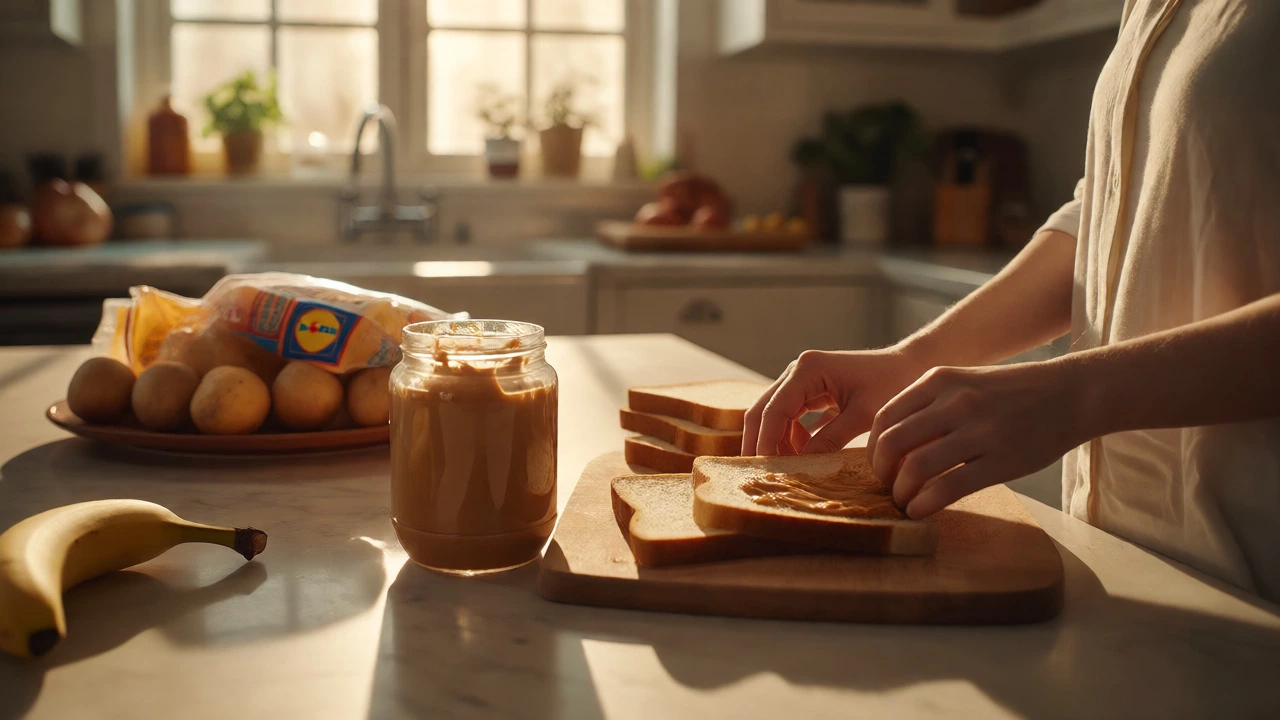
- The Quick Fix: Peanut butter sandwich (bread 10p, peanut butter 15p) + banana (15p) = 40p. High energy, good for active days.
Notice none of these involve buying prepared foods. Prepared salads in supermarkets cost £3+. You’re paying for packaging, labour, and marketing. Making it yourself cuts those costs out entirely.
Common Mistakes That Raise Lunch Costs
Don’t fall into these traps:
- Buying small quantities: Always check price per kg. A 500g bag of rice is more expensive per gram than a 5kg bag.
- Ignoring frozen veg: Fresh peas spoil fast. Frozen peas are picked at peak ripeness, flash-frozen, and retain nutrients. They’re often cheaper too.
- Overcomplicating: You don’t need exotic ingredients. Salt, pepper, garlic powder, and soy sauce cover most flavour needs for cheap meals.
- Skipping leftovers: Dinner leftovers make perfect next-day lunches. Packing them saves you from buying lunch out.
Is it cheaper to cook from scratch or buy ready meals?
Cooking from scratch is almost always cheaper. A basic ready meal costs £1.50-£2.50. The ingredients for that same meal (chicken, rice, veg) would cost 50p-80p if bought raw and cooked yourself. You save money by trading time for cash.
What is the cheapest protein source?
Eggs and dried legumes (lentils, beans, peas) are the cheapest proteins. Canned tuna is mid-range. Chicken breast is more expensive. Plant-based proteins like tofu can be cheap if bought in bulk, but often carry a premium in UK supermarkets compared to US prices.
Can I get all my nutrients from a £1 lunch?
It’s challenging but possible. You need variety. Rotate between potatoes, grains, legumes, and seasonal vegetables. Consider a cheap multivitamin (£5 for 100 tablets) if your diet lacks diversity. However, real food provides better absorption of nutrients than pills.
Does buying in bulk always save money?
Only if you use it all. If you buy 5kg of flour and throw away half because it went stale, you lost money. Bulk buying works best for non-perishables like rice, pasta, lentils, and tinned goods. For perishables, stick to weekly shopping unless you have freezer space.
Are supermarket own-brand products worse quality?
Not necessarily. Many own-brand products are made in the same factories as branded ones. Taste tests often show little difference. Check the ingredient list; if it’s identical, buy the cheaper option. Exceptions exist for sensitive items like chocolate or olive oil, where origin matters.



Write a comment