Budget Meal Cost Calculator
Spicy Red Lentil Dal
Serves 4 • ~£1.00/servingPotato & Leek Soup
Serves 4 • ~£0.90/servingChickpea & Tomato Curry
Serves 4 • ~£1.20/servingSpicy Red Lentil Dal
Enter the price you paid for each ingredient to calculate your actual cost.
Total Meal Cost
Food prices in the UK have been stubbornly high for years. If you are standing in the supermarket aisle looking at the price of chicken or even basic vegetables and feeling that familiar pinch in your wallet, you are not alone. Being broke doesn't mean you have to eat badly. In fact, some of the most satisfying, nutritious meals come from ingredients that cost pennies per serving.
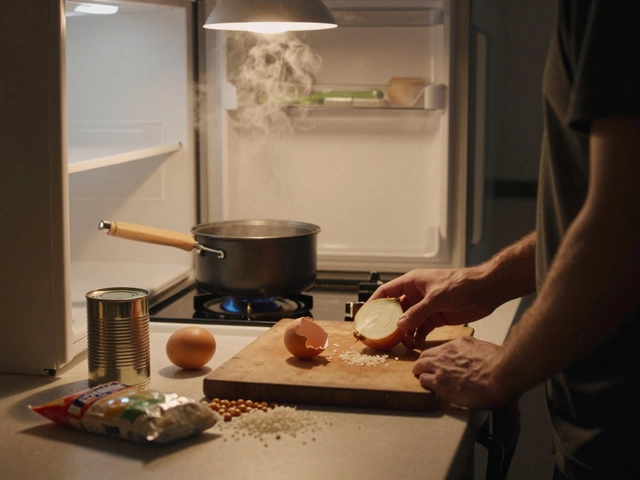
The key isn't just finding cheap food; it's finding cheap food that actually fills you up and tastes good. We aren't talking about eating plain rice every night until you forget what flavor is. We are talking about strategic cooking-using staples like beans, lentils, potatoes, and seasonal veg to create meals that feel like a treat, not a punishment.
Mastering the Staples
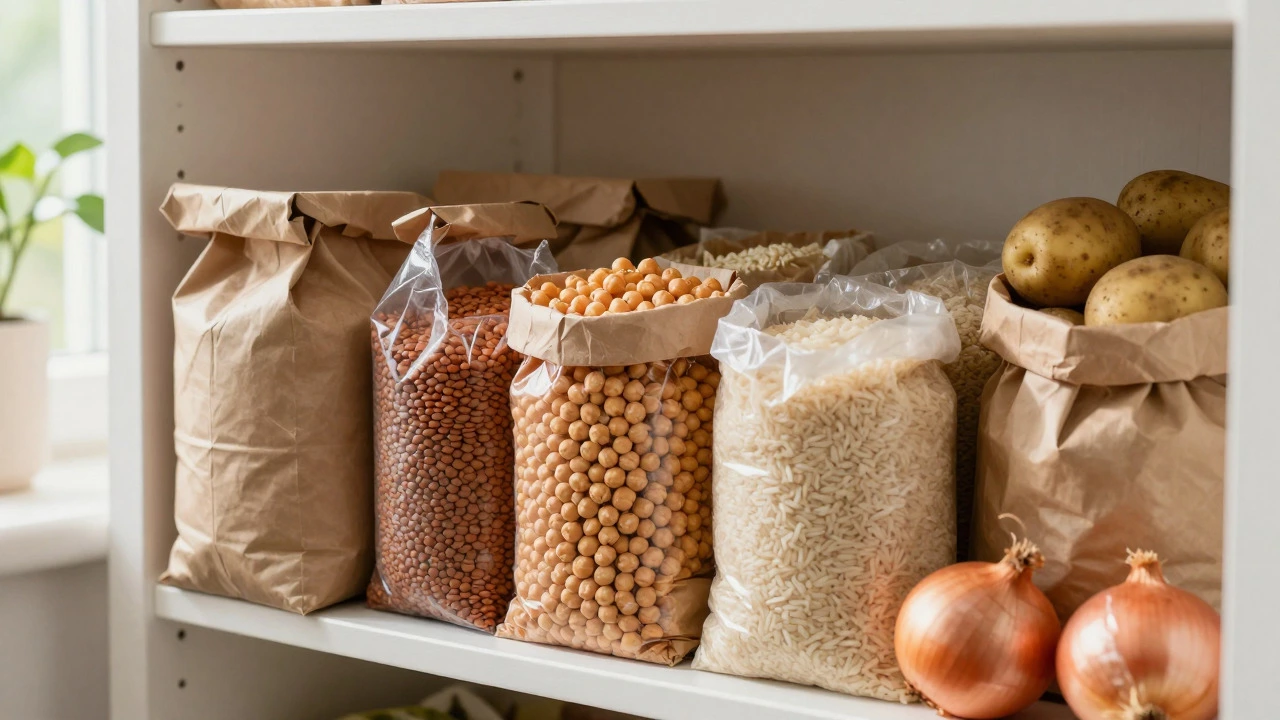
To cook on a shoestring, you need to build your pantry around dried legumes are inexpensive protein sources like dried lentils, chickpeas, and split peas that provide sustained energy and essential nutrients. Dried beans are significantly cheaper than canned ones. A 1kg bag of dried red lentils might cost you £1.50 to £2.00. That same bag yields roughly six generous servings of soup or curry base. When you factor in water, onion, garlic, and spices, the cost per plate drops to under 30p.
- Dried Lentils: Red lentils cook in 15 minutes without soaking. They break down into a creamy texture perfect for soups and dals.
- Dried Chickpeas: These require soaking overnight but become incredibly versatile. Mash them for salads, roast them for crunch, or simmer them in curries.
- Potatoes: The ultimate filler. Buy them in 5kg bags when they are on offer. They are filling, versatile, and cheap.
- Rice: Basmati or long-grain rice is usually the cheapest grain option. It stretches meat and veg further than any other staple.
Don't overlook frozen vegetables. While fresh produce can be expensive and perishable, frozen peas, mixed veg, and spinach are flash-frozen at peak ripeness. They retain their nutrients and won't rot in your fridge if you forget to use them within three days.
Three Go-To Dinner Recipes Under £1 Per Serving
Here are three specific recipes that rely on these staples. They are designed to be quick, requiring minimal equipment and active cooking time.
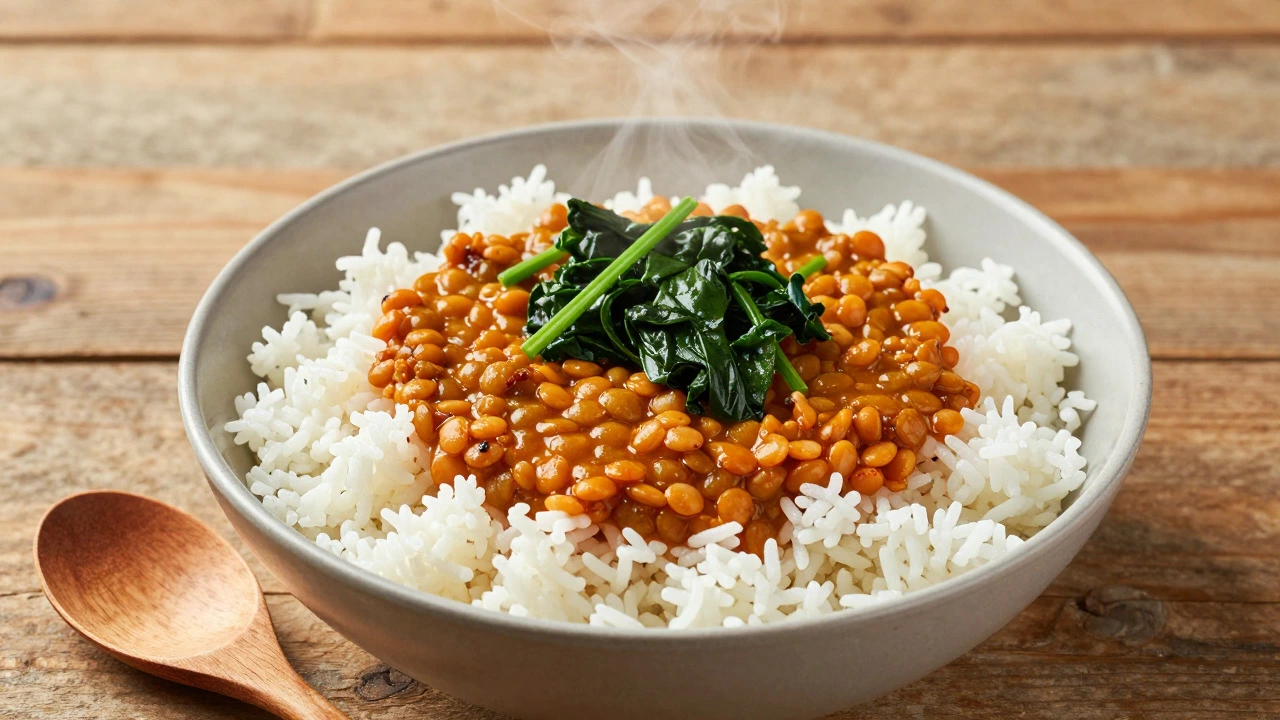
1. Spicy Red Lentil Dal with Rice
This is a classic comfort food that costs almost nothing to make. It’s warm, spicy, and packed with protein.
- Heat a tablespoon of oil in a large pot. Add one chopped onion and two minced garlic cloves. Sauté until soft (about 5 minutes).
- Add one teaspoon each of cumin, coriander, and turmeric. Stir for 30 seconds until fragrant.
- Add 200g of rinsed red lentils and 600ml of vegetable stock (or water with a stock cube).
- Simmer for 15-20 minutes until the lentils have disintegrated into a thick stew.
- Stir in a handful of frozen spinach and let it wilt. Serve over steamed rice.
Cost Breakdown: Lentils (£0.30), Onion/Garlic/Spices (£0.40), Stock Cube (£0.10), Rice (£0.20). Total: ~£1.00 per serving.
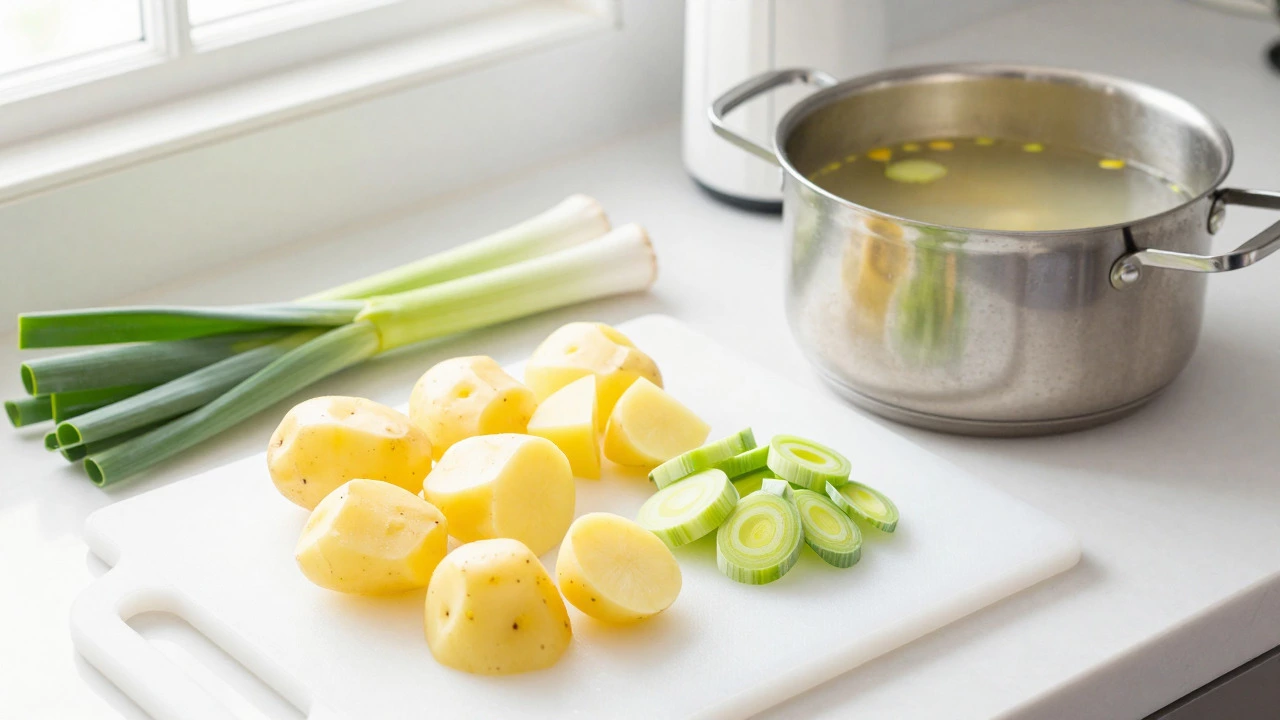
2. Potato and Leek Soup
Creamy, soothing, and incredibly cheap. You don’t need heavy cream to make this rich; the potatoes do all the work.
- Chop 500g of potatoes and 2 leeks into small pieces.
- Sauté the leeks in a little butter or oil until translucent.
- Add the potatoes and cover with 1 liter of water or stock.
- Bring to a boil, then reduce heat and simmer for 20 minutes until potatoes are tender.
- Use a hand blender to blitz the soup until smooth. Season generously with black pepper and salt.
Cost Breakdown: Potatoes (£0.40), Leeks (£0.30), Butter/Oil (£0.20). Total: ~£0.90 per serving (makes 4 servings).
3. Chickpea and Tomato Curry
If you soak dried chickpeas the night before, this meal comes together in under 30 minutes. It’s hearty and pairs well with naan bread (which you can also make cheaply) or rice.
- Sauté one onion and two garlic cloves in oil.
- Add one teaspoon of garam masala and half a teaspoon of chili powder.
- Add one can of chopped tomatoes (or 400g fresh tomatoes blended) and 200g of cooked chickpeas.
- Simmer for 10-15 minutes to let flavors meld.
- Finish with a squeeze of lemon juice and fresh cilantro if you have it.
Cost Breakdown: Chickpeas (£0.40), Tomatoes (£0.50), Onions/Spices (£0.30). Total: ~£1.20 per serving.
Smart Shopping Strategies
Cooking cheaply starts before you reach the stove. How you shop determines how far your money goes.
| Strategy | Pros | Cons |
|---|---|---|
| Buying in Bulk (Dry Goods) | Lowest cost per unit; long shelf life | Requires upfront cash; storage space needed |
| Discount Stores (Aldi/Lidl) | Consistently lower prices on staples | Less variety in specialty items |
| Frozen Vegetables | No waste; consistent quality | Some people prefer fresh texture |
| "Reduced To Clear" Sections | Up to 75% off meat/dairy | Unpredictable availability; must cook immediately |
Always check the "reduced to clear" section near the end of the day. This is where you can find meat, dairy, and bakery items at a fraction of the price. Just plan to freeze them or use them that night. Also, consider making your own stock. Instead of buying cartons of chicken or vegetable stock, save your onion skins, carrot tops, and celery ends in a freezer bag. Once full, boil them with water for an hour. Strain it, and you have free, flavorful stock.
Avoiding Common Pitfalls
When you're tight on cash, it's tempting to cut corners that actually cost you more in the long run. Here are mistakes to avoid:
- Skipping Breakfast: It sounds counterintuitive, but skipping breakfast often leads to binge-eating expensive snacks later. Eat oats with banana slices instead.
- Buying Pre-Chopped Veg: Those pre-cut onions and peppers carry a huge premium. Chopping takes five minutes; saving £1.50 is worth it.
- Ignoring Leftovers: Cook big batches. That dal or soup will taste even better the next day as flavors develop. Portion it out immediately so you have ready-to-eat lunches.
- Wasting Water/Energy: Boil only the water you need. Use lids on pots. It saves on utility bills, which helps your overall budget.
Making It Taste Good
Cheap food doesn't have to taste bland. Flavor comes from technique and seasoning, not expensive ingredients. Invest in a few core spices: cumin, coriander, paprika, turmeric, and chili flakes. These last for months and transform basic grains and beans into exciting meals.
Acidity is another secret weapon. A splash of vinegar or a squeeze of lemon juice at the end of cooking brightens up heavy dishes like bean stews or potato soups. You don't need fancy balsamic; white wine vinegar or apple cider vinegar works perfectly.
Finally, don't underestimate the power of herbs. Fresh parsley, cilantro, or chives can be grown on a windowsill for a few pence. They add freshness and color that makes a simple dish feel complete.
What is the cheapest food to buy in the UK right now?
The cheapest foods are typically dried pulses (lentils, chickpeas, beans), potatoes, rice, and seasonal vegetables like carrots and cabbage. Frozen vegetables are also very cost-effective because there is zero waste.
Can I get enough protein on a tight budget?
Yes. Dried lentils, chickpeas, and beans are excellent sources of plant-based protein. Eggs are also one of the cheapest animal protein sources available. Combining rice and beans provides a complete amino acid profile.
How do I stretch a small amount of meat?
Use meat as a flavoring rather than the main component. Dice it finely and mix it with lentils, mushrooms, or extra vegetables in stews and sauces. This allows a small pack of mince to feed four people instead of two.
Is it cheaper to cook from scratch or buy ready meals?
Cooking from scratch is almost always cheaper. A ready meal can cost £3-£5, while a home-cooked pasta or rice dish using basic ingredients costs less than £1 per serving. Plus, you control the nutritional content.
What should I keep in my emergency pantry?
Keep dried lentils, rice, pasta, canned tomatoes, onions, garlic, and basic spices. These items have a long shelf life and can be combined to make multiple different meals quickly.

Write a comment