
Tiramisu Layer Calculator
How Many Servings?
Your Perfect Tiramisu Recipe
Ingredients
- Ladyfingers: 32 (standard size)
- Mascarpone: 1.25 cups
- Eggs: 4 (3 yolks, 1 whole egg)
- Espresso: 24 oz (strong brewed)
- Unsweetened Cocoa: 3 tbsp
Layering Guide
- Dip ladyfingers for 2 seconds
- Chill 4+ hours before serving
- Whip egg whites to stiff peaks
Why This Works
Perfectly balanced tiramisu has:
- Creamy mascarpone (1.25 cups per 8 servings)
- Coffee-soaked ladyfingers without sogginess
- Cocoa powder between layers for consistent flavor
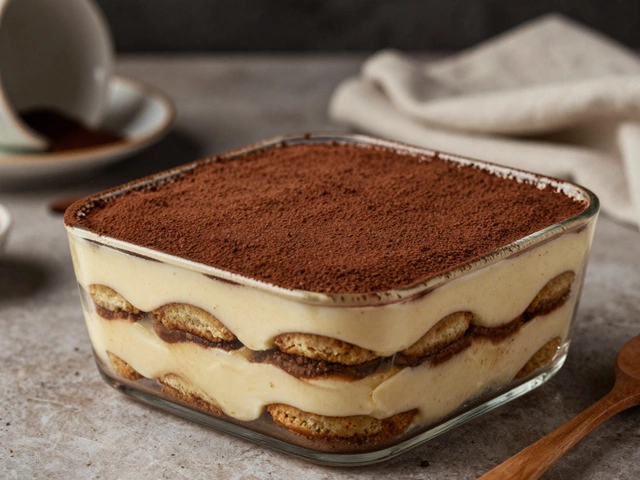
Ask ten people what the greatest dessert of all time is, and you’ll get ten different answers. Chocolate cake? Cheesecake? Ice cream? Maybe even a warm apple pie fresh out of the oven. But if you’ve ever had a properly made tiramisu - soft layers of coffee-soaked ladyfingers, creamy mascarpone, a dusting of cocoa, and just enough sweetness to make your heart pause - you’ll understand why this Italian classic doesn’t just compete. It wins.
Why Tiramisu Stands Above the Rest
Tiramisu isn’t just sweet. It’s balanced. It’s layered, both in texture and flavor. The coffee cuts through the richness of the mascarpone. The cocoa adds earthiness without bitterness. The ladyfingers soak up just enough liquid to become tender, not soggy. It’s dessert that feels indulgent but doesn’t weigh you down. That’s rare.
Unlike chocolate lava cake, which is all about one intense burst, or crème brûlée, which lives and dies by its sugar crust, tiramisu unfolds slowly. First, the cream. Then the coffee. Then the faint bitterness of cocoa. Each bite tells a story. And it doesn’t need a fork to be enjoyed - you can eat it straight from the dish with a spoon, like a creamy, caffeinated pudding.
It’s also one of the few desserts that gets better with time. Make it the night before, let it chill in the fridge, and the flavors meld into something deeper. That’s not something you can say about most cakes or cookies. Tiramisu doesn’t just sit there - it evolves.
The Origins That Made It Legendary
There’s no single origin story for tiramisu, but most food historians agree it came from the Veneto region of Italy in the late 1960s or early 1970s. A restaurant called Le Beccherie in Treviso claims to have invented it. The name means "pick me up" - a nod to the caffeine in the coffee and the sugar that gives you that little lift. It wasn’t some ancient royal dessert. It was born from a kitchen trying to make something special with what they had: eggs, sugar, mascarpone, and leftover ladyfingers.
That’s part of why it’s so powerful. It doesn’t need exotic ingredients. You don’t need saffron, gold leaf, or imported berries. Just coffee, eggs, sugar, mascarpone, cocoa, and a box of savoiardi. And yet, when done right, it tastes like luxury.
How to Make It Right (No Shortcuts)
Most bad tiramisu comes from cutting corners. Here’s what actually matters:
- Use real mascarpone. Not cream cheese. Not whipped heavy cream. Mascarpone is thick, buttery, and slightly tangy. It’s what gives tiramisu its velvety body.
- Brew strong espresso. Instant coffee? It’ll taste flat. Use freshly brewed espresso or very strong drip coffee. Let it cool. Hot coffee will melt the mascarpone and turn it into soup.
- Don’t drown the ladyfingers. Dip them for two seconds - just long enough to soak through. If they’re falling apart, you’ve gone too far.
- Separate the eggs. Whip the yolks with sugar until pale and thick. Fold in the mascarpone. Then whip the egg whites to stiff peaks and gently fold them in. This gives the filling airiness, not just heaviness.
- Use unsweetened cocoa powder. Dutch-process or natural, doesn’t matter. Just don’t use chocolate syrup or sweetened cocoa. You want bitterness, not candy.
And here’s the secret no one tells you: layer the cocoa between the cream and the ladyfingers, not just on top. That way, every bite has a hint of chocolate, not just the top layer.

Why Other Desserts Fall Short
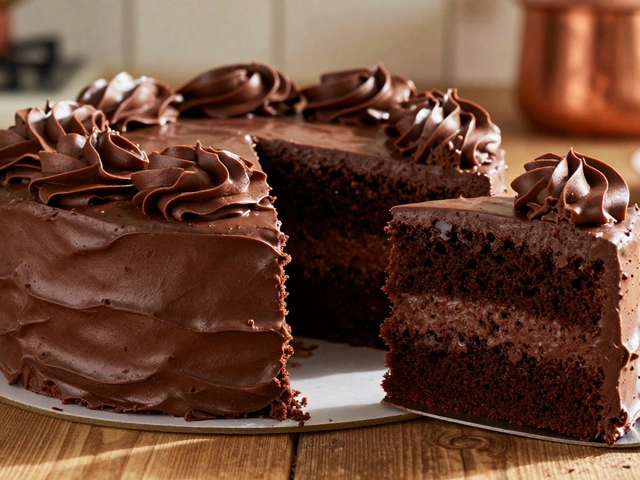
Chocolate cake? Too dense. Too sweet. Too much work for a single slice. Cheesecake? Rich, yes - but it’s one note. You need a knife, a napkin, and maybe a glass of water after one bite.
Ice cream? Great on a hot day. But it melts. It’s temporary. Tiramisu holds its shape. It’s meant to be eaten slowly, in a quiet moment, maybe with a second cup of coffee.
And what about crème brûlée? That caramelized sugar crust is a showstopper - until you crack it. Then it’s just custard. Tiramisu doesn’t rely on spectacle. It doesn’t need a torch or a sugar bomb. It wins with subtlety.
It’s Not Just Dessert - It’s Experience
Tiramisu isn’t eaten. It’s felt. It’s the dessert you make for someone you care about. The one you serve after a long dinner, when the conversation has slowed and the wine glasses are empty. It’s the dessert you make when you want to say something without saying it.
It’s the dessert that doesn’t shout. It whispers. And that’s why, after decades of trends - from red velvet to rainbow cupcakes to cloud bread - tiramisu still sits at the top. It doesn’t need to be trendy. It just needs to be made with care.

What Makes a Dessert Last?
Great desserts aren’t just about taste. They’re about memory. They’re about the way they make you feel when you eat them. Tiramisu does that. It brings back quiet Sunday afternoons in Italy. It brings back weddings, birthdays, and quiet dinners in Brighton kitchens where the only sound is the clink of a spoon against ceramic.
It’s not the most complicated dessert. But it’s the most thoughtful. And in a world full of sugary noise, that’s what makes it the greatest.
Is tiramisu gluten-free?
Traditional tiramisu uses ladyfingers, which contain wheat flour, so it’s not gluten-free. But you can easily make it gluten-free by using gluten-free ladyfingers or making your own with almond flour and rice flour. Many brands now sell gluten-free savoiardi, and they work just as well.
Can you make tiramisu without alcohol?
Yes. Traditional recipes sometimes include Marsala wine or rum, but they’re optional. The coffee and sugar provide enough flavor. Skip the alcohol entirely, or replace it with a splash of vanilla extract or even espresso-flavored syrup. The dessert still works perfectly.
How long does tiramisu last in the fridge?
Tiramisu keeps well for up to 4 days in the fridge if covered tightly with plastic wrap or stored in an airtight container. The flavors actually improve after 24 hours. After that, the ladyfingers may soften too much, so it’s best eaten within 3-4 days.
Can you freeze tiramisu?
Yes, but with caveats. Freeze it without the cocoa powder dusted on top. Wrap it tightly in plastic and then foil. It will keep for up to 2 months. Thaw overnight in the fridge, then dust with cocoa just before serving. The texture stays creamy, but the ladyfingers may lose a bit of their structure.
Why is my tiramisu runny?
Runny tiramisu usually means one of two things: you didn’t whip the egg whites to stiff peaks, or you used low-quality mascarpone that’s too watery. Always use full-fat mascarpone and make sure your egg whites are whipped until they hold firm peaks before folding them in. Also, don’t over-soak the ladyfingers - they should be damp, not dripping.
Next Steps: Try It Yourself
If you’ve never made tiramisu from scratch, start this weekend. Buy a tub of real mascarpone, brew a strong pot of espresso, and grab a box of ladyfingers. Follow the steps. Don’t rush. Let it chill overnight. Then take the first bite - slowly. Notice how the coffee and cream balance each other. How the cocoa lingers. How it doesn’t feel like a sugar bomb, but like something quiet and deeply satisfying.
That’s not just dessert. That’s the greatest one.





Write a comment