Vegan Junk Food Decoder
Watch out for:
Safe Swaps:
There is a common myth that going vegan means saying goodbye to flavor forever. People imagine a diet consisting only of steamed broccoli and plain tofu. But if you have ever walked through the snack aisle of a supermarket or ordered from a major fast-food chain, you know this isn't true. The reality is that many of our favorite guilty pleasures are already plant-based, or can be easily swapped for vegan versions without losing that satisfying crunch or creamy texture.
Finding vegan junk foods is easier than it used to be. From crispy fried chicken alternatives to rich chocolate bars, the market has exploded with options that cater to both ethical eaters and those just looking for a tasty break from healthy eating. This guide breaks down exactly what you can eat, where to find it, and how to spot the hidden non-vegan ingredients that often sneak into processed snacks.
The Hidden Non-Vegan Ingredients in Processed Food
Before we get to the good stuff, you need to know what to avoid. Many standard junk foods contain animal-derived ingredients that aren't immediately obvious. Milk powder, whey, casein, and gelatin are the usual suspects. However, there are trickier ones like carmine (a red dye made from crushed beetles) found in some candies, or vitamin D3 derived from sheep's wool lanolin in fortified cereals and chips.
Eggs are another major barrier. They act as binders in many fried foods and batters. If you see "egg white solids" or "albumin" on an ingredient list, put the item back. Honey is also off-limits for strict vegans, so check labels on granola bars and baked goods carefully. Understanding these basics helps you navigate packaging quickly and confidently.
Vegan Fast Food: Burgers, Fries, and More
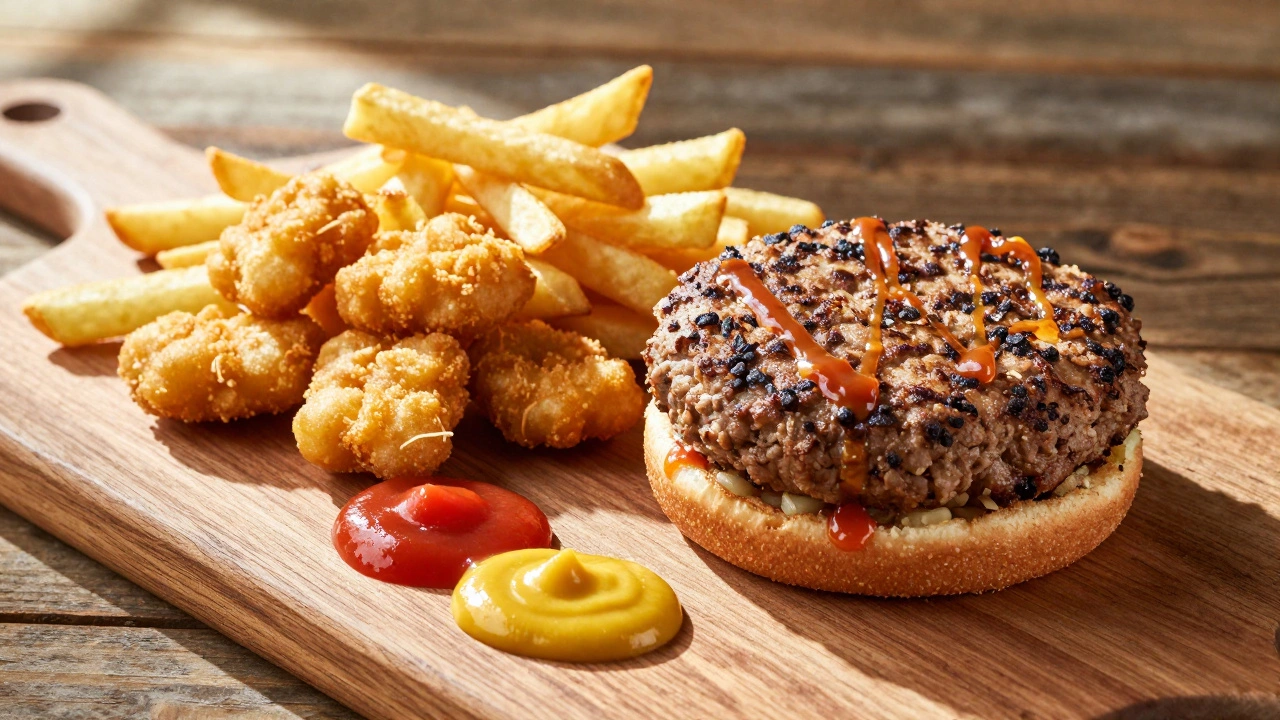
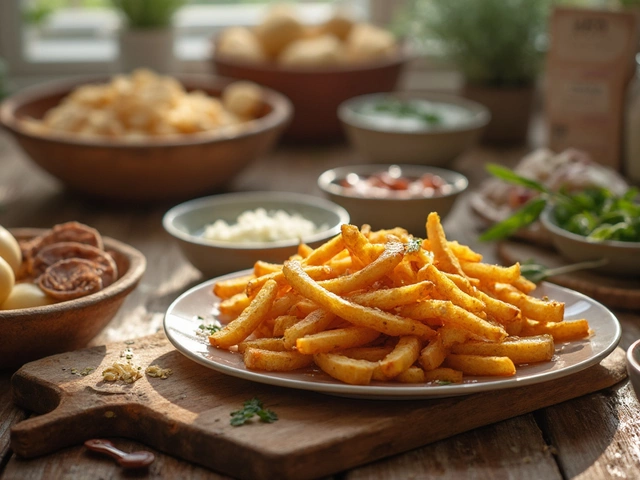
Fast food is arguably the king of junk food, and surprisingly, much of it is naturally vegan. French fries are usually safe at major chains, though you should always ask if they are cooked in shared oil with chicken or fish to avoid cross-contamination. At McDonald's, for example, the World Famous Fries are vegan in many regions, but the seasoning may vary by country.
Burgers have seen a massive revolution. You no longer need to order a plain burger patty and strip it of all toppings. Chains like Burger King, KFC, and Popeyes now offer dedicated plant-based burgers such as the Impossible Whopper or Beyond Meat patties. These mimic the texture and juiciness of beef using heme iron derived from plants. Just remember to request no mayo, as traditional mayonnaise contains egg yolks. Swap it for ketchup, mustard, or a vegan aioli if available.
Chicken nuggets were once impossible for vegans, but that changed rapidly. Brands like Gardein, Dr. Prairieland, and Beyond Meat produce frozen nuggets that fry up golden and crispy. Even fast-food giants have started testing vegan nugget lines in select markets. Look for mycoprotein-based options too; Quorn offers a range of fried-style products that are high in protein and low in fat compared to their meat counterparts.
Crisps, Chips, and Salty Snacks
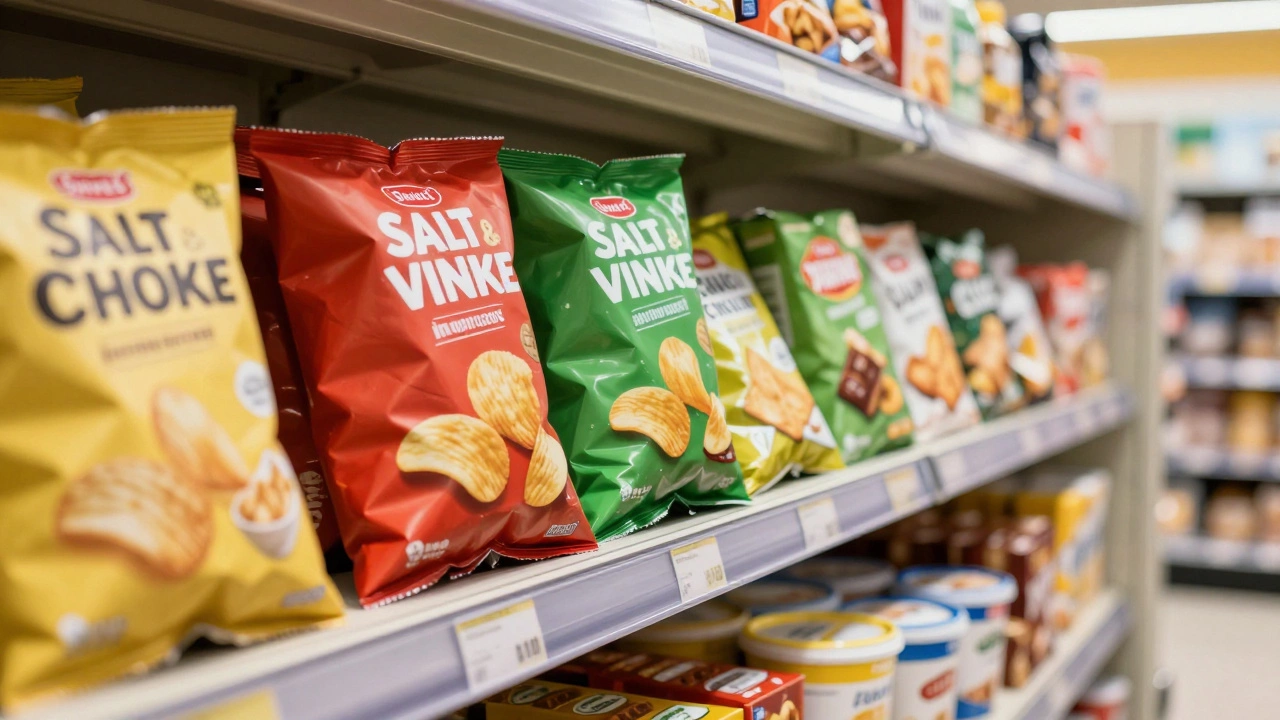
If you crave something salty and crunchy, you are in luck. Most plain potato chips are inherently vegan. The danger zone lies in flavored varieties. Sour cream and onion, cheddar, and parmesan flavors almost always contain real dairy derivatives like whey powder or milk fat. Stick to classic salt, sea salt, vinegar, or barbecue flavors, but always double-check the label for "natural flavors," which can sometimes hide dairy or meat extracts.
Brands like Pringles have a mixed bag. While the original sour cream and onion are not vegan, flavors like Salt & Vinegar and BBQ often are. Lay’s and Ruffles follow similar patterns. For a safer bet, look for brands that explicitly market themselves as plant-based, such as Hippeas (chickpea puffs) or Smartfood (white cheddar popcorn, which is surprisingly vegan-friendly in many formulations due to the use of yeast extract rather than cheese).
| Food Category | Typical Non-Vegan Ingredients | Safe Vegan Options |
|---|---|---|
| Potato Chips | Whey, Cheese Powder, Milk Fat | Salt & Vinegar, Plain, BBQ (check label) |
| Popcorn | Butter, Whey, Casein | Air-popped, Sea Salt, Mushroom Flavor |
| Chocolate Bars | Milk Solids, Carmine, Shellac | Dark Chocolate, Enjoy Life, Endangered Species |
| Ice Cream | Milk, Cream, Egg Yolks | Oat Milk, Coconut Milk, Soy Base |
| Fried Chicken | Egg Binder, Animal Broth | Gardein, Beyond, Quorn Mycoprotein |
Sweet Treats: Candy, Chocolate, and Ice Cream
Sugar rushes don't have to be off-limits. Dark chocolate is often vegan because it contains cocoa, sugar, and cocoa butter, none of which are animal-derived. However, milk chocolate is obviously out. Be cautious with confectionery coatings; some dark chocolates use milk fat or are processed on equipment with milk. Brands like Lindt (specifically their 70%+ dark bars), Green & Black’s, and local craft chocolatiers often offer certified vegan options.
Candy is a minefield. Gummy bears traditionally contain gelatin, which is made from boiled skin and bones of pigs or cows. However, modern alternatives use pectin or starch. Brands like Haribo now produce vegan gummies in Europe, and companies like Sweet Earth make fruit leather and gummies using apple pectin. Jelly beans are another tricky one; while the shell is sugar, the filling might contain gelatin or beeswax. Look for brands like YumEarth or Skittles (which are accidentally vegan in most markets).
Ice cream has undergone a renaissance. Early vegan ice creams had a waxy texture, but today’s options are creamy and indulgent. Oat milk bases, such as those from Oatly or McFlurry-compatible options at McDonald's in some countries, provide a neutral canvas that takes on flavors well. Coconut milk bases offer a richer, fattier mouthfeel that mimics dairy cream. Brands like Ben & Jerry’s, Häagen-Dazs, and Magnum have launched extensive vegan lines, proving that you don’t have to sacrifice luxury for ethics.
Pizza and Savory Pies
Pizza is a staple of junk food culture. The crust is usually vegan, but the sauce can sometimes contain hidden dairy or honey. Always ask for extra tomato sauce instead of garlic butter or olive oil drizzles that might contain butter. The cheese is the biggest hurdle. Mozzarella is dairy, but nutritional yeast sprinkled over hot pizza provides a cheesy, umami flavor without the lactose.
Vegan cheese technology has improved dramatically. Brands like Violife, Follow Your Heart, and Daiya offer shreds and slices that melt reasonably well. While they may not stretch quite like mozzarella, they deliver the savory punch you crave. Toppings like pepperoni and sausage are now available in plant-based forms from companies like Beyond Meat and Impossible Foods. These add the spicy, fatty kick that makes pizza feel like a treat.

DIY Vegan Junk Food Hacks
Not everything you want will be labeled vegan. That’s where simple swaps come in. Making your own junk food is often cheaper, healthier, and guaranteed free of animal products. Try baking your own fries using sweet potatoes or regular potatoes tossed in olive oil and smoked paprika. Air fryers make this process incredibly easy, yielding crispy results with minimal oil.
For a quick dessert, blend frozen bananas with a splash of almond milk and cocoa powder to create a soft-serve ice cream texture in minutes. This "nice cream" satisfies sweet cravings without any refined sugar or dairy. You can top it with vegan chocolate chips or nuts for added crunch. Another hack is using aquafaba (the liquid from a can of chickpeas) as an egg substitute in meringues or macarons. Whip it until stiff peaks form, add sugar, and bake. It creates light, airy desserts that taste identical to their egg-based counterparts.
Navigating Cross-Contamination Concerns
For those with severe allergies or strict ethical standards, cross-contamination is a valid concern. Even if a product is vegan, it may be manufactured in a facility that processes milk, eggs, or nuts. Most major brands disclose this information with statements like "May contain traces of..." on the packaging. While this doesn't mean the product contains animal ingredients, it indicates shared equipment.
In restaurants, communication is key. Always inform your server about your dietary restrictions. Ask specific questions: "Is the batter made with eggs?" or "Is the cheese vegan?" Many places are happy to accommodate, especially if you explain your needs clearly. Some chains even have allergen menus online that detail every ingredient in their dishes, making pre-planning your meal much easier.
Are Oreos vegan?
Yes, Oreos are considered vegan by many because they do not contain direct animal ingredients. However, they are processed in facilities that handle milk, and the sugar used may be filtered with bone char in some regions. Strict vegans may choose to avoid them due to these indirect factors.
What is the best vegan alternative to chicken nuggets?
Gardein and Beyond Meat offer highly rated frozen nuggets that mimic the texture of chicken. For a homemade option, use seitan (wheat gluten) or jackfruit seasoned with soy sauce and spices, then bread and bake or air-fry them for a crispy finish.
Can I eat popcorn at the movies?
Movie theater popcorn is often coated with artificial butter flavoring that contains dairy derivatives. To stay vegan, opt for plain popcorn and bring your own vegan butter spray or seasoning, or ask if they offer oil-only popped corn.
Are all dark chocolates vegan?
Not necessarily. Some dark chocolates contain milk fat or are processed on shared equipment with milk. Additionally, some use carmine (red dye) or shellac (polish). Check the label for "milk" or "dairy" warnings and look for certified vegan brands like Enjoy Life or Alter Eco.
How do I make vegan mayonnaise?
You can buy vegan mayo brands like Hellmann's Vegan or Just Mayo. To make it at home, blend silken tofu or cashews with lemon juice, apple cider vinegar, mustard, and oil until smooth. Aquafaba can also be whipped with oil and acid to create a light mayo.




Write a comment