
The Vegan Conversation Guide
Select a common question or misconception below to see why it might be problematic and what you can ask instead to foster a better connection.
You’re at a dinner party. The host has gone to great lengths to prepare a plant-based meal, and you’re sitting across from someone who identifies as a vegan. You want to be polite. Maybe you’re curious. But the moment you open your mouth, you risk turning a pleasant evening into an awkward interrogation. Why do we feel compelled to quiz vegans about their food choices? Is it genuine curiosity, or just a defense mechanism against our own dietary habits?
Living in Brighton, a city with one of the highest concentrations of vegans in the UK, I’ve heard every question imaginable. Some are harmless. Others make you want to hide under the table. If you want to connect with your vegan friends without making them roll their eyes, here is what you should keep to yourself.
The Protein Panic
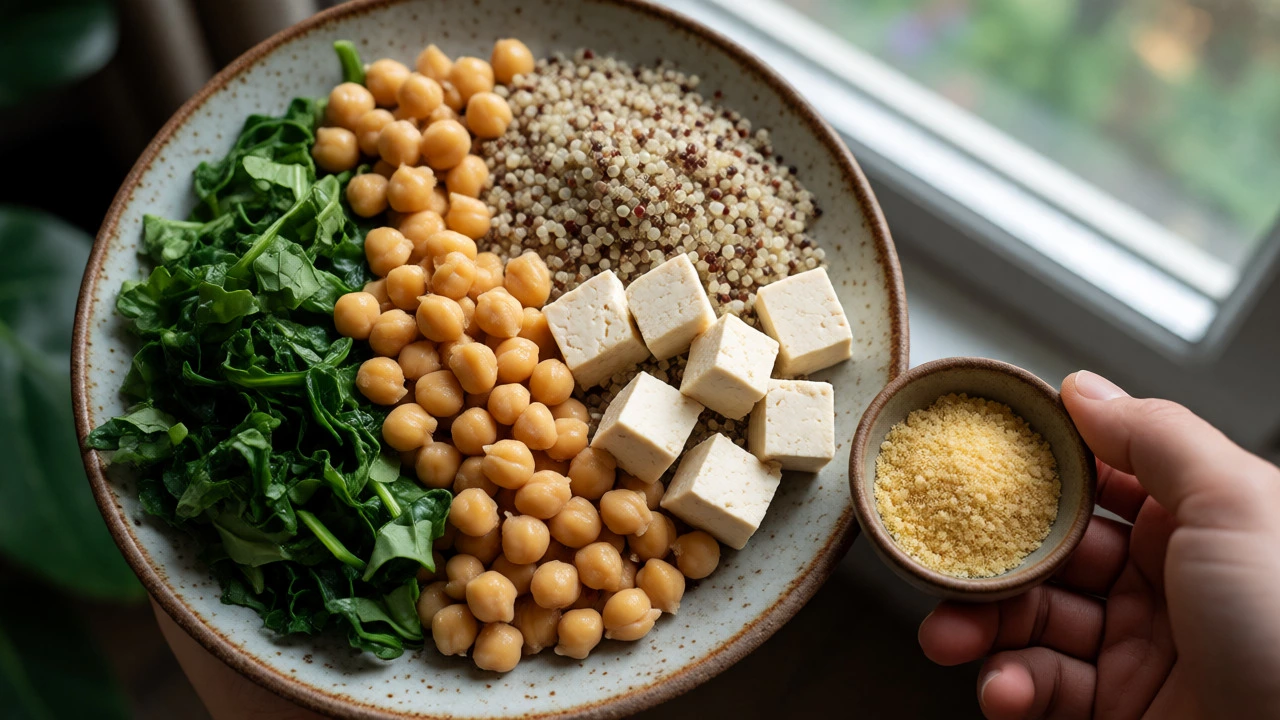
It’s the first thing everyone asks. It’s almost reflexive. "But where do you get your protein?" This question assumes that meat is the only legitimate source of nutrition and that plants are merely decorative sides. Here’s the reality: lentils, chickpeas, tofu, tempeh, quinoa, nuts, and seeds are packed with protein. In fact, many athletes thrive on plant-based diets because they recover faster due to lower inflammation levels.
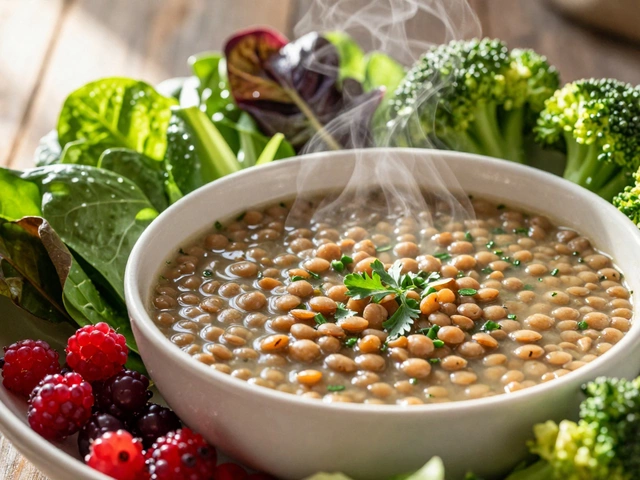
When you ask this, you aren’t really asking for nutritional data. You’re expressing skepticism. You’re implying that their diet is incomplete. Instead of questioning their biology, try asking about their favorite high-protein dishes. You might discover a delicious black bean burger recipe or a hearty lentil stew that you’d actually enjoy eating. Shift the focus from deficiency to abundance.
| Question Asked | Underlying Assumption | Better Alternative |
|---|---|---|
| Where do you get your protein? | Plants lack sufficient protein. | What’s your go-to lunch dish? |
| Don’t you miss cheese? | Dairy is irreplaceable. | Have you tried any new recipes lately? |
| Is it expensive? | Veganism is a luxury trend. | Do you cook mostly at home? |
The Cheese Conundrum
Next up: the dairy dilemma. "Don’t you miss cheese?" It sounds innocent, but it centers your preference rather than theirs. For many vegans, the taste of traditional dairy cheese doesn’t hold the same allure once they adjust their palate. They might prefer the sharpness of a fermented cashew cream or the umami punch of nutritional yeast.
By asking if they miss it, you’re projecting your own attachment to dairy onto them. You’re suggesting that giving up cheese is a sacrifice. For some, it is. For others, it’s a liberation from heavy, greasy foods that left them feeling sluggish. If you’re genuinely interested in their experience, ask how they replaced specific flavors in their cooking. Did they find a good alternative for pizza night? Are they experimenting with homemade nut cheeses? This turns a defensive topic into a culinary exploration.
The "Just One Bite" Pressure
We’ve all been there. Someone offers a piece of cake, and when you decline, they push. "Come on, it’s not like it has meat in it." This ignores hidden ingredients like gelatin, whey, or casein. But worse than the ingredient oversight is the pressure itself. Asking someone to break their ethical boundary for a social convenience puts them in an uncomfortable spot. Do they say no and seem difficult? Or do they say yes and compromise their values?
A better approach is to offer options. If you’re hosting, label the dishes clearly. Let people know which items are vegan by default. This removes the burden of interrogation from the guest. They don’t have to ask "Does this have butter?" ten times. They can simply look at the sign and choose freely. Autonomy matters more than persuasion.
The Cost Myth
"Isn’t being vegan super expensive?" This stereotype persists despite evidence to the contrary. Yes, specialty vegan cheeses and mock meats can cost more than their animal counterparts. But the core of a vegan diet-rice, beans, seasonal vegetables, bananas, oats-is often cheaper than buying chicken breasts and steak. The expense comes from processed convenience foods, not the diet itself.
If you ask this question, you’re likely judging their financial choices based on visible products rather than underlying habits. Many vegans save money by cooking in bulk and avoiding pre-packaged snacks. Instead of assuming they’re broke or wealthy, ask about their shopping routine. Do they visit local markets? Do they batch-cook on Sundays? You’ll likely learn budget-friendly tips that apply to everyone, regardless of diet.
The Ethical Lecture Fear
Some people avoid vegans entirely because they fear a lecture. So, instead of engaging, they ask provocative questions designed to start a debate. "What about insects? What about lab-grown meat?" These questions often feel like traps. They signal that you’re not interested in their lifestyle; you’re interested in finding loopholes in their philosophy.
Vegans usually adopt their lifestyle after careful consideration. They’ve already thought about these edge cases. Repeating well-known philosophical debates rarely leads to productive conversation. It leads to fatigue. If you want to discuss ethics, wait until the mood is right. Don’t ambush someone over appetizers. Build rapport first. Share your own views on sustainability or animal welfare. Listen to theirs. Connection beats conversion every time.

The Health Halo
"Are you vegan for health reasons?" While this seems neutral, it can imply that other diets are unhealthy. Or worse, it suggests that their choice is purely selfish. Many vegans choose the lifestyle for environmental or ethical reasons. Reducing their carbon footprint or opposing industrial farming practices drives their decisions. Framing it solely around personal health misses the bigger picture.
Furthermore, a vegan diet isn’t automatically healthy. Oreos are vegan. Soda is vegan. Assuming their diet is inherently superior can come off as preachy. Instead of diagnosing their motivation, ask what inspired their change. Was it a documentary? A friend’s influence? A medical diagnosis? Understanding the trigger helps you appreciate the commitment behind the choice.
How to Be a Good Host (or Guest)
So, what should you do instead? Treat veganism as a normal part of life, not a novelty act. If you’re cooking, check labels. Look for hidden dairy or eggs. Offer variety. Don’t make the vegan meal an afterthought consisting of plain rice and steamed broccoli. Include rich flavors, spices, and textures.
If you’re the guest, communicate ahead of time. Let the host know your restrictions without demanding special treatment. Bring a dish to share. This shows appreciation for their effort and ensures you have something you can eat. It also sparks conversation about food rather than restriction.
Remember, the goal isn’t to prove who is right. It’s to enjoy each other’s company. Food brings people together, even when the ingredients differ. By dropping the interrogative tone and embracing curiosity without judgment, you create space for meaningful dialogue. You might even pick up a new favorite recipe along the way.
Is it rude to ask a vegan why they became vegan?
Not necessarily, but timing matters. Asking casually during a relaxed conversation is fine. Interrogating them immediately upon meeting or while they are trying to eat can feel intrusive. Focus on listening rather than debating.
Why do vegans dislike the question about protein?
It implies that plant-based diets are nutritionally deficient. Most vegans have researched this extensively and find the question repetitive and dismissive of plant sources like legumes and grains.
How can I ensure my vegan guests have enough to eat?
Label dishes clearly, include hearty staples like potatoes or pasta with vegan sauces, and ask about allergies beforehand. Offering a dedicated vegan dessert is a thoughtful touch.
Is veganism always expensive?
No. While specialty products cost more, whole foods like beans, rice, and seasonal produce are often cheaper than meat. Budget depends on how much processed food one consumes.
Should I apologize if I serve non-vegan food?
A simple acknowledgment is polite, but excessive apologizing makes it awkward. State what is available and let them choose. Confidence is more comfortable than guilt.





Write a comment