Gluten Risk & Safety Checker
Check Food Safety
Enter a food item or ingredient to see its gluten status.
Enter a food item to analyze its risk level.
Common Hidden Gluten Traps
Imagine biting into a delicious-looking sandwich, only to feel your stomach churn hours later. For people with celiac disease or a severe sensitivity to gluten, this isn't just an inconvenience; it's a health crisis. Gluten is a protein found in wheat, barley, and rye that acts as the "glue" holding many foods together. While it provides texture and structure to breads and pastries, for those who must avoid it, it triggers an autoimmune response that damages the small intestine.
You might think avoiding gluten is as simple as skipping pizza and pasta. But the reality is far more complex. Gluten hides in plain sight inside sauces, processed meats, and even some medications. Knowing exactly what not to eat is the first step toward feeling better. This guide breaks down the obvious offenders and the sneaky culprits you need to watch out for.
The Big Three: Wheat, Barley, and Rye
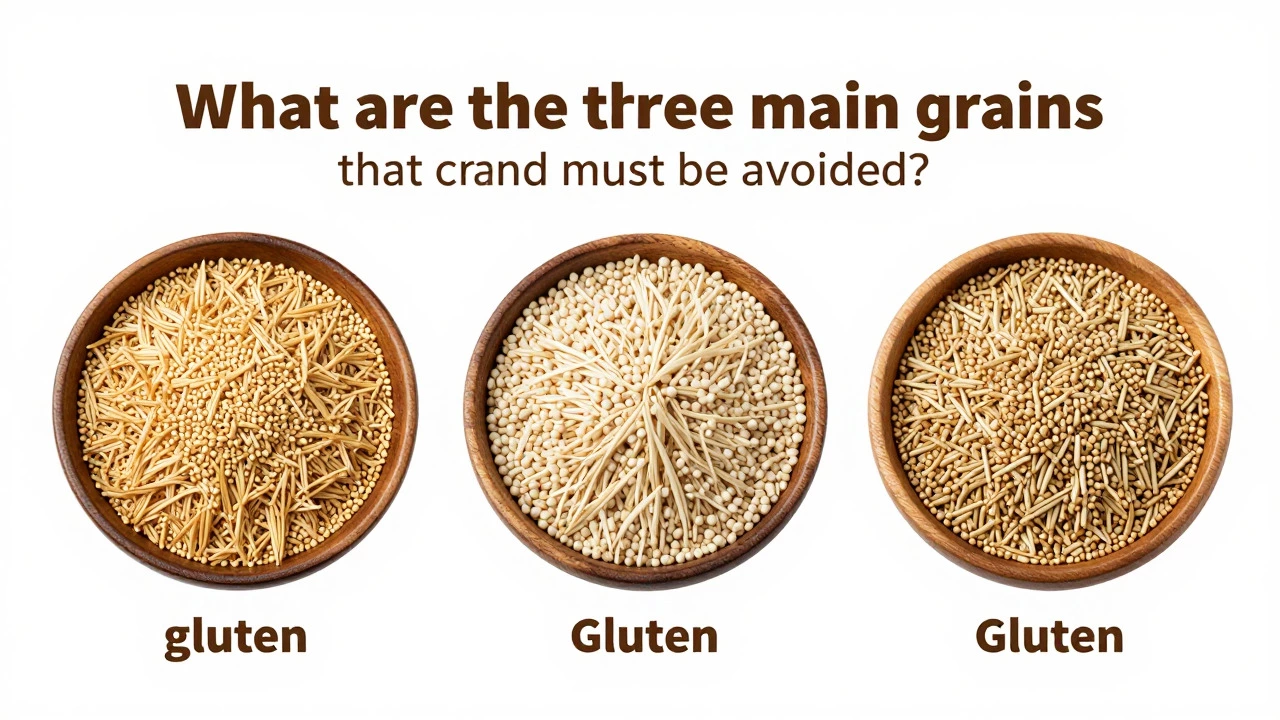
At the core of any gluten-free lifestyle are three grains. If you see these on an ingredient list, put the product back immediately.
- Wheat: This is the most common source. It appears under many names, including whole wheat, spelt, kamut, farro, bulgur, durum, semolina, and triticale. Even "wheat starch" contains gluten unless specifically labeled gluten-free.
- Barley: Often used in soups, stews, and beer. Look out for ingredients like malt, malt flavoring, malt vinegar, and pearl barley.
- Rye: Common in traditional breads and cereals. It also shows up in some whiskeys and flavored vodkas.
A lesser-known grain called Triticale is a hybrid cross between wheat and rye. Because it combines both parents, it is high in gluten and should be avoided completely. You will often find it in bulk bins or older packaged goods as a cost-saving measure for manufacturers.
Hidden Gluten in Processed Foods
This is where most people get tripped up. Whole foods like fresh meat, fruits, and vegetables are naturally gluten-free. However, once food enters the processing plant, gluten can sneak in as a thickener, stabilizer, or flavor enhancer.
Sauces and condiments are major red flags. Soy sauce is traditionally made from fermented soybeans and wheat. Unless the bottle explicitly says "tamari" or "gluten-free soy sauce," assume it has gluten. The same goes for teriyaki sauce, hoisin sauce, and many salad dressings. Manufacturers use wheat flour to thicken these liquids, giving them a smooth consistency that cornstarch or xanthan gum could also provide.
Canned soups and broths are another minefield. Many brands use wheat-based thickeners to create a rich mouthfeel. Always check the label for "modified food starch." In the United States and Europe, if the source isn't specified, it is safer to assume it is derived from wheat. Similarly, imitation crab meat (surimi) often contains wheat flour as a binder. If you love sushi, stick to real fish or ask the chef about their surimi brand.
The Bakery Trap: Cross-Contamination
Even if a cookie is made with almond flour and rice flour, it might still contain gluten. How? Through cross-contamination. Flour dust is incredibly light and travels through the air. In a standard bakery, mixing bowls, ovens, and cooling racks are shared between gluten-containing and gluten-free batches.
If you have celiac disease, trace amounts of gluten-less than the weight of a paperclip-can cause damage. You cannot rely on visual inspection. A brownie cut from a pan next to a wheat cake is contaminated. Look for products certified by organizations like the Celiac Sprue Association or GFCO (Gluten-Free Certification Organization). These certifications require rigorous testing to ensure products contain less than 20 parts per million (ppm) of gluten, which is considered safe for most celiacs.
Beverages Beyond Beer
We all know regular beer is off-limits because it is brewed from barley. But did you know that some spirits can also be problematic? Distillation theoretically removes gluten proteins, but there is debate among experts about whether trace amounts remain. More importantly, many flavored liquors add caramel color or flavorings derived from wheat after distillation.
Malt beverages are strictly forbidden. Malt comes from barley, so malt vinegar, malted milk shakes, and malted hot chocolates are dangerous. Stick to distilled wines, tequila, vodka made from corn or potatoes, and rum. When in doubt, choose wine or hard seltzers made with gluten-free bases.
| Food Category | Avoid (Contains Gluten) | Safe Alternative |
|---|---|---|
| Pasta | Regular spaghetti, macaroni | Rice noodles, quinoa pasta, lentil pasta |
| Sauce | Traditional soy sauce, teriyaki | Tamari, coconut aminos |
| Vinegar | Malt vinegar | Apple cider vinegar, white wine vinegar |
| Bread | White, whole wheat, rye bread | Gluten-free bread blends, sourdough (certified GF) |
| Snacks | Pretzels, crackers, granola bars | Popcorn, rice cakes, fruit |
Restaurant Dining Risks
Eating out adds another layer of complexity. Kitchen staff may fry french fries in the same oil used for chicken nuggets coated in wheat flour. That oil now contains gluten particles. When you order your steak, ask if they cook it on a clean grill surface. Shared grills are a common source of accidental ingestion.
Buffets are particularly risky. Tongs used for gluten-containing salads are then dipped into the potato salad. Never assume a dish is safe based on its name. A "chicken stir-fry" likely uses soy sauce and wheat-based thickeners. Always speak to the manager or chef directly. Ask specific questions: "Is this prepared in a dedicated gluten-free area?" and "Do you use separate utensils?"
Reading Labels Like a Pro
In many countries, including the US and UK, regulations require clear labeling. In the US, the FDA mandates that if a product is labeled "gluten-free," it must contain less than 20 ppm of gluten. However, "wheat-free" does not mean "gluten-free." A product can be wheat-free but still contain barley or rye.
Learn to spot ambiguous terms. "Natural flavors" can sometimes hide hydrolyzed wheat protein. "Starch" without a specified source is suspicious. When shopping, keep a list of safe grains in your wallet: rice, corn, quinoa, buckwheat (despite the name, it is not related to wheat), millet, sorghum, and amaranth. These form the backbone of a healthy, varied gluten-free diet.
Avoiding gluten is not about restriction; it is about precision. By understanding where gluten hides and how cross-contamination occurs, you protect your health while still enjoying a wide variety of foods. Start with your pantry, remove the obvious offenders, and gradually introduce certified gluten-free staples. Your body will thank you.
Is oatmeal safe for people avoiding gluten?
Pure oats are naturally gluten-free, but they are frequently contaminated during farming and processing because they are often grown near wheat or transported in the same trucks. You must buy oats specifically labeled "certified gluten-free" to ensure they have been tested for cross-contamination. Regular grocery store oats are generally unsafe for celiacs.
Can I eat regular chocolate?
Plain dark chocolate is usually safe, but you must check the label. Milk chocolate and chocolate bars often contain cookies, wafers, or barley malt. Additionally, some chocolates are processed on equipment that handles wheat. Look for brands that explicitly state "gluten-free" to avoid risk.
Why is cross-contamination so dangerous?
For individuals with celiac disease, even microscopic amounts of gluten trigger an immune response that attacks the lining of the small intestine. Over time, this leads to nutrient malabsorption, anemia, and increased risk of other autoimmune disorders. Unlike a mild allergy, the damage is internal and cumulative, making strict avoidance essential.
Are all vinegars gluten-free?
Most vinegars are safe, including apple cider, balsamic, and white wine vinegar. However, malt vinegar is made from barley and contains gluten. Distilled white vinegar is technically gluten-free due to the distillation process, but some sensitive individuals prefer to avoid it. Always check the label for added ingredients.
What should I do if I accidentally eat gluten?
There is no quick fix to reverse the damage. Focus on hydration and rest. Eat bland, easy-to-digest foods like rice, bananas, and boiled chicken for a few days to let your gut heal. Monitor your symptoms and consult your doctor if they persist. Do not induce vomiting unless advised by a medical professional.



Write a comment