When you’re eating vegan, rice isn’t just a side dish-it’s a staple. But not all rice is created equal, and not every type is automatically vegan-friendly. The good news? Most rice is naturally vegan. The real question isn’t can vegans eat rice-it’s which rice works best for your diet, taste, and nutrition goals.
Rice Is Naturally Vegan (Most of It)
Plain white rice, brown rice, wild rice, black rice, red rice-all of these come from the same plant family: Oryza sativa. They’re grown in fields, harvested, and milled. No animals involved. No dairy. No eggs. No honey. Just grains and water.
Some people assume rice might be processed with animal products, like gelatin or bone char, but that’s not how rice is made. Unlike sugar, which sometimes uses bone char for whitening, rice doesn’t need chemical processing that involves animals. So unless it’s been mixed with something else, you’re safe.
Even sticky rice, often used in Asian desserts, is vegan as long as it’s not cooked with dairy or sugar processed with bone char. Most traditional recipes use just water and rice. Check the label if you’re buying pre-seasoned or instant rice, but plain rice? Always vegan.
Best Types of Rice for Vegans
Not all rice is the same in nutrition or texture. Here’s what most vegans actually eat-and why.
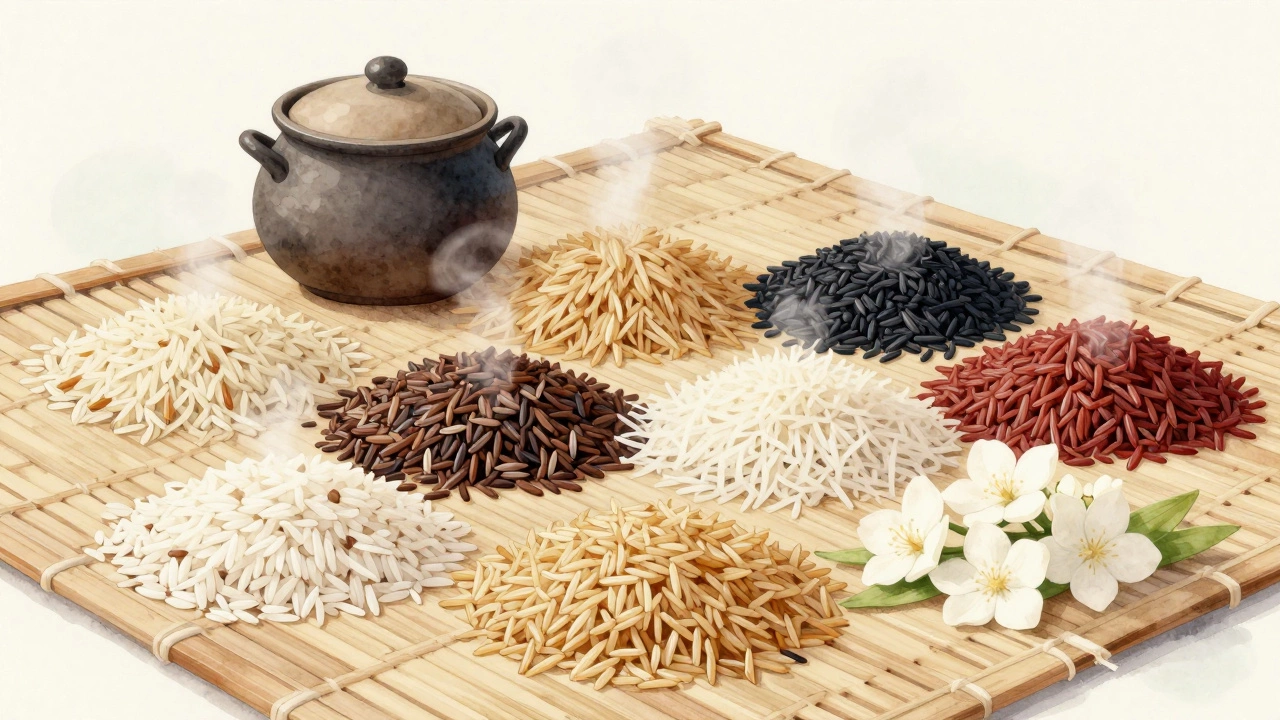
- Brown rice: High in fiber, magnesium, and B vitamins. It’s the go-to for people wanting more whole grains. Takes longer to cook but keeps you full longer.
- White rice: Lower in fiber but easier to digest. Great for sensitive stomachs or when you need quick energy. Often enriched with iron and B vitamins in the U.S. and Canada.
- Wild rice: Not technically rice-it’s a grass seed. Packed with protein and antioxidants. Has a nutty flavor and chewy texture. Perfect in grain bowls or salads.
- Black rice: Also called forbidden rice. Deep purple color from anthocyanins-the same antioxidants in blueberries. High in iron and fiber. Looks fancy, tastes earthy.
- Red rice: Has a slightly sweet, nutty taste. Contains more antioxidants than white rice. Common in Himalayan and Southeast Asian diets.
- Basmati rice: Aromatic, long-grain rice used in Indian and Middle Eastern dishes. Low glycemic index, so it doesn’t spike blood sugar as fast as regular white rice.
- Jasmine rice: Fragrant, soft, and slightly sticky. Popular in Thai cuisine. Great for curries and stir-fries.
There’s no single "best" rice for vegans. It depends on what you’re making. Need something hearty? Go for brown or wild rice. Need something light and fluffy? Jasmine or basmati works better.
What Rice Should Vegans Avoid?
Plain rice? Always safe. But watch out for these:
- Flavored instant rice packets: Brands like Uncle Ben’s or Minute Rice sometimes add butter, chicken broth, or dairy-based flavorings. Always read the ingredients. If it says "natural flavors" without details, check the brand’s website.
- Rice pilaf: Often cooked with chicken stock or butter. Ask for a vegan version or make your own with vegetable broth and olive oil.
- Rice pudding: Traditional versions use milk and eggs. Vegan versions exist-made with coconut milk, almond milk, or oat milk-but don’t assume it’s vegan unless labeled.
- Seasoned rice mixes: Especially in the U.S., these can contain whey, casein, or other dairy derivatives. Look for "vegan certified" labels.
When in doubt, stick to plain, unseasoned rice and add your own spices. Cumin, turmeric, garlic powder, and a splash of soy sauce turn plain rice into something delicious-and fully vegan.
How to Cook Perfect Rice for Vegan Meals
Most rice cooks the same way: rinse, boil, simmer, rest. But here’s what actually works in practice.
- Rinse it: Especially white rice. Rinsing removes excess starch so it doesn’t turn gummy. Use cold water until it runs clear.
- Use the right water ratio: Brown rice needs more water-about 2.5 cups per cup of rice. White rice: 1.5 to 2 cups. Wild rice: 3 to 4 cups. Check the package, but these are safe starting points.
- Bring to a boil, then cover and simmer: No peeking. Let it steam for 15-45 minutes depending on the type. White rice takes 15-20 minutes. Brown rice takes 30-40. Wild rice? Up to 50 minutes.
- Let it rest: Turn off the heat, leave the lid on for 10 minutes. This makes it fluffier.
Pro tip: Use a rice cooker. Set it once, walk away. No guesswork. Perfect rice every time. Even the cheapest models work great.
How Vegans Use Rice in Meals
Rice isn’t just a side. It’s the base of entire meals. Here’s how real vegans use it every day:
- Stir-fries: Brown rice or jasmine rice as the base. Toss in tofu, broccoli, carrots, and tamari.
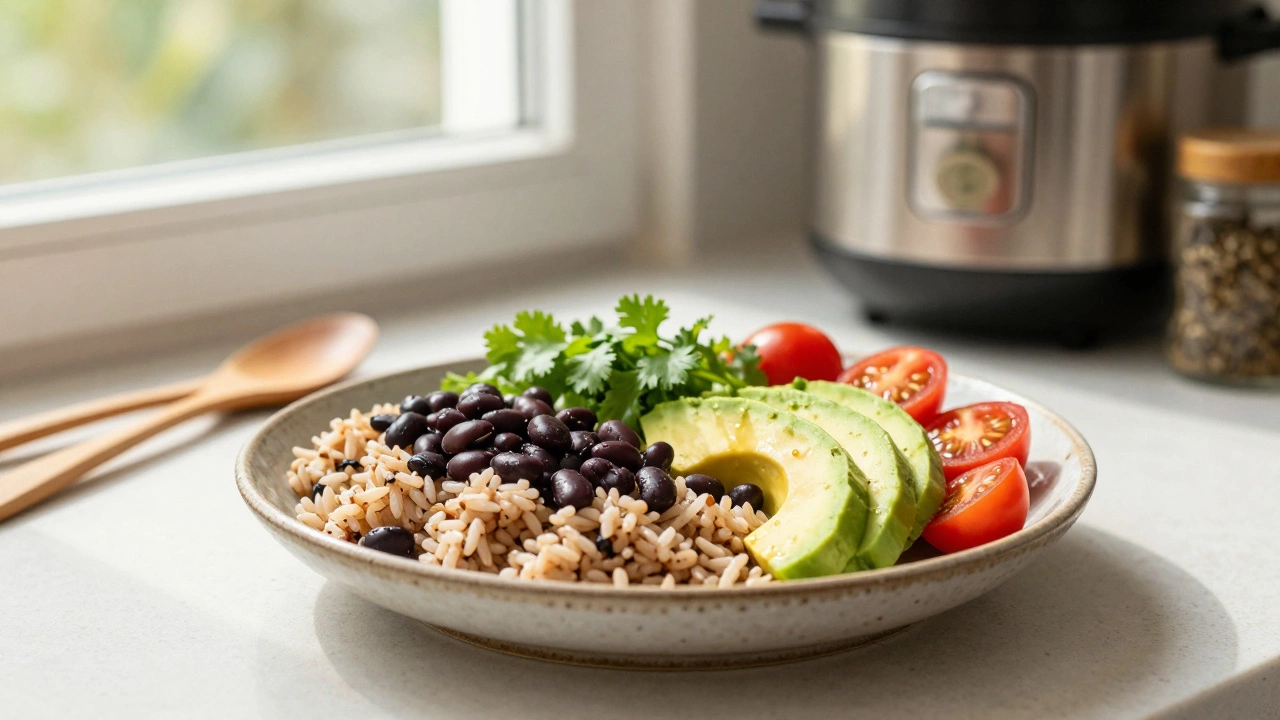
- Burritos and bowls: Black beans, brown rice, avocado, salsa, and lime. Simple, filling, and cheap.
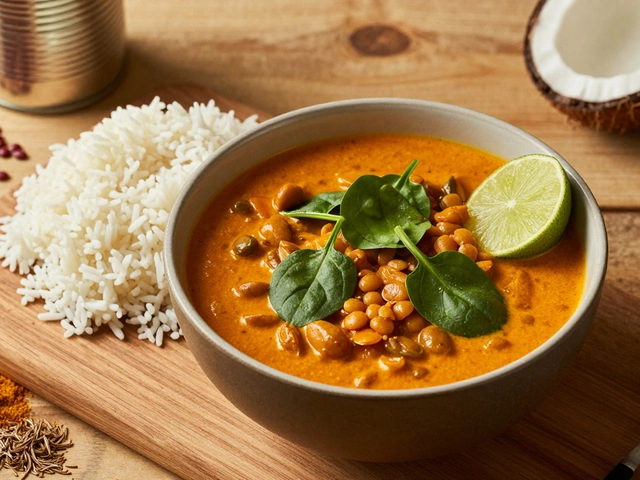
- Curries: Basmati rice with lentil curry or chickpea curry. The rice soaks up the sauce perfectly.
- Breakfast porridge: Cook brown rice in almond milk with cinnamon and sliced banana. Add chia seeds for omega-3s.
- Vegetable fried rice: Use leftover rice. Stir-fry with peas, corn, onions, garlic, and soy sauce. No egg needed.
- Energy balls: Ground rice flour mixed with dates, peanut butter, and cocoa. No baking required.
One study from the University of California found that people who ate whole grains like brown rice five or more times a week had a 20% lower risk of type 2 diabetes. That’s not just about rice-it’s about replacing refined carbs with whole grains.
Is Organic or Fair Trade Rice Better for Vegans?
It’s not required for veganism, but many vegans care about ethics beyond the plate. Organic rice is grown without synthetic pesticides, which is better for the environment and farm workers. Fair Trade rice ensures farmers get paid fairly.
Brands like Lundberg Family Farms and Lotus Foods offer organic, fair trade brown rice. They’re more expensive, but if you eat rice often, it’s worth considering. You don’t need to buy organic every time, but choosing it occasionally adds up.

Common Myths About Rice and Veganism
Let’s clear up the noise.
- Myth: Rice contains animal products. False. Plain rice is plant-based. Only flavored versions might not be.
- Myth: Vegans can’t eat white rice. No. White rice is vegan. It’s just less nutrient-dense than brown rice. That doesn’t make it off-limits.
- Myth: Rice is unhealthy because it’s high in carbs. Carbs aren’t the enemy. Whole grain rice provides sustained energy. The problem is eating too much refined white rice without fiber or protein. Pair it with beans or lentils.
- Myth: All rice is gluten-free. True. Rice is naturally gluten-free. But cross-contamination can happen in factories. If you have celiac disease, look for "certified gluten-free" rice.
What to Do If You’re New to Eating Rice as a Vegan
Start simple.
- Buy one bag of brown rice and one bag of white rice.
- Cook a big batch on Sunday. Store it in the fridge for up to 5 days.
- Use it in 2-3 meals: stir-fry, bowl, soup.
- Try one new type each month-black rice, red rice, wild rice.
- Don’t stress about perfection. Eat what you like. Veganism is about progress, not purity.
Most vegans eat rice every week. It’s affordable, filling, and versatile. You don’t need fancy ingredients or complicated recipes. Just rice, water, and a little seasoning.
Is all rice vegan?
Yes, plain rice-white, brown, wild, black, red-is always vegan. It’s a grain grown from plants. The only exceptions are flavored or pre-packaged rice that includes animal-derived ingredients like butter, chicken broth, or dairy-based seasonings. Always check labels if it’s not plain rice.
Can vegans eat jasmine or basmati rice?
Absolutely. Jasmine and basmati rice are both plant-based and widely used in vegan cooking. Jasmine rice is great for Thai curries because of its soft, fragrant texture. Basmati rice is ideal for Indian dishes like dal or vegetable biryani. Neither contains animal products unless mixed in during processing.
Is instant rice vegan?
Some instant rice is vegan, but not all. Brands like Uncle Ben’s and Minute Rice often add flavorings derived from animal products, like chicken or beef broth. Always read the ingredients list. Look for "vegetable broth" or "no added flavors." Plain instant rice without seasoning is always safe.
Does rice have protein?
Rice isn’t a high-protein food, but it does contain some. One cup of cooked brown rice has about 5 grams of protein. Wild rice has more-around 7 grams per cup. To make a complete protein, pair rice with beans, lentils, tofu, or nuts. That’s how vegans get all essential amino acids.
Is brown rice better than white rice for vegans?
Brown rice has more fiber, vitamins, and minerals because it keeps the bran and germ. White rice is stripped of these during processing, though it’s often enriched with iron and B vitamins. For overall health, brown rice is better. But white rice is easier to digest and fine in moderation. Vegans eat both-it’s about balance, not rules.
Final Thought: Rice Is Your Friend
You don’t need to overthink rice. It’s cheap, shelf-stable, and works with almost everything. Whether you’re cooking a quick weeknight meal or meal-prepping for the week, rice is one of the most reliable tools in a vegan kitchen. Pick the type you like, cook it simply, and pair it with beans, veggies, or tofu. That’s all it takes to make a meal that’s healthy, satisfying, and 100% vegan.

Write a comment