Vegan Sugar Checker
Click on a sugar type to check its vegan status and learn why.
Select a sugar type from the list to see detailed information.
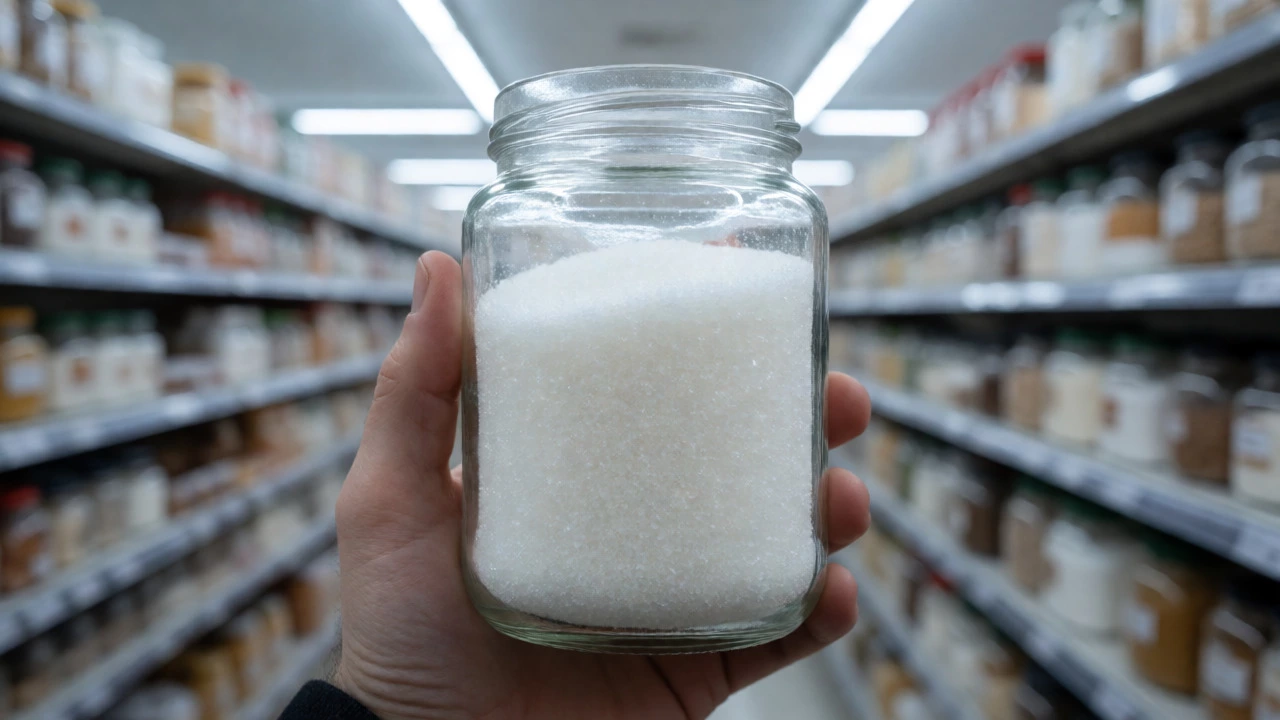
You’re standing in the supermarket aisle, holding a bag of granulated white sugar. It looks innocent enough-white crystals, simple packaging. But for many vegans, that bag is a minefield. The question isn’t just about what’s added to the sugar; it’s about how it was made. If you’ve ever wondered what sugar can vegans not eat, you’re asking one of the most common-and confusing-questions in plant-based eating.
The short answer? Most standard refined white sugar in the US and UK may involve animal products during processing. Specifically, bone char. But it’s not as black-and-white (pun intended) as it seems. Some sugars are strictly non-vegan due to ingredients like honey or dairy derivatives, while others are technically vegan but processed with animal bones. Let’s break down exactly which sugars to avoid, why, and what safe alternatives exist.
The Bone Char Issue: Why White Sugar Isn’t Always Vegan
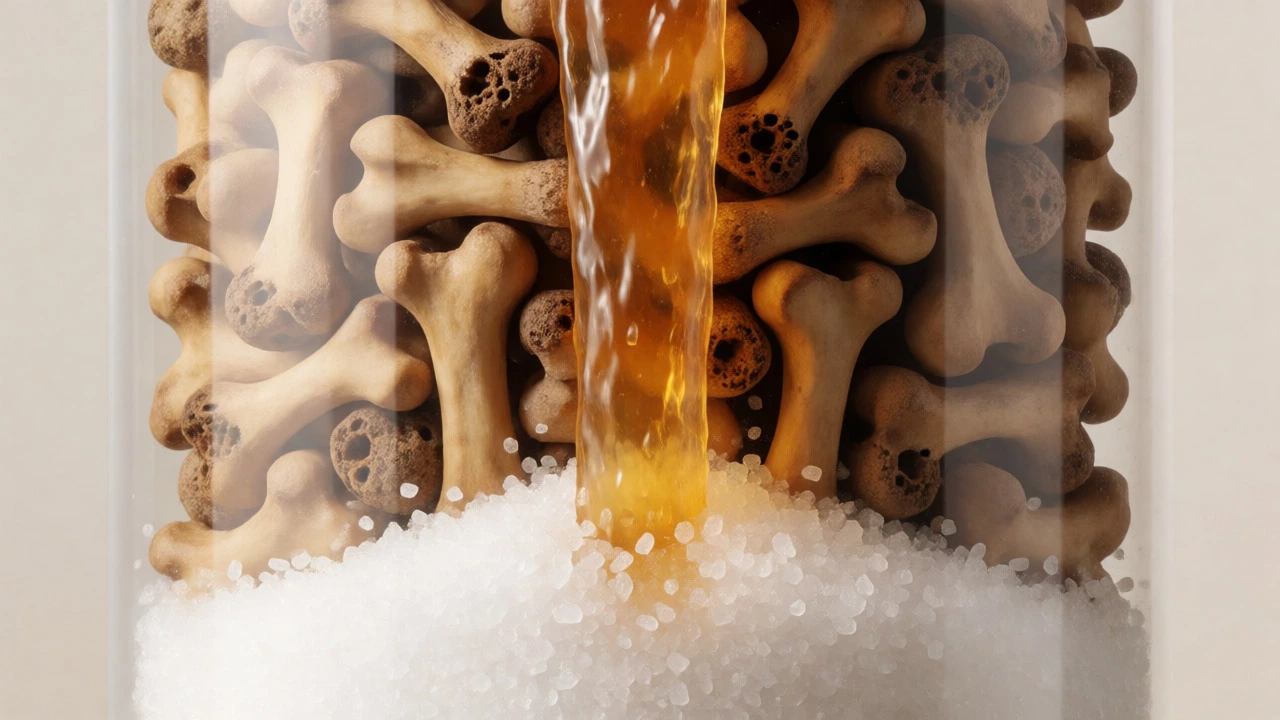
Here’s the thing about refined cane sugar: it starts out brown. To get that pure white color manufacturers love, they need to bleach and filter the raw sugar juice. In the United States, the industry standard for this filtration process has long been Bone Char. This is a porous material created by heating cattle bones at high temperatures until they become carbonized. When the sugar syrup passes through columns filled with bone char, the impurities stick to it, leaving behind bright white crystals.
Does the bone char end up in your cup of tea? No. It acts as a filter, much like activated charcoal. However, because animal parts were used in the production process, strict vegans consider this non-compliant. The Vegetarian Resource Group notes that approximately 50% of white sugar sold in the US uses bone char filtration. The other half uses alternative methods like ion exchange or carbon filters.
| Sugar Type | Vegan Status | Reason |
|---|---|---|
| Refined White Cane Sugar (US) | Maybe / Non-Vegan | Often filtered with bone char unless certified organic or labeled vegan. |
| Organic Cane Sugar | Vegan | USDA Organic standards prohibit bone char filtration. |
| Beet Sugar | Vegan | Beets do not require bone char filtration; naturally white. |
| Honey | Non-Vegan | Produced by bees; involves animal labor and exploitation. |
| Brown Sugar | Maybe / Non-Vegan | Usually white sugar + molasses. If the white base used bone char, so does the brown. |
| Powdered (Icing) Sugar | Check Label | May contain cornstarch (vegan) or sometimes anti-caking agents derived from animals. |
How to Spot Vegan-Friendly Sugar on the Label
Reading labels is your best defense. Since "sugar" doesn't legally require disclosure of filtration methods in many countries, you have to look for specific clues. If you live in the UK, the situation is slightly different than in the US. In the UK and EU, bone char is rarely used for beet sugar, and cane sugar often uses alternative bleaching agents like sulfur dioxide or phosphoric acid. However, cross-contamination or imported sugars can still be an issue.
Look for these green flags:
- Certified Vegan Logo: The easiest way. Brands like Wholesome Sweeteners or Now Foods often carry this certification.
- USDA Organic: As mentioned, organic cane sugar cannot use bone char. If it says "Certified Organic," you’re generally safe.
- Specific Brand Claims: Some brands explicitly state "No Bone Char Used" on the packaging.
- Beet Sugar: If the label says "100% Beet Sugar," it is inherently vegan because the refining process for beets does not utilize bone char.
Conversely, watch out for vague terms. "Natural Flavors" in baked goods might hide trace animal derivatives, though rare in pure sugar bags. Also, beware of "Brown Sugar." Many people assume brown sugar is less processed and therefore safer. In reality, most commercial brown sugar is simply refined white sugar with molasses added back in. If that white sugar went through bone char, your brown sugar did too.
Honey: The Obvious Non-Vegan Sweetener
We can’t talk about sugar without addressing honey. While botanically distinct from sucrose, it functions as a sugar substitute in countless recipes. Is honey vegan? Strictly speaking, no. Honey is an animal product. Bees produce it from nectar, but the harvesting process often harms the colony, clips queen bee wings, or replaces honey with inferior sugar syrups for winter feed. For ethical vegans, avoiding honey is non-negotiable.
If you’re looking to replace honey in a recipe, don’t reach for maple syrup blindly. Pure maple syrup is vegan-it’s boiled tree sap. Agave nectar is also plant-based, though highly processed. Date syrup and blackstrap molasses offer robust flavors and are completely plant-derived. Just remember: if a recipe calls for "liquid sweetener," check if it specifies honey before assuming it’s vegan-friendly.
Hidden Animal Derivatives in Processed Sugars
It’s not just about the filtration method. Sometimes, actual animal ingredients are mixed into sugar products. This is common in flavored sugars, icing mixes, and confectionery.
Dairy in Icing and Powdered Sugar
Powdered sugar (also called confectioners' or icing sugar) usually contains an anti-caking agent to prevent clumping. Cornstarch is the most common and is vegan. However, some cheaper brands or specific baking blends might use calcium stearate or other emulsifiers that could be derived from animal fats. Always check the ingredient list for "milk solids," "whey," or "casein," especially in pre-made frosting mixes.
Cochineal and Carmine
This is a nasty surprise for many new vegans. Red food coloring, often listed as carmine, cochineal extract, or E120, is made from crushed scale insects. You won’t find this in plain white sugar, but you will find it in red rock candy, certain gummy candies, and decorative sprinkles. If you’re buying colored sugar crystals for cookie decoration, ensure they use plant-based dyes like beet juice or paprika extract instead.
L-Cysteine
While not a sugar itself, L-cysteine is a dough conditioner often found in bakery items where sugar plays a major role. It helps gluten relax. Commercially, L-cysteine is frequently derived from duck feathers, hog hair, or human hair. If you’re buying pre-made sugar cookies or pastries, this hidden additive might make them non-vegan even if the sugar itself was fine.
Safe Alternatives: What Sugar Can Vegans Definitely Eat?
So, what should you buy? Here is a cheat sheet for reliable vegan sweeteners available in most grocery stores.
- Organic Cane Sugar: Widely available and guaranteed free of bone char due to organic certification standards.
- Beet Sugar: Check the origin. If it comes from beets, skip the worry.
- Coconut Sugar: Made from the sap of coconut palm flowers. It has a lower glycemic index than white sugar and is naturally unrefined in its traditional form. Ensure it hasn’t been blended with refined white sugar.
- Date Sugar: Made from dried dates ground into powder. It retains fiber and nutrients, making it a whole-food option.
- Maple Syrup: Grade A or B, pure maple syrup is a fantastic liquid sweetener. Avoid "pancake syrup," which is mostly corn syrup with artificial flavoring.
- Muscovado Sugar: A type of unrefined cane sugar with high molasses content. Because it’s minimally processed, it rarely undergoes bone char filtration. Look for brands that specify "unrefined" or "whole cane."
Stevia and Monk Fruit are also excellent options for those watching blood sugar levels. Stevia is extracted from the stevia leaf, and monk fruit comes from a melon-like fruit native to Southeast Asia. Both are intensely sweet, so you’ll need conversion charts when swapping them for table sugar in baking.

Regional Differences: UK vs. US Standards
If you’re reading this in Brighton, England, you have a slight advantage. The UK government and major retailers have moved away from bone char filtration for most domestic sugar production. Tate & Lyle, a major UK brand, states that their white sugar is suitable for vegans because they use alternative filtering methods. However, always double-check imported brands.
In the US, the FDA does not require labeling of bone char usage. This lack of transparency forces consumers to rely on third-party certifications. Organizations like PETA and the Vegan Society maintain lists of approved brands. If you’re shopping at Whole Foods or Trader Joe’s, private-label organic sugars are almost always safe bets.
Practical Tips for Vegan Bakers
Switching to vegan sugar doesn’t mean sacrificing taste. Here are a few pro tips to keep your baking consistent:
- Taste Test: Coconut sugar has a caramel-like depth. Use it in chocolate chip cookies or oatmeal bars for richer flavor profiles.
- Moisture Adjustment: Liquid sweeteners like maple syrup add moisture. Reduce other liquids in your recipe by about 25% when substituting solid sugar with liquid agave or maple.
- Color Matters: Unrefined sugars like muscovado will darken your cakes. If you want a pale sponge cake, stick to organic white cane sugar or beet sugar.
- Batch Cooking: Buy larger bags of certified vegan sugar. Small packets in cafes might use non-vegan sources, so bringing your own supply to potlucks ensures compliance.
Remember, perfection is the enemy of progress. If you accidentally consume sugar filtered with bone char, it’s not a moral catastrophe. It’s a gray area. But knowing the facts empowers you to make choices aligned with your values.
Is all brown sugar non-vegan?
Not necessarily. Brown sugar is typically white sugar mixed with molasses. If the white sugar component was filtered using bone char, then the brown sugar is technically non-vegan. However, unrefined brown sugars like Muscovado or Turbinado are often produced without bone char filtration. Always look for "organic" or "certified vegan" labels to be sure.
Why is bone char used in sugar processing?
Bone char is used as a decolorizing filter. Raw cane sugar juice is brown and contains impurities. Passing it through bone char removes these impurities and gives the sugar its bright white appearance. It is effective and inexpensive, which is why it remains common in the US sugar industry despite being an animal product.
Is beet sugar always vegan?
Yes, beet sugar is inherently vegan. The refining process for sugar beets does not use bone char. Instead, it relies on diffusion and crystallization processes that do not involve animal-derived filtration aids. If the package says "100% Beet Sugar," it is safe for vegans.
Can I use honey as a vegan sugar substitute?
Strict vegans do not consume honey because it is an animal product. Ethical concerns arise from the treatment of bees and the harvesting practices. Plant-based alternatives like maple syrup, agave nectar, or date syrup provide similar sweetness and consistency without involving animal exploitation.
Are powdered sugars vegan?
Most powdered sugars are vegan, but you must check the ingredients. They often contain cornstarch as an anti-caking agent, which is plant-based. However, some brands may use animal-derived anti-caking agents or blend with non-vegan white sugar. Look for brands that certify their powdered sugar as vegan or organic.





Write a comment