Build Your Perfect Vegetarian Dinner
What are you looking for?
We found your match!
Based on your inputs, this is the ideal dinner for tonight.
Recipe Name
Time ProteinDescription goes here.
Why it fits:
- Reason 1
Key Ingredients:
Ingredients list...
Other Good Options:
Select your preferences and click "Find My Recipe" to get a personalized recommendation.
It’s 6 PM. You’re tired. The fridge is open. And you’re staring at it like it owes you money because you have absolutely no idea what to cook that isn’t meat. If you are vegetarian, this feeling is probably familiar. You want something warm, satisfying, and actually good-not just another sad salad or a plate of plain pasta with ketchup.
The biggest mistake people make when they stop eating meat is thinking they need to replace the protein with something complicated. They don’t. You just need flavor, texture, and balance. A great **vegetarian dinner** doesn’t require three hours in the kitchen or ingredients you’ve never heard of. It requires knowing how to combine simple things so your stomach stays full until breakfast.
The Formula for a Satisfying Plant-Based Plate
Before we get to specific recipes, let’s fix the foundation. Why do some vegetarian dinners leave you hungry an hour later? Usually, it’s because the meal lacks one of three things: protein density, healthy fats, or fiber volume. Meat is dense in calories and protein. When you remove it, you often remove those calories without replacing them.
To build a dinner that sticks to your ribs, follow this simple structure:
- A Protein Anchor: This is your main event. Think lentils, chickpeas, tofu, tempeh, eggs (if you eat them), or Greek yogurt. Aim for at least 15-20 grams of protein per serving.
- A Flavor Base: Vegetables are great, but they need help. Garlic, onion, ginger, soy sauce, nutritional yeast, or spices like cumin and paprika turn bland veggies into a meal.
- A Carb Vehicle: Rice, quinoa, potatoes, or whole-grain bread. Carbs aren’t the enemy; they provide the energy you burned all day.
- Fat for Satisfaction: Olive oil, avocado, nuts, or seeds. Fat slows down digestion, which keeps you feeling full longer.
If you hit these four points, you won’t crave a burger by 9 PM. Let’s look at seven specific ways to put this formula into practice.
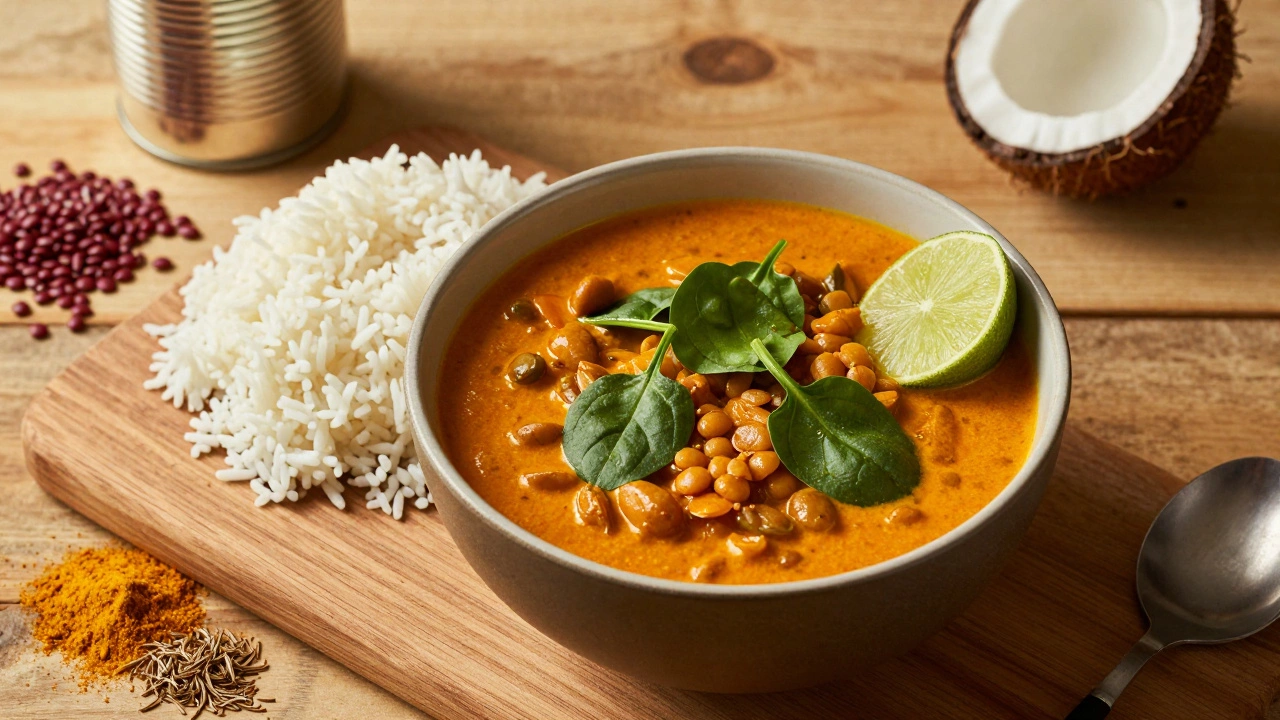
1. Creamy Coconut Lentil Curry
Red lentils are the unsung heroes of vegetarian cooking. They cook in about 15 minutes and break down into a creamy texture without any blender needed. Here is how you make it taste like restaurant food:
- Sauté chopped onions, garlic, and fresh ginger in olive oil until soft.
- Add one tablespoon each of curry powder, turmeric, and cumin. Cook for 30 seconds until fragrant.
- Pour in one cup of rinsed red lentils and two cups of vegetable broth.
- Add one can of light coconut milk. Simmer for 15 minutes until the lentils are mushy.
- Finish with a squeeze of lime juice and a handful of spinach.
Serve this over basmati rice. The combination of the starchy rice, the creamy sauce, and the earthy lentils creates a complete amino acid profile, meaning your body gets all the building blocks it needs for muscle repair.
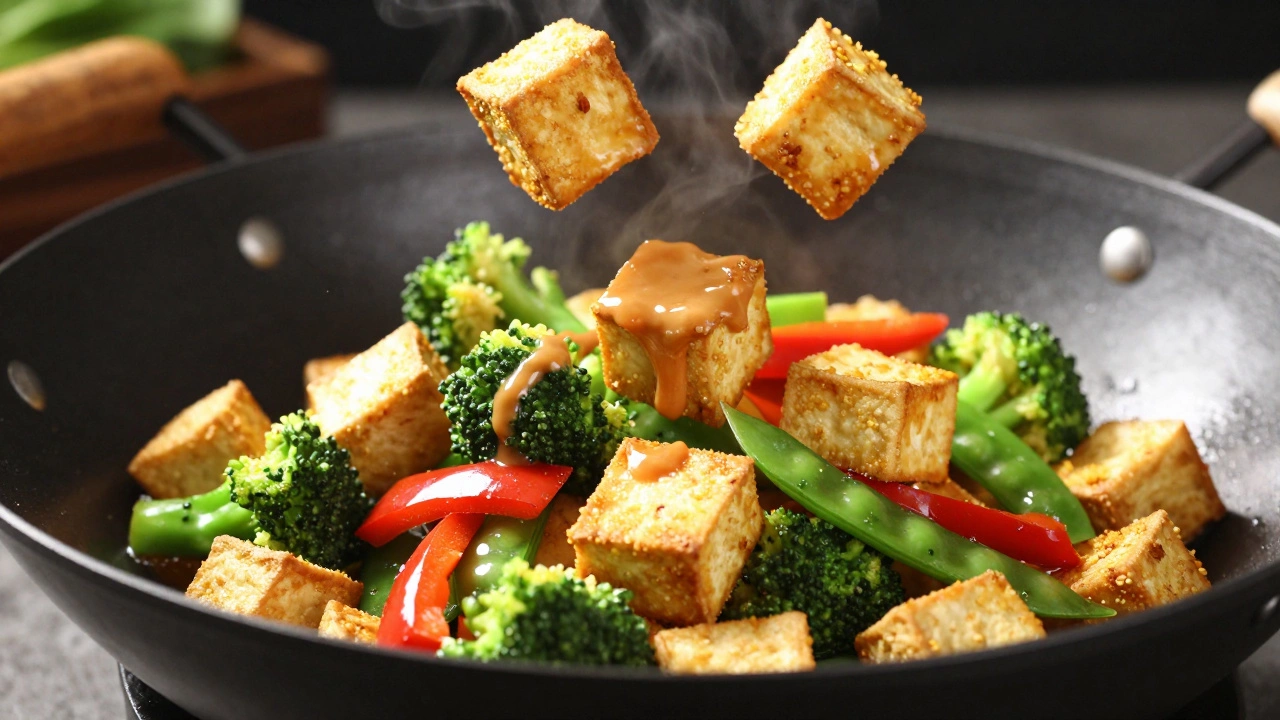
2. Crispy Tofu Stir-Fry with Peanut Sauce
Tofu has a bad reputation for being soggy and bland. That happens when people boil it or throw it straight into the pan. The secret is moisture control. You must press the water out before you cook it.
Take a block of extra-firm tofu, wrap it in a tea towel, and place a heavy pan on top for 15 minutes. Then, cube it and toss it in cornstarch. Fry it in hot oil until golden brown on all sides. Remove it from the pan.
Now stir-fry your vegetables-broccoli, bell peppers, and snap peas work best. Add a sauce made from soy sauce, maple syrup, crushed peanut butter, and a little chili flakes. Toss the crispy tofu back in at the very end. Serve over noodles or rice. The crunch of the tofu contrasts perfectly with the soft veggies, giving you that textural satisfaction that meat-eaters often miss.
3. Mediterranean Chickpea and Spinach Skillet
Some nights, you don’t want to chop anything. This recipe uses mostly canned goods and pre-washed greens. Heat olive oil in a large skillet. Add minced garlic and dried oregano. Dump in a can of drained chickpeas and a can of diced tomatoes. Let it bubble for five minutes.
Add a big bag of fresh spinach. It will look like too much, but it wilts down to almost nothing. Season with salt, pepper, and lemon zest. Top with crumbled feta cheese if you eat dairy, or sprinkle with toasted pine nuts for fat. Serve with crusty sourdough bread to soak up the tomato juices. This meal is rich in iron from the spinach and chickpeas, and the vitamin C in the tomatoes helps your body absorb that iron efficiently.
4. Black Bean and Sweet Potato Tacos
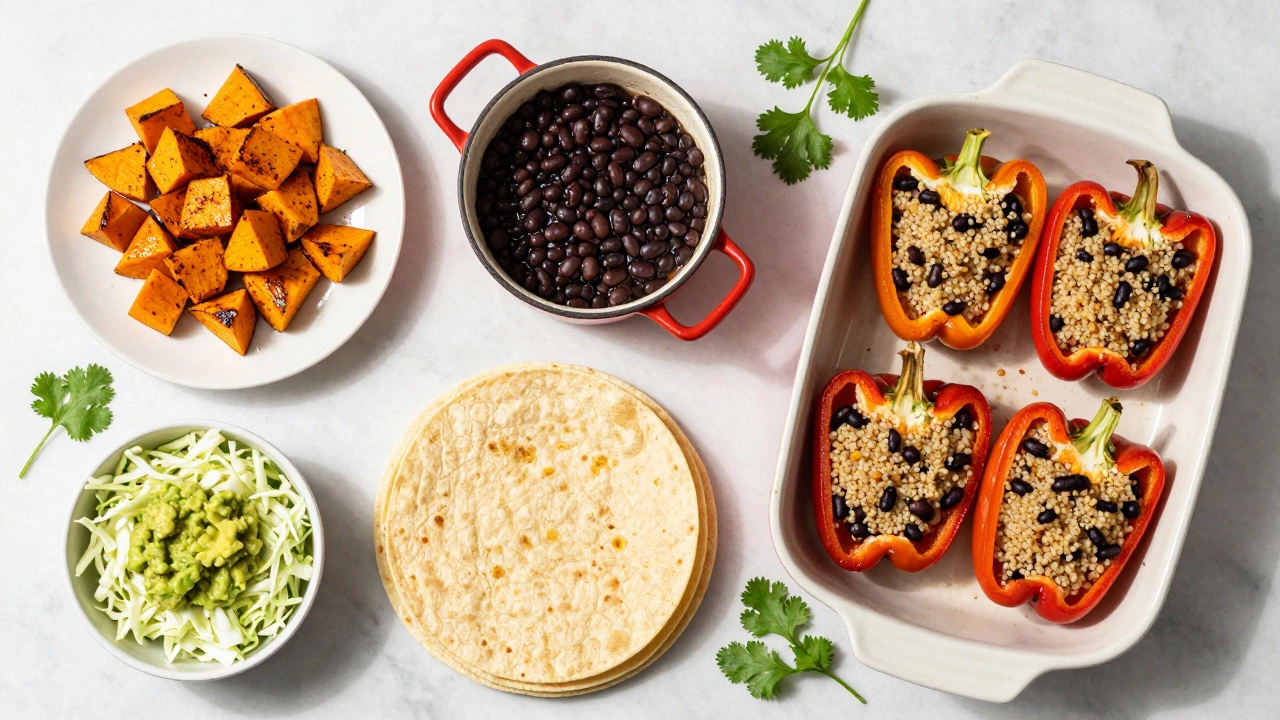
Tacos are fun, customizable, and naturally vegetarian-friendly. The key here is roasting the sweet potato instead of boiling it. Roasting caramelizes the natural sugars, making them sweeter and more flavorful.
Cube a sweet potato and toss it with smoked paprika, cumin, and olive oil. Roast at 400°F (200°C) for 25 minutes. While that cooks, heat black beans in a small pot with a little chili powder and garlic powder. Warm up corn tortillas in a dry pan.
Assemble your tacos: beans, roasted sweet potato, shredded cabbage (for crunch), and a dollop of guacamole or sour cream. The smokiness of the paprika mimics the charred flavor of grilled meat, tricking your brain into feeling satisfied. Plus, the fiber from the beans and cabbage aids digestion, preventing that post-dinner bloated feeling.
5. Mushroom and Walnut Bolognese
If you miss the heartiness of a meat sauce, this is the answer. Mushrooms have a meaty texture, and walnuts add richness and umami. Do not use white button mushrooms; they are too watery. Use cremini or shiitake mushrooms for a deeper flavor.
Sauté finely chopped mushrooms and minced walnuts in olive oil until the mushrooms release their water and start to brown. Add a jar of your favorite marinara sauce, or make your own with crushed tomatoes, basil, and onion. Simmer for 20 minutes to let the flavors meld.
Serve over spaghetti or rigatoni. Grate plenty of Parmesan cheese on top. The walnuts provide omega-3 fatty acids, which are essential for brain health and often lacking in standard diets. This sauce freezes beautifully, so you can make a double batch and save half for a busy Tuesday night.
6. Veggie-Packed Egg Fried Rice
You don’t need leftover takeout to have fried rice. In fact, homemade is healthier and cheaper. Use day-old rice. Fresh rice is too sticky and will turn into mush. If you only have fresh rice, spread it out on a baking sheet and freeze it for 20 minutes first.
Heat sesame oil in a wok or large pan. Scramble two eggs in the center, then push them aside. Add frozen mixed vegetables (peas, carrots, corn) and a splash of soy sauce. Add the cold rice and stir-fry on high heat until everything is hot and slightly crispy. Garnish with green onions and sesame seeds.
This is a fantastic way to use up random veggies in your fridge. It’s quick, cheap, and packed with protein from the eggs. If you are vegan, swap the eggs for scrambled tofu seasoned with turmeric for color.
7. Stuffed Bell Peppers with Quinoa and Black Beans
Bell peppers are nature’s bowls. Cut the tops off four large bell peppers and remove the seeds. Mix cooked quinoa, black beans, corn, diced tomatoes, and taco seasoning in a bowl. Stuff the peppers tightly with this mixture.
Place them in a baking dish with a little water at the bottom. Cover with foil and bake at 375°F (190°C) for 30 minutes. Remove the foil and bake for another 10 minutes to soften the skins. Top with shredded cheese or avocado slices before serving.
Quinoa is a complete protein, meaning it contains all nine essential amino acids. Combined with the black beans, you get a powerful protein punch that rivals chicken in terms of satiety. This meal looks impressive but requires zero chopping skills beyond trimming the peppers.
Comparison of Dinner Options
| Recipe | Prep Time | Protein Source | Best For |
|---|---|---|---|
| Lentil Curry | 20 mins | Red Lentils | Cold nights, comfort |
| Tofu Stir-Fry | 25 mins | Tofu | Texture lovers, veggie intake |
| Chickpea Skillet | 15 mins | Chickpeas | Minimal effort, dairy fans |
| Black Bean Tacos | 30 mins | Black Beans | Families, interactive eating |
| Mushroom Bolognese | 25 mins | Mushrooms/Walnuts | Pasta lovers, meal prep |
| Egg Fried Rice | 15 mins | Eggs | Using leftovers, quick fixes |
| Stuffed Peppers | 45 mins | Quinoa/Beans | Complete proteins, baking |
Common Mistakes to Avoid
Even with good recipes, you can sabotage your satisfaction. Here are three traps to watch out for.
Relying too much on refined carbs. Eating plain pasta or white bread without enough protein or fat leads to a blood sugar spike and crash. You’ll feel hungry again in two hours. Always pair carbs with a bean, nut, or egg.
Skipping the seasoning. Vegetables taste better when they are seasoned aggressively. Don’t be afraid of salt, acid (lemon juice or vinegar), and heat (chili flakes). These elements wake up your taste buds and make simple foods exciting.
Ignoring portion sizes. Just because food is plant-based doesn’t mean it’s low-calorie. Nuts, oils, and cheeses are calorie-dense. Measure your fats if you are watching your weight. But if you are underweight or active, load up on those healthy fats.
Meal Prep Tips for Busy Weeknights
You don’t have to cook every night. Spend one hour on Sunday to save yourself during the week.
- Cook grains in bulk: Make a large pot of rice, quinoa, or couscous. Store it in the fridge for up to five days.
- Roast a tray of veggies: Toss broccoli, carrots, and bell peppers with oil and salt. Roast them. They stay good for three days and can be added to stir-fries, salads, or wraps.
- Hard-boil eggs: Six eggs take 10 minutes to cook. Keep them peeled in the fridge for instant protein additions to salads or snacks.
- Make a sauce: Whisk together tahini, lemon, garlic, and water. This dressing works on salads, roasted veggies, and even as a dip for pita bread.
With these components ready, assembling dinner takes less than 10 minutes. You just reheat, mix, and eat.
Final Thoughts on Eating Well Without Meat
Eating vegetarian for dinner doesn’t mean sacrificing flavor or fullness. It means getting creative with textures and flavors. By focusing on protein-rich plants like lentils, beans, and tofu, and pairing them with healthy fats and complex carbs, you can create meals that nourish your body and delight your palate. Start with one of these seven ideas tonight. Your future self will thank you for skipping the drive-thru.
Is it hard to get enough protein on a vegetarian diet?
No, it is not difficult if you plan your meals. Combine legumes (beans, lentils) with grains (rice, wheat) or eat eggs and dairy. One cup of cooked lentils provides about 18 grams of protein. Two eggs provide 12 grams. Aim for a variety of sources throughout the day rather than trying to hit a huge number in one meal.
What should I eat if I am vegan?
Replace dairy and eggs with plant-based alternatives. Use nutritional yeast for cheesy flavor, flax eggs for binding, and cashew cream for sauces. Focus on tofu, tempeh, seitan, and edamame for high-quality protein. Ensure you get Vitamin B12 from fortified foods or supplements, as it is not naturally found in plants.
How can I make vegetarian dinners more filling?
Add healthy fats and fiber. Avocado, olive oil, nuts, and seeds add calories and slow digestion. High-fiber foods like oats, beans, and leafy greens expand in your stomach, signaling fullness to your brain. Also, ensure you are drinking enough water, as thirst is often mistaken for hunger.
Are vegetarian dinners expensive?
Generally, no. Staples like rice, beans, lentils, and seasonal vegetables are among the cheapest items in the grocery store. Processed meat substitutes can be pricey, but whole food ingredients are budget-friendly. Buying in bulk and cooking at home saves significant money compared to eating out or buying pre-made meals.
Can I meal prep vegetarian lunches and dinners?
Yes, many vegetarian dishes hold up well in the fridge. Curries, stews, grain bowls, and casseroles often taste better the next day as flavors meld. Avoid storing delicate herbs or raw lettuce with hot meals. Store sauces separately if possible to prevent sogginess.


Write a comment