Build Your Balanced Lunch Plate
Select one item from each category below to create your ideal midday meal. This tool helps ensure you hit the three key components needed to avoid the afternoon slump.
Slows digestion and keeps you full longer.
Stabilizes blood sugar and aids digestion.
Provides sustained energy and satiety.
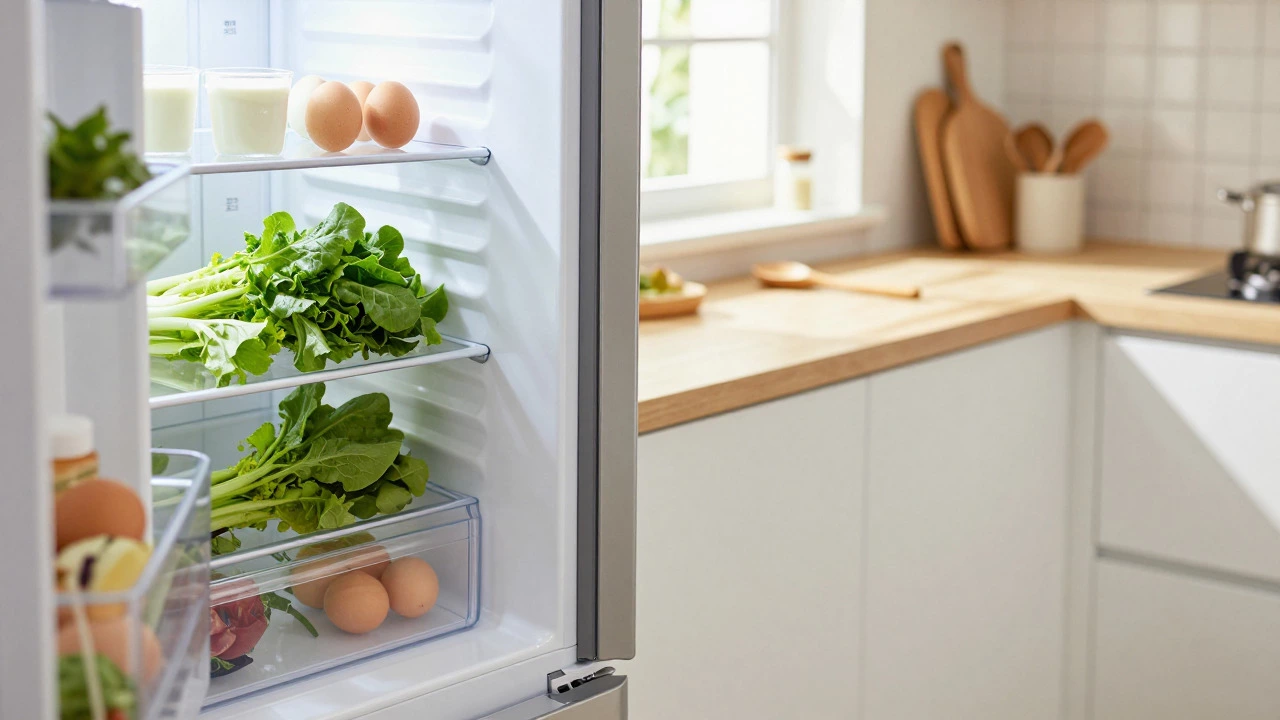
It is 12:30 PM. You are staring into an open refrigerator that looks like a black hole of forgotten condiments and wilting lettuce. The clock is ticking toward the afternoon slump, and your stomach is making noises loud enough to be heard in the next room. This is the daily dilemma for millions of adults: what on earth do you eat for lunch when you don't have time to cook a feast but refuse to pay $15 for a sad sandwich?
The answer isn't just about filling a void; it is about fueling your body for the second half of the day without inducing a food coma. Eating quick lunch ideas at home doesn't mean sacrificing nutrition or flavor. It means being strategic with your ingredients, mastering a few versatile techniques, and understanding that balance is more important than complexity.
The Science Behind the Midday Meal
Before we get to the recipes, let's talk about why your lunch matters so much. Think of your body as a high-performance engine. Breakfast gets you started, but lunch is the refueling stop that determines whether you coast smoothly to 5 PM or sputter out by 3 PM.
The goal of a good adult lunch is stable blood sugar. When you eat a meal high in refined carbohydrates-like white bread, sugary snacks, or plain pasta-your blood sugar spikes rapidly. Your pancreas releases insulin to manage this spike, which often leads to a sharp crash shortly after. That crash is what causes brain fog, irritability, and the desperate craving for caffeine or candy.
To avoid this rollercoaster, aim for a plate that includes three key components:
- Protein: Slows digestion and keeps you full longer. Sources include chicken, fish, eggs, tofu, beans, and Greek yogurt.
- Fiber: Found in vegetables, fruits, and whole grains. It aids digestion and further stabilizes blood sugar levels.
- Healthy Fats: Provides sustained energy and helps absorb vitamins. Think avocado, olive oil, nuts, and seeds.
When you combine these elements, you create a meal that digests slowly, providing a steady stream of energy rather than a quick burst followed by a drop. This is the foundation of any successful home lunch strategy.
Strategy 1: The Art of Meal Prep Without the Hassle
Many people hear "meal prep" and think of spending their entire Sunday chopping vegetables and portioning out Tupperware containers. For busy adults, that level of commitment can feel overwhelming. Instead, try "component prep."
Component prep involves cooking large batches of individual ingredients that can be mixed and matched throughout the week. Cook a big batch of quinoa or brown rice. Roast a sheet pan of chickpeas and broccoli. Hard-boil six eggs. These components don't need to be combined immediately. They just need to be ready.
On Tuesday morning, you might grab some leftover rice, toss in a handful of spinach, top with a hard-boiled egg, and drizzle with soy sauce and sesame oil. On Thursday, you might use the roasted chickpeas and broccoli with a dollop of hummus and some pita bread. By prepping components, you reduce decision fatigue and ensure you always have nutritious options within reach.
Strategy 2: Leftovers Reinvented
Dinner leftovers are the unsung heroes of lunch. However, eating the exact same dinner for lunch can get monotonous quickly. The trick is to transform leftovers into something new.
If you made a roast chicken for dinner, don't just reheat the breast meat. Shred the remaining chicken and mix it with mayo, celery, and grapes for a classic salad. Or, toss it into a warm tortilla with black beans and salsa for a quick quesadilla. If you had pasta for dinner, save a portion and add a fried egg and some arugula the next day for a completely different flavor profile.
This approach saves time because the heavy lifting was done the night before. It also reduces food waste, which is both environmentally friendly and budget-conscious.
10 Quick and Balanced Lunch Ideas
Here are ten specific lunch ideas that take less than 15 minutes to assemble if you have basic ingredients on hand. Each one balances protein, fiber, and healthy fats to keep you energized.
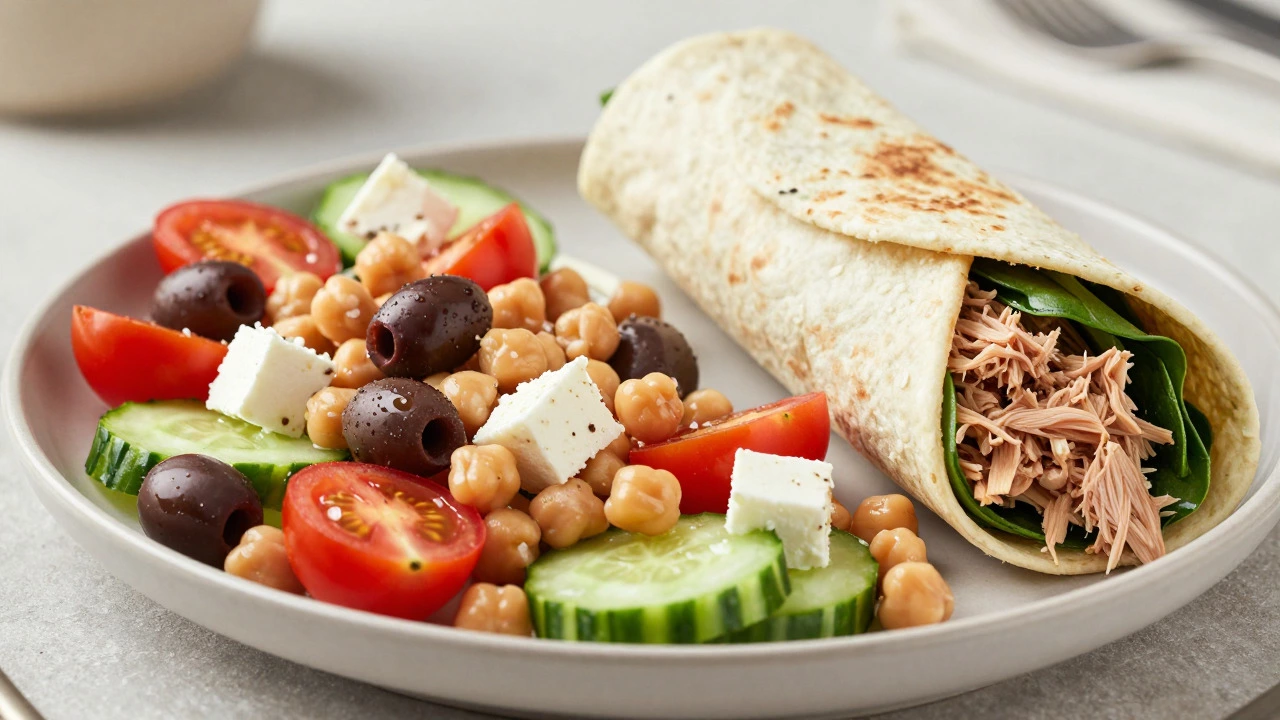
- Mediterranean Chickpea Salad: Mix canned chickpeas (rinsed) with diced cucumber, cherry tomatoes, Kalamata olives, and feta cheese. Dress with lemon juice and olive oil. Serve with whole-grain pita.
- Tuna Wrap: Combine canned tuna with Greek yogurt (instead of mayo for extra protein), diced celery, and mustard. Wrap in a large flour tortilla with spinach leaves.
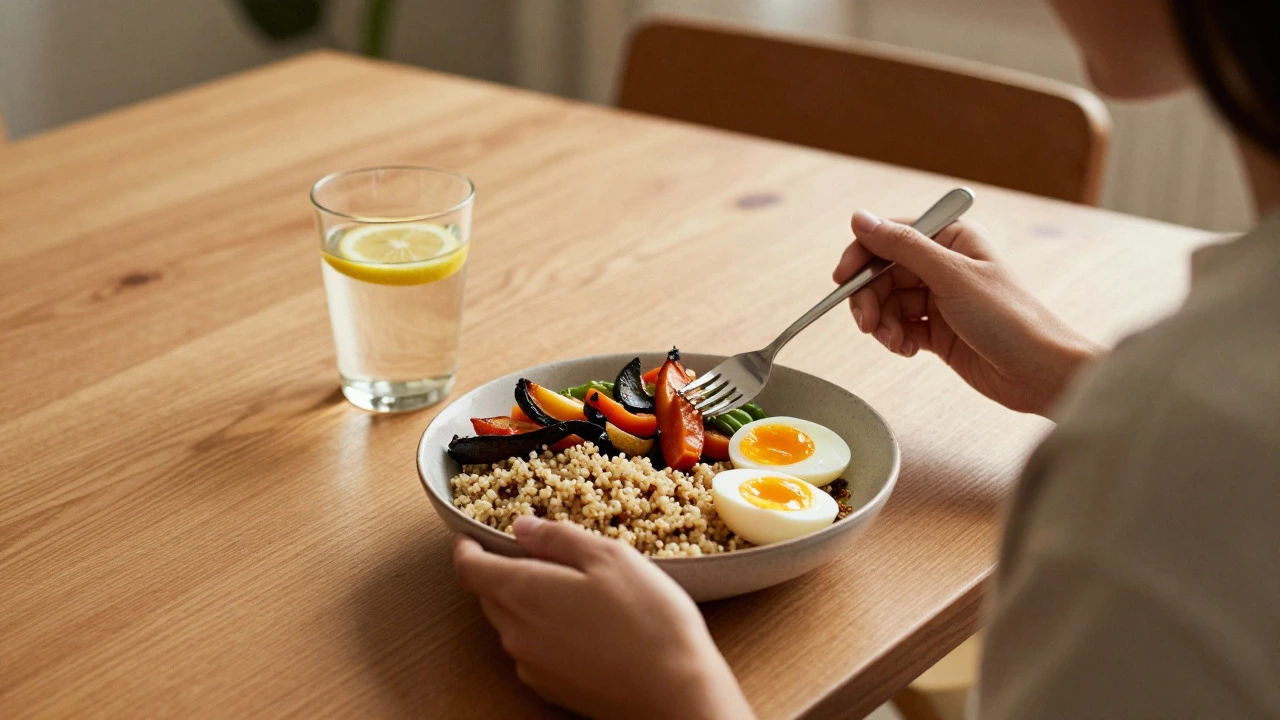
- Leftover Grain Bowl: Use leftover rice or quinoa as a base. Top with edamame, shredded carrots, and a soft-boiled egg. Drizzle with a little teriyaki sauce.
- Cottage Cheese Power Bowl: Scoop cottage cheese into a bowl. Top with sliced peaches or berries, a sprinkle of chia seeds, and a handful of almonds. This is surprisingly savory-sweet and very high in protein.
- Caprese Sandwich: Layer fresh mozzarella slices, tomato slices, and basil leaves on ciabatta bread. Drizzle with balsamic glaze and olive oil. Grill lightly for a warm twist.
- Veggie and Hummus Plate: Slice bell peppers, carrots, and cucumbers. Serve with a generous amount of hummus and a side of whole-grain crackers or pita triangles. Add a boiled egg for extra protein.
- Black Bean Quesadilla: Spread black bean paste (mashed canned beans with cumin) on a tortilla. Add shredded cheese and corn. Fold and pan-fry until crispy. Serve with salsa and a side of lettuce.
- Smoked Salmon Bagel: Spread cream cheese on half a whole-wheat bagel. Top with smoked salmon, red onion slices, and capers. Squeeze a wedge of lemon over the top.
- Chicken and Avocado Lettuce Wraps: Use large butter lettuce leaves as wraps. Fill with shredded rotisserie chicken, mashed avocado, and a dash of hot sauce.
- Overnight Oats (Savory Version): While usually sweet, savory oats work well for lunch. Mix rolled oats with water or broth, add a diced egg, sautéed mushrooms, and a sprinkle of cheese. Refrigerate overnight and eat cold or microwave briefly.
| Strategy | Time Required Daily | Cost Level | Best For |
|---|---|---|---|
| Component Meal Prep | 5-10 minutes | Low-Medium | Those who want variety without cooking daily |
| Leftover Transformation | 5 minutes | Low | People who cook larger dinners |
| Assembly-Only Meals | 10-15 minutes | Medium-High | Freshness lovers with no prep time |
Hydration: The Forgotten Lunch Component
We often forget that thirst masks itself as hunger. Before you reach for a snack or start assembling a large lunch, drink a full glass of water. Dehydration can cause fatigue and headaches, symptoms that are easily mistaken for low blood sugar or hunger.
Aim to drink at least 8 ounces of water with your lunch. If you enjoy flavor, infuse your water with lemon, cucumber, or mint. Avoid sugary sodas or juices, which can contribute to the blood sugar spike we are trying to avoid. Herbal teas are also a great option if you prefer a warm beverage.
Common Pitfalls to Avoid
Even with the best intentions, many adults fall into common lunch traps. Recognizing these can help you stay on track.
- The Skipped Lunch: Skipping lunch to "save calories" often backfires. It leads to overeating at dinner and poor food choices due to extreme hunger. Consistency is key.
- The Carbohydrate Heavy Plate: A meal consisting mostly of bread, pasta, or rice lacks the protein and fat needed for sustained energy. Always add a vegetable and a protein source.
- The Desk Lunch:: Eating while working distracts from both tasks. Try to step away from your screen for at least 15 minutes. Mindful eating improves digestion and satisfaction.
- Ignoring Portion Sizes:: Even healthy foods can lead to weight gain if portions are too large. Use smaller plates or bowls to visually control portions.
Building a Sustainable Lunch Routine
Creating a sustainable lunch routine is not about perfection; it is about consistency. Start small. Pick two days a week to prepare component meals. Choose three simple recipes from the list above and rotate them. Gradually expand your repertoire as you become more comfortable.
Keep your kitchen stocked with staple ingredients: canned beans, frozen vegetables, whole-grain bread, eggs, and Greek yogurt. These items have long shelf lives and can be used in numerous ways. Having these on hand removes the barrier of needing to shop for every single meal.
Remember, the best lunch is one that you will actually eat. If you hate kale, don't force it. Find vegetables and proteins you enjoy. Nutrition should enhance your life, not complicate it. By focusing on balance, preparation, and hydration, you can turn your midday meal from a chore into a source of energy and enjoyment.
How can I make lunch at home faster?
Focus on assembly rather than cooking. Use pre-cooked proteins like rotisserie chicken, canned beans, or hard-boiled eggs. Keep washed and chopped vegetables ready in the fridge. Utilize slow cookers or Instant Pots for dinner meals that yield plenty of leftovers for lunch.
What is a balanced lunch for an adult?
A balanced lunch includes lean protein (chicken, fish, tofu, beans), complex carbohydrates (whole grains, vegetables), and healthy fats (avocado, nuts, olive oil). Aim for a plate that is half vegetables, one-quarter protein, and one-quarter whole grains or starchy vegetables.
Are cold lunches better than hot lunches?
Both have merits. Cold lunches like salads and wraps are quicker and require no reheating, making them ideal for office settings without microwaves. Hot lunches can be more comforting and may aid digestion for some people. The best choice depends on your preference and available facilities.
How do I prevent afternoon sleepiness after lunch?
Avoid heavy, carb-dense meals that cause blood sugar spikes and crashes. Include protein and fiber to slow digestion. Stay hydrated, and consider a short walk after eating to boost circulation and alertness.
What are some vegetarian lunch ideas?
Try lentil soup with whole-grain bread, a quinoa salad with roasted vegetables and feta, or a black bean burger on a whole-wheat bun with a side of sweet potato fries. Ensure you include a complete protein source like quinoa, soy, or a combination of beans and grains.
Can I meal prep lunches for the whole week?
Yes, but focus on ingredients that hold up well. Grains, roasted vegetables, and cooked meats store well for 3-4 days. Salads with delicate greens may wilt; consider keeping dressing separate or using heartier greens like kale or cabbage.
Is it okay to eat the same lunch every day?
While convenient, eating the same meal daily can limit nutrient variety. Try to rotate between 3-4 different balanced meals to ensure you get a wide range of vitamins and minerals. Variety also prevents palate fatigue.
What should I avoid in my lunch?
Limit processed meats, excessive added sugars, and refined carbohydrates. Watch out for hidden calories in dressings and sauces. Opt for whole, minimally processed foods whenever possible.
How much protein should I have for lunch?
Aim for 20-30 grams of protein per meal for most adults. This amount supports muscle maintenance and promotes satiety. Good sources include a 3-4 ounce serving of chicken, fish, or tofu, or a cup of Greek yogurt.
What are some budget-friendly lunch options?
Beans, lentils, eggs, and seasonal vegetables are inexpensive and nutritious. Buy whole grains in bulk. Plan meals around sales and use leftovers creatively. Homemade sandwiches and soups are typically cheaper than buying out.






Write a comment