Chicken Cooking Method Planner
Ever stood in front of a raw chicken and felt completely stuck? It’s the most versatile protein you can buy, yet it’s also the easiest to ruin. You want it juicy inside but crispy outside, or tender enough to fall off the bone without tasting like cardboard. The truth is, there isn’t just one right way to cook chicken is a poultry meat that changes texture and flavor dramatically depending on heat source, moisture level, and cooking duration. Whether you are dealing with boneless breasts or a whole bird, the method you choose dictates the final result.
In this guide, we break down the main techniques used by home cooks and chefs alike. We will look at how dry heat creates crispness, how wet heat keeps things moist, and where quick methods fit into your weekly routine. By the end, you will know exactly which technique to reach for based on the cut of meat and the time you have available.
Quick Summary / Key Takeaways
- Dry heat methods like roasting and grilling create crispy skin and concentrated flavors but require careful temperature control to avoid drying out.
- Wet heat methods such as braising and poaching keep lean cuts tender by using liquid and lower temperatures.
- Quick-cooking methods like pan-searing and stir-frying work best with thin, uniform pieces and high heat.
- Internal temperature matters more than time; use a meat thermometer to ensure safety and doneness.
- Marinating or brining before cooking significantly improves moisture retention, especially for breast meat.
Roasting: The Gold Standard for Whole Birds
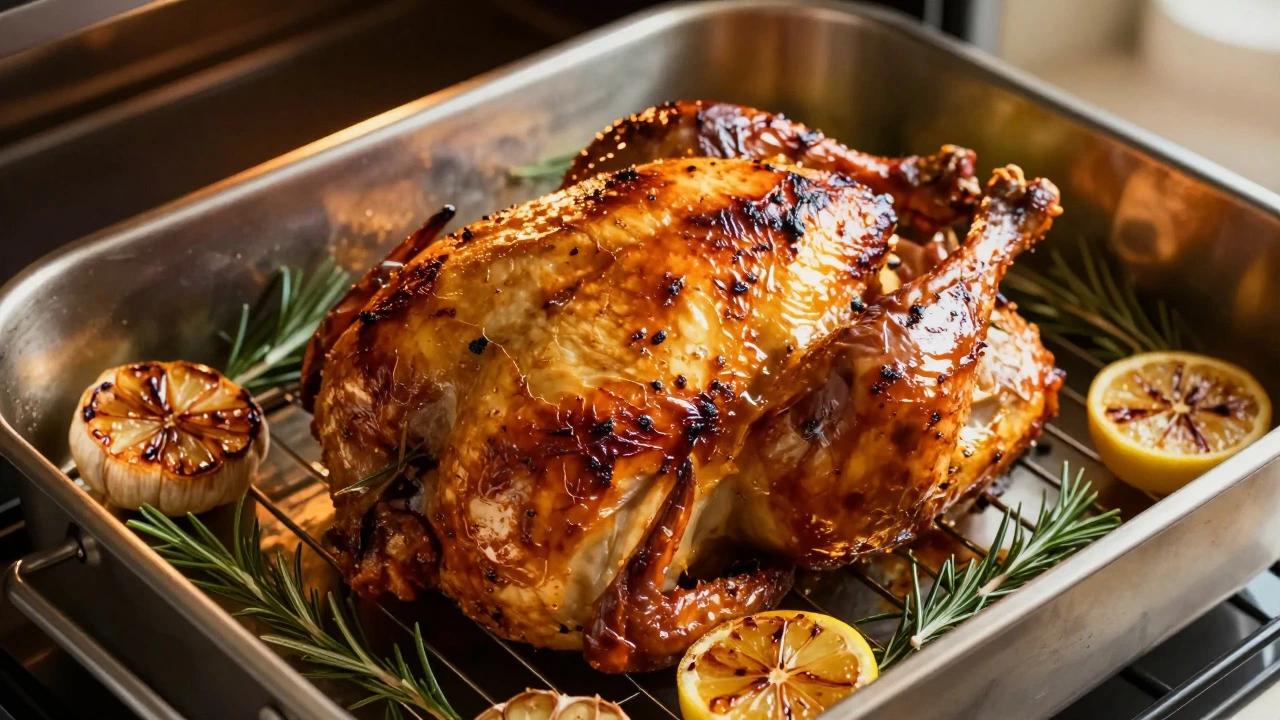
If you only master one technique, make it roasting. This method uses hot, dry air from an oven to circulate around the meat. It is perfect for whole chickens, large thighs, or drumsticks. The goal here is to render the fat under the skin so it becomes golden and crackly while keeping the meat inside juicy.
To get the best results, preheat your oven to 200°C (400°F). Place the chicken on a rack in a roasting pan so air can flow underneath. Season generously with salt and pepper. A common mistake is overcrowding the pan, which steams the bottom instead of crisping it. For a whole bird, expect about 20 minutes per kilogram. Check the internal temperature in the thickest part of the thigh; it should read 75°C (165°F) when fully cooked.
Pro tip: If you want extra crispy skin, pat the chicken completely dry with paper towels before seasoning. Moisture is the enemy of crispness. You can also rub butter under the skin for added richness, though this is optional.
Pan Searing: Fast, Flavorful, and Versatile
Pan searing is your go-to for weeknight dinners. It works exceptionally well with boneless, skin-on thighs or pounded flat breasts. The high heat of a skillet browns the surface quickly, creating a flavorful crust through the Maillard reaction. This chemical process gives meat its savory depth.
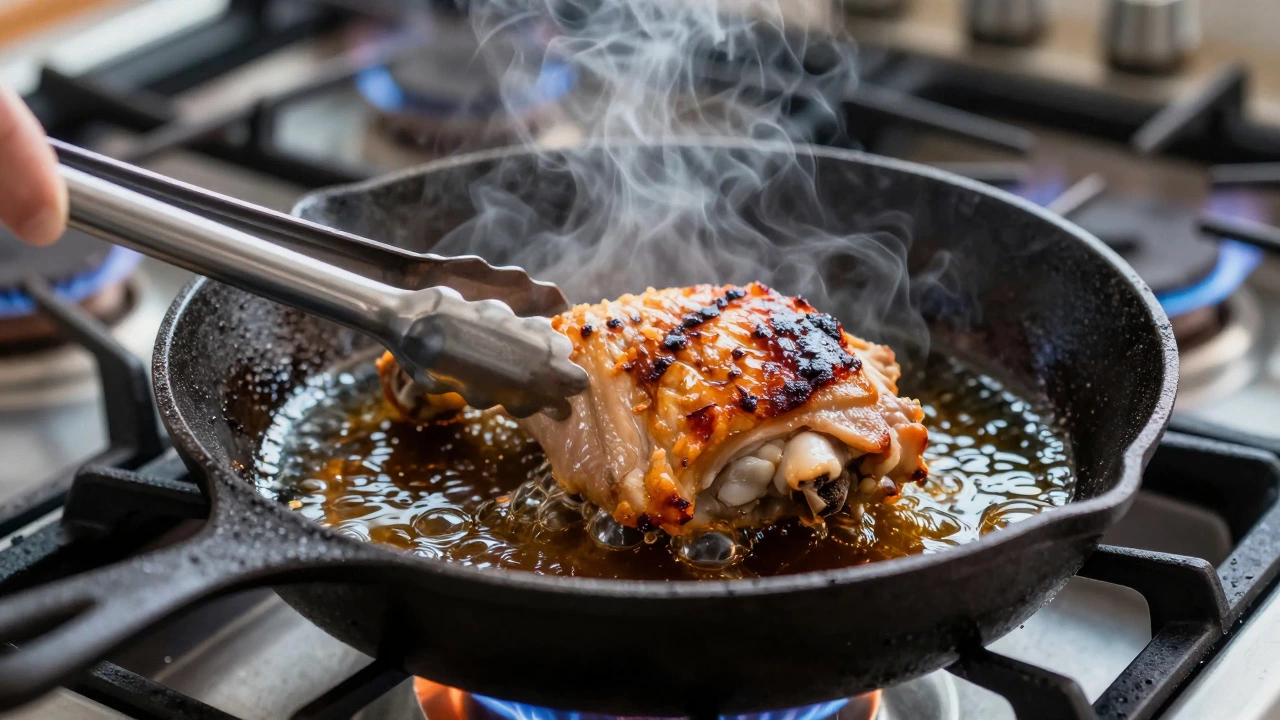
Start by heating a heavy-bottomed pan over medium-high heat until it starts to smoke slightly. Add a neutral oil with a high smoke point, like vegetable or avocado oil. Place the chicken in the pan and do not touch it for four to five minutes. Flip once, then reduce the heat to medium-low. Cover the pan and cook for another three to five minutes. This covers the chicken gently, allowing the center to cook through without burning the outside.
This method is fast because you are using direct contact heat. However, it requires attention. If the pan is too hot, the outside burns before the inside is safe to eat. If it is too cool, the chicken steams rather than sears. A cast-iron skillet is ideal here because it retains heat evenly.
Braising: Tenderizing Tough Cuts
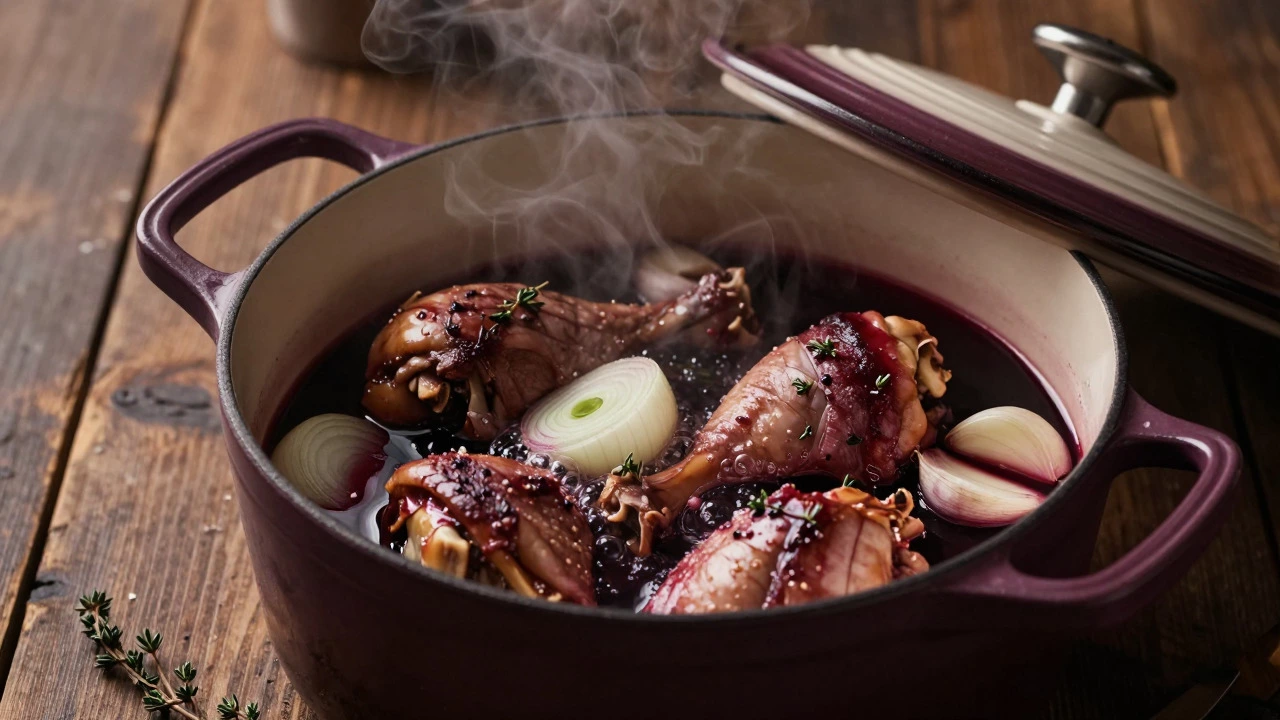
Braising is a two-step process that combines dry and wet heat. First, you sear the chicken pieces to brown them. Then, you simmer them in liquid at a low temperature. This is the best method for dark meat cuts like legs, wings, or even a whole chicken if you want it incredibly tender.
The liquid usually consists of broth, wine, or stock mixed with aromatics like onions, garlic, and herbs. The low temperature breaks down collagen in the connective tissue, turning it into gelatin. This makes the meat fall-off-the-bone tender. Think of dishes like Coq au Vin or Chicken Piccata. These rely on braising to infuse deep flavors while keeping the meat moist.
For braising, use a Dutch oven or a heavy pot with a tight-fitting lid. Bring the liquid to a boil, then reduce it to a gentle simmer. Cook for 30 to 45 minutes for pieces, or longer for a whole bird. The sauce reduces as it cooks, becoming rich and concentrated. You can finish the dish by straining the sauce and reducing it further on the stovetop.
Grilling and Smoking: Outdoor Heat Mastery
Grilling exposes chicken to intense radiant heat. It is excellent for summer meals because it adds a smoky char that you cannot replicate indoors. Direct grilling works well for thinner cuts like wings or sliced breasts. Indirect grilling is better for larger pieces like thighs or a whole bird, as it prevents burning while allowing slow cooking.
When grilling, always preheat the grill. Clean the grates to prevent sticking. Oil the chicken lightly to help release. For smoking, you add wood chips or chunks to the fire. Wood types matter here. Fruitwoods like apple or cherry provide a mild, sweet smoke, while hickory or mesquite offer stronger, bolder notes. Low and slow smoking can take several hours, but the result is deeply flavored meat with a distinct bark.
Be mindful of flare-ups. Fat dripping onto the coals can cause flames to spike, charring the outside instantly. Keep a spray bottle of water nearby to knock down flames, or move the chicken to a cooler zone of the grill.
Poaching and Steaming: Gentle and Healthy
Sometimes you need chicken that is soft, delicate, and free of heavy fats. Poaching and steaming achieve this. Poaching involves submerging the chicken in liquid held just below a boil (around 80°C or 175°F). This gentle heat cooks the meat evenly without toughening the proteins.
Steaming uses the vapor from boiling water to cook the food. It is often used in Asian cuisine, particularly for spring rolls or dumplings filled with chicken. Both methods preserve nutrients well because there is no frying oil involved. They are also great for making stock, as the bones and scraps left behind after poaching can be boiled down for soup base.
To poach, place chicken in a pot, cover with cold water or broth, and add aromatics like bay leaves and peppercorns. Bring to a simmer, then turn the heat down to maintain a bare bubble. Cook for 15 to 20 minutes for breasts, or longer for darker cuts. The meat should be opaque throughout and register 75°C internally.
Comparison of Cooking Methods
| Method | Best For | Cook Time | Texture Result | Flavor Profile |
|---|---|---|---|---|
| Roasting | Whole birds, thighs | 45-90 mins | Crispy skin, juicy meat | Concentrated, savory |
| Pan Searing | Breasts, small thighs | 10-15 mins | Crispy exterior, tender interior | Browned, umami-rich |
| Braising | Legs, wings, whole bird | 1-2 hours | Fall-apart tender | Deep, infused, saucy |
| Grilling | Wings, slices | 15-30 mins | Charred, smoky | Smoky, bold |
| Poaching | Breasts, stocks | 15-25 mins | Soft, delicate | Mild, clean |
Essential Tools and Safety Tips
You do not need expensive equipment to cook chicken well, but a few tools make the process smoother. A digital instant-read thermometer is non-negotiable. Relying on color alone is risky because some juices can still be pink even when the meat is safe, or vice versa. Aim for 75°C (165°F) in the thickest part of the meat, avoiding the bone.
Tongs are useful for flipping meat without piercing it repeatedly, which releases juices. A sharp knife helps with portioning and checking thickness. For marinades, use zip-top bags or glass containers to save space and make cleanup easier. Always marinate in the refrigerator, never on the counter, to prevent bacterial growth.
Food safety is critical. Cross-contamination is the biggest risk in home kitchens. Use separate cutting boards for raw chicken and ready-to-eat foods. Wash your hands thoroughly after handling raw meat. Let cooked chicken rest for five to ten minutes before slicing. This allows the juices to redistribute, ensuring every bite is moist.
Frequently Asked Questions
What is the safest internal temperature for cooked chicken?
The USDA recommends cooking all poultry to an internal temperature of 75°C (165°F). Use a digital thermometer inserted into the thickest part of the meat, away from bone, to verify this temperature.
Should I marinate chicken before cooking?
Marinating can add flavor and tenderness, but it is not strictly necessary for safety. Acidic marinades (like lemon juice or vinegar) should not sit for more than 24 hours as they can make the texture mushy. Salt-based brines are highly effective for keeping breast meat juicy.
Why does my chicken turn out dry?
Dry chicken is usually caused by overcooking or using high heat for too long. Breast meat has very little fat, so it dries out quickly. To prevent this, pull the meat off the heat when it reaches 70°C (158°F), as the temperature will continue to rise during resting. Brining beforehand also helps retain moisture.
Can I cook frozen chicken directly?
Yes, but it takes about 50% longer to cook. Avoid grilling or pan-searing frozen chicken as the outside may burn before the inside thaws. Braising, roasting, or slow-cooking are safer bets for frozen pieces. Always ensure the internal temperature reaches 75°C (165°F).
What is the difference between white meat and dark meat?
White meat (breast and wing) has less myoglobin and fat, making it leaner and quicker to dry out. Dark meat (thighs and legs) has more muscle fibers and fat, which makes it more forgiving and flavorful when cooked slowly. Dark meat tolerates higher temperatures and longer cooking times better than white meat.



Write a comment