You feel the bloat every time you grab a slice of toast. The brain fog follows shortly after. For years, you've heard conflicting advice from well-meaning friends online. Some say cut out gluten forever. Others claim your gut just needs time to rest. Here is the hard truth most articles skip: Whether you can reverse gluten intolerance depends entirely on what type of reaction you actually have.
If you have Celiac Disease, the answer is no. This is a permanent autoimmune condition triggered by gluten. Your immune system attacks your small intestine when you eat wheat, barley, or rye. There is no pill, detox, or supplement that fixes the genetic component. You must stay strictly gluten-free.
However, if you suspect you have Non-Celiac Gluten Sensitivity (NCGS), the picture changes. Many people experience NCGS due to temporary issues like gut dysbiosis or increased intestinal permeability. In these cases, restoring gut function might reduce or even eliminate sensitivity over time.
The Difference Between Sensitivity and Disease
Before attempting any healing protocol, you must rule out Celiac Disease. If you start a gluten-free diet before getting blood work done, you could reset your antibodies and get a false negative test result. This is the number one mistake people make when trying to understand their reaction.
Celiac affects about 1% of the population globally. NCGS is harder to pin down, but estimates suggest up to 6% of people may fall into this category. Unlike Celiac, NCGS does not cause antibody-mediated damage to the villi in the small intestine, though symptoms overlap significantly-fatigue, bloating, joint pain, and digestive distress.
Why does the confusion exist? Often, people react to something else hidden in wheat. Modern commercial yeast strains or the FODMAPs found in grains might be the actual culprit. Fructans, a type of carbohydrate found in wheat, ferment rapidly in the gut and cause gas. Removing gluten removes fructans accidentally, making people think they healed a gluten issue when they actually fixed a carb sensitivity.
Fixing the Leaky Gut Mechanism
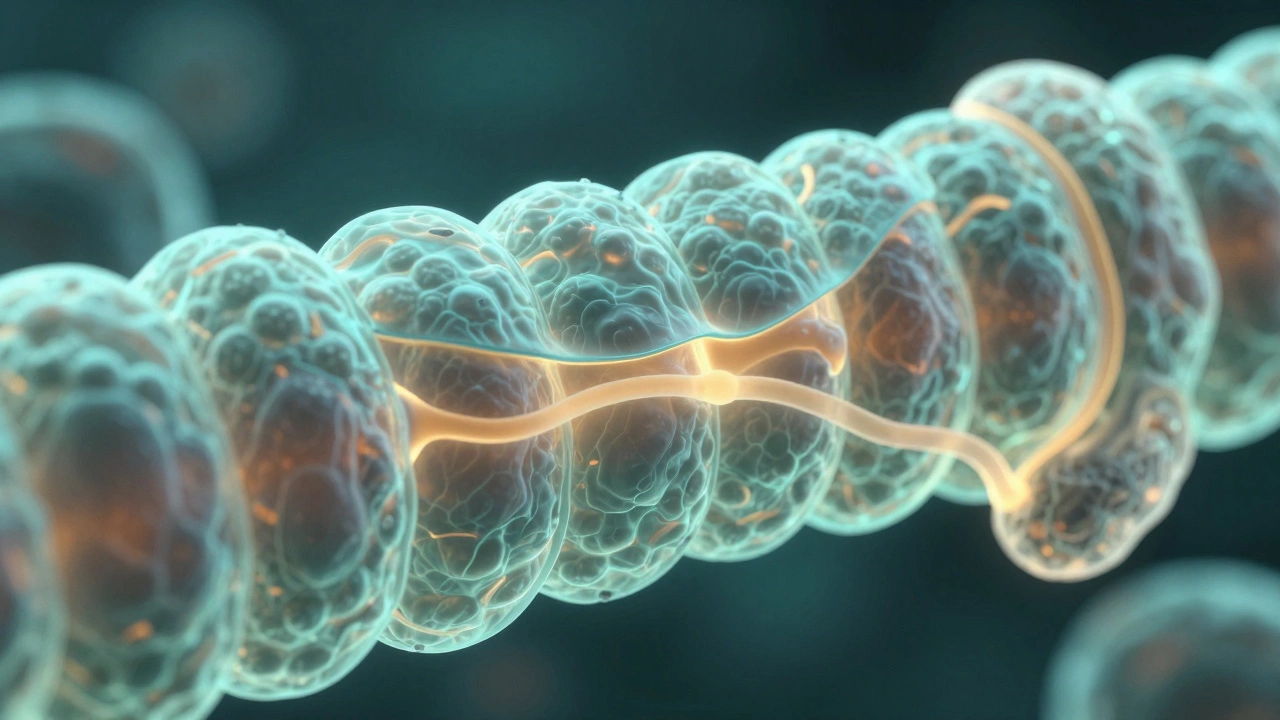
When we talk about reversing sensitivity, we usually mean fixing leaky gut syndrome (increased intestinal permeability). In a healthy gut, tight junctions keep bacteria and undigested food particles from leaking into the bloodstream. When these connections loosen, large protein fragments from gluten pass through, triggering an immune response.
Your goal isn't just avoiding the trigger; it is repairing the lining. Several factors contribute to leaky gut: chronic stress, alcohol consumption, NSAID use (like ibuprofen), and infections such as SIBO (Small Intestinal Bacterial Overgrowth).
To support repair, focus on nutrients that line the gut wall:
- L-Glutamine: An amino acid that fuels enterocytes, the cells lining your small intestine.
- Zinc Carnosine: Studies show it helps reduce gastric inflammation and supports mucosal integrity.
- Vitamin D: Essential for maintaining tight junction proteins.
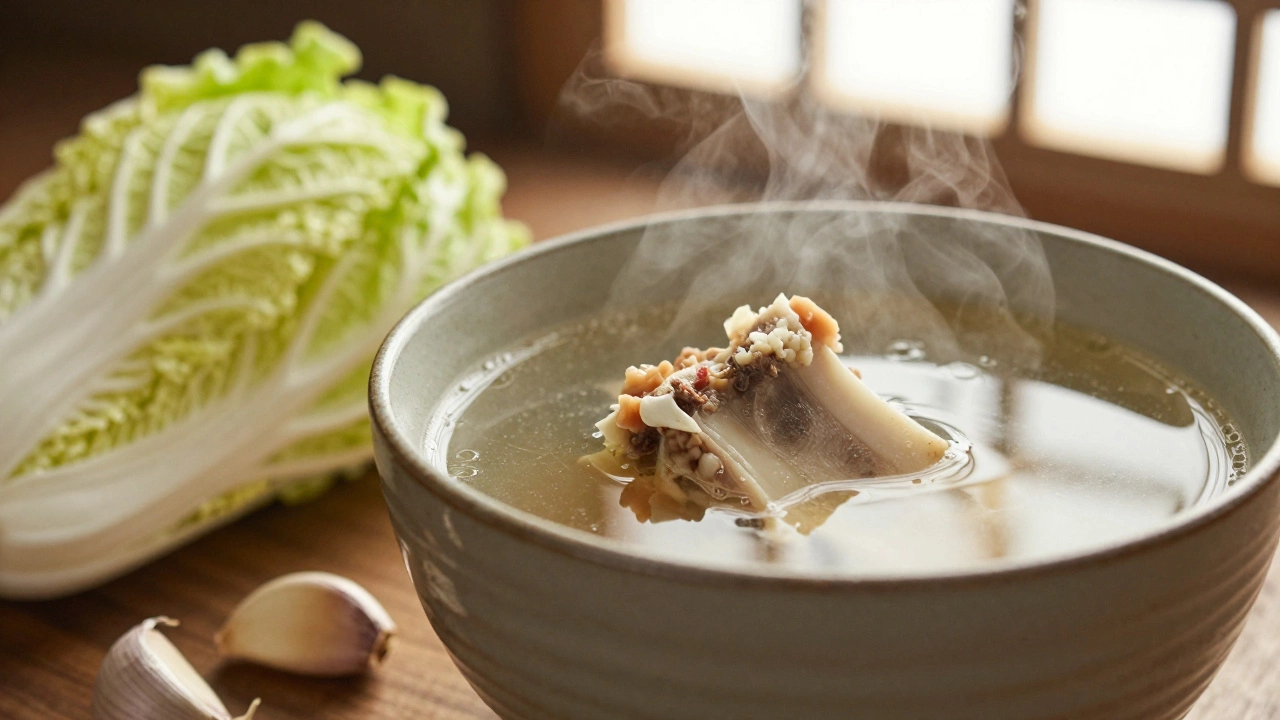
- Collagen: Found in bone broth, providing glycine and proline for tissue repair.
Don't just buy the supplements randomly. Work with a practitioner who checks levels. High doses without need can sometimes worsen dysbiosis.
The Role of the Microbiome
Your microbiome acts as a first layer of defense against dietary antigens. If your bacteria are diverse and healthy, they break down food efficiently before it irritates the gut lining. Research indicates that individuals with NCGS often have less bacterial diversity compared to those who tolerate wheat.
Restoring this diversity takes time. Simply eating yogurt isn't enough. You need prebiotic fibers that feed beneficial bacteria. Vegetables, specifically onions, garlic, leeks, and asparagus, contain inulin. These help grow good bugs.
However, if you currently have severe bloating, high-fiber foods might hurt at first. This is where fermented foods come in. Kefir, sauerkraut, and kimchi introduce active cultures. They lower the pH of the colon, making it harder for bad bacteria like Candida to thrive.
| Food Group | Action | Healing Benefit |
|---|---|---|
| Fermented Veggies | Add live bacteria | Balances vaginal and gut flora |
| Bone Broth | Provide amino acids | Supports collagen production |
| Ghee | Butterfat source | Easily absorbed fats for energy |
| Sourdough | Fermented grain | Reduces FODMAPs in wheat |
Note the inclusion of sourdough. True, long-fermented sourdough breaks down gluten peptides differently than standard white bread. The fermentation process reduces the allergenic potential of the grain. While still risky for Celiac patients, some people with mild NCGS can tolerate traditional sourdough much better than quick-bake breads.
A Step-by-Step Protocol for Retesting
Once you have been symptom-free for a few months, do not jump back into a big bagel. Reintroduction must be structured. Many people fail here because they introduce too many variables at once.
- Stabilize Phase: Spend 8 to 12 weeks on a low-inflammatory diet. Focus on whole foods, healthy fats, and easily digestible proteins. Aim to keep daily cortisol low.
- One Variable Test: Introduce a small amount of gluten (less than one serving size) in isolation. Do not mix it with dairy or heavy spices.
- Wait Period: Wait 48 hours. Most immediate reactions happen here, but delayed ones can take three days.
- Monitor Metrics: Track stool quality, energy levels, skin clarity, and brain function. Keep a log.
- Decision Point: If symptoms return, go back to step one. If not, try slightly larger portions next week. Eventually, determine your personal threshold.
This isn't about forcing tolerance. It is about gauging your gut's current state. Sometimes your body heals seasonally or with age.
What About Oats?
Oats are naturally gluten-free but often contaminated during processing. Even pure oats contain a protein called avenin. While most with Celiac can handle oats, those with NCGS might not. If you are testing, stick to certified gluten-free oats first.
In my kitchen here in Brighton, I've tested several brands. Scottish oat groats tend to be less processed than rolled flakes found in supermarkets. Less processing means fewer additives that could irritate a sensitive stomach.

Lifestyle Triggers You Might Miss
Diet is only half the battle. Cortisol spikes open up tight junctions in the gut. High-pressure periods at work or emotional stress can make you temporarily reactive to foods you handled fine last month. Sleep deprivation has a similar effect. Prioritizing 7 to 8 hours of sleep improves the barrier function of your intestines more effectively than expensive powders.
Also consider dental hygiene. Gum disease increases systemic inflammation. A chronic infection in the mouth keeps your immune system on red alert, potentially lowering your threshold for food tolerances.
Common Pitfalls to Avoid
The internet is full of "detox teas" claiming to remove gluten toxins. None work. Your kidneys and liver handle toxin removal. Focus on supporting them with water and fiber, not magic blends.
Another trap is the "hidden gluten." Soy sauce, malt vinegar, and certain thickening agents in sauces contain wheat. When reintroducing food, ensure you aren't actually eating gluten in other forms. Read labels religiously.
Finally, don't trust anecdotal evidence alone. Just because one influencer cured their NCGS doesn't mean it applies to you. Biology varies wildly. What works for a neighbor in London might fail for someone in New York.
Does eliminating gluten cure Celiac disease?
No. Celiac disease is a genetic autoimmune disorder. Removing gluten allows the intestine to heal and stops further damage, but it is not a cure. You must avoid gluten permanently to prevent complications.
How long does it take to heal the gut after going gluten-free?
It varies. Villi regeneration can take 6 to 24 months depending on severity. Symptom relief usually happens faster, often within days to weeks, but underlying tissue repair takes longer.
Can stress make gluten intolerance worse?
Yes. Stress impacts gut motility and increases intestinal permeability. High cortisol levels can lower your tolerance threshold, making previously safe foods seem irritating.
Is cross-contamination dangerous for NCGS?
It can be. While Celiac requires zero exposure, NCGS thresholds vary. Some people react to trace amounts, while others need significant ingestion to feel symptoms. It is best to minimize cross-contact initially.
Should I use a home test kit instead of seeing a doctor?
Home kits lack clinical accuracy. Blood tests (tTG-IgA) and biopsies conducted by professionals provide definitive results needed to distinguish between allergy, celiac, and sensitivity.






Write a comment