Sweet Potato Safety Checker
Select the scenario that best describes your sweet potato dish to check its gluten-free status.
Please select an option on the left to see the safety analysis.
If you've just been diagnosed with celiac disease or decided to cut out gluten for health reasons, looking at a grocery store produce aisle can feel like a minefield. You start questioning everything. "Is this safe?" "Does this have hidden wheat?" When it comes to sweet potato gluten-free status, the answer is a resounding yes. In its natural state, a sweet potato contains zero gluten. It is a root vegetable, and gluten is a protein found specifically in grains like wheat, barley, and rye. You can breathe easy-the potato itself will never be the source of a gluten reaction.
Quick Facts for Gluten-Free Eaters
- Natural Status: 100% gluten-free.
- Safe for: Celiacs, gluten-sensitive individuals, and those on a paleo diet.
- Risk Level: Low (unless processed with additives).
- Best Use: Direct replacement for wheat-based starches.
What Exactly is Gluten and Why It's Not in Potatoes
To understand why Sweet Potato is a starchy, sweet-tasting root vegetable belonging to the Convolvulaceae family is safe, we have to look at what Gluten is a group of proteins found in certain cereal grains that give dough its elasticity. Gluten acts like a glue that holds bread together. Since sweet potatoes aren't grains, they don't have the genetic makeup to produce these proteins.
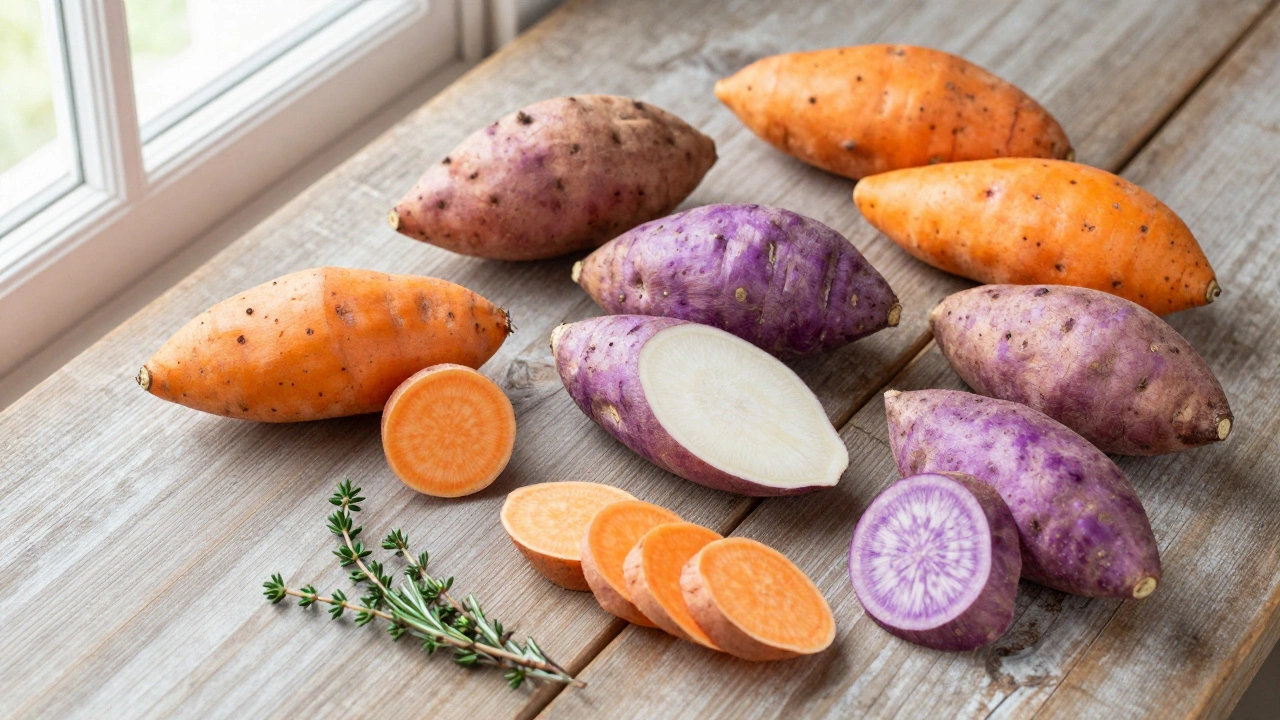
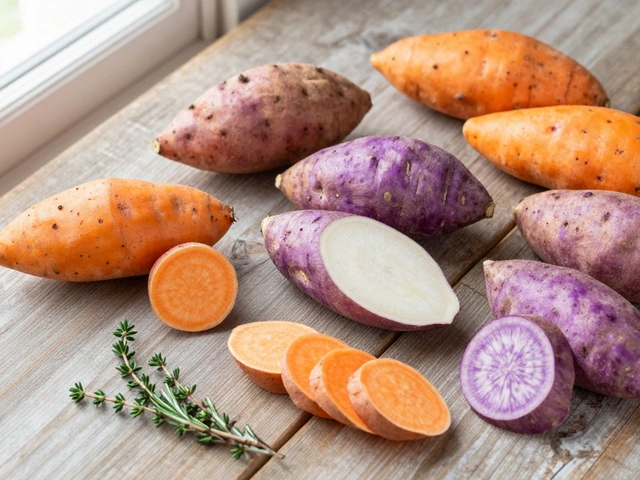
Whether you're eating a traditional orange-fleshed variety or the purple-skinned ones, the biology remains the same. You're getting complex carbohydrates and fiber without any of the proteins that trigger an autoimmune response in people with Celiac Disease is a serious autoimmune disorder where the ingestion of gluten leads to damage in the small intestine. It's one of the safest "safe bets" in the produce section.
The Hidden Dangers: When Sweet Potatoes Aren't Gluten-Free
While the vegetable is safe, the way it's prepared or sold can change everything. This is where most people get tripped up. If you're buying raw sweet potatoes from a farm, you're golden. But once they enter a factory or a restaurant kitchen, the risks climb.
Think about frozen sweet potato fries. Some brands use a dusting of flour to help the oil stick or to create a crispier crust. That flour could be wheat. Then there are pre-made mashed sweet potatoes in tubs; these sometimes contain thickeners or flavor enhancers derived from barley or wheat. If you see "modified food starch" on a label and it doesn't specify the source, it's a red flag.
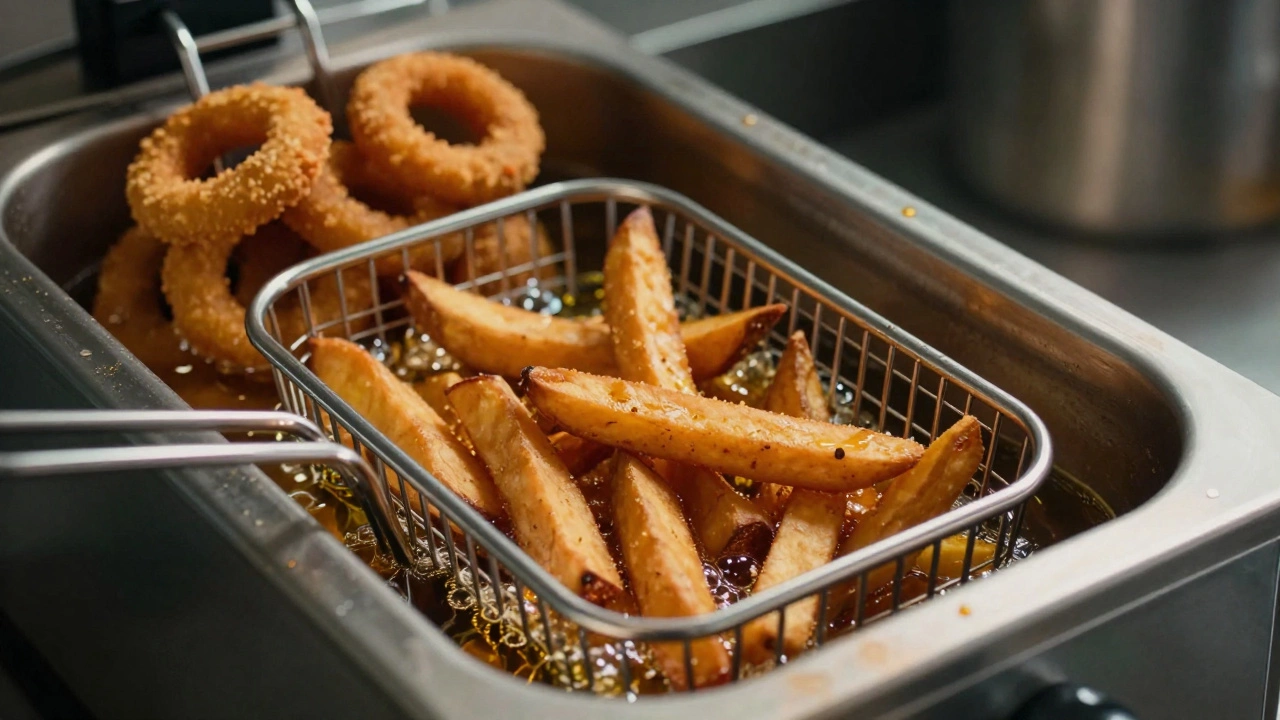
Eating out is another gamble. In many kitchens, sweet potato fries are cooked in the same deep fryer as breaded onion rings or flour-coated chicken strips. This is called cross-contamination. Even if the potato has no gluten, the oil does. If you have a severe allergy, always ask if the fryer is dedicated to gluten-free items.
Sweet Potato vs. Other Common Gluten-Free Starches
When you give up wheat, you crave that hearty, filling feeling. Sweet potatoes are fantastic, but how do they stack up against other common alternatives? It really depends on what you're trying to achieve in your meal.
| Entity | Main Benefit | Texture | Best Use Case |
|---|---|---|---|
| Sweet Potato | High Vitamin A | Creamy/Soft | Mashing, Roasting |
| Quinoa | Complete Protein | Grainy/Nutty | Salads, Bowls |
| Brown Rice | Easy Digestion | Chewy | Side dishes, Sushi |
| Cassava/Yuca | Very Filling | Starchy/Dense | Fries, Flour substitute |
How to Use Sweet Potatoes as a Gluten-Free Substitute
The real magic of the sweet potato is its versatility. You can use it for more than just a side dish; it can actually replace flour in some recipes. Because it mashes into a smooth paste, it adds moisture and binding power to baked goods.
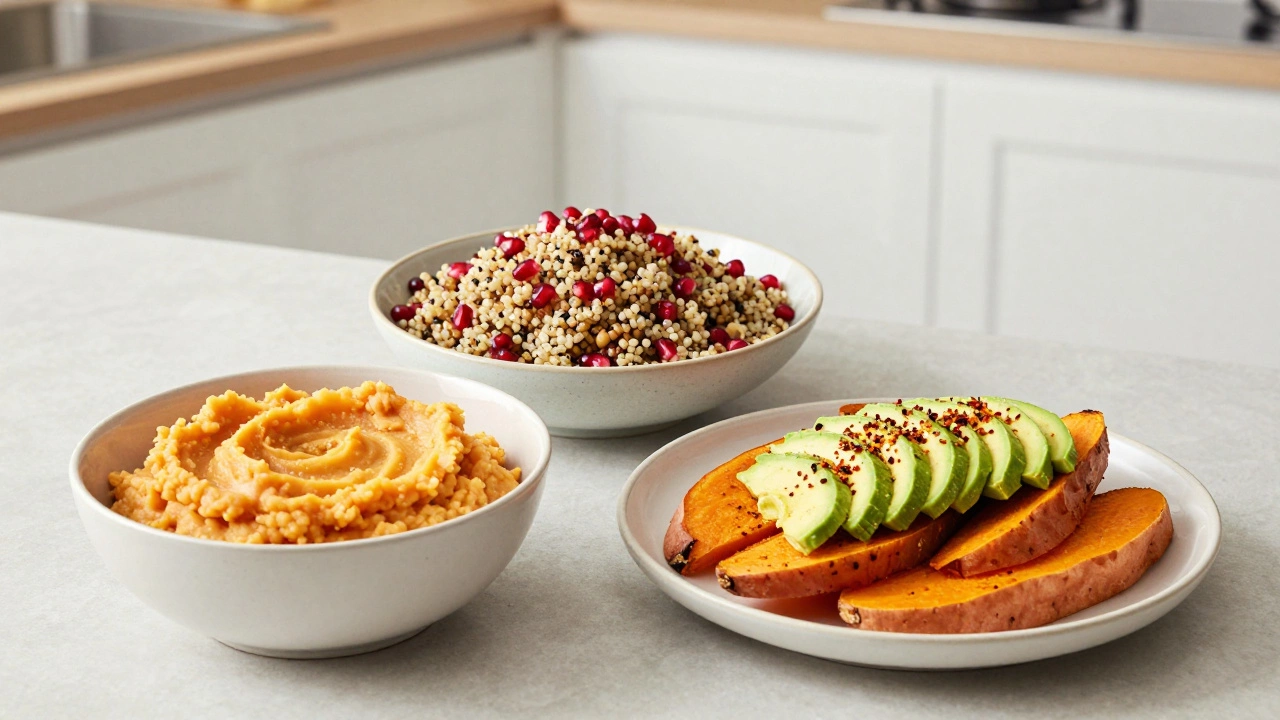
Try using mashed sweet potato in your brownies. It reduces the need for flour and adds a natural sweetness that lets you cut back on refined sugar. If you're missing toast, try slicing a sweet potato lengthwise into "planks," brushing them with olive oil, and popping them in the toaster or oven. It's a game-changer for breakfast.
For those making savory dishes, sweet potato puree works as a great thickener for stews or soups. Instead of making a roux (which traditionally uses wheat flour and butter), blend some cooked sweet potato into your liquid. You get a rich, creamy consistency and a boost of nutrients without any of the gluten.
Nutritional Value: More Than Just Gluten-Free
Choosing sweet potatoes isn't just about avoiding gluten; it's a massive nutritional win. They are packed with Beta-Carotene is a red-orange pigment found in plants that the body converts into Vitamin A, which is essential for eye health and immune function. One medium sweet potato provides more than 100% of your daily requirement for Vitamin A.
They also bring a healthy dose of potassium and fiber to the table. Fiber is especially important for people on gluten-free diets, as many processed GF products rely on refined corn or rice starches that lack the gut-supporting fiber found in whole grains. By leaning into root vegetables, you keep your digestion smooth and your energy levels stable.
Pro Tips for Shopping and Cooking
To keep your kitchen truly safe, follow these simple rules of thumb:
- Read the Ingredients: Always check frozen or canned sweet potato products for "wheat flour," "malt," or "barley."
- Avoid the "Seasoned' Mixes: Many pre-packaged sweet potato seasoning mixes use wheat-based anti-caking agents. Buy the plain potato and season it yourself with salt, paprika, and garlic powder.
- Wash Thoroughly: If you're buying from a bulk bin where other grains might be stored nearby, give your potatoes a good scrub to remove any stray dust or particles.
- Use Fresh Produce: Whenever possible, stick to the whole vegetable. It's the only way to be 100% sure there's no cross-contamination.
Can people with celiac disease eat sweet potatoes?
Yes, absolutely. Sweet potatoes are naturally gluten-free and do not contain any wheat, barley, or rye proteins. They are a safe and nutritious choice for anyone with celiac disease, provided they are not processed with gluten-containing additives.
Are frozen sweet potato fries gluten-free?
Not always. While the potato is gluten-free, some brands use wheat flour for coating or fry them in oil that was previously used for breaded products. Always check the packaging for a "Certified Gluten-Free" label or read the ingredient list carefully.
Is sweet potato flour gluten-free?
Yes, pure sweet potato flour is gluten-free. However, many commercial "gluten-free flour blends" might mix sweet potato flour with other ingredients. If it's 100% sweet potato, it's safe.
Which is healthier: white potatoes or sweet potatoes?
Both are gluten-free, but sweet potatoes generally offer more Vitamin A, beta-carotene, and a lower glycemic index, meaning they don't spike your blood sugar as quickly as some white potato varieties do.
Can I use sweet potato to replace bread in recipes?
While it won't give you the exact same structure as a loaf of bread, mashed sweet potato can act as a binder in pancakes, muffins, and brownies, reducing the amount of flour needed and adding moisture.
What to Do Next
If you're just starting your gluten-free journey, don't overcomplicate it. Start by swapping out your pasta or bread sides for roasted sweet potato wedges or a hearty mash. If you're feeling adventurous, try making a sweet potato "toast" for your morning avocado spread.
If you're shopping at a restaurant, the best move is to ask: "Are the sweet potato fries cooked in a shared fryer with breaded items?" If the answer is yes, you might want to opt for a steamed or baked version instead to avoid any hidden gluten triggers.





Write a comment