Nutrient-Dense Lunch Builder
Build your ideal plate by selecting one option from each category below. The tool will analyze your choices for balance, variety, and nutritional density.
Select how many colors are in your veggies/fruits:
Lunch Score
Select Items
Choose options to see your score
- Aim for a "rainbow" of vegetables.
- Protein prevents the 3 PM slump.
- Fiber keeps blood sugar stable.
The Myth of the Single "Perfect" Lunch
There is no single dish that holds the title of the absolute healthiest lunch ever. Nutrition science doesn't work that way. Your body isn't a machine where you insert one specific fuel tank to run perfectly; it's a complex ecosystem that thrives on variety, balance, and timing. If someone tells you that kale smoothies or quinoa bowls are the only path to health, they're selling you a simplification, not science.
Instead of searching for a mythical perfect meal, focus on building a nutrient-dense lunch that hits four critical biological targets: stable blood sugar, sustained energy, gut health, and inflammation control. When you master this framework, almost any combination of whole foods becomes a candidate for your best daily meal.
The Four Pillars of an Optimal Lunch
To construct a lunch that supports long-term vitality, you need to think in layers. A truly healthy meal acts like a well-designed foundation for a house-solid, flexible, and capable of supporting whatever life throws at you in the afternoon.
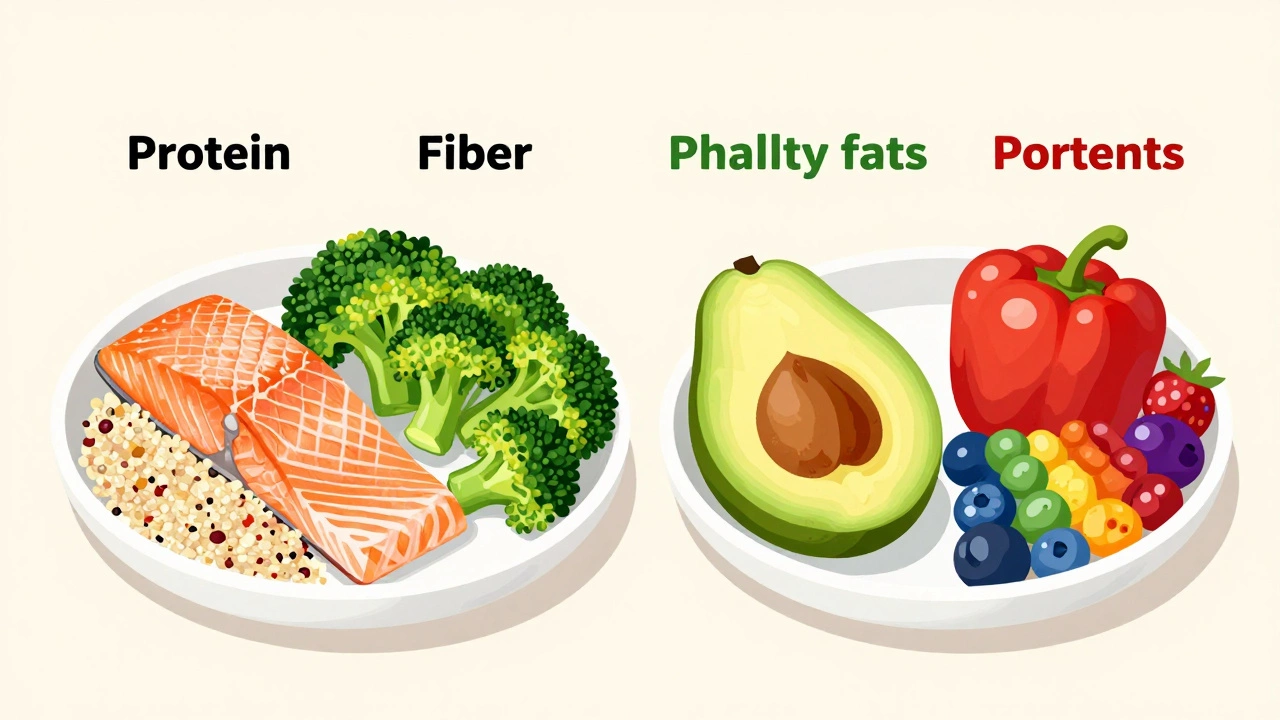
1. Protein for Satiety and Muscle Maintenance
Protein is the anchor of your lunch. Without it, you'll feel hungry again two hours later, leading to that dreaded 3 PM slump. Aim for 20-30 grams of high-quality protein per meal. This amount triggers muscle protein synthesis, which helps maintain lean mass as you age, and keeps you full by slowing down gastric emptying.
- Fish (like salmon or mackerel) provides omega-3 fatty acids alongside protein.
- Poultry (chicken breast or turkey) offers lean protein with minimal saturated fat.
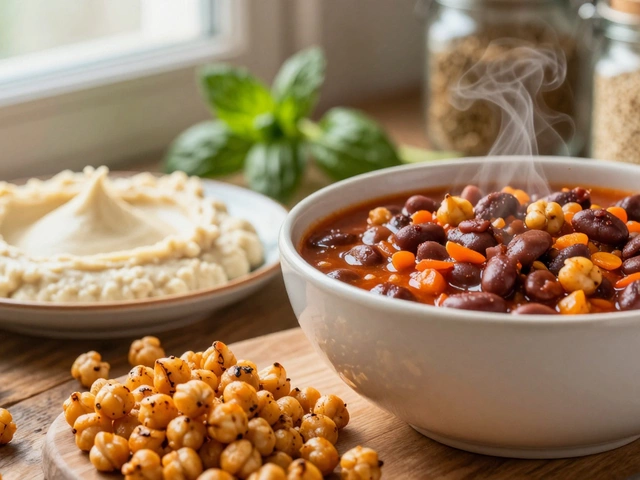
- Legumes (lentils, chickpeas) deliver plant-based protein packed with fiber.
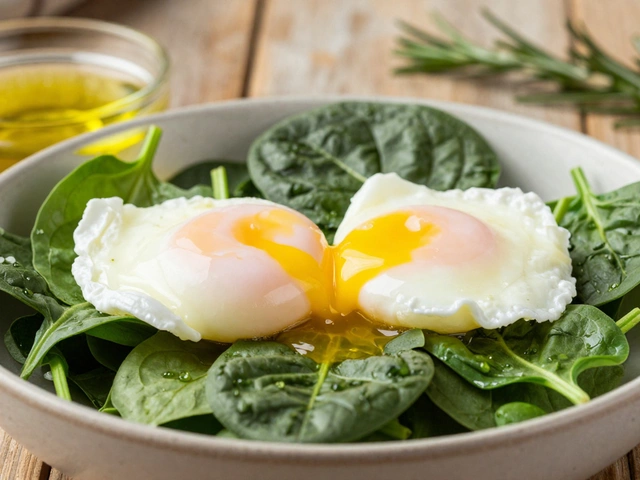
- Eggs contain all essential amino acids and choline for brain health.
2. Fiber-Rich Carbs for Steady Energy
Don't fear carbohydrates; fear refined ones. Your brain runs on glucose, but it prefers a slow drip over a flood. Choose complex carbs that are wrapped in fiber. Fiber slows digestion, preventing insulin spikes and feeding your beneficial gut bacteria. Think about color and texture: vibrant vegetables and whole grains are your best friends here.
Swap white rice for brown rice, farro, or sweet potatoes. Add leafy greens like spinach or kale, and colorful veggies like bell peppers or broccoli. These aren't just filler; they're functional components that regulate your metabolic health.
3. Healthy Fats for Hormone Balance
Fat gets a bad rap, but it's essential for absorbing vitamins A, D, E, and K. It also adds creaminess and satisfaction to your meal. Include a source of monounsaturated or polyunsaturated fats in every lunch. Olive oil, avocado, nuts, and seeds are excellent choices. They support heart health and reduce systemic inflammation.
4. Phytonutrients for Cellular Protection
This is where the "rainbow" concept comes in. Different colors in plants represent different phytonutrients-compounds that protect your cells from damage. Anthocyanins in blueberries, lycopene in tomatoes, and sulforaphane in cruciferous vegetables all play unique roles in disease prevention. Eat widely to cover your bases.
| Component | Primary Benefit | Best Sources | Amount Per Meal |
|---|---|---|---|
| Protein | Satiety & Muscle Repair | Fish, Chicken, Lentils, Tofu | 20-30g |
| Fiber | Blood Sugar Stability | Veggies, Whole Grains, Berries | 10-15g |
| Fat | Vitamin Absorption | Olive Oil, Avocado, Nuts | 10-15g |
| Phytonutrients | Antioxidant Protection | Colorful Veggies & Fruits | Varied Colors |
Real-World Examples of High-Performance Lunches
Let's translate these principles into actual plates you can make today. You don't need exotic ingredients or hours of prep time.
The Mediterranean Bowl
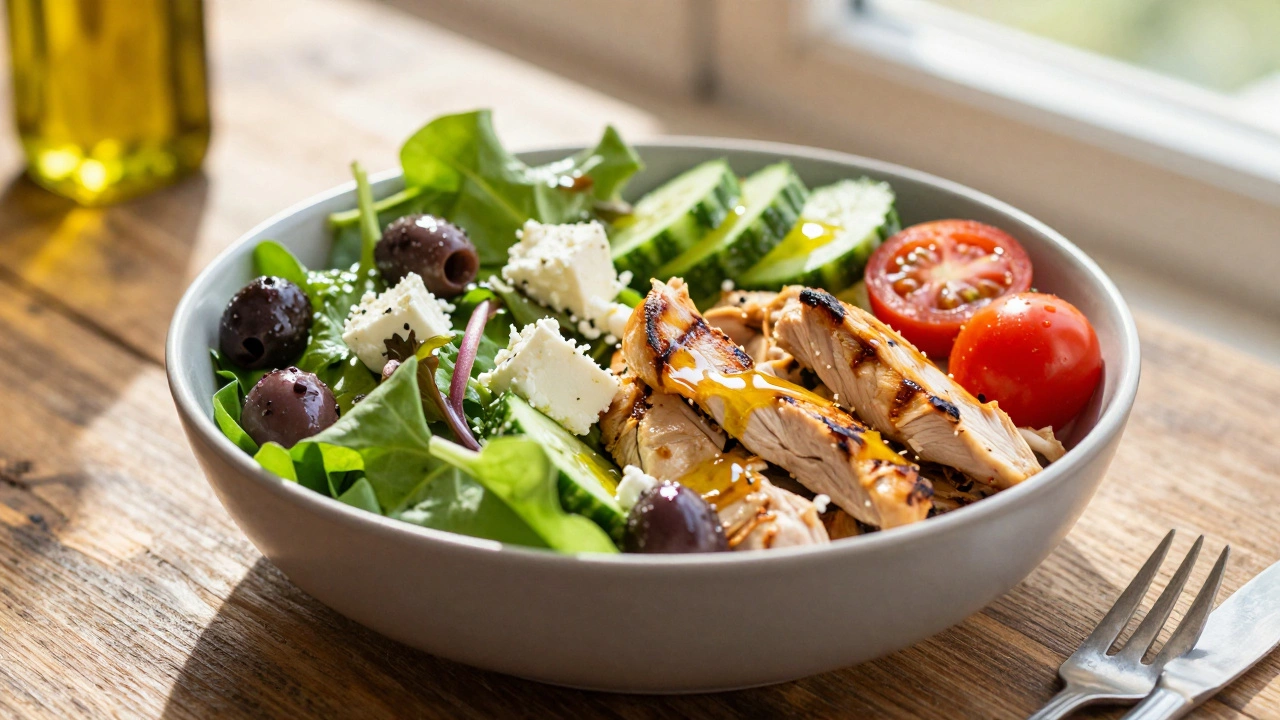
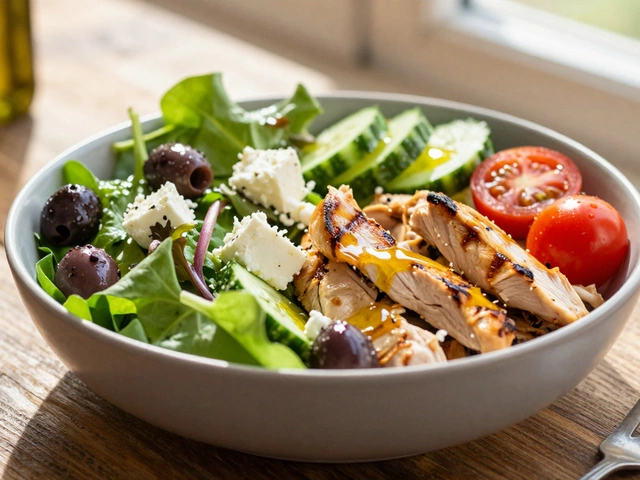
This is arguably the gold standard for longevity diets. Start with a base of mixed greens or farro. Add grilled chicken or canned tuna. Top with cherry tomatoes, cucumbers, olives, and feta cheese. Dress with extra virgin olive oil and lemon juice. This bowl hits every pillar: protein from fish/meat, fiber from veggies/grains, healthy fats from olive oil/feta, and a wide spectrum of phytonutrients.
The Asian-Inspired Stir-Fry
Use tofu or shrimp as your protein. Stir-fry with broccoli, snap peas, carrots, and ginger in sesame oil. Serve over cauliflower rice or quinoa. Ginger has powerful anti-inflammatory properties, while the cruciferous vegetables provide sulfur compounds that support liver detoxification pathways.
The Leftover Power Plate
Efficiency meets nutrition. Take last night's roasted salmon or beef. Pair it with steamed Brussels sprouts and a small portion of sweet potato. Add a side salad with pumpkin seeds. This approach minimizes food waste and ensures you get a balanced mix of macros without starting from scratch.
Foods to Avoid in Your Lunch Box
Just as important as what to include is what to exclude. Certain foods sabotage your energy levels and inflammatory markers.
- Ultra-processed snacks: Chips, crackers, and packaged bars often contain added sugars, unhealthy fats, and preservatives that trigger cravings.
- Refined grains: White bread, white pasta, and regular cereal cause rapid blood sugar spikes followed by crashes.
- Sugary drinks: Sodas, fruit juices, and sweetened coffees add empty calories without nutrients.
- High-sodium processed meats: Bacon, sausages, and deli slices linked to increased cardiovascular risk when consumed regularly.
Timing and Context Matter
Your healthiest lunch isn't just about composition; it's about context. Eating slowly allows your brain to register fullness signals, typically taking 20 minutes. Mindful eating prevents overconsumption. Also, consider your activity level. If you have a sedentary afternoon, you might skew slightly lower on carbs. If you're active, increase the complex carb portion to fuel movement.
Practical Tips for Busy Days
Life gets in the way of ideal nutrition. Here’s how to stay on track when you're short on time:
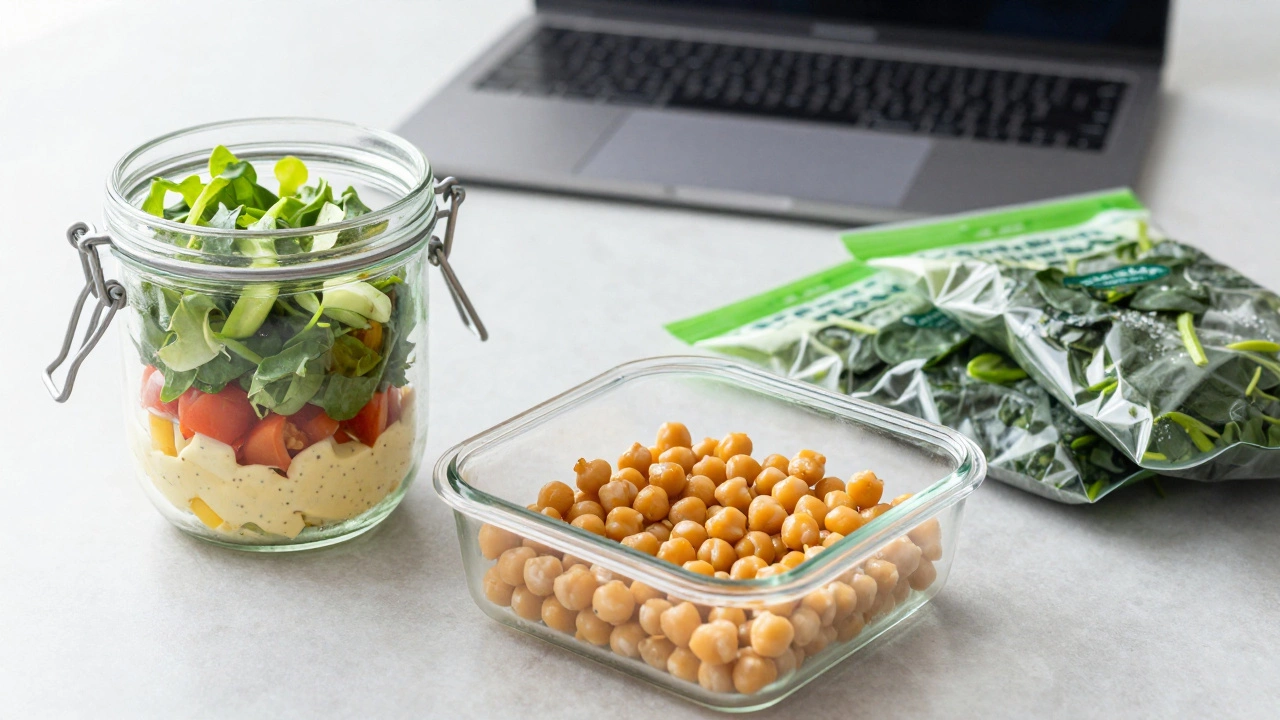
- Prep proteins in bulk: Cook a large batch of chicken, hard-boil eggs, or roast a tray of chickpeas on Sunday.
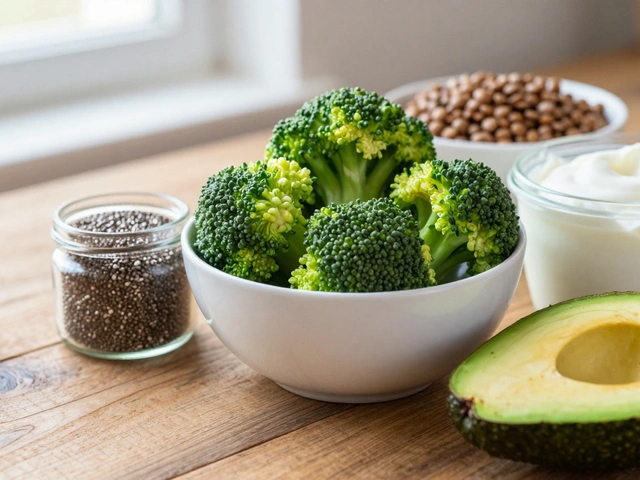
- Keep frozen veggies handy: Frozen broccoli, spinach, and berries retain their nutrients and require zero chopping.
- Use jar salads: Layer dressing at the bottom, then sturdy veggies, then greens on top. Shake before eating.
- Embrace convenience wisely: Canned beans, pre-washed greens, and rotisserie chickens are legitimate time-savers when used correctly.
Is intermittent fasting better than eating a big lunch?
Intermittent fasting works for some people, but it's not inherently superior to eating a balanced lunch. What matters most is the quality of food you eat during your window. A nutrient-dense lunch fits well within most fasting protocols if timed appropriately. Listen to your body's hunger cues rather than forcing a schedule that causes stress.
Can I eat fast food and still be healthy?
Occasionally, yes. Many chains now offer salads, grilled options, or sides like apples and yogurt. However, relying on fast food regularly makes it difficult to hit your micronutrient needs and avoid excessive sodium and unhealthy fats. Treat it as an exception, not the rule.
How much protein do I really need in one sitting?
Research suggests 20-30 grams of protein per meal optimally stimulates muscle protein synthesis in most adults. This is roughly the size of a deck of cards for meat or a cup of Greek yogurt. Adjust based on your individual goals and total daily intake.
Why do I feel tired after lunch?
Post-lunch fatigue is often caused by blood sugar spikes from high-carb, low-fiber meals. When insulin surges to manage glucose, it can lead to a subsequent crash. Adding protein, fat, and fiber to your lunch blunts this spike, providing steady energy instead of a rollercoaster effect.
Are raw vegetables healthier than cooked ones?
Both have merits. Raw vegetables preserve heat-sensitive vitamins like vitamin C. Cooking breaks down cell walls, making certain antioxidants like lycopene in tomatoes more bioavailable. Aim for a mix of both in your diet to maximize nutrient absorption.




Write a comment