Slow Cooker Hamburger Safety & Flavor Checker
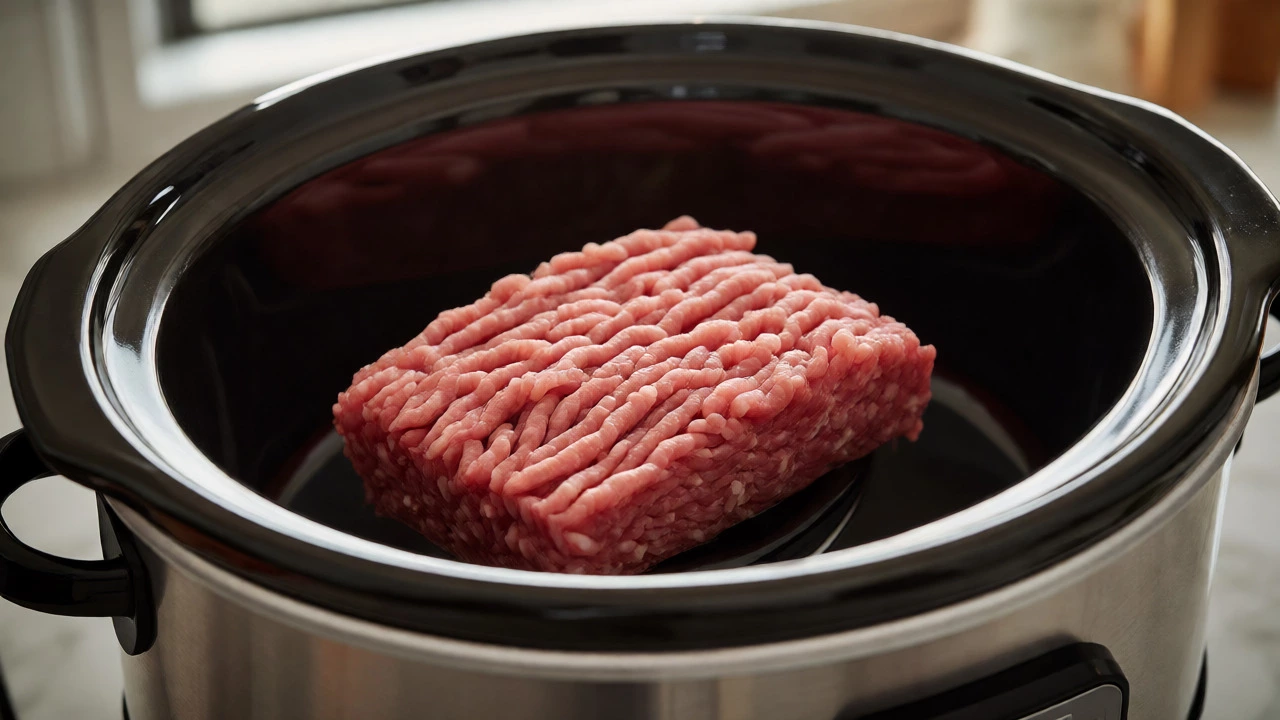
You’re rushing out the door, you toss a block of ground beef into your crockpot, and hit start. But wait-did you just create a bacterial breeding ground or a delicious dinner? The short answer is yes, you can put raw hamburger in a slow cooker, but there’s a catch that most recipe blogs gloss over: texture and flavor suffer if you skip one crucial step.
The Food Safety Reality Check
Let’s tackle the scary part first. Many people worry about Salmonella or E. coli surviving the low heat of a slow cooker. According to the USDA, as long as the meat reaches an internal temperature of 160°F (71°C), it’s safe. A standard slow cooker on "Low" eventually hits temperatures between 190°F and 200°F, so technically, raw ground beef will cook through.
However, there’s a danger zone issue. If your slow cooker is overloaded with frozen or cold ingredients, the center of that raw meat block might linger in the "danger zone" (40°F-140°F) for too long before reaching a safe temperature. This isn’t usually a problem with fresh, room-temperature meat broken into small chunks, but it is a risk if you dump a solid brick of frozen mince in at the last minute.
| Factor | Raw Meat Method | Browned Meat Method |
|---|---|---|
| Prep Time | 0 minutes (Dump & Go) | 5-10 minutes |
| Flavor Profile | Bland, boiled taste | Rich, savory, complex |
| Texture | Mushy, grainy, clumpy | Tender, distinct pieces |
| Grease Content | High (fat renders into sauce) | Lower (excess fat drained) |
| Safety Risk | Low (if fully submerged/heated) | Negligible |
Why Chefs Hate Raw Ground Beef in Crockpots
If you’ve ever made chili with raw ground beef straight from the package, you know the result. It often turns into a gray, gritty paste rather than distinct, flavorful bites. Why does this happen?
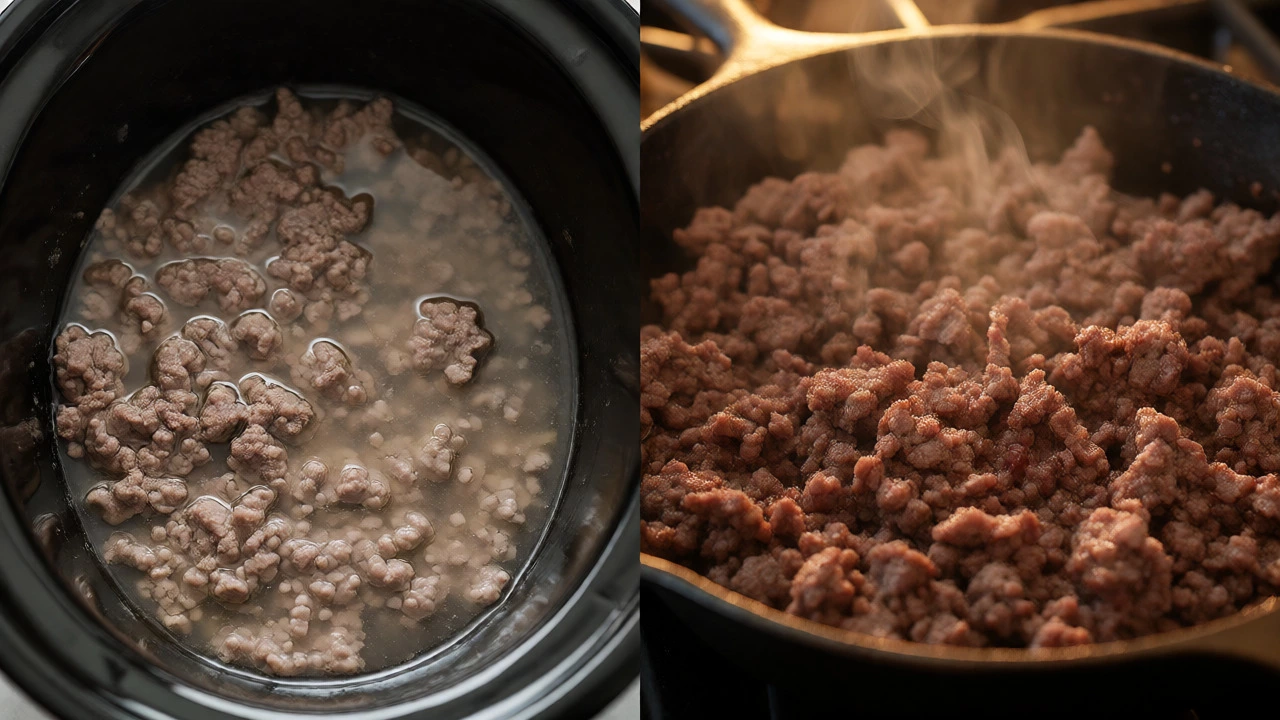
It comes down to the Maillard reaction. This chemical reaction between amino acids and reducing sugars gives browned food its distinctive flavor. Slow cookers don’t get hot enough to trigger this reaction effectively. By skipping the browning step, you miss out on hundreds of new flavor compounds that develop when meat hits a hot pan.
Furthermore, raw ground beef releases a significant amount of water and fat as it cooks slowly. Without draining this liquid, your taco filling or spaghetti sauce ends up watery and greasy. Browning allows you to drain that excess fat, resulting in a cleaner, richer sauce.
How to Do It Right (If You Must Use Raw Meat)
Look, sometimes you are tired, or you forgot to plan ahead. Can you still use raw hamburger? Absolutely. Here is how to minimize the downsides:
- Break it up thoroughly: Never put a solid block in. Use your hands or a fork to crumble the raw meat into tiny pieces before adding it to the pot. This ensures even cooking and prevents large, undercooked clumps.
- Add liquid: Always ensure the meat is covered by broth, tomatoes, or sauce. This helps conduct heat evenly and keeps the meat moist.
- Cook longer: Give it at least 4 hours on Low or 2 hours on High to ensure the center reaches 160°F.
- Skim the fat: After cooking, let the dish sit for 5 minutes. The grease will rise to the top. Spoon it off before serving.
The Better Alternative: Quick Browning
I know, I know-you bought a slow cooker to avoid dirtying pans. But hear me out: spending five minutes browning your meat changes everything. It takes less time than waiting for the kettle to boil, and the payoff is massive.
Here’s my go-to method for busy weeknights:
- Heat a skillet over medium-high heat with a splash of oil.
- Add the ground beef and break it apart with a wooden spoon.
- Cook for just 3-4 minutes until it loses its pink color. Don’t worry about perfect browning; just get the raw edge off.
- Drain the grease into a jar (don’t pour it down the sink!).
- Dump the partially cooked meat into your slow cooker.
This hybrid approach gives you the convenience of the slow cooker for the main cooking phase while securing the flavor benefits of stovetop searing.
What About Frozen Hamburger?
This is where things get tricky. Putting a frozen block of raw hamburger directly into a slow cooker is risky. The outer layers may cook while the center remains frozen for hours, keeping the entire mass in the bacterial danger zone for too long.
If you must use frozen meat, thaw it in the refrigerator overnight first. If you forget, use the microwave defrost setting just enough to make the meat pliable enough to break apart. Never try to cook a solid frozen brick of mince in a slow cooker unless you have plenty of liquid and time.
Best Dishes for Raw vs. Browned Meat
Not all dishes require perfectly browned meat. Some benefit more from the "dump and go" method because the strong spices mask the lack of Maillard reaction flavors.
Good candidates for raw addition:
- Taco Soup: The high liquid content and heavy cumin/chili powder disguise the texture.
- Sloppy Joes: The tomato-based sauce coats the meat heavily, hiding the grittiness.
- Korean Beef Bowls: The soy-ginger glaze is potent enough to override mild meat flavors.
Dishes where browning is non-negotiable:
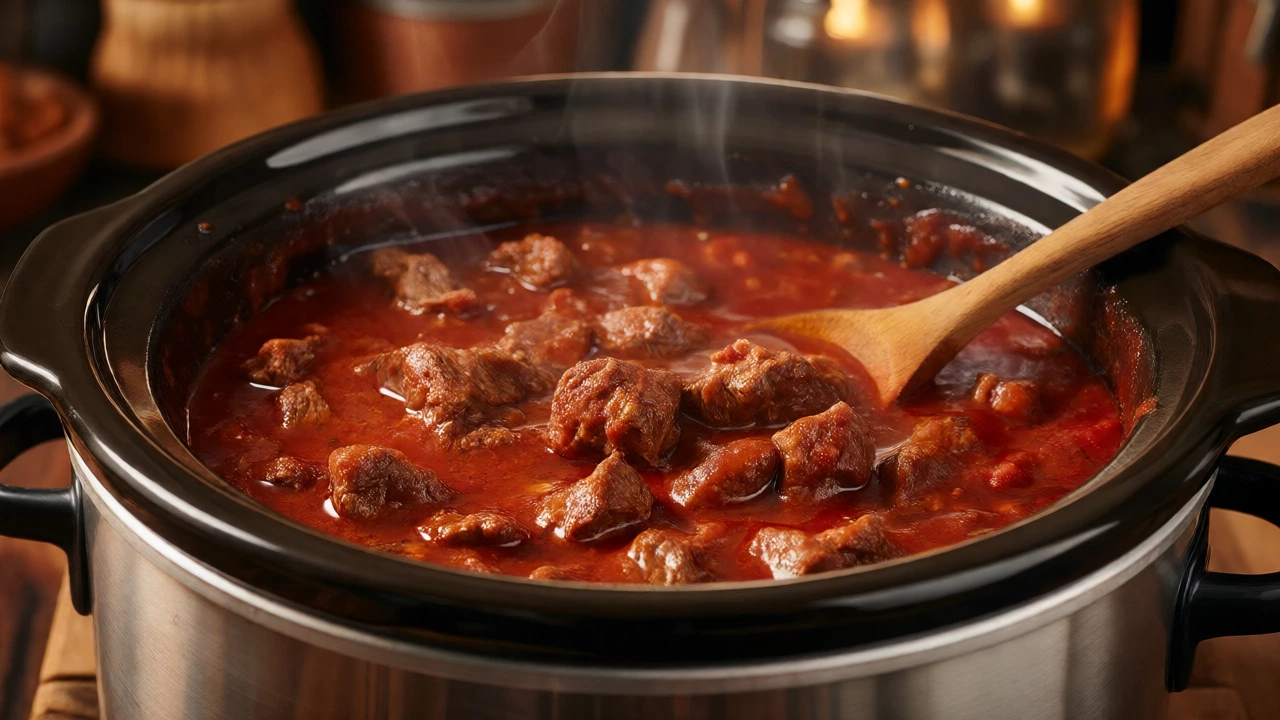
- Chili Con Carne: Chili relies on deep, roasted flavors. Raw meat tastes flat here.
- Spaghetti Bolognese: Italian cuisine prizes depth. Boiled meat ruins the authenticity.
- Meatballs: Raw ground beef in a slow cooker often falls apart into mush rather than holding a ball shape.
Troubleshooting Common Issues
So you already threw the raw meat in, and now you’re worried. What should you do?
Problem: The meat is clumpy.
Solution: Take a potato masher or a sturdy fork and break up the clumps halfway through the cooking time. This helps expose more surface area to the heat and sauce.
Problem: The dish is too greasy.
Solution: Chill the leftover portions in the fridge. The fat will harden on top, making it easy to scrape off before reheating.
Problem: The meat tastes bland.
Solution: Add a splash of Worcestershire sauce or soy sauce near the end of cooking. These umami boosters can help compensate for the missing browning flavors.
Frequently Asked Questions
Is it dangerous to put raw ground beef in a slow cooker?
Generally, no, provided the meat reaches an internal temperature of 160°F (71°C). However, if the slow cooker is full of cold/frozen ingredients, the meat may spend too much time in the bacterial danger zone (40°F-140°F), increasing the risk of foodborne illness. Breaking the meat into small pieces and ensuring adequate cooking time mitigates this risk.
Why does raw ground beef taste bad in a slow cooker?
Raw meat cooked slowly lacks the Maillard reaction, which occurs at high temperatures and creates complex, savory flavors. Without browning, the meat retains a "boiled" or steamed taste, which many find unappetizing compared to the rich flavor of seared meat.
Do I need to drain the fat if I add raw meat?
Yes, eventually. As raw ground beef cooks, it releases fat and water. If you don't drain this liquid, your final dish will be greasy and watery. You can skim the fat off the top after cooking or use a fat separator.
Can I put frozen ground beef in a slow cooker?
It is not recommended to put a solid block of frozen ground beef in a slow cooker. It takes too long to thaw, keeping the meat in the danger zone for unsafe periods. Thaw it in the fridge or microwave until pliable, then break it up before adding.
Which lean percentage of ground beef is best for slow cookers?
Use 85% lean or higher (e.g., 90/10). Since you cannot easily drain fat from raw meat during the process, using very fatty meat (like 70/30) results in a very greasy final product. Leaner meats hold their texture better and produce a cleaner sauce.



Write a comment