
Popcorn Gluten Risk Analyzer
Click on the items that apply to your popcorn product or recipe.
Safety Analysis
Based on selected inputsSelect the components of your popcorn snack to see if it is safe for a gluten-free diet. Include both the flavors used and the manufacturing environment.
Popcorn is one of those snacks that seems innocent enough. It’s just corn, right? Corn isn’t wheat, barley, or rye. So why are so many people with celiac disease or gluten sensitivity double-checking the label before popping a bag? The short answer is yes, plain popcorn is naturally gluten-free. But the long answer involves factory floors, shared fryers, and flavor packets that might be hiding more than just salt.
If you’re navigating a gluten-free lifestyle, knowing what’s actually safe to eat is crucial. This guide breaks down exactly where the risks lie, how to spot them on packaging, and which brands you can trust. We’ll also look at why some air-popped kernels are safer than others and how to make your own theater-style snack without worrying about an accidental reaction.
The Basic Science: Is Corn Naturally Gluten-Free?
To understand if popcorn has gluten, we first need to look at the ingredient list. A kernel of corn belongs to the grass family, but it is not related to the three grains that contain gluten: wheat, barley, and rye. Corn (Zea mays) contains zein, a protein that is structurally different from gliadin and glutenin found in wheat. For most people with celiac disease, pure corn is perfectly safe.
Is corn genetically related to wheat?
No. While both are grasses, they are distinct species. Wheat is Triticum, while corn is Zea mays. They do not share the genetic markers that produce gluten proteins.
However, "naturally gluten-free" doesn't automatically mean "safe for celiacs." The risk usually comes from processing. If corn is grown in a field next to wheat, harvested with machinery that wasn’t cleaned, or processed in a facility that handles flour, cross-contamination can occur. This is known as environmental contamination. For someone with severe non-celiac gluten sensitivity or strict celiac disease, even trace amounts from shared equipment can trigger symptoms like bloating, fatigue, or gut inflammation.
The Hidden Dangers: Flavorings and Additives
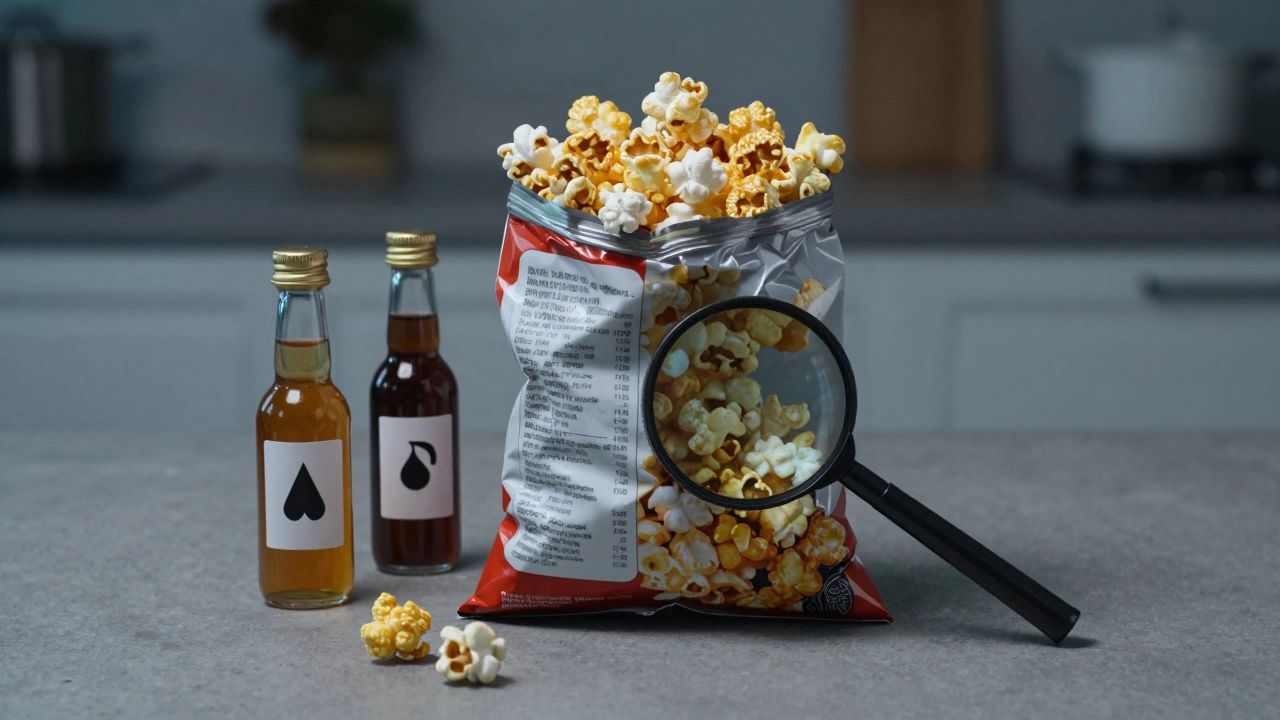
Plain, air-popped popcorn is generally safe. The trouble starts when manufacturers add flavors. Many commercial popcorn brands use malt vinegar, soy sauce, or natural flavors that may contain hidden gluten sources. Malt is derived from barley, which is high in gluten. If a bag says "malt vinegar" or "barley malt," it is not gluten-free.
Another common culprit is "natural flavors." This vague term can sometimes include yeast extract or hydrolyzed wheat protein. Manufacturers aren’t always required to specify the source of natural flavors unless it’s a major allergen like wheat, but barley and rye often slip through the cracks in labeling laws depending on the country. In the UK and EU, gluten-containing cereals must be highlighted in bold, but in the US, only wheat needs to be declared under FALCPA (Food Allergen Labeling and Consumer Protection Act). This discrepancy makes reading labels tricky if you travel between regions.
Cheese-flavored popcorn is another minefield. Some cheese powders use wheat starch as an anti-caking agent. Even if the cheese itself is dairy-based, the coating process might involve dusting with modified food starch derived from wheat. Always check the fine print for "modified food starch"-if the source isn’t listed as corn or potato, assume it could be wheat.
Cross-Contamination in Manufacturing
Even if the ingredients are clean, the facility matters. Many large-scale snack producers make both gluten-containing pretzels/chips and gluten-free popcorn on the same production lines. Between batches, machines are cleaned, but residue can remain. This is called cross-contact.
Look for specific certifications on the package. In the US, the Gluten-Free Certification Organization (GFCO) symbol indicates the product has been tested and contains less than 10 parts per million (ppm) of gluten. In Europe, the "Crossed Grain" logo serves a similar purpose. Products labeled "Made in a facility that also processes wheat" are not necessarily unsafe, but they carry a higher risk for highly sensitive individuals. If you have celiac disease, sticking to certified gluten-free brands reduces anxiety and health risks significantly.
| Ingredient | Gluten Status | Why It’s Risky |
|---|---|---|
| Malt Vinegar | Contains Gluten | Derived from barley |
| Modified Food Starch | Potential Gluten | Source not specified; could be wheat |
| Natural Flavors | Uncertain | May hide yeast extract or wheat derivatives |
| Soy Sauce Powder | Contains Gluten | Traditional soy sauce uses wheat |
| Corn Kernels | Gluten-Free | Naturally safe unless contaminated |
Safe Brands and What to Look For
Not all store-bought popcorn is created equal. Some brands prioritize gluten-free integrity, while others treat it as an afterthought. Here are a few reputable options that consistently test well:
- Act II: Most of their microwave varieties are labeled gluten-free, but always check the specific flavor. Their butter and caramel versions are typically safe.
- Orville Redenbacher’s: Many of their gourmet mixes are gluten-free, but they clearly mark which ones are not due to malt or soy sauce.
- Smartfood: Known for white cheddar and olive oil flavors that are generally gluten-free and lower in fat.
- Bob’s Red Mill: Offers organic, non-GMO popcorn kernels that are certified gluten-free, ideal for home popping.
When shopping, ignore marketing terms like "wheat-free." Wheat-free does not mean gluten-free. Barley and rye still contain gluten. You need to see the words "Gluten-Free" explicitly printed on the front or back of the package. In the UK, look for the Coeliac UK endorsement tick, which guarantees rigorous testing standards.
Making Your Own Gluten-Free Popcorn at Home
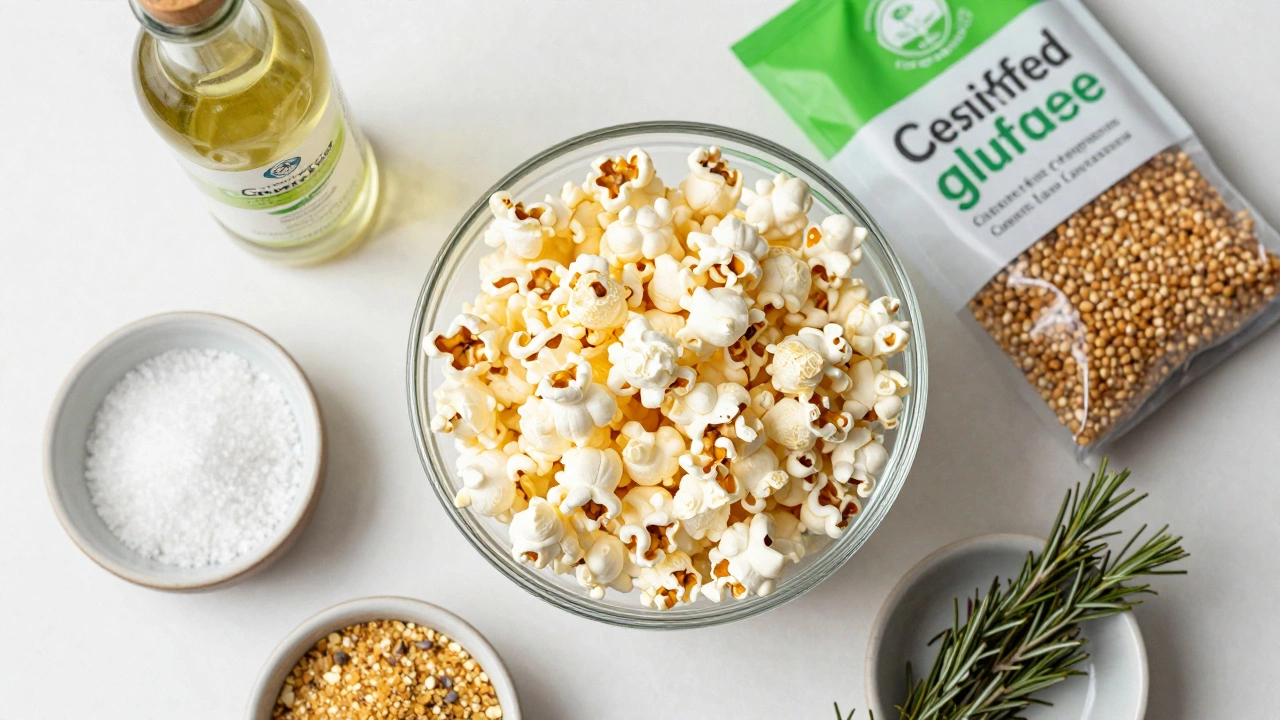
The safest way to enjoy popcorn is to make it yourself. You control every ingredient, eliminating the risk of factory cross-contamination. Here’s how to do it properly:
- Buy Certified Kernels: Purchase bulk popcorn kernels from a brand that certifies them gluten-free. Avoid generic bins in grocery stores where scoops might have touched other grains.
- Choose Your Oil: Use coconut oil, avocado oil, or clarified butter (ghee). Regular butter can burn easily and isn’t technically gluten-free if it contains added milk solids that were processed with gluten-containing products (rare, but possible).
- Season Carefully: Skip the pre-made seasoning packets. Instead, use sea salt, nutritional yeast (check for GF certification), or dried herbs like rosemary and thyme. Nutritional yeast adds a cheesy flavor without the dairy or gluten risks.
- Avoid Shared Fryers: If you’re making kettle corn, don’t use a pan that previously cooked breaded chicken or pasta. Wash everything thoroughly with hot soapy water.
Home-made popcorn is also cheaper and healthier. Commercial microwave popcorn often contains diacetyl, a chemical linked to lung issues, and excessive sodium. By popping your own, you get a whole-grain snack rich in fiber and antioxidants like polyphenols, which help protect against heart disease.
Popcorn vs. Other Snacks: A Comparison
If you’re looking for gluten-free snacking alternatives, popcorn compares favorably to many chips and crackers. It’s a whole grain, meaning it retains the bran and germ, providing more nutrients than refined flour chips.
| Snack (1 oz serving) | Calories | Fiber (g) | Gluten Risk |
|---|---|---|---|
| Air-Popped Popcorn | 31 | 1.2 | Low (if certified) |
| Potato Chips | 152 | 2.2 | Medium (cross-contamination) |
| Wheat Crackers | 120 | 1.0 | High (contains wheat) |
| Rice Cakes | 35 | 0.4 | Low (usually safe) |
While rice cakes are also gluten-free, they lack the fiber and volume of popcorn. Popcorn expands significantly, giving you a larger portion size for fewer calories, which helps with satiety. Just remember that butter and sugar quickly erase these benefits. Stick to light seasoning to keep it a healthy choice.
Frequently Asked Questions
Can I eat movie theater popcorn if I’m gluten-free?
It depends. The popcorn itself is usually safe, but the butter topping may contain natural flavors with gluten. Additionally, theaters often prepare nachos and pretzels nearby, increasing cross-contamination risk. Call ahead to ask about their protocols.
Is microwave popcorn always gluten-free?
No. Only bags specifically labeled "Gluten-Free" are safe. Many standard microwave brands use malt vinegar or soy sauce in their seasonings, which contain gluten.
What about caramel popcorn?
Caramel popcorn can be risky. Some recipes use wheat flour as a thickener in the caramel sauce. Look for brands that explicitly state they use cornstarch or tapioca starch instead of flour.
Does popcorn cause inflammation?
For most people, no. Popcorn is high in fiber and antioxidants. However, if you have a corn allergy or sensitivity, it can cause inflammation. Also, unpopped kernels can damage teeth or digestive tracts, so chew carefully.
Are there any gluten-free popcorn seasonings I can buy?
Yes. Brands like Everything Bagel Seasoning (ensure it’s GF certified), nutritional yeast, and simple sea salt blends are widely available. Avoid anything with "malt" or "soy sauce" in the name.







Write a comment