Chicken Velveting Timer & Guide
1 tsp Rule: 1 teaspoon per pound.
-
1. Apply Baking Soda
Toss chicken with calculated amount. -
2. Wait (15-30 mins)
Let sit at room temp. Do not exceed 30 mins. -
3. Rinse Thoroughly
Rinse under cold water until clear. -
4. Dry & Cook
Pat dry, add cornstarch/marinade, and cook.
Ever wondered why restaurant stir-fries have chicken that is impossibly tender, almost silky to the touch, while your home-cooked version can sometimes feel dry or chewy? The secret isn't a special breed of bird or a secret ingredient hidden in the kitchen cabinet. It is a simple household staple: baking soda. This technique, known as "velveting," has been used in professional kitchens for decades to transform ordinary protein into extraordinary texture. But there is a catch. If you leave the baking soda on too long, the meat turns mushy and tastes soapy. If you don't leave it on long enough, nothing happens. So, how long should baking soda sit on chicken?
The Short Answer: 15 to 30 Minutes
For most home cooks using standard boneless, skinless chicken breasts or thighs, the sweet spot is between 15 and 30 minutes at room temperature. If you are working with smaller pieces, like diced chicken for a stir-fry, 15 minutes is usually plenty. For larger cuts, you might push it toward 30 minutes, but never exceed an hour. Beyond that window, the chemical reaction changes from tenderizing to degrading. The meat structure breaks down too much, resulting in a strange, spongy texture that no amount of seasoning can fix.
Why this specific timeframe? Baking soda (sodium bicarbonate) works by raising the pH level of the meat's surface. Normally, muscle proteins tighten up when exposed to heat, squeezing out moisture and becoming tough. By making the environment more alkaline, you prevent those proteins from bonding tightly. This keeps the fibers loose and allows them to retain water during cooking. It is a precise chemical balance, not just a passive soak.
Understanding the Science Behind Velveting
To master this technique, you need to understand what is happening at a molecular level. This method originates from Cantonese cuisine, where chefs developed "velveting" centuries ago to prepare pork and poultry for quick frying. The goal was to create a protective coating that kept the meat juicy despite high-heat cooking.
When you apply baking soda to chicken, two things happen:
- pH Elevation: Raw chicken has a slightly acidic pH, around 5.8 to 6.0. Baking soda raises this significantly. In an alkaline environment, myosin and actin-the primary proteins in muscle-cannot contract as easily when heated. Think of it like loosening the grip of a fist; the muscles stay relaxed rather than clenching tight against the heat.
- Moisture Retention: Because the proteins don't squeeze together, they hold onto their natural juices. When you cook velveted chicken, it stays plump and moist, even if you accidentally overcook it slightly.
This is different from using a meat tenderizer powder, which often contains enzymes like papain or bromelain that physically break down collagen. Baking soda does not digest the meat; it alters its chemical environment temporarily. This distinction matters because enzyme-based tenderizers can make meat mushy if left too long, whereas baking soda primarily affects texture without destroying flavor-provided you rinse it off properly.
Step-by-Step: How to Velvet Chicken Correctly
Getting the timing right is only half the battle. The preparation steps matter just as much. Follow this process to ensure your chicken comes out perfectly tender every time.
- Slice the Meat Properly: Cut your chicken into uniform strips or thin slices. Consistency is key here. If some pieces are thick and others are thin, the thin ones will absorb too much baking soda while the thick ones remain unaffected. Aim for slices about 1/4 inch thick.
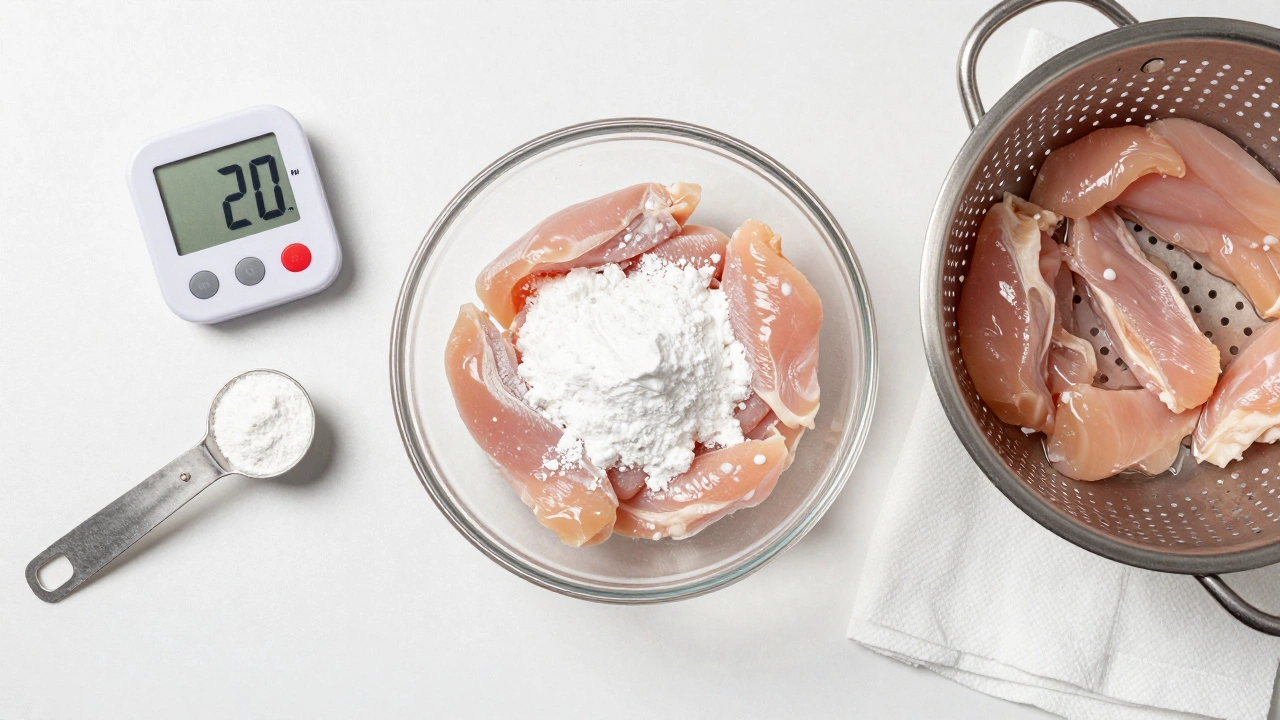
- Measure Carefully: You do not need much. A general rule of thumb is 1 teaspoon of baking soda per pound of chicken. Using more than this will result in a metallic, soapy taste that is unpleasant to eat. Do not eyeball it; use a measuring spoon.
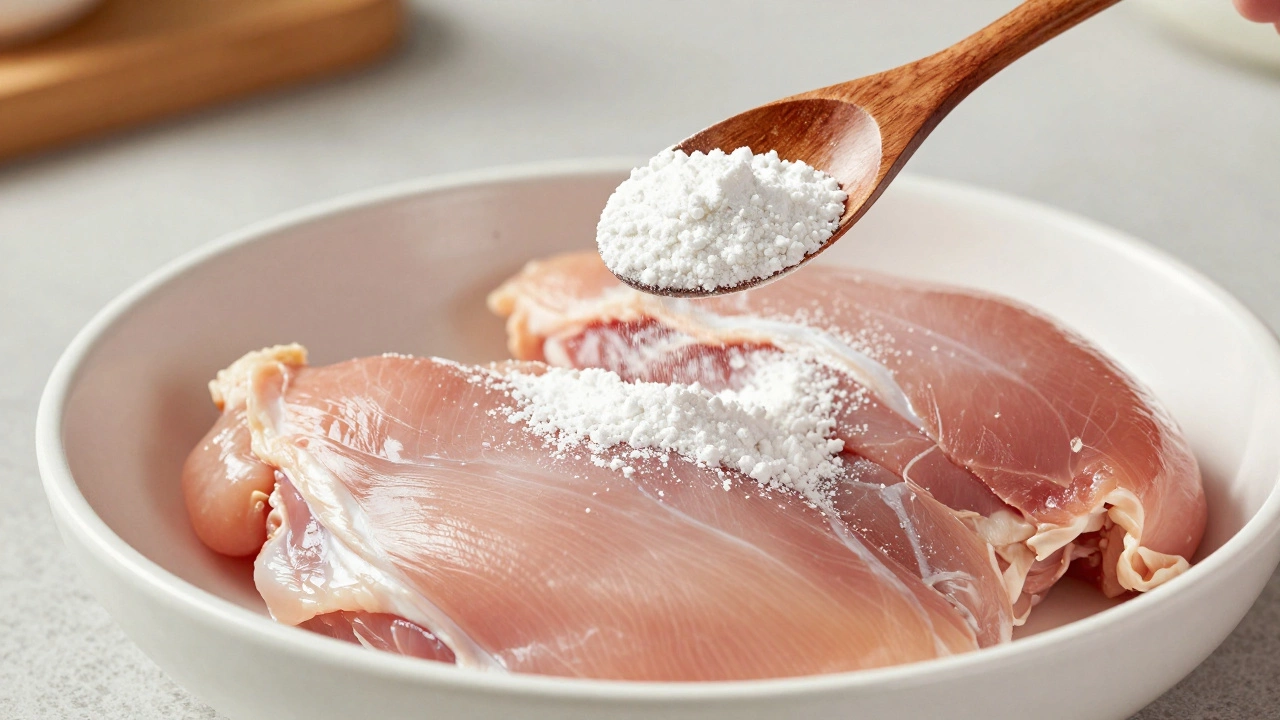
- Coat Evenly: Place the chicken in a bowl and sprinkle the baking soda over it. Toss it thoroughly until every piece is lightly coated. The chicken might look a bit pale and slimy after a minute or two. This is normal and indicates the pH shift is occurring.
- Wait: Let the chicken sit for 15 to 30 minutes. Set a timer. This step is non-negotiable. Rushing it yields no benefit; lingering too long ruins the dish.
- Rinse Thoroughly: This is the most critical step. Drain the chicken and rinse it under cold running water until the water runs clear. You want to remove all traces of the baking soda. If you skip this, your dinner will taste like soap. Pat the chicken dry with paper towels before marinating or cooking.
- Marinate (Optional): After rinsing and drying, you can add your usual marinade ingredients like soy sauce, cornstarch, egg white, or oil. The cornstarch helps create a barrier that locks in moisture during frying.
Common Mistakes to Avoid
Even experienced cooks can trip up when trying velveting for the first time. Here are the pitfalls that lead to failed dishes.
Leaving it overnight: Some people assume "more is better" and leave the chicken in the fridge with baking soda for hours. This is a disaster. Extended exposure causes the meat fibers to disintegrate completely. The chicken will lose its structural integrity and fall apart when you try to move it with chopsticks or tongs. Never refrigerate chicken with active baking soda treatment unless you plan to cook it within 30 minutes.
Skipping the rinse: As mentioned, residual baking soda tastes bitter and soapy. Many beginners forget this step because they think the baking soda gets cooked off. It doesn't. The alkaline compounds remain on the surface and affect the flavor profile negatively. Always rinse until the water is clear.
Using too much powder: Generosity is not a virtue here. One tablespoon of baking soda for a pound of chicken is excessive. Stick to one teaspoon. If you accidentally use too much, extend the rinsing time significantly, but know that the texture may still be compromised.
Applying it to whole birds: Velveting is designed for sliced or diced meat. Applying baking soda to a whole chicken breast or thigh before roasting will not work effectively. The surface area-to-volume ratio is wrong, and the exterior might become slimy while the interior remains unchanged. Reserve this technique for stir-fries, salads, or quick-cook applications.
Baking Soda vs. Other Tenderizing Methods
You might wonder if baking soda is the best tool for the job. There are other ways to tenderize chicken, each with pros and cons. Understanding these differences helps you choose the right method for your recipe.
| Method | Time Required | Flavor Impact | Best For |
|---|---|---|---|
| Baking Soda (Velveting) | 15-30 mins | Neutral (if rinsed) | Stir-fries, quick sautés |
| Acidic Marinade (Lemon/Vinegar) | 30 mins - 4 hours | Tangy, bright | Grilling, roasting |
| Enzymatic (Pineapple/Papaya) | 15-30 mins | Sweet, fruity | Tacos, casual dishes |
| Mechanical (Pounding) | Immediate | None | Cutlets, sandwiches |
Acidic marinades, such as those using lemon juice, vinegar, or yogurt, work by breaking down connective tissue through denaturation. They take longer but add flavor. However, if left too long, acid can make the surface of the meat mealy. Enzymatic tenderizers, like fresh pineapple or papaya, contain proteases that cut protein bonds. These are powerful but risky; over-marinating leads to mushiness similar to baking soda abuse. Mechanical pounding is immediate and effective for even thickness but doesn't change the internal fiber structure as dramatically as chemical methods.
Baking soda stands out because it is fast, neutral in flavor (when rinsed), and incredibly effective for high-heat cooking where speed is essential. It is the go-to for Asian-inspired dishes where texture is paramount.

Does It Work on Other Meats?
While chicken is the most common candidate for velveting, the technique applies to other proteins as well. Pork benefits greatly from this method, especially lean cuts like loin or tenderloin that tend to dry out quickly. Beef, particularly tougher cuts like flank steak or skirt steak, can also be velveted. However, beef requires a shorter time-often just 10 to 15 minutes-because its muscle fibers are denser and react faster to pH changes. Seafood is generally too delicate for baking soda treatment; the flesh can turn to mush almost instantly. Stick to chicken and pork for the best results.
Storage and Safety Considerations
Food safety remains a priority when handling raw chicken. Since velveting involves leaving meat at room temperature for up to 30 minutes, ensure your kitchen is clean and the ambient temperature is not excessively hot. The USDA recommends keeping raw poultry out of the "danger zone" (40°F to 140°F) for no more than two hours. Thirty minutes is well within safe limits, but do not let the chicken sit out longer than necessary. After rinsing, cook the chicken immediately to kill any bacteria that may have developed during the resting period.
If you prefer, you can perform the velveting process in the refrigerator. However, the reaction slows down in cold temperatures. If you chill the chicken with baking soda, you may need to extend the time to 45 minutes or an hour to achieve the same effect. Just remember to rinse thoroughly afterward. Most home cooks find that room temperature offers the best balance of speed and effectiveness.
Pro Tips for Perfect Results
Here are a few insider tricks to elevate your velveting game:
- Add Cornstarch After Rinsing: Once the chicken is rinsed and dried, toss it in a little cornstarch before cooking. This creates a light crust that seals in juices and adds a pleasant mouthfeel.
- Use Egg White: Traditional velveting often includes a beaten egg white in the final marinade. The egg white coats the meat, providing an extra layer of protection against heat.
- High Heat is Key: Velveting is designed for quick cooking. Sear your chicken in a very hot wok or skillet. Low heat won't trigger the Maillard reaction needed for flavor, and the protective coating won't form properly.
- Don't Crowd the Pan: Cook in batches if necessary. Crowding lowers the pan temperature and causes steaming instead of frying, leading to soggy chicken.
By mastering this simple technique, you unlock a new level of control over your cooking. No more dry, rubbery chicken breasts. Instead, you get tender, juicy pieces that rival those served in high-end restaurants. It takes minimal effort, requires only one pantry staple, and delivers dramatic results.
Can I leave baking soda on chicken overnight?
No, you should never leave baking soda on chicken overnight. The extended exposure will cause the meat fibers to break down completely, resulting in a mushy, unappetizing texture. The optimal time is 15 to 30 minutes, followed by a thorough rinse.
Do I need to rinse the chicken after using baking soda?
Yes, rinsing is crucial. Baking soda has a strong, soapy taste that will ruin your dish if not removed. Rinse the chicken under cold running water until the water runs clear, then pat it dry before cooking.
How much baking soda should I use for chicken?
Use approximately 1 teaspoon of baking soda per pound of chicken. Using more than this can lead to an undesirable metallic or soapy flavor and potentially affect the texture negatively.
Can I velvet ground chicken with baking soda?
It is not recommended to velvet ground chicken. The technique works best on sliced or diced cuts where the surface area allows for controlled pH adjustment. Ground meat absorbs the baking soda unevenly and may develop an off-flavor or inconsistent texture.
Is velveting safe for food consumption?
Yes, velveting is safe as long as you follow proper hygiene practices. Ensure the chicken is handled safely, rinsed thoroughly to remove all baking soda residue, and cooked to an internal temperature of 165°F (74°C) to kill any bacteria.
What happens if I forget to rinse the baking soda off?
If you forget to rinse the baking soda, the chicken will likely taste soapy and bitter. The alkaline residue remains on the surface and interferes with the natural flavors of the meat and seasonings. Unfortunately, once cooked, the taste cannot be fixed, so the dish may need to be discarded.
Can I use baking powder instead of baking soda?
No, baking powder is not a suitable substitute for baking soda in this context. Baking powder contains additional acids and fillers that do not provide the same pure alkaline effect needed to raise the pH of the meat effectively. Stick to plain baking soda for best results.
Does velveting change the nutritional value of chicken?
Velveting does not significantly alter the nutritional profile of chicken. It primarily affects texture and moisture retention. Any sodium added from the baking soda is minimal and mostly rinsed away, so the impact on overall healthiness is negligible.





Write a comment