Vegetarian Protein Calculator
How Much Protein Do You Need?
Calculate your daily protein requirements based on your weight and activity level. This tool uses scientific recommendations for vegetarian diets.
Your Daily Protein Needs
0gFor a vegetarian diet, the recommended protein intake is:
Active person: 1.2-1.6g per kg of body weight
Here's how to reach your daily goal with real vegetarian foods:
When people first go vegetarian, one question always comes up: How do vegetarians get protein? It’s not magic. It’s not supplements. It’s just food-real, everyday food that’s been feeding people for thousands of years. If you’re cutting out meat, you might worry you’re missing out. But here’s the truth: plants are packed with protein. You just have to know where to look.
Protein isn’t just in meat
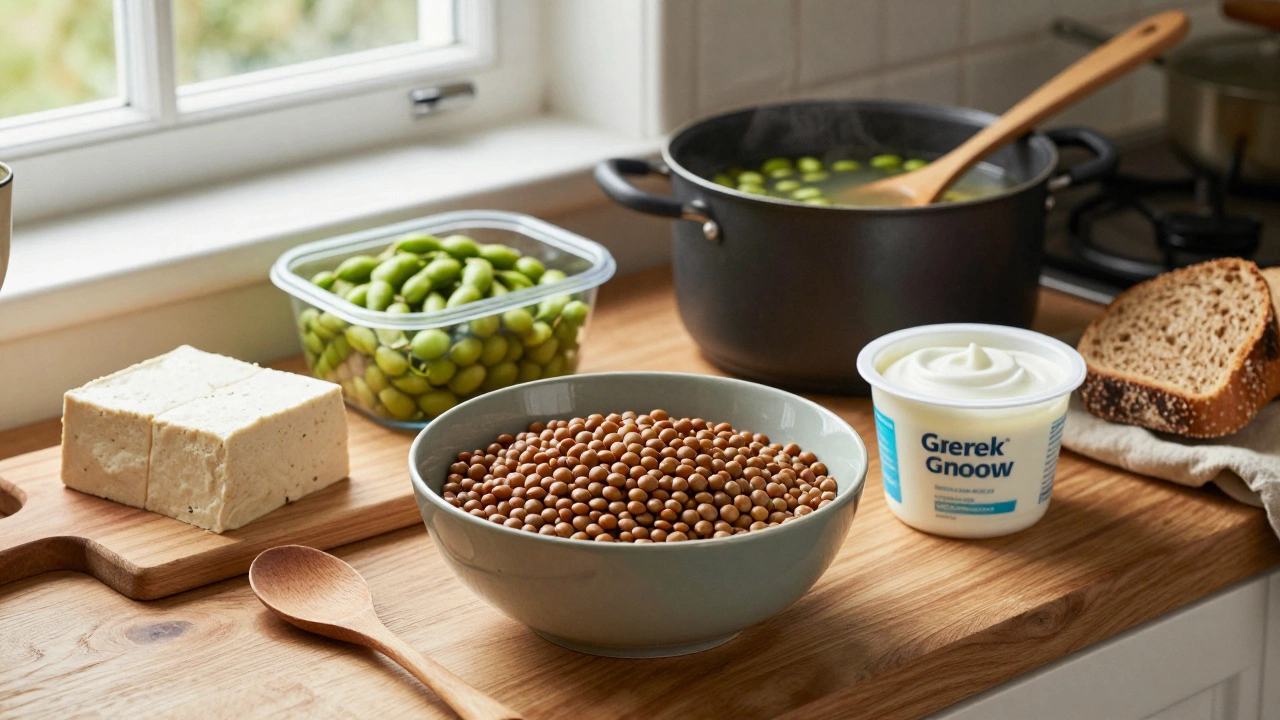
Most people think protein = chicken breast, steak, or fish. But that’s a myth built by decades of advertising. The truth? A cup of cooked lentils has 18 grams of protein. A half-cup of firm tofu? Around 10 grams. Two tablespoons of peanut butter? 8 grams. These aren’t obscure superfoods-they’re staples in kitchens from Delhi to Detroit.
Even vegetables have protein. Broccoli? 3 grams per cup. Spinach? 5 grams per cooked cup. It’s not enough to be your main source, but it adds up. And when you combine foods-like rice and beans, or hummus and whole wheat pita-you get a complete amino acid profile. No need to obsess over every meal. Just eat a variety over the day.
Top 5 protein-rich vegetarian foods
Here’s what actually works in real kitchens:
- Lentils - 18g per cooked cup. They’re cheap, cook fast, and work in soups, curries, or even veggie burgers.
- Tofu and tempeh - Tofu gives you 10g per half-cup; tempeh gives you 15g. Both soak up flavors like a sponge. Try marinating tempeh in soy sauce and maple syrup, then pan-frying it.
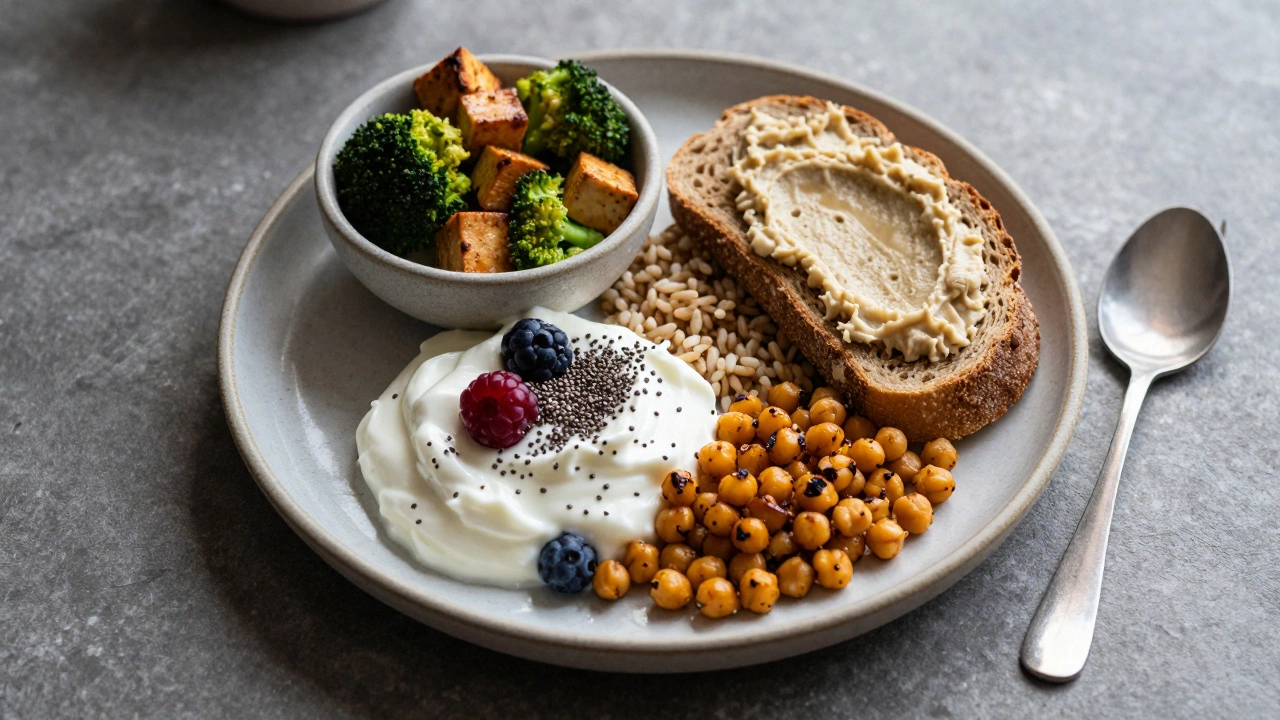
- Chickpeas - 15g per cooked cup. Roast them for crunch, blend them into hummus, or toss them into salads.
- Quinoa - 8g per cooked cup. It’s one of the few plant foods that contains all nine essential amino acids. Great as a side or base for grain bowls.
- Edamame - 17g per cooked cup. Buy it frozen, steam it for 5 minutes, sprinkle with sea salt. Done.
These aren’t fancy. You can find them at any supermarket. In Brighton, I pick up dried lentils in bulk for under £1.50 a bag. Tofu costs less than chicken breast at my local Co-op.
What about dairy and eggs?
If you’re not vegan, you’ve got two easy protein powerhouses: eggs and dairy.
- Eggs - One large egg has 6g of protein. Scramble them, boil them, or make an omelette with spinach and cheese.
- Greek yogurt - 17g per 6-ounce container. Look for unsweetened versions. Add berries and nuts for fiber and healthy fats.
- Cottage cheese - 12g per half-cup. Eat it with pineapple, or blend it into smoothies for a creamy protein boost.
- Cheese - Parmesan gives you 10g per ounce. A little goes a long way.
These aren’t just protein sources-they’re also rich in calcium, B12, and zinc, which vegetarians sometimes need to watch. A morning yogurt with a handful of almonds and a boiled egg covers half your daily protein needs without cooking a thing.
Plant-based protein myths busted
Let’s clear up the noise.
Myth 1: You need to combine proteins at every meal. This idea came from a 1970s book that’s since been disproven. Your body holds amino acids in a pool. As long as you eat different plant foods over the day-beans at lunch, nuts at snack, quinoa at dinner-you’ll get all you need.
Myth 2: Plant protein isn’t as good as animal protein. That’s not true. The quality of protein is measured by its amino acid profile. Soy, quinoa, and buckwheat are complete proteins. Even if a single food isn’t complete, eating a varied diet fixes it. The idea that plants are "inferior" was pushed by meat industries. Science doesn’t back it.
Myth 3: You need protein powders. Nope. Most vegetarians get more than enough protein from food. Powder might help athletes or people with high needs, but for 95% of people, whole foods are better. They come with fiber, antioxidants, and vitamins. Powders? Just protein.
Sample day of vegetarian protein
Here’s what a typical day looks like for someone eating real food:
- Breakfast - 1 cup Greek yogurt (17g) + 2 tablespoons chia seeds (4g) + 1 banana.
- Lunch - Lentil soup with whole grain bread (18g from lentils + 4g from bread).
- Snack - 1/2 cup edamame (8.5g) + a handful of almonds (6g).
- Dinner - Tofu stir-fry with broccoli and brown rice (15g tofu + 3g broccoli + 5g rice).
Total? Around 66 grams of protein. That’s more than the average adult needs. Women: 46g/day. Men: 56g/day. And this is without any protein powder, bars, or fancy supplements.

What about athletes or active people?
If you’re lifting weights, running marathons, or coaching soccer on weekends, you’ll need more. Maybe 1.2 to 1.6 grams of protein per kilogram of body weight. For a 70kg person, that’s 84-112g per day.
It’s still doable. Add an extra serving of tofu, a second egg, or a scoop of peanut butter to your oatmeal. A post-workout smoothie with soy milk, banana, and a tablespoon of hemp seeds gives you 15g of protein fast. No need for shakes unless you’re training 2x a day.
What to avoid
Not all vegetarian foods are protein-rich. Watch out for:
- Fruit-heavy diets (apples, bananas, oranges) - low in protein
- White bread and pastries - carbs with almost no protein
- Vegetarian junk food - veggie burgers made with soy isolate and fillers can have less protein than a chicken breast
- Over-relying on cheese - high in saturated fat and sodium
Focus on whole, minimally processed foods. The closer to the ground or the plant, the better.
Why this works long-term
Vegetarians who thrive aren’t the ones counting grams. They’re the ones who enjoy their food. They eat lentil stews in winter, chickpea salads in summer, and tofu tacos on Friday nights. They snack on roasted edamame instead of chips. They don’t feel deprived-they feel energized.
Protein isn’t the only reason to go vegetarian. But it’s the one thing that stops most people before they start. Once you realize you can get more protein from a bowl of beans than from a burger, the fear disappears. And that’s when real change begins.
Can you get enough protein on a vegetarian diet without eating soy?
Yes. Soy is a great source, but it’s not required. Lentils, chickpeas, quinoa, peanuts, hemp seeds, pumpkin seeds, and dairy or eggs (if you eat them) all provide plenty of protein. A varied diet that includes legumes, whole grains, nuts, and seeds will easily cover your needs.
Do I need to take protein supplements as a vegetarian?
Almost never. Most vegetarians get enough protein from food alone. Supplements are only useful if you’re very active, recovering from illness, or have a very restricted diet. Whole foods give you fiber, vitamins, and antioxidants that powders don’t. Stick to real food unless a doctor recommends otherwise.
Is plant protein harder to digest than animal protein?
Slightly, but not enough to matter. Plant proteins sometimes come with fiber and phytates, which can slow digestion. But that’s not a bad thing-it helps regulate blood sugar and feeds good gut bacteria. Cooking, soaking, and fermenting (like making tempeh or miso) also breaks down these compounds. Most people absorb 85-90% of plant protein, which is perfectly sufficient.
How much protein should a vegetarian eat daily?
The average adult needs 0.8 grams of protein per kilogram of body weight. For a 70kg person, that’s 56g per day. Active people may need 1.2-1.6g/kg. Most vegetarian meals naturally add up to this. A typical day with beans, grains, dairy, and nuts easily hits 60-80g.
Are there any vegetarian protein sources I should avoid?
Avoid heavily processed "mock meats" that list soy isolate or wheat gluten as the first ingredient-they’re often high in sodium and low in other nutrients. Also skip sugary protein bars. Stick to whole foods: beans, lentils, tofu, eggs, dairy, nuts, seeds, and whole grains. They’re cheaper, tastier, and better for you.

Write a comment