Family Style Dinner Planner
Guest Details
Enter details to calculate recommended food quantities.
Your Plan
Shopping List Estimate
Select your options and click "Plan My Meal" to see estimates.
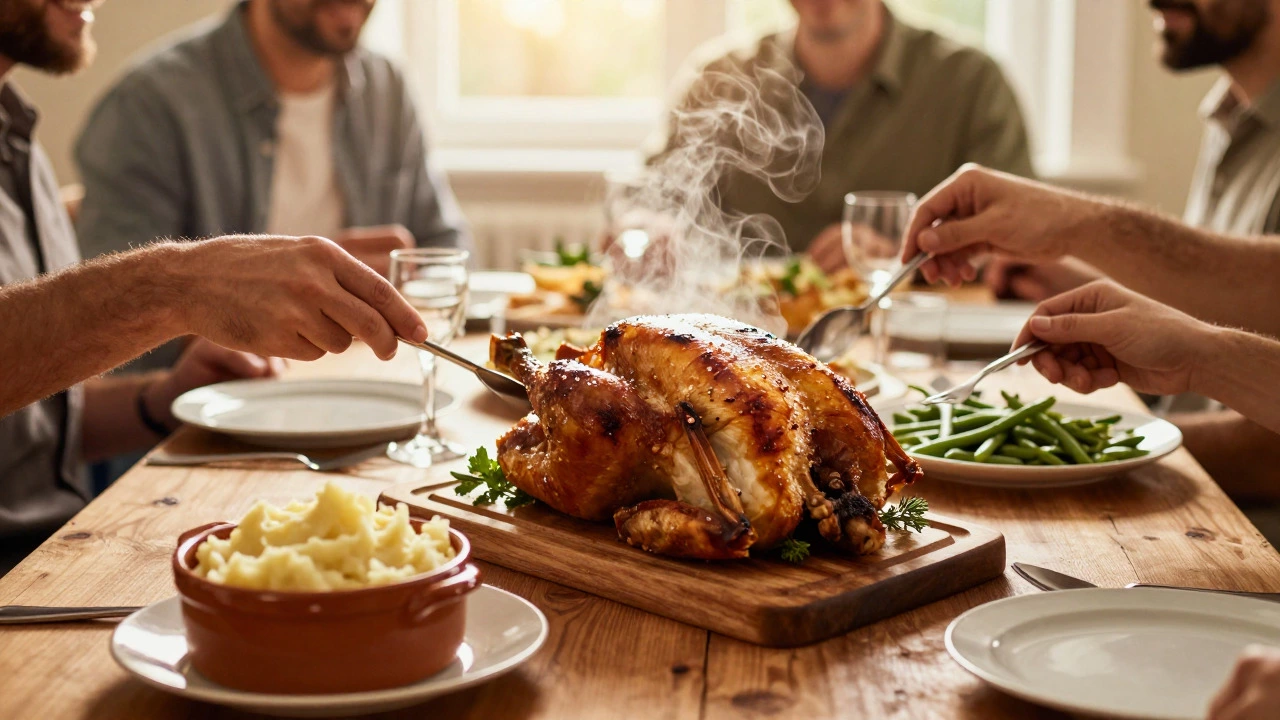
Imagine walking into a restaurant where the waiter doesn't bring you a perfectly plated portion of steak and potatoes. Instead, they set down a massive platter of roasted chicken, a bowl of creamy mashed potatoes, and a dish of green beans right in the center of the table. You reach for the serving spoon, pass the gravy boat to your left, and take what you need. This isn't just casual; it's family style, a dining method where food is served on large shared platters or bowls placed directly on the table for guests to serve themselves.
You might have experienced this at a wedding reception, a holiday gathering, or even a cozy dinner with close friends. But what exactly defines this approach, and why are more households bringing it back to their weekly routines? It’s not just about saving time on plating. It’s about changing the dynamic of how we connect over food.
The Definition: More Than Just Shared Plates
At its core, family style dining is a service style where dishes are presented in large containers on the table, allowing diners to serve themselves from common sources. This stands in direct contrast to plated service, which involves individual portions prepared and arranged by staff or hosts before being delivered to each guest.
In a plated setting, your experience is curated. The chef decides how much sauce goes on your meat. In a family style setting, you decide. You can go back for seconds without asking. You can mix and match sides. It mimics the traditional home-cooked meal structure that many of us grew up with, where the kitchen was the hub and the table was the destination.
This style is deeply rooted in cultural traditions around the world. Think of Italian famiglia dinners, Middle Eastern mezze spreads, or Chinese banquet tables. These cultures understand that food is social. By removing the barrier of individual plates, you remove the formality that often keeps conversation stiff.
Why Choose Family Style for Your Next Dinner?
If you’re hosting a dinner party or trying to improve your family’s weekly routine, switching to family style offers distinct advantages. It’s not just a trend; it’s a practical solution to modern dining stress.
- Reduced Host Stress: You don’t need to worry about perfect portion control or timing every single plate. As long as the main dishes are hot and ready, everyone eats together. There’s no rush to clear dirty plates between courses.
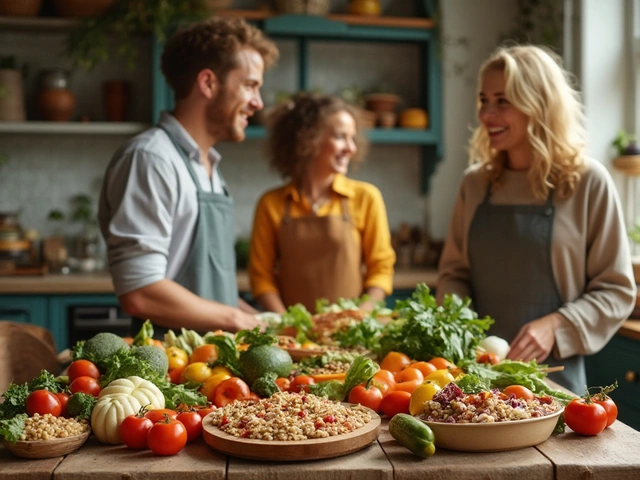
- Encourages Conversation: When people aren’t focused on their own isolated plate, they look up more. Passing dishes creates natural interaction. “Pass the salt,” or “Can I get some more rice?” breaks the ice immediately.
- Accommodates Different Appetites: Everyone has different hunger levels. A child might want only bread and cheese, while an adult wants three helpings of pasta. Family style lets everyone eat according to their body’s needs without waste or pressure.
- Cost-Effective: Cooking in bulk is often cheaper per serving than preparing individual gourmet presentations. You buy ingredients in larger quantities, which usually lowers the unit cost.
For busy parents, this means less time in the kitchen during the actual mealtime. You set the table, put the pots down, and sit. That’s it. No running back and forth to refill glasses or scrape leftovers onto new plates.
Family Style vs. Other Dining Methods
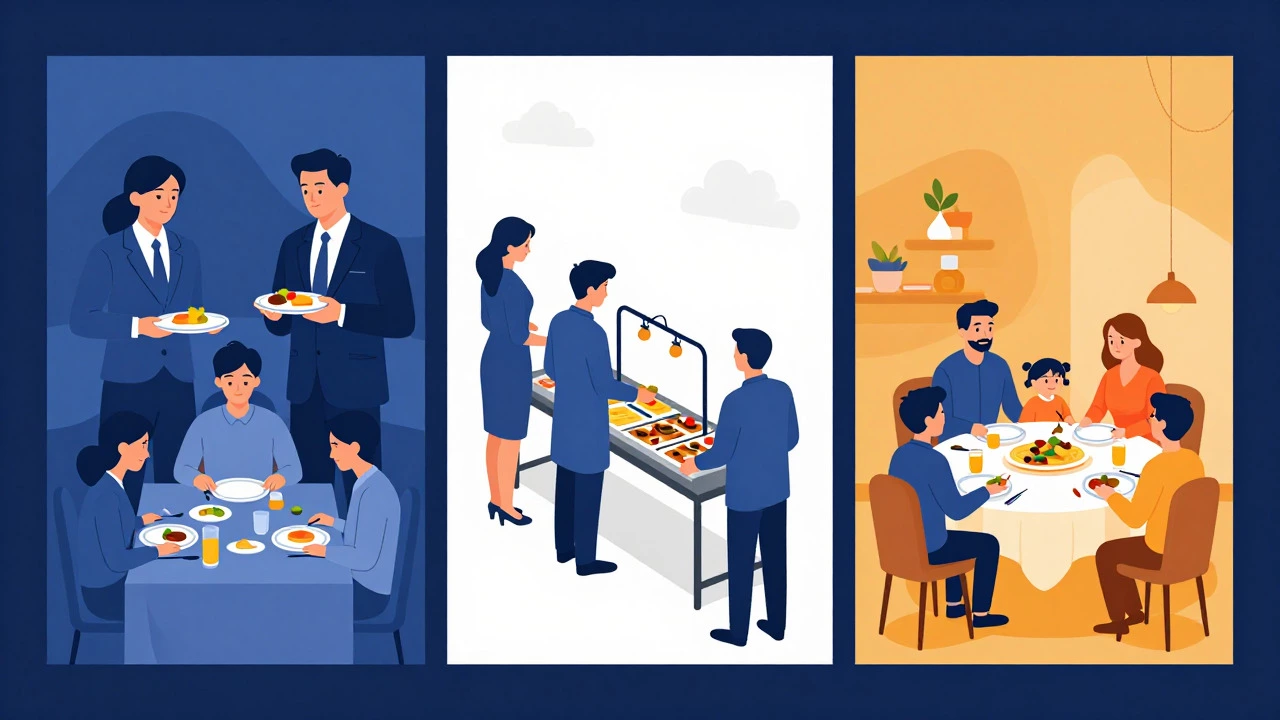
To truly understand the value of family style, it helps to compare it with other common service styles. Each has its place, but they create very different atmospheres.
| Service Style | Description | Best For | Host Effort |
|---|---|---|---|
| Family Style | Large dishes on the table; self-service | Families, casual parties, large groups | Medium (prep heavy, serving light) |
| Plated Service | Individual portions served by host/staff | Formal events, romantic dinners, business meals | High (timing and presentation critical) |
| Buffet Style | Food displayed on a separate counter/table; guests queue | Weddings, corporate events, potlucks | Low (during meal), High (setup) |
| Couch Potato Style | Individual bowls/plates handed out; stay seated | Movie nights, quick weeknight dinners | Low |
Notice the difference between buffet style and family style. In a buffet, guests leave the table to get food. This fragments the group. In family style, everyone stays seated. The food comes to them, keeping the social circle intact. This is a crucial distinction for anyone looking to foster connection rather than just feed a crowd.
How to Set Up a Successful Family Style Meal
Transitioning to family style requires a bit of planning, but it’s straightforward. The goal is abundance and accessibility. Here is how to execute it flawlessly.
- Choose the Right Vessels: Avoid small bowls. Use large roasting pans, wide casserole dishes, or deep serving platters. If the dish looks empty, people will feel anxious about taking more. Visual abundance encourages generosity.
- Provide Proper Utensils: This is the most overlooked step. Place serving spoons, tongs, or forks directly in or next to each dish. Never assume guests will use their personal cutlery to dig into a communal pot. It’s unhygienic and awkward.
- Plan for Seconds: Cook slightly more than you think you need. In family style, seconds are expected. If you run out of mashed potatoes halfway through, the mood shifts. A little extra ensures no one feels shortchanged.
- Arrange for Flow: Place dishes so they are easy to reach from all sides. If you have a long rectangular table, place key items like bread and salad in the center or at both ends. Avoid placing the most popular item at one end where half the table has to stretch.
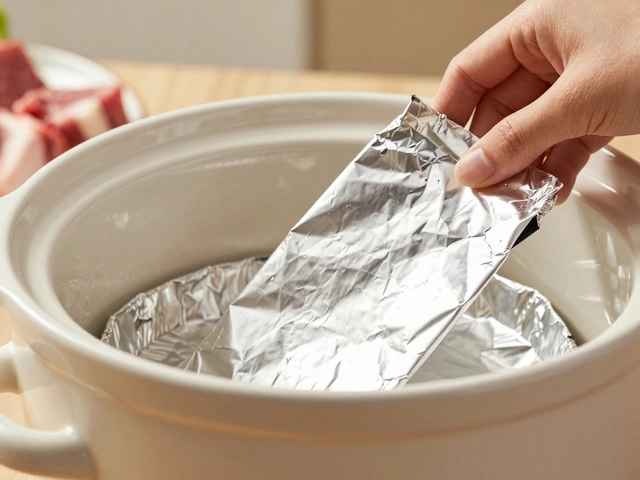
- Keep Things Warm: Use chafing dishes, slow cookers, or warm oven settings if possible. Cold food on a platter kills the vibe. If you’re using a slow cooker, bring it to the table still plugged in (with a safe cord setup) or transfer to a warmed serving dish.
Easy Family Style Meal Ideas
You don’t need a complex menu to pull this off. In fact, simpler menus work better because they allow for easier sharing. Here are three reliable ideas that translate well to the family style format.
1. The One-Pot Pasta Feast
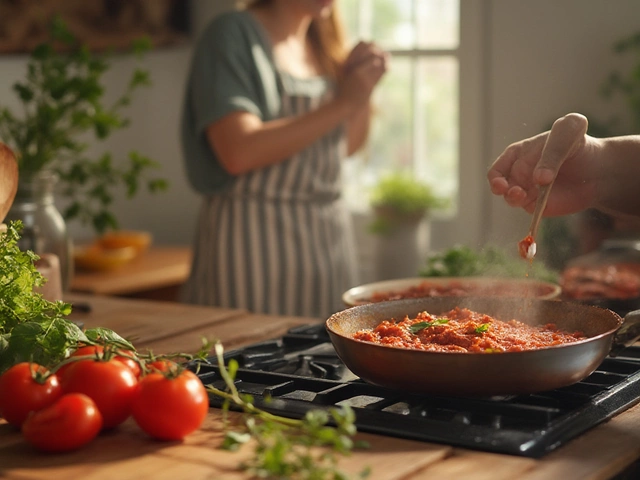
Cook a large batch of pasta-penne or rigatoni works best-and toss it with a robust marinara sauce, sautéed vegetables, and ground meat or lentils for vegetarians. Serve in a large shallow baking dish. Pair it with a simple side of garlic bread and a Caesar salad tossed in a large bowl. This is comforting, cheap, and universally loved.
2. Taco Bar Night
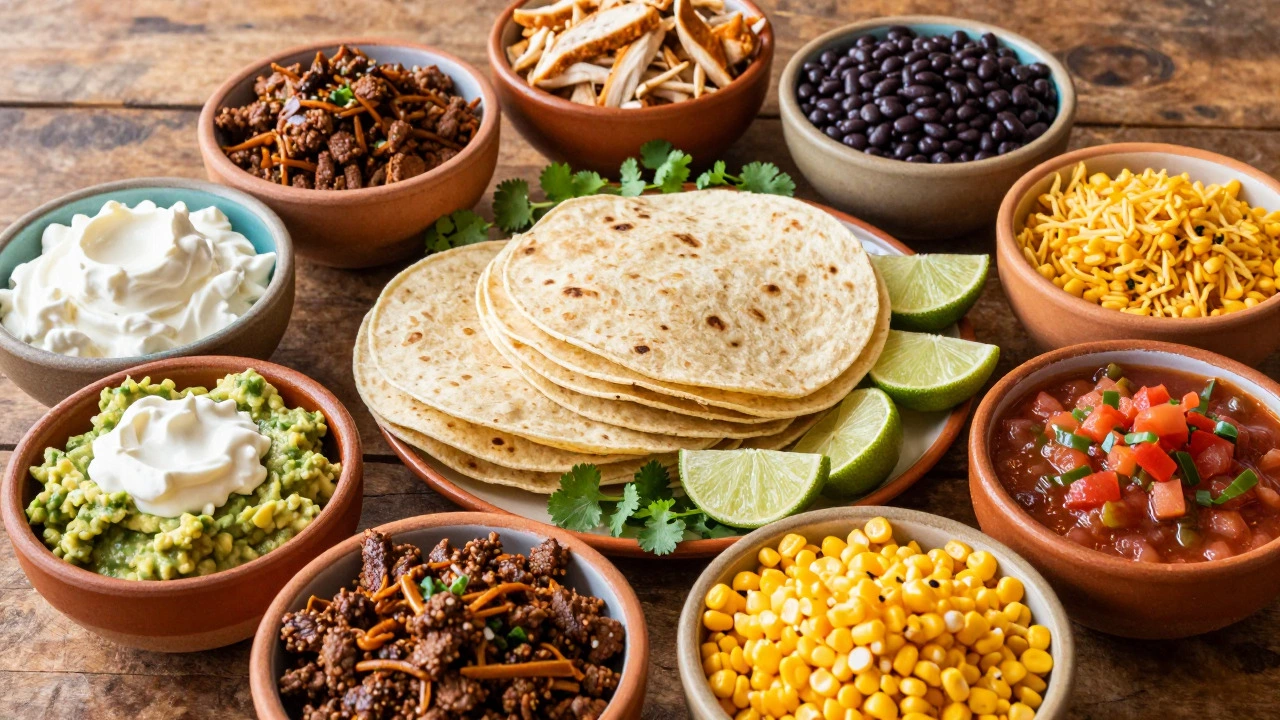
Tacos are inherently family style. Set out bowls of seasoned ground beef, shredded chicken, black beans, rice, corn, salsa, guacamole, cheese, and sour cream. Provide a stack of hard shells and soft tortillas. Let everyone build their own. This adds an interactive element that kids especially enjoy, and it naturally accommodates dietary restrictions (like dairy-free or gluten-free) without special preparation.
3. Roast Chicken with Root Vegetables
Roast two whole chickens or a large turkey breast alongside carrots, parsnips, and potatoes. The juices from the meat flavor the vegetables, creating a cohesive flavor profile. Serve the chicken on a carving board with a knife and fork, and the veggies in a large bowl. Add a jar of cranberry sauce or gravy. This feels festive but requires minimal active cooking time.
Navigating Dietary Restrictions
A common concern with shared plates is cross-contamination. If you have guests with allergies, family style can seem risky. However, with minor adjustments, it remains safe and inclusive.
Label your dishes clearly. A small card indicating “Gluten-Free” or “Contains Nuts” prevents accidental mistakes. If someone has a severe allergy, consider placing their specific allergen-free options on a separate section of the table or providing them with dedicated serving utensils to avoid cross-contact from shared spoons.
Another strategy is to keep components separate. Instead of mixing nuts into a salad, serve the nuts on the side. This allows those who can eat them to add them, while others avoid the risk entirely. Communication is key here. Ask your guests ahead of time about major restrictions so you can plan accordingly.
The Social Psychology of Sharing Food
There is a reason family style dining makes people feel closer. Psychologists suggest that shared activities increase bonding. Eating is a primal activity, and doing it communally signals trust and belonging.
When you pass a dish to someone, you are performing a small act of care. You are acknowledging their presence and their needs. This subtle interaction builds rapport faster than sitting in silence across from a plated meal. In a world where screen time often dominates dinner tables, family style forces a physical engagement with the meal and each other.
It also democratizes the dining experience. In formal settings, the host controls the narrative. In family style, the guests participate. This shift in power dynamics can make introverts feel more comfortable because they control their own intake, while extroverts enjoy the constant flow of interaction.
Troubleshooting Common Issues
Even with the best intentions, things can go wrong. Here are solutions to frequent problems.
Problem: Someone takes too much.
Solution: Don’t police it. If there’s enough for everyone, let it go. If portions are running low, simply announce, “Who else wants a refill?” and go to the kitchen to heat up more. Transparency reduces anxiety.
Problem: Food gets cold.
Solution: Start with hot dishes. If you’re serving cold salads, ensure the room isn’t freezing. For hot mains, consider using thermal serving ware or warming trays if the meal stretches longer than an hour.
Problem: Messy spills.
Solution: Provide plenty of napkins. Family style is messier than plated service. Accept this as part of the charm. Keep a roll of paper towels nearby for quick clean-ups, but don’t let perfectionism stop you from enjoying the meal.
Conclusion: Bringing People Together
Family style dining is more than a service method; it’s a philosophy of hospitality. It prioritizes connection over presentation, abundance over restriction, and comfort over formality. Whether you’re feeding a household of four or a party of twenty, adopting this style can transform your meals from a chore into a cherished ritual.
Next time you plan a dinner, skip the individual plating. Put the big pot on the table, hand out the serving spoons, and watch the conversation flow. You might find that the best part of the meal isn’t the food itself, but the way it brings everyone together.
What is the difference between family style and buffet style?
In family style dining, food is placed directly on the table where guests are seated, allowing them to serve themselves without leaving their seats. Buffet style requires guests to leave the table, stand in line, and fill their own plates at a separate station. Family style keeps the group together socially, while buffet style fragments the group.
Is family style dining hygienic?
Yes, provided that proper serving utensils are used. Each dish should have its own spoon, tongs, or fork designated for serving. Guests should never use their personal eating utensils to scoop from communal dishes. Using dedicated servers prevents cross-contamination and maintains hygiene.
How do I handle dietary restrictions with family style meals?
Communicate with guests beforehand about allergies. Label dishes clearly with ingredients. To avoid cross-contamination, keep allergens separate (e.g., serve nuts on the side rather than mixed in). Provide dedicated serving utensils for allergen-free dishes if necessary.
What are some easy family style dinner ideas?
Great options include taco bars, large batches of pasta with sauce, roast chicken with vegetables, chili with toppings, or curry with rice. These dishes scale easily, stay warm well, and encourage sharing. They also accommodate various tastes and appetites effortlessly.
Can family style be used for formal events?
Yes, but it requires elegant presentation. Use high-quality serving ware like silver platters or ceramic crocks. Ensure the food is visually appealing and abundant. While less formal than plated service, it can still feel sophisticated and is often preferred for its relaxed, convivial atmosphere at weddings and galas.
How much food should I prepare for a family style meal?
Plan for slightly more than you would for plated service. Since seconds are common and visual appeal matters, aim for 1.5 times the standard portion size per person. It’s better to have leftovers than to run out of food midway through the meal, which can cause embarrassment and hunger.


Write a comment