Pasta Flavor Upgrade Calculator
Current Cooking Habits
Select the options that match how you currently prepare pasta.
Your Pasta Score
Recommended Upgrades:
Select your habits on the left to see how to transform your pasta from bland to brilliant.
There is nothing worse than spending twenty minutes boiling water and stirring noodles only to end up with a plate of bland, slippery sadness. We have all been there. You buy the jarred sauce because you are tired, you cook the pasta according to the box instructions, and the result tastes like wet cardboard with a hint of tomato paste. It happens to the best of us, but it does not have to stay that way.
The secret to transforming ordinary noodles into a restaurant-quality meal rarely involves expensive ingredients or complicated techniques. Instead, it comes down to understanding how flavors build and how textures interact. By making small adjustments to your process, you can elevate even the simplest dish from forgettable to unforgettable. Here is how you can fix your pasta game right now.
Stop Draining Your Pasta Completely
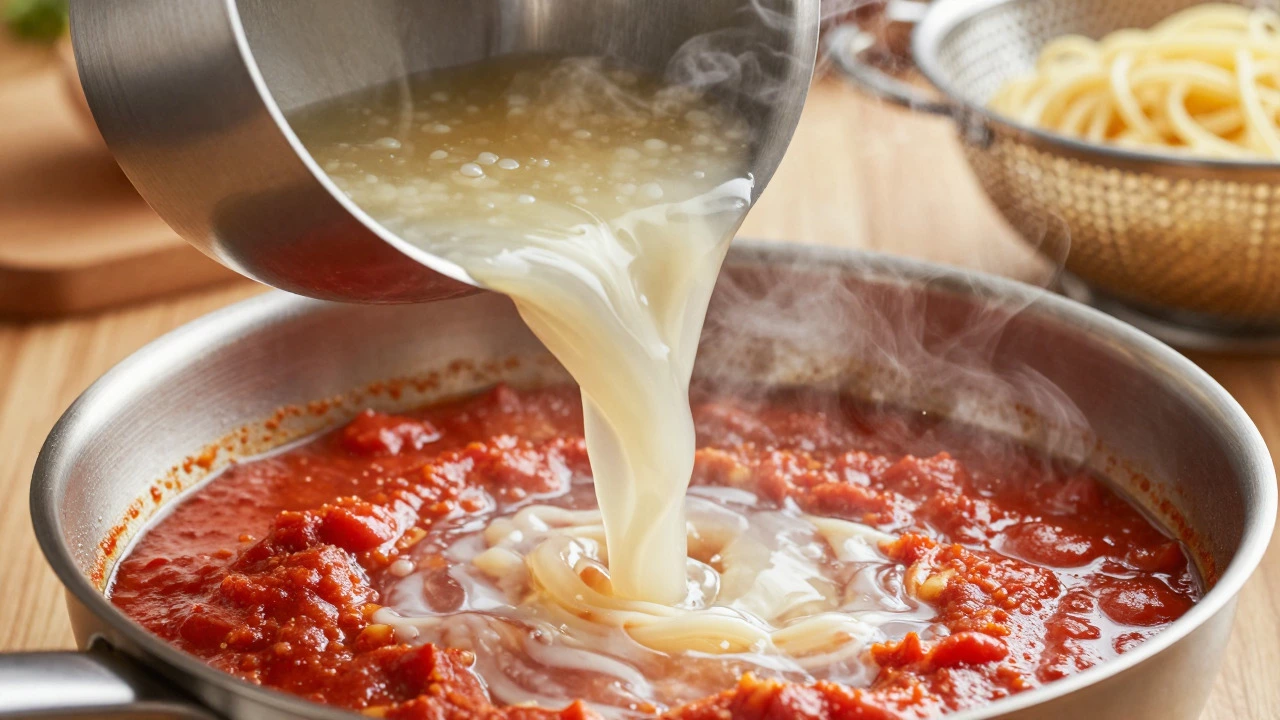
If you take only one thing away from this guide, let it be this: save your pasta water. Most home cooks drain their noodles completely dry before adding sauce, which is a critical mistake. That starchy, cloudy liquid is pure gold in the kitchen. It contains dissolved starch from the noodles, which acts as an emulsifier.
When you add a splash of this water to your sauce, it helps bind the oil and water components together, creating a creamy, cohesive coating that clings to every strand. Without it, your sauce tends to slide off the noodles and pool at the bottom of the bowl. Reserve about one cup of the cooking water before draining. Use it gradually while tossing the pasta with your sauce in the pan. This technique, known as mantecatura in Italian cuisine, is the difference between separate ingredients and a unified dish.
Sauté Aromatics Before Adding Sauce
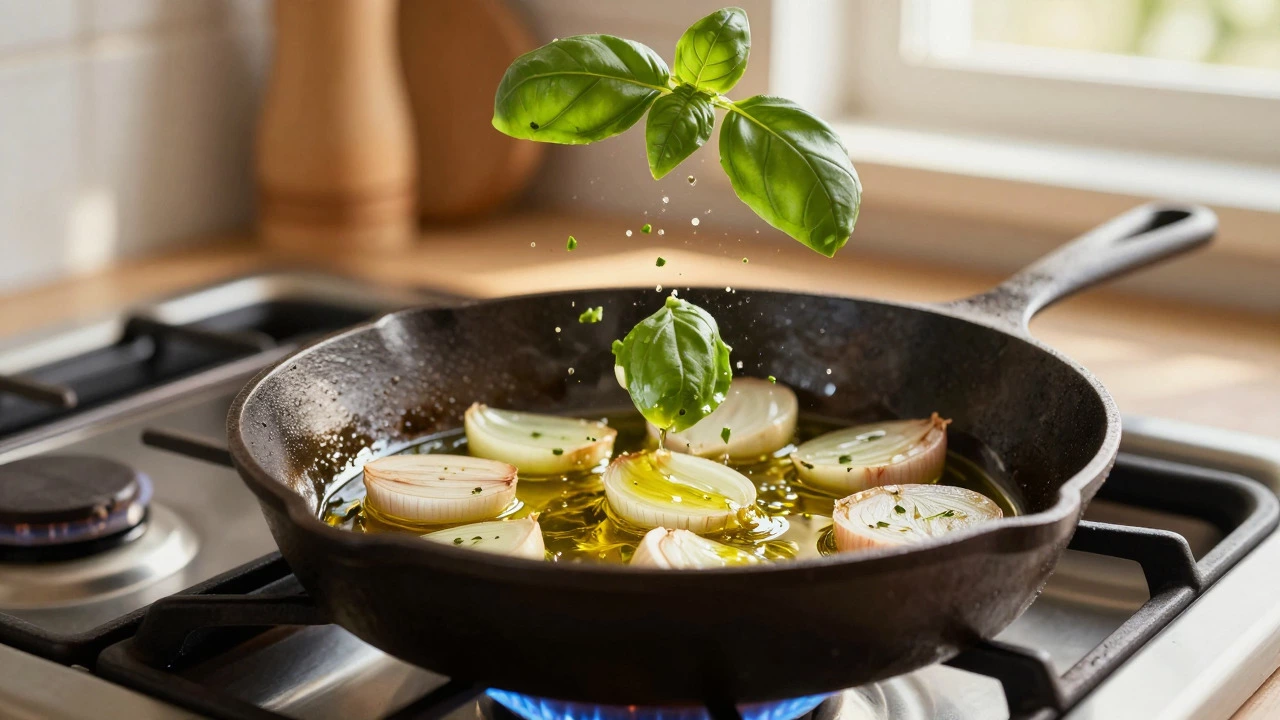
Many people treat sauce as a standalone product that just needs heating up. But flavor has depth, and that depth starts with aromatics. Before you ever touch a jar of sauce or start chopping tomatoes, heat some olive oil or butter in your pan and sauté garlic, onions, or shallots until they are soft and fragrant.
This step builds a flavor foundation that instant sauces simply cannot match. If you are using a jarred sauce, pour it over these softened aromatics and let it simmer for five minutes. The raw edge of the canned tomatoes will disappear, and the sweetness of the onions will permeate the entire dish. For fresh herbs like basil or parsley, wait until the very end. Heat kills their delicate oils, so stir them in after you turn off the stove to keep their bright, grassy notes alive.
Add Fat for Richness and Mouthfeel
Pasta is essentially carbohydrates, which can feel flat on the palate without enough fat. Fat carries flavor and provides a luxurious mouthfeel that makes food satisfying. Do not skimp on the finishing touches. A high-quality extra virgin olive oil drizzled over the top adds fruitiness and pepperiness that cheap oil lacks.
Consider adding a knob of cold butter at the end of cooking. This creates a glossy sheen and rounds out acidic flavors in tomato-based sauces. For creamier dishes, a dollop of mascarpone or ricotta stirred into the hot pasta will make it incredibly silky. Even a sprinkle of nutritional yeast can add a cheesy, umami richness for those avoiding dairy. The key is to add fat at the end, not during the boiling stage, so it coats the noodles rather than being washed away.
Incorporate Umami Bombs
Umami is the fifth taste, often described as savory or meaty, and it is essential for making vegetarian pasta taste substantial. You do not need meat to achieve this. Anchovy paste might sound intimidating, but when melted into a tomato sauce, it dissolves completely and adds a deep, salty complexity without tasting fishy. Miso paste is another powerful tool; a teaspoon stirred into a cream sauce adds incredible depth.
Dried mushrooms, rehydrated in hot water, release a potent earthiness that can be strained into your sauce. Parmesan rinds are perhaps the easiest hack. Save the hard outer shell of your cheese wheel and drop it into any simmering sauce. It infuses the liquid with a nutty, salty richness that elevates the entire dish. Remove the rind before serving, but leave the flavor behind.
Vary Your Textures
A common complaint about homemade pasta is that it feels mushy or uniform. To combat this, introduce contrasting textures. Crunch is your friend. Toasted breadcrumbs, fried garlic chips, or crushed nuts like pine nuts or walnuts add a necessary crunch that cuts through the softness of the noodles.
Fresh vegetables also provide textural variety. Roasted broccoli stems, charred zucchini, or blistered cherry tomatoes offer bites that are firm and flavorful, preventing the dish from feeling monotonous. Even something as simple as adding fresh peas or corn kernels at the last minute introduces a pop of sweetness and texture that keeps each bite interesting.
Choose the Right Cheese
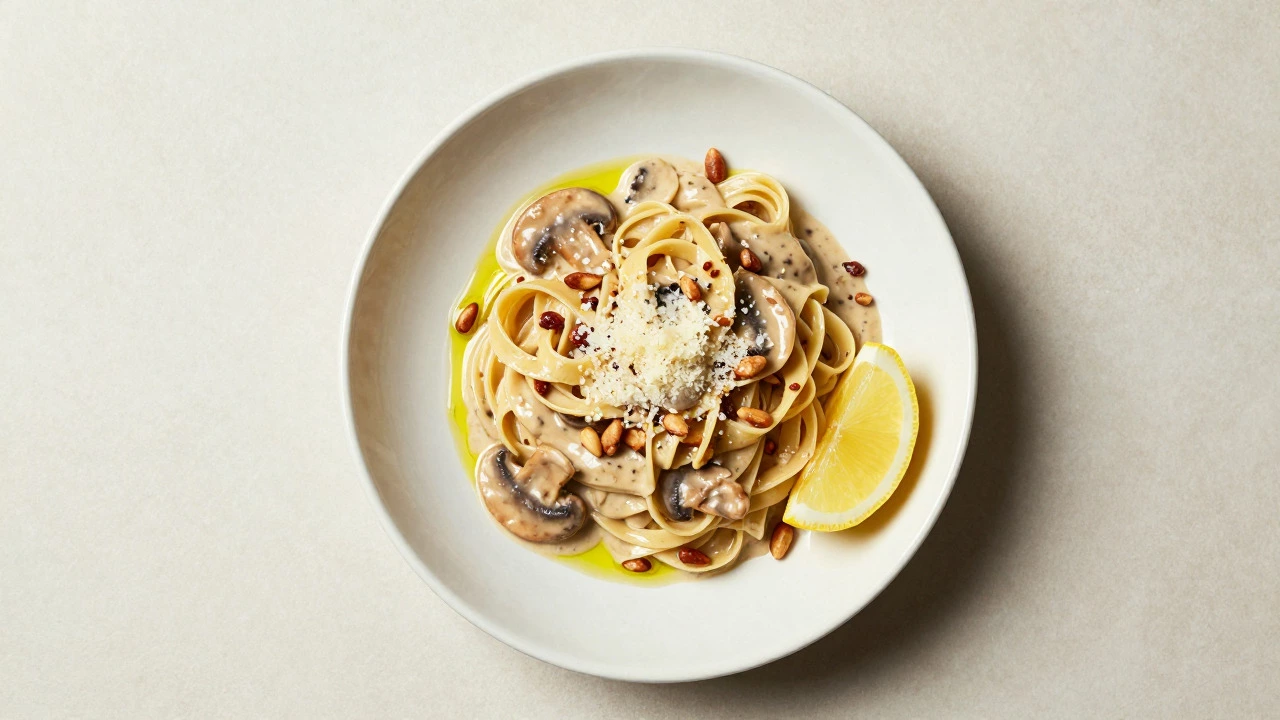
Not all cheeses are created equal for pasta. Pre-grated cheese in the shaker cans is coated with cellulose to prevent clumping, which means it never melts properly and tastes waxy. Buy a block of cheese and grate it yourself. The difference is night and day.
Parmigiano-Reggiano is the gold standard for its sharp, crystalline crunch and intense savoriness. Pecorino Romano offers a sharper, saltier punch that pairs beautifully with robust tomato sauces. For milder dishes, Asiago or Fontina melt beautifully and add a creamy element. Remember to add cheese off the heat. High temperatures can cause cheese proteins to seize up, resulting in a grainy, separated mess instead of a smooth sauce.
Experiment with Acid
If your pasta tastes heavy or dull, it likely needs acid. Acid brightens flavors and cuts through richness, waking up your taste buds. A squeeze of fresh lemon juice over a pesto or cream sauce adds a vibrant lift that balances the heaviness of the fats. Vinegar is another powerful tool; a dash of red wine vinegar in a tomato sauce or a splash of balsamic glaze over carbonara can transform the profile entirely.
Even a pinch of citric acid or a few drops of aged balsamic can make a significant difference. Taste your dish before serving. If it feels "off" or flat, try a tiny splash of acid. It is often the missing link between good and great.
| Pasta Type | Best Flavor Pairing | Texture Add-In | Acid Source |
|---|---|---|---|
| Spaghetti | Garlic, Olive Oil, Chili Flakes | Toasted Pine Nuts | Lemon Zest |
| Penne | Tomato, Basil, Ricotta | Crispy Pancetta | Balsamic Glaze |
| Fettuccine | Butter, Cream, Mushrooms | Fried Shallots | White Wine |
| Linguine | Clams, White Wine, Garlic | Capers | Lemon Juice |
Master the Cooking Time
Finally, respect the al dente principle. Al dente means "to the tooth," indicating that the pasta should still have a slight firmness in the center. Overcooked pasta turns mushy and loses its ability to hold sauce. Check the package time, but start tasting two minutes early. Since you will finish cooking the pasta in the sauce, you want it slightly underdone when it leaves the pot. This final minute in the pan allows the noodles to absorb the flavors of the sauce while reaching the perfect texture.
Making pasta more interesting is not about reinventing the wheel. It is about paying attention to the details that most people skip. Save the water, sauté the garlic, add the fat, and don't forget the acid. These small steps require minimal effort but yield massive results. Your next bowl of pasta will not just fill you up; it will satisfy you.
Why does my pasta sauce always slide off the noodles?
This usually happens because the pasta was drained completely dry and lacked starch to help the sauce adhere. Always reserve a cup of starchy pasta water and toss the noodles with the sauce in the pan, adding splashes of water to create an emulsion that coats the pasta evenly.
Can I use pre-grated cheese for better melting?
Pre-grated cheese contains anti-caking agents like cellulose, which prevent it from melting smoothly. For the best texture and flavor, buy a block of cheese and grate it yourself just before serving. This ensures a creamy consistency and superior taste.
What is the best way to add umami to vegetarian pasta?
You can boost umami by adding anchovy paste, miso paste, dried mushroom powder, or simmering a Parmesan rind in your sauce. These ingredients provide deep savory notes without using meat, enhancing the overall flavor profile significantly.
Should I rinse my pasta after cooking?
Generally, no. Rinsing removes the surface starch that helps sauce stick to the noodles. Only rinse pasta if you are making a cold pasta salad, where you want to stop the cooking process and prevent sticking.
How do I know if my pasta is al dente?
Al dente pasta should be tender but still have a slight firmness or resistance when bitten. Cut a noodle in half; the center should have a tiny white dot. If it is fully translucent and soft throughout, it is overcooked. Start tasting two minutes before the package suggests.
What is mantecatura?
Mantecatura is an Italian technique involving the vigorous tossing of cooked pasta with sauce and starchy cooking water to create a creamy, emulsified coating. This step is crucial for binding flavors and achieving a restaurant-quality texture.




Write a comment