Dessert Cost & Value Estimator
Enter your recipe details below to see how much your "luxury" dessert actually costs per serving. Remember: Time is money!
| Item | Cost (£) | |
|---|---|---|
| Base Ingredients Total: | £0.00 | |
Estimated Cost Breakdown
Ingredients Cost
£0.00
Labor Value
£0.00
Luxury Add-ons
£0.00
Total Recipe Cost
£0.00
You might think a fancy restaurant plate with edible gold and exotic fruits is the peak of culinary spending. But when you actually sit down with a calculator and your grocery list, the math tells a different story. The most expensive dessert isn't just about one ingredient; it's about the cumulative weight of rare, labor-intensive components that turn sugar into status symbols.
Here is the quick reality check on what drives up the bill:
- Rare Spices: Saffron can cost more per gram than gold by volume in some markets.
- Luxury Add-ons: Edible gold leaf adds pure material cost with zero flavor.
- Perishable Rarity: White truffles or specific caviars used in savory-sweet fusion dishes degrade quickly, wasting money if not served instantly.
- Labor Intensity: Multi-day preparations like laminated doughs for croissants or tempering chocolate consume hours of skilled time.
Why Ingredients Drive the Price Tag
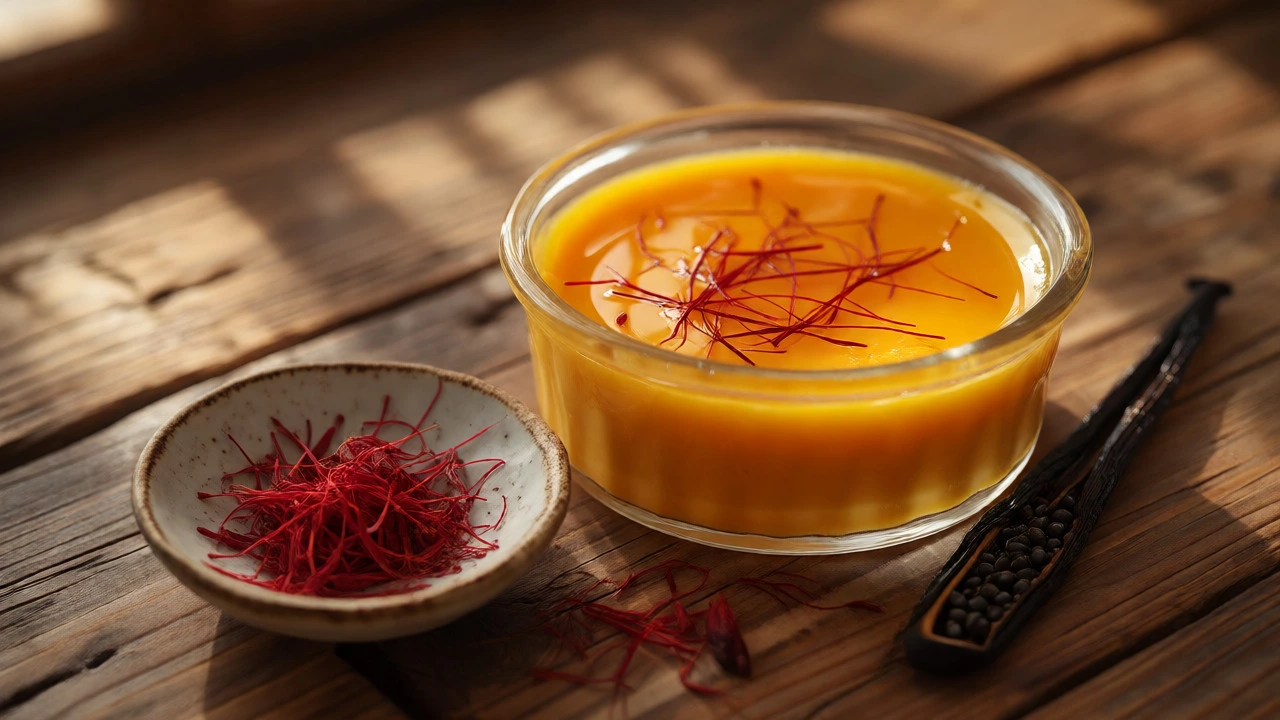
Let's break this down. When home cooks ask what makes a dessert pricey, they usually point to the final plating. But the real hit comes from the raw materials. Take Saffron. It is a spice derived from the Crocus sativus flower. Each flower produces only three stigmas, which must be harvested by hand. This labor intensity pushes prices to around $5 to $10 per gram at retail. For a single serving of saffron rice pudding, you might use 0.1 grams. That sounds cheap until you realize a standard pinch for a whole batch could easily exceed $1. Now multiply that by the cost of high-fat cream, organic eggs, and premium milk. Suddenly, a simple custard costs as much as a main course.
Then there is vanilla. Not the synthetic vanillin in cheap ice cream, but real Madagascar Bourbon Vanilla Beans. These pods are cured over months. Prices fluctuate wildly based on weather events in Madagascar. In recent years, we've seen spikes where a single pod costs $10 or more. If you're making a crème brûlée for six people, you need two to three pods. That's $30 just for the flavor base before you add the sugar and dairy.
The Gold Standard: Edible Metals
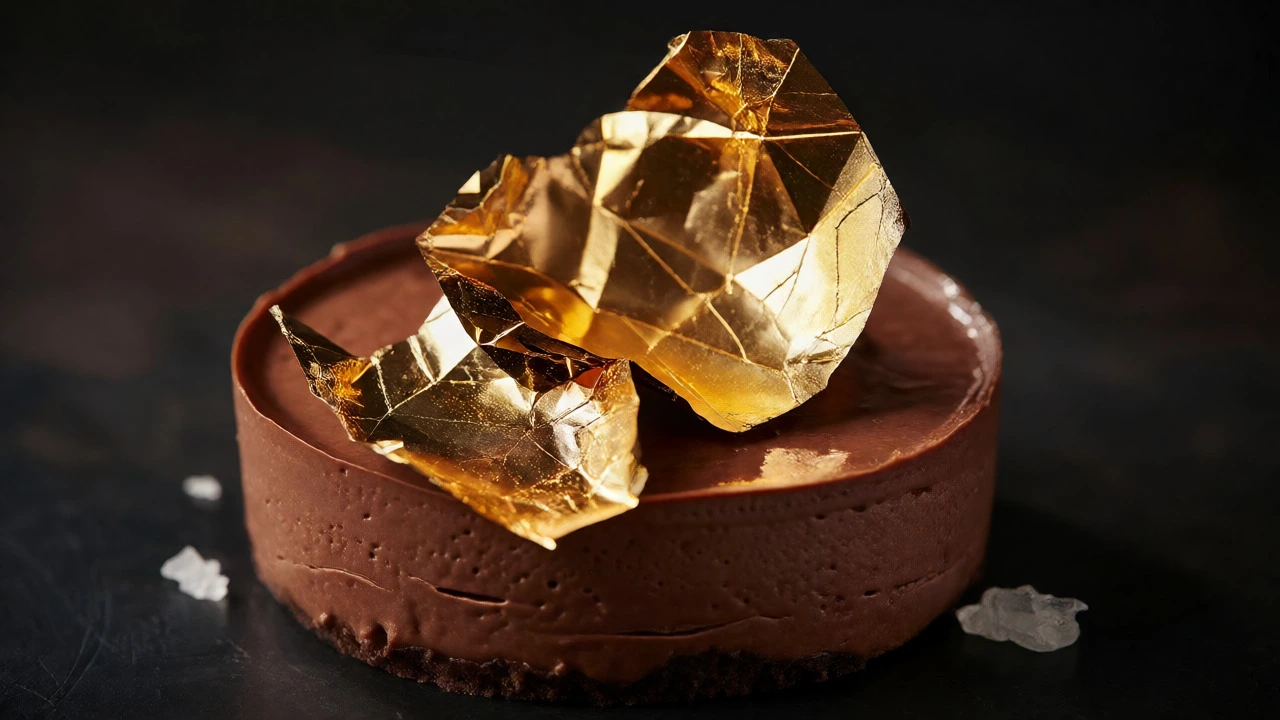
If you want literal expense, look no further than Edible Gold Leaf. This is 24-karat gold, hammered so thin it becomes translucent. It has no taste. It adds no texture. Its sole purpose is visual impact. A small packet covering a single cake might cost $15 to $25. Why do people pay this? Because perception drives value. When you put gold on a dessert, you signal luxury. Restaurants charge premiums for this effect, passing the cost to you. At home, using gold leaf on a basic chocolate mousse doesn't make the mousse better. It just makes the receipt longer.
Is it worth it? Only if you are photographing it for Instagram or hosting a gala where optics matter more than palate. For daily enjoyment, skip the metal. Save that cash for better chocolate.
Fruit That Costs More Than Meat
Certain fruits carry a price tag that rivals fine steak. Think about Yubari King Melons. Grown in greenhouses in Hokkaido, Japan, these melons are auctioned for thousands of dollars each. While you won't find them in every UK supermarket, imported premium fruits often command high fees. A box of Japanese strawberries (like Amaou variety) can cost £20 for a handful. Using these in a tart means the fruit itself is the main event, not an accent.
Compare this to local British strawberries in June. They are sweet, abundant, and cheap. The difference isn't always quality; it's scarcity and marketing. If you want an expensive dessert without breaking the bank, avoid out-of-season imports. Wait for local harvests. Your wallet will thank you, and your taste buds likely won't notice the difference unless you're comparing side-by-side in a blind test.
Labor: The Hidden Ingredient
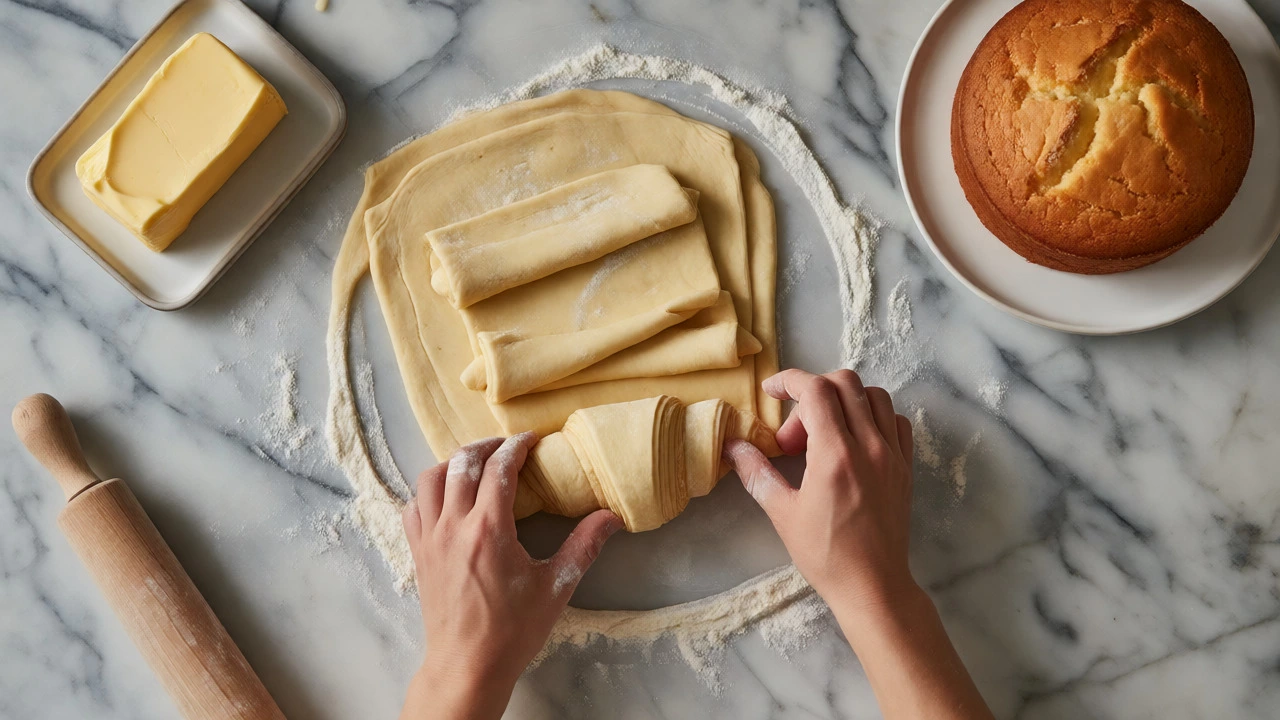
We often forget time is money. Consider a classic Croissant. Technically a pastry, often served as dessert with jam or cream. Making proper laminated dough requires folding butter into dough multiple times, resting it between folds, and chilling repeatedly. This process takes 12 to 24 hours. If you value your time at £20 per hour, that's £240-£480 in labor for a batch that yields maybe twelve croissants. That's £20-£40 per croissant before ingredients.
Most home bakers don't count their own hours. But if you hire someone, or if you factor in opportunity cost, complex pastries become the most expensive items on the menu. Simple cakes win here. A Victoria sponge takes 20 minutes to mix and bake. Low labor cost, low ingredient cost, high satisfaction.
Comparing Top Contenders
Let's look at three popular "expensive" desserts side-by-side. We'll estimate costs for a standard family-sized portion (6 servings).
| Dessert Type | Key Expensive Ingredient | Estimated Ingredient Cost | Labor Time | Total Value Proposition |
|---|---|---|---|---|
| Saffron Panna Cotta | Saffron Threads ($8/g) | £15 - £20 | Low (1 hr) | High aroma, unique color, moderate effort |
| Gold-Dusted Chocolate Mousse | Edible Gold Leaf (£15/packet) | £25 - £30 | Medium (2 hrs) | Visual wow-factor, standard taste |
| Homemade Croissants | Premium Butter + Labor | £10 (ingredients) | Very High (18+ hrs) | Superior texture, high skill required |
| Vanilla Bean Crème Brûlée | Madagascar Vanilla Pods (£10/each) | £20 - £25 | Medium (3 hrs incl. chilling) | Classic luxury, excellent texture/flavor balance |
Notice how the Croissant has the lowest ingredient cost but the highest total economic cost due to time. The Gold Mousse has the highest direct cash outlay. Which is "most expensive" depends on whether you value your time or your cash flow.
How to Cut Costs Without Losing Luxury
You don't need to sell a kidney to serve impressive desserts. Here’s how to hack the system:
- Bulk Buy Spices: Don't buy tiny jars of saffron. Buy grams online from reputable suppliers like Spice Islands or specialty Indian grocers. Store in a dark jar. You'll cut costs by 50%.
- Use Extracts Wisely: For vanilla, use high-quality paste instead of beans for baking. Paste gives you visible seeds and strong flavor for less money per serving.
- Skip the Gold: Use toasted nuts, sea salt flakes, or fresh mint for garnish. These add texture and contrast for pennies.
- Local Seasonal Fruit: Buy rhubarb in spring, berries in summer, apples in autumn. They are cheap and flavorful. Out-of-season cherries in January? Overpriced and bland.
- Simplify Techniques: Choose desserts that rely on good ingredients rather than complex techniques. A perfect lemon curd made with fresh lemons and good butter beats a failed soufflé every time.
What Actually Makes a Dessert Worth It?
Price does not equal pleasure. I've eaten £50 desserts that tasted like chalk and £2 sticky toffee puddings that made me cry with joy. The secret isn't the gold leaf. It's balance. Acidity cuts richness. Salt enhances sweetness. Texture provides interest.
If you want to impress guests, focus on execution. Serve desserts at the right temperature. Use clean plates. Offer a complementary drink, like a sharp espresso or a glass of cold milk. These details cost nothing but elevate the experience significantly.
So, what is the most expensive dessert to make? Technically, a multi-component plated dessert with gold, exotic fruit, and artisanal cheese might top the chart. But practically, the most expensive mistake is buying premium ingredients for a recipe that doesn't showcase them. Don't waste saffron on a muddy chocolate cake. Let the star shine alone.
What is the single most expensive dessert ingredient?
While prices fluctuate, white truffles and certain types of caviar used in savory-sweet desserts can be the most costly by weight. However, among common baking spices, saffron is consistently the most expensive, often costing $5-$10 per gram. Edible gold leaf is also extremely costly relative to its utility, as it adds no flavor.
Why is vanilla so expensive?
Real vanilla beans require hand-pollination because natural pollinators are absent in many growing regions like Madagascar. The curing process takes several months, involving sweating, drying, and conditioning. Typhoons and political instability in major producing countries frequently disrupt supply, causing price spikes.
Is homemade dessert cheaper than store-bought?
Not always. If you buy premium ingredients like Belgian chocolate, French butter, and vanilla beans, homemade can cost more than a supermarket branded equivalent. However, for basic cakes and cookies, homemade is significantly cheaper because you avoid packaging, marketing, and retailer margins.
Does gold leaf change the taste of a dessert?
No, edible gold is biologically inert. It passes through the body undigested and has no flavor or texture. It is purely decorative. Some people report a metallic scent, but this is psychological or due to poor quality leaf, not the gold itself.
What is a good alternative to expensive saffron?
Turmeric mixed with a pinch of paprika can mimic the color of saffron, though it lacks the distinct floral aroma. For flavor, try using high-quality honey or orange blossom water in desserts where saffron was originally intended for aromatic complexity.


Write a comment