Southern Dish Selector & Cooking Guide
Select any dish below to discover essential cooking tips, key ingredients, and serving suggestions.
Fried Chicken
The Crown Jewel of Southern Cuisine
Gumbo
One-Pot Stew With Rich History
Biscuits & Gravy
Hearty Breakfast Staple
Pimento Cheese
Versatile Southern Spread
Collard Greens
Soulful Side Dish
Shrimp & Grits
Coastal Delicacy
Key Ingredients
Essential Tips
Serving Suggestion
Cultural Significance
There is a specific kind of magic in Southern cooking that goes beyond just flavor. It’s about warmth, history, and the feeling of being fed until you are absolutely full. When people talk about Southern dishes, they aren’t just talking about ingredients; they are talking about a culture built on slow cooking, resourcefulness, and deep-rooted traditions passed down through generations. Whether you grew up in Georgia or have never stepped foot in the American South, these six iconic meals offer a window into a culinary world where every bite tells a story.
Fried Chicken: The Crown Jewel of Southern Cuisine
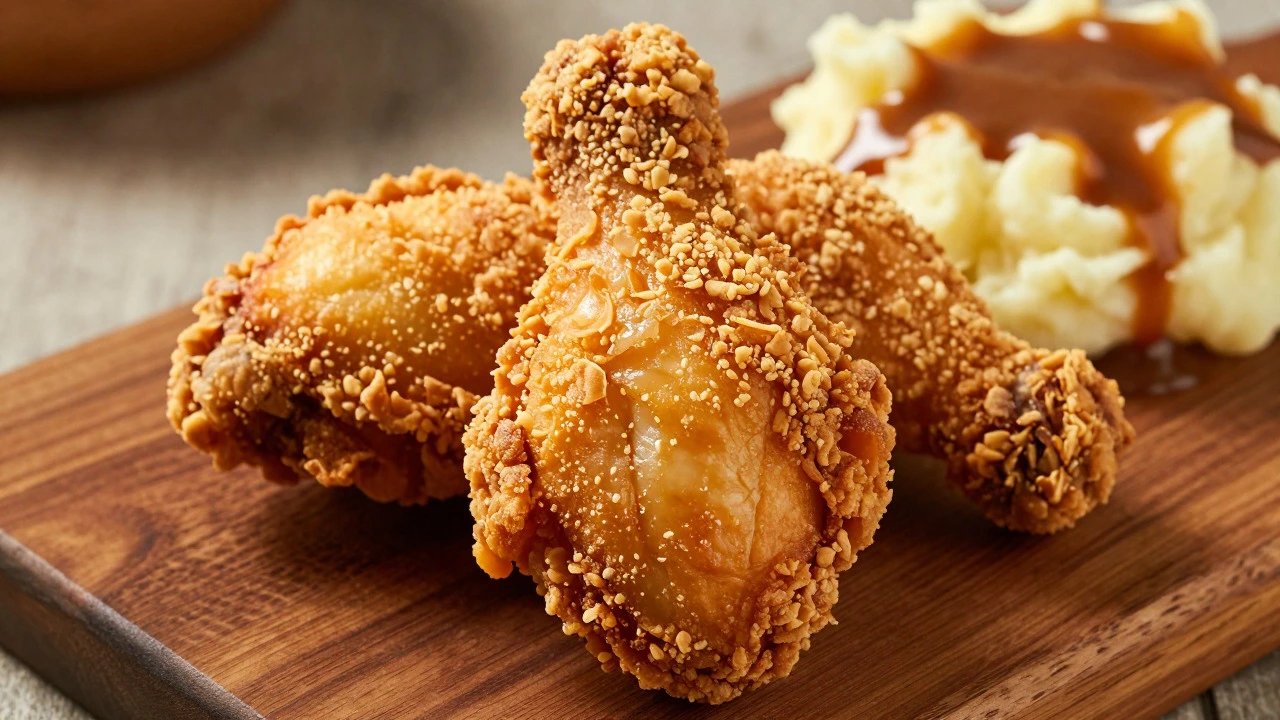
If there is one dish that defines the region, it is fried chicken. This isn’t just chicken with batter; it is an art form. The goal is always the same: juicy, tender meat encased in a crust so crispy it shatters when you bite into it. The secret lies in the brine and the dredge. Most traditional recipes start by soaking the chicken in buttermilk for at least twelve hours. The acid in the buttermilk breaks down the proteins, ensuring the meat stays moist even after hitting the hot oil.
The coating is usually a mix of flour, salt, pepper, and sometimes paprika or garlic powder. You don’t just dip the chicken; you press the flour into the meat to create ridges that become extra-crispy peaks. Cooking temperature is critical here. If the oil is too hot, the outside burns before the inside cooks. Too cool, and the chicken absorbs too much grease. Aim for around 350°F (175°C). Serve it with mashed potatoes and gravy, and you have the ultimate comfort meal.
Gumbo: The One-Pot Stew That Tells a Story
Gumbo is more than a stew; it is a reflection of Louisiana’s complex history. It blends French, African, and Native American influences into a single pot. The foundation of any good gumbo is the roux-a mixture of flour and fat cooked slowly until it reaches the color of dark chocolate. This process can take anywhere from thirty minutes to over an hour, requiring constant stirring to prevent burning. The darker the roux, the deeper the nutty flavor, but the higher the risk of ruining the batch.
Once the roux is ready, you add the "holy trinity" of Cajun and Creole cooking: onions, celery, and bell peppers. From there, the path diverges. Some gumbos feature seafood like shrimp and crab, while others use sausage, chicken, or okra. Okra acts as a natural thickener, giving the stew its signature viscous texture. Gumbo is almost always served over white rice, which soaks up the rich, spicy broth. It is a dish that tastes better the next day, making it perfect for feeding a crowd.
Biscuits and Gravy: The Hearty Breakfast Staple
In the South, breakfast is not a light affair. Biscuits and gravy is a heavy, satisfying meal that often serves as dinner for many families. The biscuits should be flaky, buttery, and tall. They are made with cold butter cut into flour, then mixed with buttermilk. The key is not to overwork the dough, or the biscuits will turn out tough. Bake them until golden brown, then split them open while still warm.
The gravy is typically a "white gravy," also known as country gravy or sawmill gravy. It starts with pork sausage, which is browned in a skillet until crispy. The rendered fat is left in the pan, and flour is stirred in to cook off the raw taste. Then, milk is added gradually, whisking constantly to avoid lumps. The result is a creamy, peppery sauce that coats the biscuit perfectly. It is simple, cheap, and incredibly comforting on a cold morning.
Pimento Cheese: The Versatile Spread
You might not think of cheese as a main dish, but pimento cheese holds a special place in Southern hearts. Often called "the gold of the South," this spread is made from sharp cheddar cheese, mayonnaise, and pimentos-small, sweet red peppers. The ratio varies by family, but the classic version uses finely grated cheddar for a smooth texture. The mayonnaise binds everything together, while the pimentos add a burst of sweetness and vibrant color.
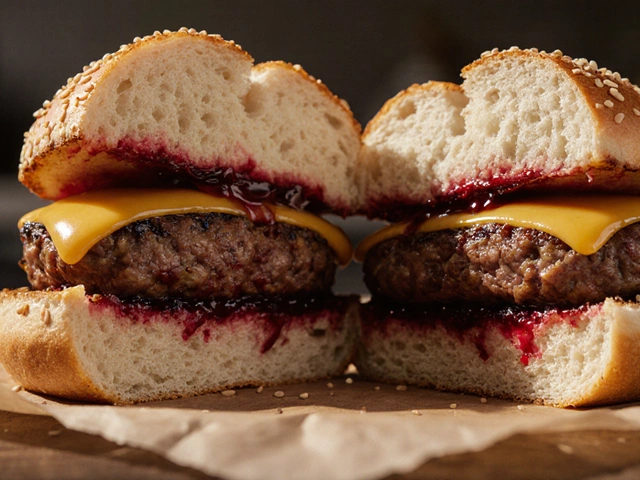
Pimento cheese is incredibly versatile. It is commonly eaten on crackers as an appetizer, but it shines when used as a filling for sandwiches. Try it on white bread with lettuce and tomato for a quick lunch. It is also excellent melted on burgers or baked into casseroles. The tangy, creamy, and slightly sweet flavor profile makes it a hit with both adults and children. It is a testament to how simple ingredients can come together to create something memorable.
Collard Greens: The Soulful Side Dish
No Southern table is complete without greens, and collards are among the most popular. These leafy vegetables are boiled for hours until they are tender and deeply flavorful. The cooking liquid is often seasoned with smoked meats like ham hocks or salt pork, which infuse the greens with a savory, smoky depth. Some recipes also include vinegar or hot sauce to cut through the richness and add a bright acidity.
Collard greens are not just delicious; they are packed with nutrients like vitamins A, C, and K. Historically, they were a staple crop because they could grow in poor soil and withstand harsh weather. Today, they remain a symbol of resilience and tradition. Many Southerners believe eating collard greens brings good luck, especially during New Year's celebrations. Serve them alongside cornbread and black-eyed peas for a meal steeped in cultural significance.
Shrimp and Grits: The Coastal Delicacy
Originating in the Lowcountry of South Carolina and Georgia, shrimp and grits bridges the gap between breakfast and brunch. Stone-ground grits are the base, simmered with water or stock until they reach a creamy, porridge-like consistency. Unlike instant grits, stone-ground varieties retain more of the corn’s natural flavor and require longer cooking times. Butter and cheese are often stirred in at the end for extra richness.
The topping is where the magic happens. Shrimp are sautéed with bacon or Andouille sausage, onions, and garlic. A sauce made from cream, broth, and spices is poured over the top, creating a luxurious blend of textures and flavors. The grits provide a neutral, comforting canvas for the bold, briny shrimp. This dish has gained national popularity, appearing on menus across the United States, but nothing beats the authentic version made with local seafood and fresh ingredients.
What makes Southern food different from other regional cuisines?
Southern food is characterized by its emphasis on slow cooking techniques, such as frying, braising, and stewing. It often features ingredients like corn, pork, and leafy greens, and relies heavily on seasoning blends that include cayenne, paprika, and garlic. The cuisine is deeply rooted in community and tradition, with recipes often passed down through families.
Is Southern food generally healthy?
While some Southern dishes are high in calories and fat due to frying and heavy sauces, many components are nutritious. Collard greens, black-eyed peas, and fresh vegetables are staples. By adjusting cooking methods, such as baking instead of frying or using less butter, you can enjoy Southern flavors while maintaining a balanced diet.
Can I make gumbo without okra?
Yes, you can. Filé powder, made from ground sassafras leaves, is a traditional alternative to okra for thickening gumbo. It adds a unique earthy flavor and is commonly used in Creole versions of the dish. Just remember to add filé powder at the very end of cooking, as boiling it can make the gumbo bitter.
What is the best type of cheese for pimento cheese?
Sharp cheddar is the standard choice for pimento cheese because its strong flavor stands up well against the mayonnaise and pimentos. You can experiment with aged cheddars for a more intense taste, but avoid mild cheeses as they may get lost in the mix. Finely grating the cheese ensures a smooth, spreadable consistency.
How do I keep fried chicken crispy after cooking?
To maintain crispiness, let the chicken rest on a wire rack rather than paper towels. Paper towels trap steam, which softens the crust. A wire rack allows air to circulate around the chicken, keeping the exterior crunchy. Serve it immediately for the best texture, but if you need to hold it, keep it in a low oven with the door slightly ajar.



Write a comment