Vegetarian Sweet Checker
Enter an ingredient name or a type of sweet below to check its vegetarian status based on common manufacturing practices.
You’re standing in the supermarket aisle, staring at a packet of gummy bears or a chocolate bar, wondering if it’s actually vegetarian. It’s a common trap. We assume that because something isn’t meat, it’s safe for vegetarians. But the world of confectionery is riddled with hidden animal products that have nothing to do with steak or chicken. If you’ve ever felt betrayed by a jelly bean that wasn’t what it seemed, you aren’t alone. The difference between "vegetarian" and "vegan" often comes down to one specific ingredient: gelatin. But it’s not just gelatin. There are other sneaky additives lurking in your favorite treats.
This guide cuts through the marketing fluff. We aren’t just listing brands; we’re breaking down exactly what makes a sweet vegetarian-friendly and what disqualifies it. Whether you’re shopping in Brighton or anywhere else in the UK, knowing what to look for on the label saves you money and disappointment. Let’s figure out which sweets you can actually enjoy without worrying about animal-derived nasties.
The Gelatin Problem: Why Most Gummies Are Out
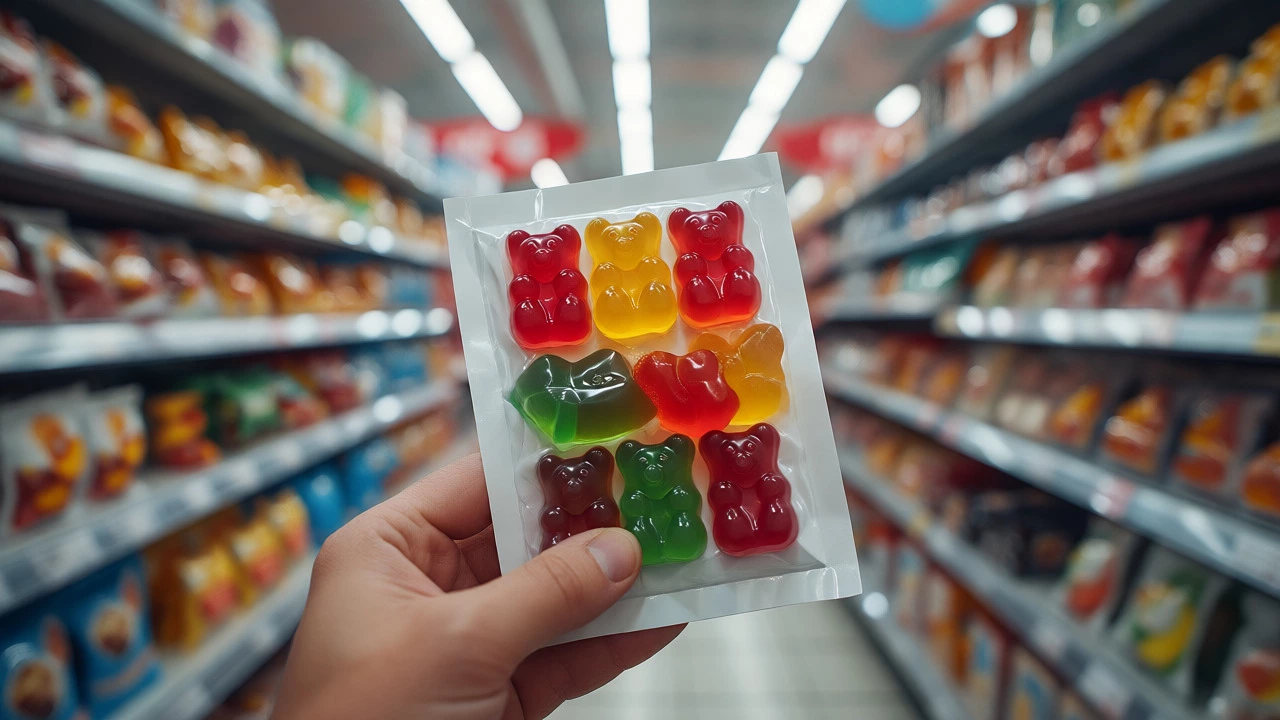
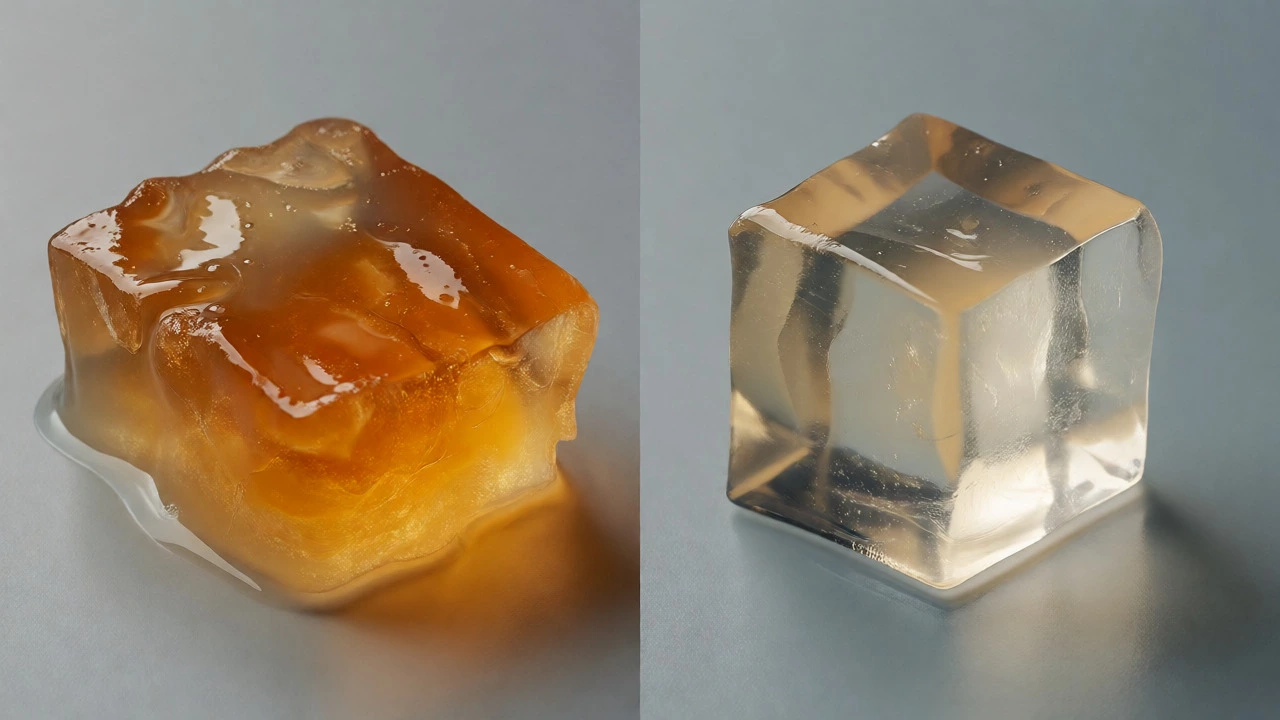
If there is one rule to remember, make it this: Gelatin is a protein derived from collagen found in animal bones, skin, and connective tissue, typically pigs and cows. It gives gummy candies their chewy texture and marshmallows their fluffy structure. For most vegetarians, especially those who avoid rennet and slaughter by-products, gelatin is a hard no. This means the classic Haribo Goldbears, while delicious, are usually off-limits unless they specifically state otherwise (which they rarely do in standard packs).
But don’t panic. You don’t have to give up chewy textures. The food industry has developed several effective substitutes. Pectin is a natural substance found in fruit skins, particularly apples and citrus fruits. It creates a softer, more jam-like set than gelatin. Brands like Maynards Bassetts use pectin in many of their fruity sweets, making them suitable for vegetarians. Then there’s Agar-Agar, a seaweed-based gelling agent. It sets firmer and faster than pectin and is completely plant-based. If you see "gelling agents: agar-agar" or "pectin" on the back of a packet, you’re likely in the clear.
Here’s the catch: some manufacturers mix gelatin with starches or gums to cut costs or alter texture. Always check the full ingredient list. If you see "gelatin" listed anywhere, put it back on the shelf. If you see "starch," "modified corn starch," or "tapioca starch," those are generally safe, though they might result in a less elastic bite.
Hidden Animal Ingredients Beyond Gelatin
Once you’ve mastered the gelatin check, you’ll encounter other tricky ingredients. These are less obvious but equally important for strict vegetarians.
Carmine (also known as Cochineal or E120) is a red dye made from crushed cochineal insects. Yes, insects. It provides a vibrant pink or red color in lollipops, strawberry-flavored sweets, and even some yogurts. If you want to avoid eating bugs, steer clear of anything labeled with carmine, cochineal, or crimson lake. Many brands have switched to beetroot juice or paprika extract for coloring, but you need to read the fine print.
Then there’s L-Cysteine, an amino acid used as a dough conditioner in soft pretzels and some baked goods. While it can be synthesized chemically, it’s often sourced from duck feathers or hog hair. Unless the packaging explicitly says "synthetic" or "plant-derived," assume it’s animal-based. This is rare in hard candies but common in bakery-style snacks.
Finally, watch out for Honey. Strictly speaking, honey is not vegan, but most vegetarians eat it. However, some ethical vegetarians avoid it due to concerns about bee welfare. If you’re aiming for vegan-friendly sweets, skip the honey too. Look for agave syrup, maple syrup, or glucose syrup instead.
Chocolate: The Milk Trap
Chocolate is arguably the easiest category to navigate, but only if you know where to look. Standard milk chocolate contains dairy, which is vegetarian but not vegan. If you’re okay with dairy, you’re good. The issue arises when cheap chocolates use Milk Solids or whey powder that may have been processed using animal rennet. Rennet is an enzyme traditionally taken from the stomach lining of calves. While microbial rennet is now common, it’s not universal.
Dark chocolate is often naturally vegan, provided it doesn’t contain milk fat or butter oil. Check for "may contain traces of milk" warnings-these are for allergy safety, not necessarily because milk is an ingredient, but some strict vegetarians prefer to avoid cross-contamination risks. High-quality dark chocolate bars, such as those from Lindt or Green & Black’s, often list minimal ingredients: cocoa mass, sugar, cocoa butter, and vanilla. No animal products required.
| Ingredient | Source | Vegetarian? | Vegan? | Common In |
|---|---|---|---|---|
| Gelatin | Animal Bones/Skin | No | No | Gummy Bears, Marshmallows |
| Pectin | Fruit Skins | Yes | Yes | Fruit Pastilles, Jams |
| Agar-Agar | Seaweed | Yes | Yes | Vegan Gummies, Asian Desserts |
| Carmine | Insects | No | No | Red Lollipops, Pink Frosting |
| Egg White | Chickens | Yes | No | Nougat, Meringues |
| Beeswax | Bees | Yes | No | Shiny Candy Coatings |
| Shellac | Lac Beetles | No* | No | Glazed Apples, Shiny Chocolates |
*Note: Some vegetarians accept shellac as it is harvested without killing the beetle, similar to honey, but others reject it. When in doubt, avoid it.
Safe Bets: Specific Sweets That Are Usually Vegetarian
Let’s get practical. What can you buy today without reading every single word? Here are categories that are predominantly vegetarian-friendly, though always double-check labels.
- Hard Candies: Most boiled sweets, lollipops, and rock candies are made from sugar, water, and flavorings. They rarely contain animal products. However, check for beeswax or shellac if they are shiny. Matte finishes are safer.
- Liquorice: Traditional black liquorice is often vegetarian, but some brands add gum arabic (safe) or wheat flour (check for gluten). Avoid red liquorice, which often uses gelatin or carmine.
- Biscuits and Cookies: Digestives, Rich Tea, and shortbread are typically vegetarian. Watch out for cream fillings, which might use palm oil (vegetarian but ethically debated) or dairy. Vegan versions are increasingly available.
- Ice Cream: Dairy ice cream is vegetarian. Sorbet is almost always vegan. Check for egg yolks in premium custard-based flavors, which are vegetarian but not vegan.
- Chocolate Bars: As mentioned, dark chocolate is the safest bet. Milk chocolate is vegetarian. White chocolate is vegetarian but high in dairy.
Specific brands to look for in UK supermarkets include Maynards Bassetts (look for the green leaf symbol), Haribo (only specific vegan lines, not standard Goldbears), and Lindt (many dark chocolate options are vegan-certified). Waitrose and Tesco both have dedicated "Free From" aisles where vegetarian labeling is clearer.
DIY Solutions: Making Your Own Vegetarian Treats
If store-bought options feel limited, making your own sweets is surprisingly easy. It also lets you control the quality of ingredients. One of the simplest recipes is homemade fruit pastilles using pectin.
Start with fresh fruit puree-strawberries, raspberries, or apricots work well. Mix the puree with sugar and liquid pectin. Heat the mixture until it reaches the setting point (usually around 104°C or 220°F). Pour it into silicone molds and let it set overnight. Dust with sugar before serving. You get the chewy texture of commercial sweets without any animal derivatives.
For chocolate lovers, try making chocolate truffles. Use high-quality dark chocolate, coconut cream (instead of dairy cream), and a splash of vanilla. Chill the ganache, roll it into balls, and coat in cocoa powder or desiccated coconut. It takes ten minutes and tastes far better than most shop-bought alternatives.
Another quick win is energy balls. Blend dates, nuts, oats, and cacao powder in a food processor. Roll them into balls and refrigerate. No baking, no eggs, no dairy. Just wholesome, vegetarian-friendly snacking.

Reading Labels Like a Pro
Manufacturers aren’t always helpful. They might hide animal ingredients under vague terms. Here’s your cheat sheet for decoding ingredient lists.
- Look for Certifications: The Vegetarian Society’s Approved trademark (a green leaf with a V) is the gold standard in the UK. If you see this, you don’t need to read the rest of the label.
- Check for "Suitable for Vegetarians": This phrase is regulated in the UK. If it’s on the front of the pack, the manufacturer has verified it contains no meat, fish, poultry, or slaughter by-products.
- Scan for E-Numbers: Some E-numbers are animal-derived. E120 (Carmine) is insect-based. E441 (Gelatin) is animal-based. E904 (Shellac) is beetle-based. Others like E471 (Mono- and diglycerides of fatty acids) can be either plant or animal source, so look for further clarification.
- Ignore "Natural Flavors": This term is ambiguous. It could mean vanilla extract (plant) or castoreum (beaver secretion, though rare in sweets). If the product claims to be vegetarian, trust the claim, but if it doesn’t, be cautious.
Remember, just because a product is sold in the "Health Food" section doesn’t mean it’s vegetarian. Granola bars, for instance, often contain honey or gelatin in the binding agents. Never assume; always verify.
Frequently Asked Questions
Are all marshmallows non-vegetarian?
Most traditional marshmallows contain gelatin, which is derived from animal collagen, making them unsuitable for vegetarians. However, many brands now offer marshmallows made with agar-agar or potato starch. Look for packages explicitly labeled "vegetarian" or "vegan." Brands like Dandies and certain supermarket own-brands produce gelatin-free options.
Is honey considered vegetarian?
Yes, honey is generally considered vegetarian because it does not involve the death of the animal. However, it is not vegan, as vegans avoid all animal products. Some ethical vegetarians choose to avoid honey due to concerns about bee farming practices, but strictly speaking, it fits within a lacto-ovo vegetarian diet.
What is Shellac and why should I avoid it?
Shellac (E904) is a resin secreted by the female lac bug. It is used to give candies and chocolates a glossy shine. Because it is an insect by-product, many vegetarians and vegans avoid it. If you want to ensure your sweets are free from insect-derived ingredients, check for "shellac" or "confectioner's glaze" in the ingredient list.
Can I eat milk chocolate if I am vegetarian?
Yes, milk chocolate is suitable for vegetarians. It contains dairy milk, which is an animal product but not obtained through slaughter. However, it is not vegan. Be aware that some cheaper chocolates may use whey powder processed with animal rennet, so checking for the Vegetarian Society logo ensures the entire production process meets vegetarian standards.
Why are some gummy bears not vegetarian?
Standard gummy bears, including popular brands like Haribo, rely on gelatin to achieve their characteristic chewy texture. Gelatin is extracted from pig skin or cow bones. Since vegetarians do not consume slaughter by-products, these gummies are unsuitable. Vegetarian alternatives use pectin, starch, or agar-agar instead.
Are red-colored sweets always bad for vegetarians?
Not always, but they require careful checking. Red dyes like Carmine (E120) are made from insects. However, many modern sweets use plant-based colors like beetroot juice, anthocyanins, or paprika extract. If the label says "color: carmine" or "cochineal," it’s not vegetarian. If it lists vegetable concentrates or plant extracts, it’s safe.





Write a comment