
Going vegan isn’t just about swapping chicken for tofu. It’s about building a way of eating that keeps you healthy, energized, and satisfied-without animal products. Too many people jump into veganism thinking it’s just removing meat and dairy, then end up tired, hungry, or even deficient. The truth? A successful vegan diet needs structure. Here are the five most important rules that actually work-backed by real people, real kitchens, and real health outcomes.
Rule 1: Get Enough Protein from Whole Foods
You don’t need protein powder to thrive on a vegan diet. In fact, most people eating whole-food plant-based meals get more than enough protein without even trying. Lentils, chickpeas, black beans, tofu, tempeh, edamame, seitan, and even quinoa are packed with protein. A cup of cooked lentils gives you 18 grams. A 100-gram block of firm tofu? Around 15 grams. That’s comparable to chicken breast.
But here’s the catch: you need to eat these foods regularly. If your day looks like toast with jam, a banana, and a salad with no beans, you’re going to feel drained. Plan at least two protein-rich foods into each main meal. Add lentils to your soup. Toss chickpeas into your grain bowl. Snack on roasted edamame. Your muscles, immune system, and hormones all rely on steady protein intake-and plants deliver it, if you give them a chance.
Rule 2: Don’t Skip Vitamin B12
This is non-negotiable. Vitamin B12 is made by bacteria, not plants or animals. Animals get it from their gut bacteria or feed, but plants don’t contain reliable B12. That means if you’re vegan, you must supplement or eat fortified foods.
Fortified plant milks, nutritional yeast, and some breakfast cereals contain B12-but you can’t count on them alone. The recommended daily dose is 2.4 micrograms for adults. Many experts suggest taking a 25-100 mcg supplement daily, or 1000 mcg twice a week. It’s cheap, safe, and prevents nerve damage, fatigue, and brain fog. I’ve seen too many people feel awful for months, only to find out their B12 levels were below 200 pg/mL. Don’t be one of them.
Rule 3: Eat a Rainbow-Every Day
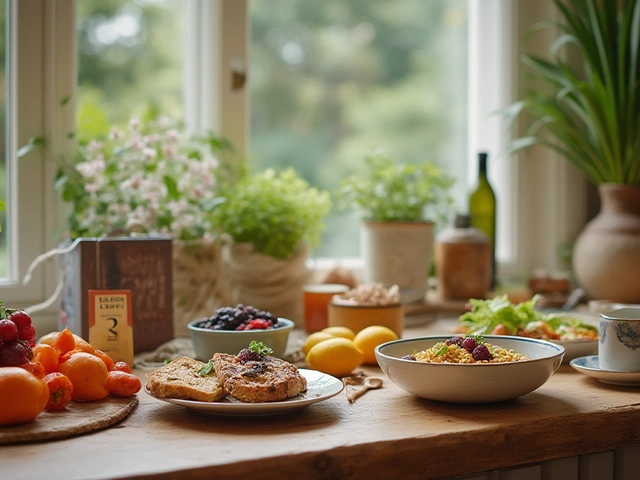
Color isn’t just pretty. It’s your signal that you’re getting a wide range of vitamins, antioxidants, and phytonutrients. A red bell pepper has vitamin C. Dark leafy greens give you calcium and folate. Orange carrots bring beta-carotene. Purple cabbage? Anthocyanins. Blueberries? Flavonoids.
If your plate looks beige-rice, pasta, bread, potatoes, and plain tofu-you’re missing out. Aim for at least three different colored vegetables and two different fruits every day. Frozen veggies count. Canned tomatoes count. Roasted beets, steamed broccoli, sautéed kale-they all add up. The more variety, the fewer gaps in your nutrition. And variety keeps meals interesting, too. No one wants to eat the same lentil stew for six weeks straight.

Rule 4: Watch Your Omega-3s
Omega-3 fatty acids are crucial for brain health, reducing inflammation, and keeping your heart steady. The most active forms-EPA and DHA-are found in fish. Vegans don’t get those directly, but they can make them from ALA, found in flaxseeds, chia seeds, hemp seeds, and walnuts.
Here’s the problem: your body doesn’t convert ALA to EPA and DHA very well. Only about 5-10% becomes EPA, and less than 0.5% becomes DHA. That’s not enough for optimal brain and eye function.
Solution? Take an algae-based DHA/EPA supplement. It’s vegan, sustainable, and directly gives you what your body needs. You don’t need a huge dose-200-300 mg of DHA every other day is enough for most people. Skip the flaxseed-only strategy. It’s not enough. Algae oil is the real deal.
Rule 5: Avoid Processed Vegan Junk Food
Just because something is labeled “vegan” doesn’t mean it’s healthy. Vegan gummy bears, fake chicken nuggets, cheese slices made with coconut oil, and sugary plant-based ice creams are everywhere. They’re convenient, tasty, and easy to overeat.
But they’re also loaded with refined carbs, salt, and industrial oils. Eating these all the time leads to weight gain, blood sugar spikes, and cravings. You might be vegan, but you’re not nourished.
Focus on whole, minimally processed foods: beans, grains, vegetables, fruits, nuts, and seeds. Use vegan meats and cheeses as occasional treats-not staples. If you’re craving something salty, make roasted chickpeas. Want something sweet? Blend frozen bananas with cocoa powder. You’ll feel better, have more energy, and your body will thank you.

Putting It All Together
Here’s what a day following these rules might look like:
- Breakfast: Oatmeal made with fortified almond milk, topped with chia seeds, blueberries, and walnuts
- Lunch: Quinoa bowl with black beans, roasted sweet potato, kale, avocado, and tahini dressing
- Snack: Apple with almond butter
- Dinner: Lentil curry with brown rice and steamed broccoli
- Supplements: B12 and algae-based DHA/EPA
No fancy ingredients. No expensive brands. Just real food, planned well.
What If You’re Still Feeling Off?
It’s not unusual to feel tired or bloated when you first switch to vegan eating. Your gut is adjusting. But if after 6-8 weeks you’re still drained, dizzy, or losing hair, it’s time to check your levels. Get blood work done for:
- Vitamin B12
- Ferritin (iron stores)
- Vitamin D
- Omega-3 index
- Thyroid function (TSH)
Many people assume their symptoms are just part of going vegan. They’re not. They’re signs your diet needs tweaking. Don’t guess. Test. Adjust. Keep going.
Final Thought: Veganism Is a Lifestyle, Not a Diet
You don’t have to be perfect. Miss a meal? Eat a cookie? That’s okay. What matters is consistency over months and years. The five rules above aren’t strict commands-they’re practical guardrails. Follow them, and you’ll not only survive on a vegan diet-you’ll thrive.
Can you get enough calcium on a vegan diet?
Yes, absolutely. Good sources include fortified plant milks and juices, tofu made with calcium sulfate, tahini, almonds, kale, bok choy, and broccoli. Aim for 3 servings a day. One cup of fortified soy milk gives you about 300 mg-similar to cow’s milk.
Do vegans need to take iron supplements?
Not always. Plant-based iron (non-heme) is less easily absorbed than animal iron, but you can boost absorption by eating vitamin C-rich foods with meals-like citrus, bell peppers, or tomatoes. Lentils, spinach, and pumpkin seeds are rich in iron. Only take supplements if blood tests show low ferritin levels.
Is a vegan diet safe for children?
Yes, when well-planned. The Academy of Nutrition and Dietetics confirms vegan diets are appropriate for all life stages. Kids need enough calories, protein, B12, iron, zinc, and omega-3s. Use fortified foods, offer frequent meals and snacks, and consider a pediatric multivitamin with B12 and DHA. Work with a registered dietitian if you’re unsure.
Can you build muscle on a vegan diet?
Definitely. Many athletes, including powerlifters and bodybuilders, thrive on plant-based diets. The key is enough total protein (1.6-2.2 grams per kg of body weight) spread across meals, plus strength training. Beans, lentils, tofu, tempeh, seitan, and pea protein powder are all effective sources.
What’s the biggest mistake new vegans make?
Thinking vegan means automatically healthy. Replacing meat with processed vegan snacks, skipping B12, not eating enough protein or calories, and eating too many refined carbs are common pitfalls. Focus on whole foods, plan ahead, and take the basics seriously-especially B12 and omega-3s.





Write a comment