
Gluten Elimination Tracker & Timeline
Select your current status to see what happens to your body when you stop eating gluten.
Select a condition above to view the detailed biological timeline.
You cut out bread, pasta, and beer because a friend said it would clear your brain fog. Two weeks later, you feel… nothing? Or maybe you feel worse? It’s confusing. The internet screams that gluten is the enemy of modern health, yet millions of people eat it daily without collapsing. So, what actually happens inside your body when you stop eating gluten? The answer isn't one-size-fits-all. It depends entirely on whether you have Celiac Disease, Non-Celiac Gluten Sensitivity (NCGS), or just a healthy gut that doesn't care about wheat.
If you’re considering going gluten-free, you need to know the real timeline of physical changes. We aren’t talking about vague wellness trends; we’re looking at biological reactions. Let’s break down exactly what shifts in your system, from day one to month six, and help you decide if this dietary switch is worth the hassle.
The First Few Days: Withdrawal and Adjustment
When you remove gluten from your diet, you aren’t just removing a protein; you’re often removing highly processed carbohydrates. For many, the first 3-7 days feel like a mild withdrawal. If you relied heavily on white bread, bagels, and pastries for quick energy, your blood sugar levels will start to stabilize, but not before they dip. You might experience headaches, irritability, or fatigue. This is less about gluten itself and more about your body adjusting to lower glycemic intake.
Simultaneously, your digestive system begins to recalibrate. Wheat contains fructans, a type of fermentable carbohydrate (FODMAP) that can cause bloating in sensitive individuals. Even if you don’t have an immune reaction to gluten, cutting wheat often reduces gas and distension simply because you’ve removed a major source of fermentation fuel for gut bacteria. Many people report feeling "lighter" within the first week, primarily due to reduced water retention associated with inflammation and high-carb loads.
Weeks 1-4: The Gut Repair Phase
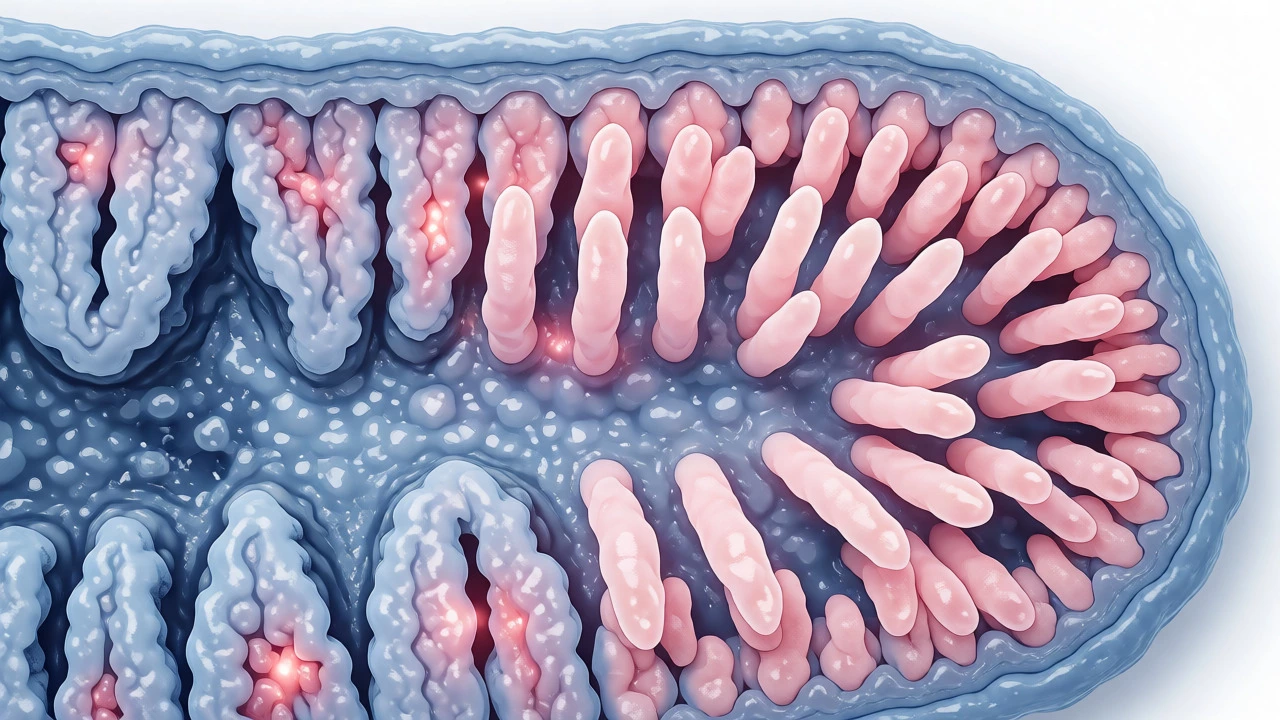
This is where things get interesting, especially if you have underlying sensitivities. In people with Celiac Disease, gluten triggers an autoimmune response that damages the villi-tiny finger-like projections in the small intestine responsible for nutrient absorption. When you stop eating gluten, this damage stops immediately. The inflammation subsides, and the intestinal lining begins to heal.
For those with Non-Celiac Gluten Sensitivity, symptoms like brain fog, joint pain, and fatigue often improve significantly during this window. A study published in the Journal of Nutrition suggests that NCGS patients experience rapid symptom relief upon gluten elimination, distinguishing it from Celiac’s slower healing process. However, if you’re healthy, you might notice little change here except perhaps a slight reduction in post-meal sluggishness.
| Timeframe | Celiac Disease Reaction | Non-Celiac Sensitivity Reaction | Healthy Individual Reaction |
|---|---|---|---|
| Days 1-7 | Reduced acute inflammation; possible withdrawal from carbs. | Decreased bloating and brain fog. | Mild fatigue; stable energy levels. |
| Weeks 2-4 | Villi begin regenerating; nutrient absorption improves. | Symptoms largely resolve; mood stabilizes. | No significant physiological change. |
| Months 2-6 | Gut lining heals; iron/anemia issues may resolve. | Sustained well-being; no specific tissue repair needed. | Potential nutrient gaps if diet isn't balanced. |
Long-Term Effects: Healing vs. Harm
After three months, the differences between groups become stark. For Celiac patients, long-term adherence prevents serious complications like osteoporosis, infertility, and lymphoma. The gut mucosa typically heals completely within 6-24 months for adults, though children recover faster. Blood tests for transglutaminase antibodies usually normalize, confirming the absence of active autoimmune attack.
But what if you’re just doing it for "wellness"? Here’s the catch: going gluten-free doesn’t automatically mean going healthy. Many commercial gluten-free products are loaded with refined starches, sugars, and fats to mimic the texture of wheat. If you swap whole-wheat bread for gluten-free cookies made with rice flour and potato starch, you might actually consume more calories and fewer nutrients. Rice flour, for instance, lacks the fiber and B vitamins found in whole grains unless fortified.
There is also a risk of nutritional deficiency. Wheat is a primary source of folate, iron, and fiber in many Western diets. Without careful planning, a gluten-free diet can lead to lower intake of these critical nutrients. Research indicates that gluten-free dieters often have lower levels of vitamin D and calcium, partly because many fortified cereals contain gluten. If you go gluten-free, you must actively seek out alternative sources like quinoa, buckwheat, almonds, and leafy greens.

The Hidden Triggers: Why Some People Feel Worse
Have you ever gone gluten-free and felt *more* bloated? It’s counterintuitive, but common. This often happens because people replace wheat with other high-FODMAP foods. Onions, garlic, and certain legumes are frequent culprits. If your gut was already sensitive, swapping wheat for onion-heavy gluten-free pasta might trigger similar distress via a different mechanism.
Another factor is cross-contamination. If you have Celiac Disease, even microscopic traces of gluten matter. Sharing a toaster with regular bread or using a colander previously used for pasta can reintroduce enough gluten to stall healing. For sensitive individuals, this constant low-level exposure keeps the immune system agitated, preventing the full benefits of the diet from manifesting.
Is It Worth It? Making the Decision
So, should you stop eating gluten? Only if you have a medical reason or notice clear subjective improvements. There is no scientific evidence supporting a blanket gluten-free diet for weight loss or general health in the absence of sensitivity. In fact, strict avoidance can make social dining difficult and increase food costs by up to 50%.
If you suspect sensitivity, try a structured elimination diet. Remove gluten for 30 days, then reintroduce it under controlled conditions. If symptoms return, you have your answer. If not, you’re likely fine eating a slice of sourdough occasionally. Remember, the goal is nourishment, not restriction for restriction's sake.
How quickly do symptoms improve after stopping gluten?
For Non-Celiac Gluten Sensitivity, symptoms like bloating and brain fog often improve within 1-2 weeks. For Celiac Disease, while inflammation drops quickly, full intestinal healing takes months. Digestive comfort may improve in days, but systemic issues like anemia take longer to resolve.
Can I lose weight by going gluten-free?
Not necessarily. Weight loss occurs only if you reduce overall calorie intake or eliminate processed junk food along with gluten. Many gluten-free packaged foods are higher in sugar and fat than their wheat counterparts, which can lead to weight gain if portions aren't monitored.
What happens if I accidentally eat gluten after being gluten-free?
If you have Celiac Disease, even a crumb can trigger an immune response that lasts for weeks, damaging the gut again. Symptoms may include severe abdominal pain, diarrhea, and fatigue. For those with mild sensitivity, you might experience temporary bloating or headache, but no long-term damage occurs.
Do I need to take supplements when eating gluten-free?
Often, yes. Since many fortified grain products contain gluten, you may miss out on iron, folate, and B vitamins. Consider a multivitamin or focus on naturally nutrient-dense foods like spinach, lentils, and nuts to fill potential gaps.
Is oats gluten-free?
Pure oats are gluten-free, but they are frequently contaminated with wheat during processing. If you have Celiac Disease, you must buy oats specifically labeled "certified gluten-free." Regular oats can trigger reactions in some Celiac patients due to avenin, a protein structurally similar to gluten.








Write a comment